Efficient Turnkey PCB Assembly Solutions for Your Projects
Key Takeaways
When engaging in turnkey PCB assembly, it’s essential to grasp the comprehensive nature of these solutions. Turnkey PCB assembly offers a streamlined approach that merges multiple stages of the production process into a cohesive service. This integration spans from initial design to final delivery, ensuring that each phase is seamlessly connected. By opting for turnkey solutions, businesses can experience significant enhancements in productivity while simultaneously reducing costs associated with managing multiple vendors and processes. Furthermore, these services prioritize quality through adherence to high industry standards, which is crucial for achieving reliable results in any project.
The simplicity and efficiency of this process allow companies to focus on their core competencies without getting bogged down in the complexities of PCB manufacture and assembly. Moreover, customization options ensure that businesses can tailor their pcba needs relative to product specifications, allowing for greater flexibility and responsiveness in meeting market demands. As industries evolve, the role of turnkey PCB assembly solutions will continue to grow, making it imperative for organizations to understand the benefits and implement these strategies effectively for future projects.
Understanding Turnkey PCB Assembly: A Comprehensive Overview
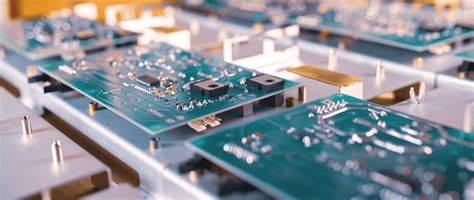
The process of turnkey PCB assembly, also known as PCBA, refers to an all-inclusive service that handles the entire lifecycle of a printed circuit board project—from initial design through to final delivery. This approach integrates various stages such as prototyping, manufacturing, and testing into a seamless experience for customers. By employing turnkey solutions, businesses can benefit from a consolidated workflow that enhances collaboration and communication among different service providers, leading to greater efficiency.
At its core, turnkey PCB assembly simplifies project management by reducing the complexity of dealing with multiple subcontractors. Instead, clients can focus on their core competencies while their partner manages the intricacies of PCB design and production. This not only saves time but also ensures that all components are aligned with industry standards and best practices.
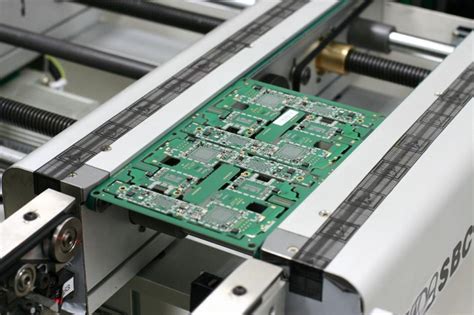
Moreover, PCBA providers often utilize advanced technologies and automation in their processes, which significantly contributes to high-quality outcomes while maintaining cost-effectiveness. The integration of manufacturing technology with data-driven insights enhances productivity and accelerates the time-to-market for new electronic products.
To better understand the comprehensive nature of turnkey PCB assembly, consider the following table that outlines its key components:
| Component | Description |
|---|---|
| Design | Involves initial schematics and design validation |
| Prototyping | Creating initial samples for testing purposes |
| Sourcing | Efficient procurement of components needed for assembly |
| Assembly | The process of wiring and assembling parts on the PCB |
| Testing | Comprehensive quality checks at multiple stages |
| Delivery | Final product shipment to customers or end users |
Through embracing turnkey PCB assembly, organizations are equipped to navigate the complexities of electronics manufacturing with greater ease and strategic advantage in today’s competitive landscape.
Key Benefits of Turnkey PCB Assembly for Modern Projects
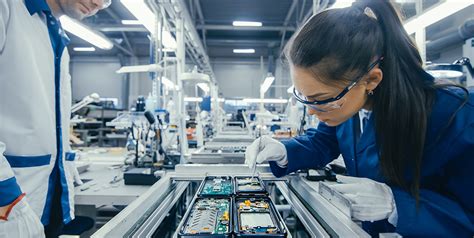
Turnkey PCB assembly services offer a plethora of benefits that can significantly enhance the efficiency and effectiveness of modern projects. One of the most notable advantages is the streamlined process these services provide. By consolidating multiple steps—from initial design to final assembly—providers can reduce lead times, thus accelerating project timelines. This integration inherently minimizes potential errors, ensuring that each phase of pcb assembly is executed with precision and care.
Moreover, the cost-effectiveness of these solutions cannot be overstated. Companies often find that opting for a comprehensive pcba solution mitigates overhead costs linked to project management and logistics. As a result, resources can be allocated more strategically, allowing for greater investment in innovation and development.
Another critical aspect is the assurance of high-quality results tailored to client specifications. With rigorous standards and practices in place throughout the pcb assembly process, businesses can expect consistent performance from their products. This reliability builds trust with end-users, which is vital in competitive markets.
Combining these elements results in an overall enhancement of productivity—an essential metric for success in today’s fast-paced environment. Choosing turnkey solutions not only fosters operational efficiency but also promotes a collaborative approach, allowing teams to focus on creative aspects rather than logistical hurdles.
“Investing in turnkey PCB assembly can transform your production capabilities by streamlining processes and enhancing quality control.”
In summary, embracing turnkey PCB assembly services enables businesses to navigate complexities more effectively while maintaining high standards and reducing costs—key factors that contribute to successful project outcomes in modern industry.
The Turnkey Process: From Design to Delivery in PCB Assembly
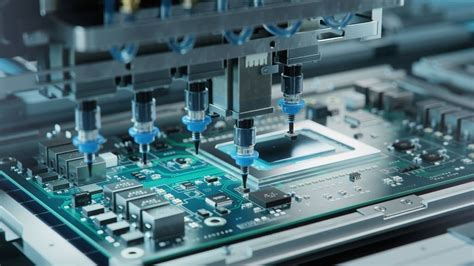
The turnkey process for PCB assembly is a comprehensive approach that aims to simplify and enhance the entire production cycle of printed circuit boards. By integrating various services, from initial design through to final delivery, this process not only promotes efficiency but also fosters seamless communication between all stakeholders involved. Each stage of the pcba journey is meticulously managed, ensuring that projects meet specified timelines without compromising on quality. For example, during the design phase, expert engineers work closely with clients to incorporate essential features, taking care to address their unique requirements. Once the concept is finalized, the manufacturing process begins, utilizing state-of-the-art technology and industry best practices to ensure precision in each PCB assembly step. Furthermore, post-assembly testing is integral to this framework; it guarantees that each board meets rigorous quality standards before reaching the client. This holistic method not only streamlines operations but also significantly contributes to reducing overhead costs typically associated with standalone services—ultimately providing a competitive edge in today’s fast-paced market. As companies continue to seek innovative solutions for their electronic projects, understanding this comprehensive turnkey PCB solution becomes increasingly vital for success.
Cost-Effectiveness: How Turnkey Solutions Reduce Project Expenses
When considering turnkey PCB assembly solutions, one of the most compelling advantages is their inherent cost-effectiveness. By opting for a comprehensive PCB assembly approach, businesses can significantly reduce project expenses in various ways. First, the integrated nature of these services means streamlined processes that eliminate redundancies and minimize delays. This efficiency often translates to lower labor costs and quicker turnaround times, vital factors when managing project budgets. Additionally, turnkey solutions often leverage economies of scale, allowing suppliers to offer competitive pricing on materials and components. Moreover, as the entire supply chain is managed by a single entity, there is a decrease in potential communication errors between separate vendors, which can lead to costly project adjustments. All these aspects work synergistically to ensure that each project maintains high-quality standards while achieving cost reductions; thus, enhancing overall profitability. Furthermore, the long-term relationships that are often fostered between businesses and their turnkey PCB assembly providers can lead to favorable pricing agreements and reduced costs for future projects. In essence, embracing PCBA services not only streamlines operations but also paves the way for significant savings over time.
Ensuring Quality: Standards and Practices in Turnkey PCB Assembly
Ensuring quality in turnkey PCB assembly is paramount for delivering reliable and effective products that meet client specifications. The pcb assembly process encompasses a variety of standards and practices designed to uphold quality throughout the production cycle. One key standard is ISO 9001, which emphasizes a robust quality management system that organizations must adhere to for maintaining consistency and excellence in their processes. This commitment to quality not only enhances the reliability of the pcba but also fosters trust with customers.
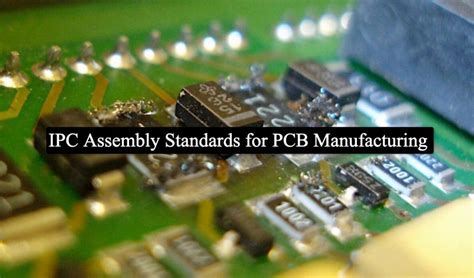
Moreover, employing stringent inspection protocols, such as Automated Optical Inspection (AOI) and X-Ray inspection, is crucial for identifying defects early in the assembly process. These techniques allow engineers to catch potential issues before they escalate into broader problems that could affect the functionality of the finished product. Additionally, following industry-specific standards such as IPC-A-610 helps ensure that all assembled pcb products meet established acceptability criteria for electronic assemblies.
Beyond regulatory compliance, fostering a culture of continuous improvement through employee training and development plays a significant role in quality assurance. Companies invest in regular training programs that equip their workforce with the skills necessary to execute precise pcb assembly operations while adhering to best practices.
In summary, rigorous standards and proactive quality management practices are essential in the realm of turnkey PCB assembly, ultimately bolstering production efficiency and customer satisfaction while mitigating risks associated with faulty assemblies.
Customization in Turnkey PCB Services: Meeting Your Specific Needs
In the realm of turnkey PCB assembly, the ability to customize solutions is vital for organizations seeking to address unique project requirements. Each undertaking may demand specific design adjustments, component selections, and manufacturing processes to align with particular industry standards or technological advancements. Turnkey services enable clients to collaborate closely with manufacturers throughout the entire PCB assembly process, ensuring that every detail is fine-tuned to match their precise needs. From the initial design phase, where engineers can make incremental modifications to schematics, to selecting high-grade materials that enhance performance and durability, customization is at the core of efficient PCBA services. This personalized approach not only leads to a more refined end product but also fosters stronger relationships between clients and their service providers, contributing to ongoing innovation and satisfaction. By leveraging advanced technologies and expertise in turnkey solutions, businesses can effectively meet market demands while maintaining a competitive edge in their respective sectors.
Future Trends in PCB Assembly and the Role of Turnkey Solutions
As the landscape of PCB assembly continues to evolve, the integration of turnkey solutions has become increasingly significant. These solutions encapsulate a full suite of services that cater to every stage of the PCBA process, from initial design through to final production and delivery. One prominent trend is the growing demand for sustainability in manufacturing practices. Companies are now prioritizing environmentally friendly materials and processes, which turnkey services can adeptly provide by sourcing recyclable and energy-efficient components. Additionally, advances in automation technology are poised to enhance precision and speed within turnkey PCB assembly operations. The use of advanced robotics and AI-driven solutions not only minimizes human error but also accelerates production times—making projects more efficient than ever before. Keeping pace with these technological advancements allows businesses to maintain a competitive edge in a dynamic market while achieving high-quality results tailored specifically to their objectives. As customers increasingly request custom-designed products, turnkey PCB services have adapted by offering flexible designs that can accommodate unique specifications without compromising on quality or cost-effectiveness. This adaptability makes turnkey solutions an indispensable element for modern projects aiming for success in today’s fast-paced environment.
Choosing the Right Turnkey PCB Assembly Partner for Your Business
Selecting an ideal partner for turnkey PCB assembly is crucial for ensuring the success of your projects. When considering potential PCB assembly partners, it is essential to evaluate their experience, capabilities, and track record in delivering high-quality PCBA services. Look for companies that offer a comprehensive suite of services, from initial design consultation to final production and delivery. Their expertise in managing the entire process can significantly enhance productivity while reducing lead times. Furthermore, assess their adherence to industry standards and certifications that guarantee quality. A trusted partner will not only meet your specifications but also provide valuable insights during the design phase, ensuring that your product is optimized for production. Additionally, always consider their flexibility in customization options; each project may require unique adjustments to meet specific needs effectively. Ultimately, choosing a partner who understands the intricacies of turnkey PCB assembly can lead to improved overall performance and a successful outcome for your projects.
Conclusion
In today’s competitive landscape, adopting turnkey PCB assembly solutions can significantly impact the success of your electronic projects. By integrating a comprehensive approach that encompasses every stage, from initial design to final delivery, these services simplify the complex journey of pcba development. Clients benefit from a streamlined process that not only enhances productivity but also offers cost-effective options tailored to specific project requirements. Moreover, the ability to ensure consistent quality standards through established practices reinforces the reliability of these solutions. As technology evolves, the future of pcb assembly looks promising with innovative trends emerging, thus making partnerships with skilled turnkey service providers even more essential. Ultimately, embracing efficient turnkey PCB assembly services can elevate your projects and confidently address your business’s unique challenges while fostering growth and innovation in a dynamic market.
FAQs
What is turnkey PCB assembly?
Turnkey PCB assembly refers to a comprehensive service that handles all aspects of PCB assembly, from initial design through to final delivery. These services are designed to simplify the manufacturing process, allowing businesses to focus on their core activities while ensuring high-quality outputs.
How does turnkey PCB assembly enhance project efficiency?
By integrating various stages of production, turnkey PCB assembly minimizes the need for multiple suppliers, thus streamlining communication and reducing potential delays. This integrated approach can lead to faster turnaround times and improved overall productivity.
What are the cost advantages of using turnkey PCB services?
Utilizing turnkey PCB assemblies can significantly lower project costs by reducing labor and material expenses. It helps in optimizing production processes, thereby decreasing waste and unnecessary overhead.
Can turnkey solutions accommodate custom designs?
Absolutely! One of the key benefits of turnkey PCB assembly is the ability to customize PCBA services according to specific project requirements. This includes tailoring designs and processes to meet unique functional or aesthetic needs.
What quality standards should I expect from a turnkey PCB assembly provider?
A reputable provider will adhere to stringent quality control measures throughout the PCB assembly process. This includes following relevant industry standards such as IPC-A-610 for electronics and ensuring that all components are sourced from certified suppliers.