Efficient Turnkey Prototype Assembly Solutions for Rapid Development
Key Takeaways
In the rapidly evolving landscape of product development, the significance of turnkey prototype assembly cannot be overstated. This process involves ensuring that every element of the prototype, from design to pcb assembly and final product integration, is executed with utmost efficiency. One of the remarkable advantages of adopting turnkey solutions is the reduction in time-to-market; this is achieved by streamlining processes and integrating advanced technologies that facilitate rapid prototyping. PCBA plays a critical role within this framework, as it enables manufacturers to create highly functional prototypes that not only meet design specifications but also adhere to quality standards.
Businesses leveraging these innovative solutions often witness significant improvements in overall productivity and resource allocation. As you navigate your own prototyping challenges, it’s essential to consider the implementation of best practices that align with industry standards. One insightful recommendation is:
“Focus on collaboration between design and manufacturing teams early in the prototyping phase to identify potential bottlenecks.”
By embracing such practices, companies can further enhance their turnkey assembly solutions, ultimately leading to faster iteration cycles and superior end products.
Introduction to Turnkey Prototype Assembly
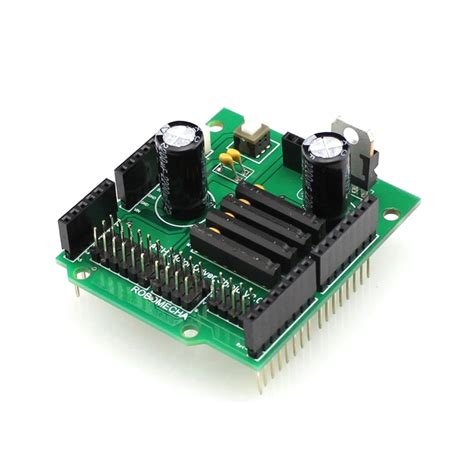
In today’s fast-paced market, turnkey prototype assembly has become an essential component in streamlining product development. This approach allows companies to minimize lead times and enhance overall efficiency by providing complete solutions that integrate every aspect of prototype creation. With techniques such as rapid iteration and the utilization of advanced technologies, organizations can benefit from accelerated timelines and improved organizational focus on core innovations. Central to this process is PCB assembly, which plays a vital role in ensuring that PCBA—the assembled printed circuit boards—meet precise specifications and high-quality standards. By adopting effective turnkey solutions, businesses can not only reduce costs but also achieve a competitive advantage through faster product launches. Furthermore, through the integration of sophisticated software tools and automation, the deployment of these assembly solutions becomes more seamless, enabling rapid adjustments based on real-time feedback. This holistic approach ultimately supports manufacturers in maintaining their commitment to quality while meeting ever-increasing consumer demands efficiently.
Benefits of Rapid Prototype Development
Rapid prototype development offers a myriad of advantages that significantly contribute to a more efficient product development cycle. One of the primary benefits is the reduction in lead times, enabling companies to bring products to market faster. Utilizing turnkey prototype assembly solutions allows for seamless pcb assembly processes, ensuring that prototypes are not only developed swiftly but are also aligned with design specifications. This efficiency is crucial when seeking to adapt to changing market demands or capitalize on emerging opportunities.
Moreover, rapid prototyping enables teams to identify and address design flaws early in the development process. By employing advanced techniques like quick pcba iterations, engineers can test and modify their designs before moving into full-scale production. This not only minimizes waste but also elevates overall product quality, reducing the likelihood of costly revisions later on.
Additionally, investing in innovative assembly solutions promotes collaboration across multidisciplinary teams. With everyone working with real-world prototypes that mirror final products, communication enhances, and feedback loops shorten. As a result, the development process becomes more agile and responsive.
Here is a summary table highlighting some key benefits:
| Benefit | Description |
|---|---|
| Faster Lead Times | Accelerates time-to-market for new products |
| Early Design Flaw Detection | Identifies issues before mass production |
| Cost Efficiency | Reduces materials waste through iterative testing |
| Enhanced Collaboration | Facilitates better communication among teams |
| Improved Product Quality | Ensures final product meets high standards |
Implementing these rapid prototyping strategies not only streamlines workflows but also enhances the strategic capabilities of organizations aiming for competitive advantage in today’s fast-paced marketplace.
Key Technologies in Turnkey Assembly Solutions
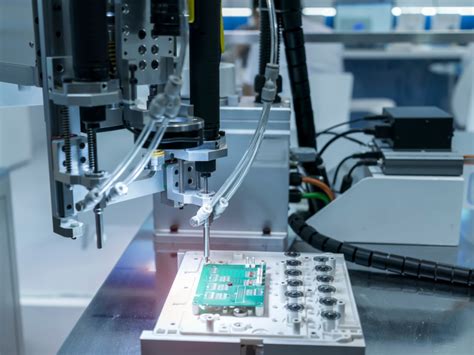
In the realm of turnkey prototype assembly, several key technologies have emerged that significantly enhance the efficiency and quality of the assembly process. One cornerstone technology is Surface Mount Technology (SMT), which allows for the precise placement of components on printed circuit boards (PCBs), streamlining the pcb assembly process and reducing manual intervention. Coupled with advanced pick-and-place machines, it enables rapid pcba production without compromising on precision. Additionally, automated optical inspection (AOI) systems are vital for ensuring that each assembly meets stringent quality standards by detecting defects at various stages of production. Another noteworthy technology is the implementation of robotic automation, which further accelerates production speeds while maintaining consistent accuracy across multiple runs. Furthermore, digital twins—virtual models of physical assemblies—allow manufacturers to simulate and optimize processes before physical execution, leading to faster problem identification and resolution. Collectively, these innovations contribute to a highly efficient turnkey prototype assembly environment, ensuring that companies can meet market demands swiftly while delivering outstanding product quality.
Best Practices for Efficient Prototype Assembly
Efficient prototype assembly is crucial for organizations looking to accelerate their product development cycles. To achieve this, there are several best practices that can be implemented. First and foremost, collaboration among team members is key. This includes regular communication between design engineers and assembly technicians to ensure that all specifications are met accurately. Moreover, leveraging advanced technologies such as automated pcb assembly processes can greatly enhance the precision and speed of prototyping. This not only reduces the risk of errors during assembly but also ensures that prototypes are tested and refined in a timely manner.
Utilizing Lean manufacturing principles can further streamline operations, allowing teams to minimize waste while maximizing productivity. Additionally, adopting a modular approach in the design phase helps in creating pcba units that are easier to assemble and modify as needed. Regularly reviewing these processes not only aids in identifying areas for improvement but also promotes a culture of continuous innovation within organizations. By adhering to these best practices, companies can significantly improve their turnaround times, ultimately leading to superior quality in their prototype assemblies and faster time-to-market for their products.
Case Studies: Successful Turnkey Prototyping
In the landscape of turnkey prototype assembly, several case studies exemplify the remarkable impact of utilizing efficient methods and technologies for rapid development. One notable example involved a tech startup that transformed its product development cycle through implementing pcb assembly solutions tailored for quick iterations. By employing innovative pcba processes, the team was able to achieve a faster turnaround time, enabling them to prototype multiple iterations within tight deadlines. This case underscored the importance of selecting the right materials and technologies, as well as investing in skilled labor, which significantly improved the overall quality of the assemblies. Another successful project involved a manufacturing company that faced challenges with its traditional prototyping approaches. By transitioning to a streamlined turnkey prototyping solution that incorporated automated processes and sophisticated quality assurance measures, they not only reduced production time but also enhanced product reliability and performance. These examples illustrate how integrating best practices in turnkey prototype assembly can lead to successful outcomes, reinforcing that strategic planning and adaptability are key elements in navigating the evolving demands of product development.
Overcoming Challenges in Rapid Prototyping
In the fast-paced world of product development, overcoming challenges in rapid prototyping is crucial for maintaining a competitive edge. One significant obstacle is the complexity involved in pcb assembly or pcba, which directly impacts the efficiency and accuracy of the prototype. Flaws in the design or assembly can lead to costly delays, requiring meticulous attention to detail during every stage of production. Effective communication among design teams, assembly technicians, and quality control personnel is paramount to ensure that everyone aligns with project objectives and expectations. Furthermore, leveraging advanced technologies such as automated assembly lines significantly enhances precision and reduces lead times, allowing for quicker iterations and refinements. By implementing robust quality assurance protocols, organizations can identify potential issues early in the process, facilitating smoother transitions from one stage of development to another. Ultimately, addressing these challenges head-on paves the way for more streamlined processes and successful product launches that meet market demands consistently.
Future Trends in Prototype Assembly Solutions
As the landscape of prototype assembly continues to evolve, several key trends are emerging that are poised to redefine the industry. One significant trend is the increasing integration of automation and robotics in turnkey prototype assembly. This shift not only enhances the speed of pcb assembly processes but also ensures higher precision and consistency in pcba outcomes. Furthermore, advancements in materials science are allowing for the development of lighter and more durable components, which significantly impact the performance of assembled prototypes. Another promising trend is the growing adoption of data analytics and artificial intelligence to streamline operations and optimize production workflows. By leveraging real-time data, manufacturers can improve decision-making processes related to resource allocation and quality control, ultimately leading to faster turnaround times for prototype development. Additionally, collaborative technologies are becoming more prevalent, allowing cross-functional teams to work synergistically across different geographic locations on a single prototype project. As these trends continue to gain momentum, they will pave the way for more agile and responsive turnkey assembly solutions, facilitating innovation in product design and development while meeting the ever-evolving demands of the market.
Conclusion
In summary, the significance of turnkey prototype assembly in modern product development cannot be overstated. As businesses strive to bring innovative products to market swiftly, efficient PCB assembly solutions become crucial. By adopting best practices and utilizing advanced technologies such as automated pick-and-place machines and high-speed assembly lines, companies can streamline their PCBA processes. This not only reduces lead times but also enhances product quality. The integration of real-time monitoring systems further ensures that any potential issues are addressed immediately, leading to a more reliable assembly process. As industries continue to evolve, the demand for rapid prototyping will only increase, making it vital for organizations to stay competitive through these efficient solutions. Embracing these methodologies will enable businesses to respond swiftly to market needs while maintaining excellence in their product offerings.
FAQs
What is turnkey prototype assembly?
Turnkey prototype assembly refers to a comprehensive approach where a service provider manages all aspects of the assembly process, from design to final product delivery. This ensures a streamlined process that minimizes delays and enhances reliability.
How does rapid prototype development benefit businesses?
Rapid prototype development allows businesses to bring their ideas to market much quicker. By employing efficient turnaround practices, companies can test designs, gather feedback, and make necessary adjustments without long lead times.
What key technologies are used in turnkey assembly solutions?
Innovative technologies such as automated machinery, advanced pcb assembly techniques, and real-time monitoring systems play an integral role in ensuring quality and efficiency during the assembly process.
What are best practices for efficient prototype assembly?
Implementing standardized workflows, investing in skilled labor, and utilizing pcba methodologies can optimize the efficiency of the prototype assembly process. Regular quality control checks also ensure that the output meets strict standards.
Can you provide examples of successful turnkey prototyping?
Numerous case studies demonstrate successful turnkey prototyping, where companies have significantly reduced their time-to-market while maintaining high-quality standards. These successes often involve collaborations that leverage specialized expertise.
What are common challenges faced in rapid prototyping?
Challenges often include sourcing high-quality materials, managing supply chains effectively, and adjusting designs swiftly based on prototyping feedback. However, strategic planning can mitigate many of these obstacles.