Electronic press hole rogers pcb
Understanding Electronic Press Hole Technology in Rogers PCB Manufacturing
In the realm of printed circuit board (PCB) manufacturing, the integration of advanced materials and technologies is crucial for meeting the demands of modern electronic applications.
One such advancement is the use of electronic press hole technology in Rogers PCB manufacturing.
This technology plays a pivotal role in enhancing the performance and reliability of PCBs, particularly in high-frequency and high-speed applications. To fully appreciate the significance of electronic press hole technology, it is essential to understand its function and benefits within the context of Rogers PCBs.
Rogers Corporation is renowned for its high-performance laminate materials, which are widely used in the fabrication of PCBs for applications such as telecommunications, aerospace, and defense.
These materials are favored for their excellent dielectric properties, thermal stability, and low signal loss, making them ideal for high-frequency circuits. However, the unique properties of Rogers materials also present certain challenges in the manufacturing process, particularly when it comes to drilling and plating holes, which are critical for establishing electrical connections between different layers of the PCB.
This is where electronic press hole technology comes into play.
Essentially, this technology involves the use of specialized equipment and techniques to create precise and reliable holes in the PCB substrate. The process begins with the careful selection of drill bits and parameters that are compatible with the specific Rogers material being used. This ensures that the holes are drilled with minimal damage to the surrounding material, thereby preserving the integrity of the PCB.
Once the holes are drilled, the next step involves the plating process, which is crucial for creating conductive pathways.
Electronic press hole technology employs advanced plating techniques to ensure uniform and robust metal deposition within the holes. This is particularly important for Rogers PCBs, as any inconsistencies in the plating can lead to signal loss or failure in high-frequency applications. By utilizing electronic press hole technology, manufacturers can achieve high-quality plating that meets the stringent requirements of modern electronic devices.
Moreover, electronic press hole technology offers several advantages over traditional methods.
For instance, it allows for greater precision and control during the drilling and plating processes, resulting in higher yields and reduced waste. Additionally, this technology can accommodate the complex designs and miniaturization trends that are prevalent in today’s electronic industry. As devices become smaller and more powerful, the demand for PCBs with intricate layouts and fine features continues to grow. Electronic press hole technology is well-suited to meet these demands, providing manufacturers with the tools they need to produce cutting-edge PCBs.
In conclusion, electronic press hole technology is an indispensable component of Rogers PCB manufacturing. By enabling precise and reliable hole creation and plating, this technology enhances the performance and reliability of PCBs in high-frequency and high-speed applications. As the electronics industry continues to evolve, the importance of advanced manufacturing techniques like electronic press hole technology will only increase. Understanding and leveraging these technologies is essential for manufacturers seeking to stay competitive and deliver high-quality products that meet the ever-changing needs of the market.
Advantages of Using Rogers PCB for High-Frequency Applications
In the realm of high-frequency applications, the choice of materials and components is crucial to ensure optimal performance and reliability. One of the most significant advancements in this field is the use of Rogers Printed Circuit Boards (PCBs). These specialized PCBs are renowned for their superior performance in high-frequency environments, making them a preferred choice for engineers and designers working on advanced electronic systems. The advantages of using Rogers PCBs in such applications are manifold, and understanding these benefits can provide valuable insights into their growing popularity.
To begin with, Rogers PCBs are distinguished by their exceptional dielectric properties.
Unlike traditional FR-4 materials, Rogers laminates offer a low dielectric constant and low loss tangent, which are critical for maintaining signal integrity at high frequencies. This characteristic ensures minimal signal loss and distortion, which is essential for applications such as RF communication systems, microwave circuits, and radar technology. The ability to maintain signal integrity translates into more efficient and reliable electronic systems, which is a significant advantage in industries where precision and performance are paramount.
Moreover, Rogers PCBs exhibit excellent thermal management capabilities.
High-frequency applications often generate substantial heat, which can adversely affect the performance and longevity of electronic components. Rogers materials are designed to withstand high temperatures and provide efficient heat dissipation, thereby enhancing the durability and reliability of the circuit boards. This thermal stability is particularly beneficial in applications such as aerospace and automotive industries, where electronic systems are subjected to extreme environmental conditions.
In addition to their thermal and dielectric properties, Rogers PCBs offer superior mechanical stability.
The materials used in these PCBs are engineered to resist mechanical stresses and environmental factors such as humidity and temperature fluctuations. This robustness ensures that the PCBs maintain their structural integrity and performance over time, reducing the risk of failure and the need for frequent maintenance. Consequently, this reliability is a significant advantage for applications that demand long-term operational stability, such as telecommunications infrastructure and medical devices.
Furthermore, the versatility of Rogers PCBs cannot be overstated.
They are available in a wide range of material grades and thicknesses, allowing designers to tailor the PCB specifications to meet the specific requirements of their applications. This flexibility enables the development of customized solutions that optimize performance and efficiency, catering to the unique demands of various high-frequency applications. The ability to customize Rogers PCBs is a distinct advantage for industries that require specialized electronic solutions, such as defense and satellite communications.
In conclusion, the advantages of using Rogers PCBs for high-frequency applications are evident in their superior dielectric properties, excellent thermal management, mechanical stability, and versatility. These attributes make Rogers PCBs an ideal choice for engineers and designers seeking to develop advanced electronic systems that require high performance and reliability. As technology continues to evolve and the demand for high-frequency applications grows, the role of Rogers PCBs in shaping the future of electronic design is likely to become even more significant. By leveraging the unique benefits of Rogers materials, industries can achieve new levels of innovation and efficiency, paving the way for cutting-edge advancements in electronic technology.
Design Considerations for Electronic Press Hole in Rogers PCBs
When designing printed circuit boards (PCBs) using Rogers materials, one of the critical aspects to consider is the implementation of electronic press holes. These holes, often referred to as vias, play a crucial role in establishing electrical connections between different layers of a multilayer PCB. The unique properties of Rogers materials, known for their high-frequency performance and low dielectric loss, necessitate careful consideration during the design phase to ensure optimal functionality and reliability.
To begin with, understanding the material properties of Rogers PCBs is essential.
Rogers materials are renowned for their excellent thermal management and electrical performance, making them ideal for high-frequency applications such as RF and microwave circuits. However, these properties also mean that the design of electronic press holes must be meticulously planned to avoid compromising the board’s performance. The dielectric constant and thermal expansion characteristics of Rogers materials differ from those of traditional FR-4 substrates, which can affect the mechanical and electrical integrity of the vias.
Transitioning to the design process, one must consider the size and placement of the electronic press holes.
The diameter of the vias should be optimized to balance the need for electrical connectivity and the structural integrity of the board. Smaller vias can reduce parasitic capacitance and inductance, which is beneficial for high-frequency applications. However, they may also pose challenges in terms of manufacturability and reliability, particularly in terms of plating and soldering. Therefore, designers must carefully evaluate the trade-offs between electrical performance and manufacturing constraints.
Moreover, the aspect ratio of the vias, which is the ratio of the hole depth to its diameter, is another critical factor.
A higher aspect ratio can lead to difficulties in plating the vias uniformly, potentially resulting in weak connections or even failures. To mitigate these risks, designers often opt for a balanced aspect ratio that ensures robust plating while maintaining the desired electrical characteristics. Additionally, the use of advanced via technologies, such as laser-drilled microvias, can offer solutions for achieving high-density interconnections without compromising performance.
In addition to size and aspect ratio, the placement of electronic press holes is pivotal.
Strategic placement can minimize signal loss and crosstalk, which are particularly important in high-frequency applications. Designers should aim to position vias in a manner that reduces the length of signal paths and avoids interference with other components. This often involves careful planning of the PCB layout and routing to ensure that the vias do not adversely affect the board’s overall performance.
Furthermore, thermal management is a crucial consideration when designing electronic press holes in Rogers PCBs.
The high-frequency applications for which Rogers materials are typically used often generate significant heat, which must be effectively dissipated to prevent damage to the board and its components. Incorporating thermal vias, which are designed to conduct heat away from critical areas, can be an effective strategy. These vias should be strategically placed to enhance heat dissipation while maintaining electrical performance.
In conclusion, the design of electronic press holes in Rogers PCBs requires a comprehensive understanding of the material properties and careful consideration of various design parameters. By optimizing the size, aspect ratio, placement, and thermal management of the vias, designers can ensure that the PCBs meet the demanding requirements of high-frequency applications. Through meticulous planning and attention to detail, the potential challenges associated with electronic press holes in Rogers PCBs can be effectively addressed, resulting in reliable and high-performing circuit boards.
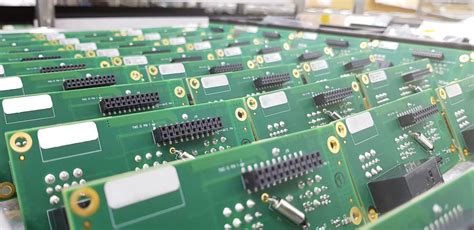
Innovations in Rogers PCB Materials for Enhanced Electronic Press Hole Performance
In the rapidly evolving field of electronics, the demand for high-performance printed circuit boards (PCBs) has never been greater. Among the various materials used in PCB manufacturing, Rogers materials have gained significant attention due to their superior electrical properties and reliability.
One of the critical aspects of PCB design and manufacturing is the creation of electronic press holes, which are essential for establishing connections between different layers of the board.
Innovations in Rogers PCB materials have significantly enhanced the performance and reliability of these electronic press holes, thereby contributing to the overall efficiency and functionality of electronic devices.
Rogers Corporation, a leader in engineered materials, has been at the forefront of developing advanced PCB materials that cater to the needs of high-frequency and high-speed applications
. The unique properties of Rogers materials, such as low dielectric constant and low loss tangent, make them ideal for applications where signal integrity is paramount. These properties are particularly beneficial in the context of electronic press holes, as they ensure minimal signal loss and distortion, which are critical for maintaining the integrity of high-speed data transmission.
Moreover, the thermal management capabilities of Rogers materials play a crucial role in enhancing the performance of electronic press holes.
As electronic devices become more compact and powerful, the heat generated during operation can pose significant challenges. Rogers materials are designed to offer excellent thermal conductivity, which helps in dissipating heat efficiently. This characteristic not only prolongs the lifespan of the PCB but also ensures that the electronic press holes maintain their structural integrity under thermal stress.
In addition to thermal management, the mechanical properties of Rogers materials contribute to the robustness of electronic press holes.
The materials are engineered to withstand mechanical stresses that occur during the manufacturing process and throughout the operational life of the PCB. This durability is essential for maintaining reliable connections between the layers of the board, especially in applications where the PCB is subjected to frequent mechanical vibrations or shocks.
Furthermore, advancements in the fabrication techniques of Rogers PCBs have also played a significant role in improving electronic press hole performance.
Precision drilling and plating technologies have been developed to create more accurate and reliable press holes. These techniques ensure that the holes are perfectly aligned and have consistent dimensions, which is crucial for maintaining electrical connectivity and minimizing signal reflection and loss.
The integration of Rogers materials with advanced fabrication techniques has opened new possibilities for the design and application of PCBs in various industries.
From telecommunications to aerospace, the enhanced performance of electronic press holes in Rogers PCBs is enabling the development of more sophisticated and reliable electronic systems. As the demand for high-speed and high-frequency applications continues to grow, the innovations in Rogers PCB materials will undoubtedly play a pivotal role in meeting these challenges.
In conclusion, the advancements in Rogers PCB materials have significantly improved the performance and reliability of electronic press holes. By offering superior electrical, thermal, and mechanical properties, these materials ensure that PCBs can meet the demanding requirements of modern electronic applications. As technology continues to advance, the ongoing innovations in Rogers materials will remain crucial in driving the development of next-generation electronic devices, ensuring that they are more efficient, reliable, and capable of meeting the ever-increasing demands of the digital age.