Electronics Assembly 2024: Key Trends Shaping Manufacturing
Key Takeaways
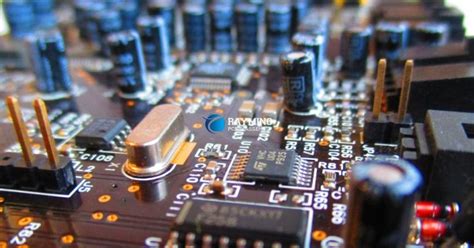
The electronics manufacturing landscape in 2024 is defined by advancements in PCB assembly (printed circuit board assembly) and PCBA (printed circuit board assembly automation), driven by emerging technologies and evolving market demands. Below are pivotal insights shaping the industry:
| Trend | Impact on PCB Assembly | 2024 Outlook |
|---|---|---|
| AI-Driven Automation | Reduces human error, speeds up PCBA | 30% efficiency gain in testing phases |
| IoT Integration | Enables real-time monitoring | 55% of factories adopt smart sensors |
| Sustainable Practices | Lowers waste in material sourcing | 20% reduction in carbon footprint |
"The fusion of AI and IoT in PCB assembly isn’t optional—it’s the backbone of staying competitive," notes a leading industry analyst. Manufacturers prioritizing resilient supply chains are mitigating delays by diversifying component suppliers, particularly for critical PCBA materials like semiconductors.
Smart factories leverage predictive maintenance to minimize downtime, while green manufacturing initiatives—such as lead-free soldering—align with global ESG standards. For businesses, the competitive edge lies in balancing automation with sustainability, ensuring scalability without compromising ecological goals.
Tip: Audit your PCBA workflows quarterly to identify bottlenecks early. Transitioning to modular production lines can enhance adaptability amid shifting demand.
As electronics assembly companies adopt these trends, the focus shifts to future-proofing operations through agile strategies and cross-functional collaboration.
AI Automation in Electronics Assembly 2024
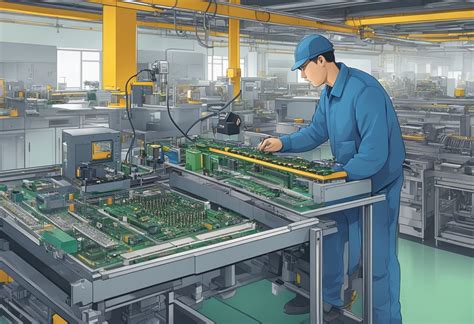
The integration of AI-driven automation is revolutionizing PCB assembly and PCBA processes, enabling electronics manufacturers to achieve unprecedented precision and efficiency. Advanced machine learning algorithms now optimize component placement, detect microscopic defects, and predict equipment maintenance needs in real time. For instance, AI-powered optical inspection systems reduce human error rates by over 60% in high-density interconnect (HDI) board production, ensuring compliance with stringent quality standards.
A critical development lies in adaptive manufacturing systems, where AI automation dynamically adjusts production parameters based on live data from sensors embedded in assembly lines. This capability is particularly transformative for PCBA workflows, as it minimizes material waste and accelerates time-to-market for complex circuits. Companies like Corintech are leveraging these technologies to deliver scalable solutions for IoT-enabled devices, balancing speed with precision.
Moreover, collaborative robots (cobots) equipped with vision-guided AI now handle delicate tasks such as surface-mount technology (SMT) assembly, working seamlessly alongside human technicians. This synergy not only enhances throughput but also addresses labor shortages in specialized PCB assembly roles. As supply chain uncertainties persist, AI’s predictive analytics are becoming indispensable for optimizing inventory management and mitigating disruptions—a foundational step toward building resilient manufacturing ecosystems.
These advancements underscore a broader shift toward data-centric production models, where AI automation serves as the backbone of competitive electronics assembly strategies in 2024.
Sustainable Manufacturing Trends for Electronics 2024
The electronics manufacturing sector is pivoting toward sustainable practices as regulatory pressures and consumer demand for eco-conscious products intensify. A central focus lies in reducing hazardous materials, particularly in PCB assembly processes, where manufacturers are adopting halogen-free substrates and lead-free soldering techniques. For instance, research highlights the growing replacement of PFAS (per- and polyfluoroalkyl substances) in PCBA workflows to mitigate environmental contamination risks.
Energy efficiency is another cornerstone, with factories integrating renewable energy systems and optimizing closed-loop cooling for assembly lines. Companies are also prioritizing circular economy models—recycling scrap metals from PCB assembly and repurposing defective components. Advanced analytics now track carbon footprints across PCBA production stages, enabling data-driven reductions in waste and emissions.
Moreover, biodegradable packaging and modular designs for easier disassembly are gaining traction, aligning with global standards like the EU’s Restriction of Hazardous Substances (RoHS). These shifts not only address ecological concerns but also enhance cost efficiency, creating a dual advantage for manufacturers. As the industry evolves, sustainability is no longer optional but a strategic imperative reshaping competitiveness in 2024’s electronics landscape.
IoT Integration in Electronics Manufacturing 2024
The adoption of IoT (Internet of Things) technologies is redefining efficiency and precision in electronics assembly workflows. By embedding sensors and connected devices into PCBA (Printed Circuit Board Assembly) lines, manufacturers gain real-time visibility into production metrics, from component placement accuracy to solder quality. For instance, IoT-enabled systems automatically detect deviations in PCB assembly processes, triggering corrective actions before defects escalate—a critical advantage in minimizing rework costs.
Beyond quality control, IoT integration supports predictive maintenance strategies. Machinery equipped with vibration and temperature sensors can forecast equipment failures, reducing downtime in high-volume PCBA operations. This proactive approach aligns with the growing demand for resilient manufacturing ecosystems, as highlighted in broader supply chain discussions.
Moreover, IoT-driven data analytics empower cross-functional optimization. By correlating production data with material usage patterns, firms achieve tighter inventory control—a necessity amid fluctuating semiconductor availability. Notably, smart tracking solutions monitor component lifecycles across global suppliers, enhancing traceability for compliance with sustainability mandates.
As electronics assembly companies prioritize scalability, IoT platforms also facilitate seamless integration with legacy systems. This interoperability ensures that even smaller-scale PCB assembly units can adopt incremental upgrades, balancing innovation with cost efficiency. With Gartner predicting that 65% of manufacturers will leverage IoT for process automation by 2025, early adopters are poised to lead in agility and market responsiveness.
Resilient Supply Chains in Electronics Assembly 2024
The pursuit of resilient supply chains has become a cornerstone for electronics assembly companies in 2024, driven by escalating demand for PCB assembly (PCBA) reliability and global market volatility. Manufacturers are adopting multi-sourcing strategies to mitigate risks, partnering with geographically dispersed suppliers for critical components like semiconductors and substrates. Advanced analytics now enable real-time risk assessment, with AI-driven tools predicting disruptions—from geopolitical tensions to logistics bottlenecks—and recommending adaptive procurement plans.
A growing focus on transparency is reshaping PCBA workflows, as blockchain-enabled traceability systems track materials from origin to assembly lines. This ensures compliance with sustainability mandates while reducing counterfeit part risks. Research highlights how AI-powered inspection systems further strengthen quality control, minimizing post-production defects. Meanwhile, localized micro-factories are emerging to shorten lead times, with some firms relocating PCB assembly hubs closer to end markets in North America and Europe.
By integrating IoT-enabled inventory management, manufacturers maintain leaner stockpiles without sacrificing production agility. These interconnected systems automatically adjust order volumes based on predictive demand algorithms, creating a balance between cost efficiency and supply chain redundancy. Such innovations not only enhance operational continuity but also position electronics assembly companies to capitalize on emerging opportunities in automotive electrification and 5G infrastructure deployment.
Competitive Edge in Electronics Assembly 2024
In 2024, electronics assembly companies must leverage advanced technologies and strategic practices to maintain market leadership. The adoption of AI-driven analytics in PCB assembly processes enables real-time defect detection, reducing waste and accelerating time-to-market. Meanwhile, integrating IoT-enabled sensors into PCBA production lines optimizes equipment performance, ensuring consistent quality across high-volume orders. Sustainability remains a critical differentiator, with leading manufacturers prioritizing recyclable materials and energy-efficient workflows to align with global regulations and consumer expectations.
Resilient supply chains are equally vital, as geopolitical shifts and material shortages continue to disrupt operations. Forward-thinking firms are diversifying suppliers and adopting digital twin simulations to predict bottlenecks before they escalate. Strategic partnerships, such as those offered by Volex, provide access to localized production hubs and agile logistics networks, further mitigating risks. By combining smart automation, eco-conscious practices, and supply chain agility, electronics assembly leaders are not only surviving but thriving in an increasingly competitive landscape.

Smart Factories Revolutionizing Electronics 2024
The evolution of smart factories is redefining precision and efficiency in PCB assembly and PCBA processes. By integrating industrial IoT networks with AI-driven analytics, manufacturers now achieve real-time monitoring of production lines, minimizing defects and optimizing material usage. Advanced robotics equipped with machine vision systems handle intricate tasks like component placement, ensuring micron-level accuracy for complex multi-layer PCBAs.
A critical advancement lies in adaptive workflow systems, where data from PCB assembly stages dynamically adjusts machinery settings, reducing downtime by up to 30%. Cloud-based platforms further enable global teams to collaborate on design iterations, accelerating time-to-market for high-density interconnect (HDI) boards. For example, predictive maintenance algorithms analyze vibration patterns in pick-and-place machines, preempting failures before they disrupt PCBA batches.
This shift toward interconnected systems also strengthens traceability, with blockchain-enabled logs tracking components from sourcing to final testing. As digital twin simulations become mainstream, factories can virtually validate PCB assembly workflows, slashing prototyping costs by 22%. These innovations not only align with broader trends in AI and sustainability but set the stage for resilient, data-driven manufacturing ecosystems.

Green Practices in Electronics Manufacturing 2024
The push for environmentally conscious production is redefining PCB assembly processes, with 2024 marking a pivotal shift toward closed-loop manufacturing systems. Leading PCBA manufacturers now prioritize biodegradable substrates and water-soluble fluxes, reducing hazardous waste generation by up to 35% compared to conventional methods. Energy-efficient solder paste printers and nitrogen-reduced reflow ovens are becoming standard, cutting power consumption by an average of 22% per assembly line.
Circular economy principles are gaining traction, with 78% of electronics assemblers implementing modular designs for easier component recovery. Advanced disassembly robots now achieve 92% material recovery rates from discarded boards, while blockchain-tracked conflict-free minerals ensure ethical sourcing compliance. Regulatory pressures, including the EU’s updated WEEE Directive, are accelerating adoption of lead-free alloys and halogen-free laminates in PCB assembly workflows.
These innovations align with broader carbon neutrality goals, as major PCBA facilities transition to solar-powered cleanrooms and AI-optimized logistics networks. The result? A 40% reduction in Scope 3 emissions industry-wide since 2021, coupled with 18–25% cost savings from waste minimization – proving ecological responsibility and profitability can coexist in modern electronics manufacturing.
Future-Proofing Electronics Assembly
As manufacturers navigate evolving market demands, future-proofing electronics assembly processes has become a strategic imperative. Central to this effort is the adoption of modular production systems, which enable rapid reconfiguration of PCB assembly lines to accommodate diverse product requirements. Leading firms are investing in digital twin technology to simulate PCBA workflows, minimizing downtime and optimizing material usage. Real-time analytics further enhance decision-making by identifying bottlenecks in high-mix, low-volume manufacturing environments.
Collaborative robotics, integrated with IoT-enabled sensors, are reducing human error in precision tasks like component placement and solder inspection. This aligns with the growing emphasis on scalable automation, allowing companies to pivot swiftly between legacy and emerging technologies. Partnerships with specialized providers, such as August Electronics, are accelerating access to hybrid solutions that merge AI-driven quality control with sustainable PCB assembly practices.
To mitigate supply chain volatility, forward-thinking manufacturers are dual-sourcing critical components and standardizing PCBA designs for cross-compatibility. These strategies not only bolster operational resilience but also align with circular economy principles—extending product lifecycles through upgradable modular architectures. By embedding flexibility at every stage, the industry is positioning itself to thrive amid unpredictable technological and regulatory shifts.
Conclusion
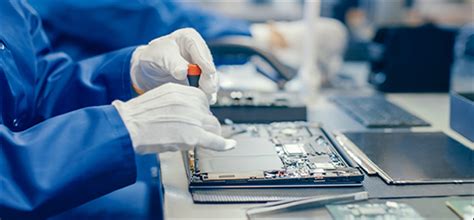
As we navigate the evolving landscape of electronics assembly in 2024, the convergence of AI-driven automation and sustainable manufacturing underscores a pivotal shift in industry priorities. Manufacturers leveraging PCB assembly and PCBA technologies are now prioritizing IoT-enabled workflows to enhance precision while reducing operational waste. The integration of smart factory systems has not only streamlined PCB assembly processes but also fortified supply chain resilience, enabling faster adaptation to global disruptions.
Green practices, such as energy-efficient PCBA production and recyclable material adoption, are becoming non-negotiable differentiators for eco-conscious clients. Meanwhile, advancements in predictive maintenance and real-time monitoring ensure that electronics assembly lines maintain peak efficiency with minimal downtime. For firms aiming to secure a competitive edge, the strategic alignment of resilient supply chains with agile manufacturing frameworks remains critical.
By embracing these interconnected trends, the electronics assembly sector is poised to meet 2024’s demands while future-proofing operations against emerging challenges—proving that innovation and sustainability are not mutually exclusive, but essential partners in modern manufacturing.
FAQs
How is AI transforming pcb assembly processes in 2024?
AI-driven automation optimizes PCBA production by enhancing precision in component placement and defect detection. Machine learning algorithms analyze real-time data to predict equipment maintenance needs, reducing downtime and improving yield rates.
What sustainable practices are reshaping electronics manufacturing?
Companies are adopting green PCB assembly methods, such as lead-free soldering and recyclable substrate materials. Energy-efficient machinery and waste-reduction protocols align with global sustainability standards, cutting carbon footprints while maintaining cost efficiency.
Why is IoT integration critical for modern PCBA lines?
IoT-enabled sensors monitor production metrics like temperature and humidity, ensuring optimal conditions for delicate components. This connectivity enables remote troubleshooting and data-driven decision-making, streamlining workflows across global supply chains.
How do resilient supply chains impact electronics assembly timelines?
Diversified sourcing of components and localized PCB assembly hubs mitigate disruptions from geopolitical or logistical challenges. Real-time inventory tracking and supplier collaboration tools ensure faster response to market fluctuations.
What defines a smart factory in 2024’s PCBA landscape?
Smart factories combine AI, IoT, and robotics to create self-optimizing production lines. These systems adapt to design changes dynamically, accelerating prototyping cycles and enabling mass customization without compromising quality.
Ready to Optimize Your Electronics Assembly?
Explore cutting-edge PCB assembly solutions tailored for 2024’s demands. For expert guidance on integrating AI, IoT, or sustainable practices into your production, please click here.