Electronics manufacturing Australia
Innovations In Electronics Manufacturing In Australia
Australia has emerged as a significant player in the global electronics manufacturing industry, driven by a combination of innovative technologies, skilled workforce, and supportive government policies. The country’s electronics manufacturing sector has seen substantial growth, underpinned by advancements in automation, precision engineering, and sustainable practices. These innovations are not only enhancing the efficiency and quality of production but also positioning Australia as a competitive hub for electronics manufacturing.
One of the key innovations in Australia’s electronics manufacturing is the integration of advanced automation technologies.
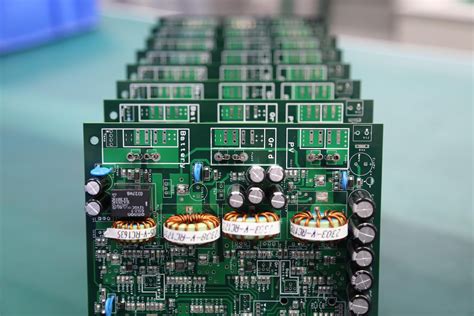
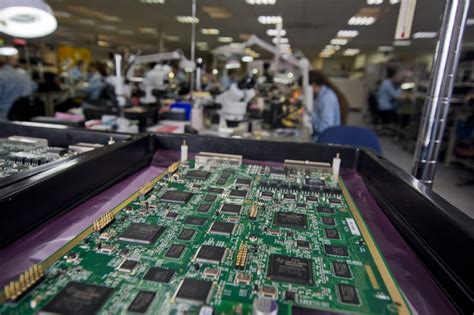
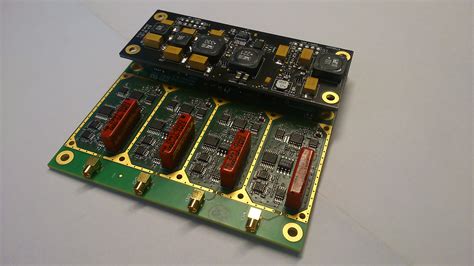
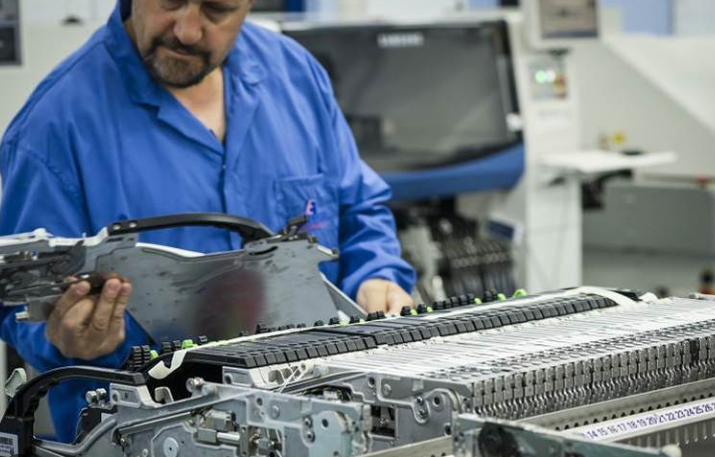
Automation has revolutionized the production process by reducing human error, increasing speed, and ensuring consistent quality. Robotics and artificial intelligence (AI) are being increasingly employed to handle complex tasks that require high precision. For instance, surface-mount technology (SMT) lines, which are crucial for assembling electronic components onto printed circuit boards (PCBs), are now largely automated. This automation allows for higher throughput and lower production costs, making Australian manufacturers more competitive on the global stage.
In addition to automation, precision engineering has played a pivotal role in the evolution of electronics manufacturing in Australia.
Precision engineering involves the design and production of components with extremely tight tolerances, which is essential for the functionality and reliability of electronic devices. Australian manufacturers have invested heavily in state-of-the-art machinery and software to achieve the high levels of precision required. This investment has enabled the production of complex and miniaturized components that are essential for modern electronics, such as smartphones, medical devices, and aerospace technology.
Sustainability is another area where Australian electronics manufacturers are making significant strides.
The industry is increasingly adopting environmentally friendly practices to reduce its carbon footprint and minimize waste. For example, many manufacturers are now using lead-free solder and other eco-friendly materials in their production processes. Additionally, there is a growing emphasis on recycling and reusing electronic components to reduce electronic waste. These sustainable practices not only benefit the environment but also align with the global shift towards greener manufacturing, thereby enhancing the reputation of Australian electronics manufacturers.
Moreover, the Australian government has been instrumental in fostering innovation within the electronics manufacturing sector.
Through various grants, tax incentives, and research and development (R&D) programs, the government has provided substantial support to manufacturers. These initiatives have encouraged companies to invest in new technologies and processes, driving continuous improvement and innovation. The collaboration between industry and academia has also been a key factor, with universities and research institutions working closely with manufacturers to develop cutting-edge technologies and solutions.
Furthermore, the skilled workforce in Australia has been a cornerstone of the country’s success in electronics manufacturing.
The education system places a strong emphasis on science, technology, engineering, and mathematics (STEM) subjects, ensuring a steady supply of highly qualified professionals. Continuous professional development and training programs help workers stay abreast of the latest technological advancements, thereby maintaining high standards of production and innovation.
In conclusion, the innovations in electronics manufacturing in Australia are multifaceted, encompassing automation, precision engineering, sustainability, government support, and a skilled workforce. These elements collectively contribute to the growth and competitiveness of the sector, positioning Australia as a key player in the global electronics manufacturing landscape. As the industry continues to evolve, it is likely that Australia will further solidify its reputation as a hub of innovation and excellence in electronics manufacturing.
The Role Of Automation In Australian Electronics Production
The role of automation in Australian electronics production has become increasingly significant as the industry strives to enhance efficiency, precision, and competitiveness on a global scale. Automation, encompassing a range of technologies such as robotics, artificial intelligence (AI), and advanced manufacturing systems, has revolutionized the way electronics are produced in Australia. This transformation is not only reshaping the manufacturing landscape but also addressing several challenges that have historically plagued the industry.
To begin with, automation has substantially improved the efficiency of electronics manufacturing processes.
Traditional manual assembly lines, which were labor-intensive and prone to human error, are being replaced by automated systems that can operate continuously with minimal supervision. These systems are capable of performing repetitive tasks with high precision, thereby reducing the likelihood of defects and ensuring consistent product quality. Consequently, manufacturers can achieve higher production rates and meet the growing demand for electronic devices more effectively.
Moreover, the integration of robotics in electronics manufacturing has led to significant advancements in precision and accuracy.
Robots equipped with sophisticated sensors and control systems can handle delicate components with exceptional care, minimizing the risk of damage during assembly. This level of precision is particularly crucial in the production of complex electronic devices, such as smartphones and medical equipment, where even minor defects can have serious implications. By leveraging automation, Australian manufacturers can produce high-quality products that meet stringent international standards, thereby enhancing their competitiveness in the global market.
In addition to improving efficiency and precision, automation also addresses the issue of labor shortages in the Australian electronics manufacturing sector.
The industry has long struggled with a shortage of skilled workers, which has hindered its growth and development. Automation offers a viable solution by reducing the reliance on manual labor and enabling manufacturers to operate with a smaller workforce. This not only alleviates the pressure on the labor market but also allows companies to allocate their human resources to more strategic and value-added activities, such as research and development.
Furthermore, the adoption of AI and machine learning in electronics manufacturing has opened new avenues for innovation and optimization.
AI-powered systems can analyze vast amounts of data generated during the production process to identify patterns and trends that may not be apparent to human operators. This data-driven approach enables manufacturers to optimize their operations, predict potential issues before they arise, and implement preventive measures to avoid costly downtime. Additionally, AI can facilitate the development of smart manufacturing systems that can adapt to changing conditions in real-time, further enhancing the flexibility and responsiveness of production lines.
However, the transition to automation is not without its challenges.
The initial investment required for implementing automated systems can be substantial, and small to medium-sized enterprises (SMEs) may find it difficult to bear these costs. Moreover, the integration of automation technologies necessitates a skilled workforce capable of managing and maintaining these systems. Therefore, it is imperative for the Australian government and industry stakeholders to collaborate on initiatives that support the adoption of automation, such as providing financial incentives, fostering partnerships between academia and industry, and investing in workforce training and development.
In conclusion, automation plays a pivotal role in the evolution of Australian electronics manufacturing. By enhancing efficiency, precision, and competitiveness, automation technologies are driving the industry forward and positioning Australia as a key player in the global electronics market. While challenges remain, the potential benefits of automation far outweigh the obstacles, making it an indispensable component of the future of electronics production in Australia.
Sustainable Practices In Australia’s Electronics Manufacturing Industry
Australia’s electronics manufacturing industry has been increasingly focusing on sustainable practices, driven by both regulatory pressures and a growing awareness of environmental responsibility. This shift towards sustainability is not merely a trend but a necessary evolution in response to the global call for reducing carbon footprints and minimizing waste. The industry is adopting various strategies to ensure that its operations are environmentally friendly, economically viable, and socially responsible.
One of the primary approaches to sustainability in Australia’s electronics manufacturing sector is the implementation of energy-efficient technologies.
\Manufacturers are investing in advanced machinery and production processes that consume less energy and produce fewer emissions. For instance, the use of renewable energy sources, such as solar and wind power, is becoming more prevalent. These renewable sources not only reduce the reliance on fossil fuels but also help in lowering greenhouse gas emissions, thereby contributing to a cleaner environment.
In addition to energy efficiency, waste management is another critical area where the industry is making significant strides.
The concept of a circular economy is gaining traction, where the focus is on reducing waste, reusing materials, and recycling end-of-life products. Companies are designing products with longer lifespans and are making them easier to disassemble and recycle. This approach not only conserves resources but also reduces the amount of electronic waste that ends up in landfills. Moreover, manufacturers are collaborating with recycling firms to ensure that electronic waste is processed responsibly and valuable materials are recovered and reused.
Furthermore, the adoption of sustainable materials is becoming a key focus in the industry.
Traditional materials, which are often harmful to the environment, are being replaced with eco-friendly alternatives. For example, biodegradable plastics and non-toxic metals are being used in the production of electronic components. This shift not only reduces the environmental impact of manufacturing processes but also ensures that the products are safer for consumers and the environment.
Another significant aspect of sustainable practices in Australia’s electronics manufacturing industry is the emphasis on supply chain sustainability.
Companies are increasingly scrutinizing their supply chains to ensure that their suppliers adhere to environmental and social standards. This includes sourcing raw materials from sustainable sources, ensuring fair labor practices, and minimizing the environmental impact of transportation. By fostering a sustainable supply chain, manufacturers can ensure that their products are not only environmentally friendly but also ethically produced.
Moreover, regulatory frameworks and government initiatives play a crucial role in promoting sustainability within the industry.
The Australian government has implemented various policies and regulations aimed at reducing the environmental impact of manufacturing activities. These include stringent emissions standards, waste management regulations, and incentives for adopting renewable energy. Compliance with these regulations not only helps in protecting the environment but also enhances the reputation of manufacturers as responsible corporate citizens.
In conclusion, sustainable practices in Australia’s electronics manufacturing industry are becoming increasingly integral to its operations. Through the adoption of energy-efficient technologies, effective waste management strategies, the use of sustainable materials, and the promotion of supply chain sustainability, the industry is making significant progress towards reducing its environmental footprint. Supported by robust regulatory frameworks and government initiatives, these efforts are paving the way for a more sustainable and responsible future for electronics manufacturing in Australia. As the industry continues to evolve, it is expected that these sustainable practices will become even more deeply embedded in its operations, setting a benchmark for other sectors to follow.
Key Players In The Australian Electronics Manufacturing Sector
Australia’s electronics manufacturing sector has evolved significantly over the past few decades, driven by technological advancements and a growing demand for innovative electronic products. Key players in this industry have not only contributed to the national economy but have also positioned Australia as a competitive player on the global stage. Among these key players, several companies and institutions stand out due to their substantial contributions and influence.
One of the foremost entities in the Australian electronics manufacturing sector is Codan Limited.
Established in 1959, Codan has built a reputation for designing and manufacturing sophisticated electronics solutions, particularly in the fields of communications, metal detection, and mining technology. The company’s commitment to research and development has enabled it to produce cutting-edge products that meet the stringent requirements of both domestic and international markets. Codan’s success is a testament to the high level of expertise and innovation present within Australia’s electronics manufacturing industry.
Another significant player is ResMed, a global leader in the development of medical devices for the treatment of sleep apnea and other respiratory conditions.
Founded in 1989, ResMed has grown to become a major force in the medical electronics sector, with a strong emphasis on improving patient outcomes through advanced technology. The company’s manufacturing operations in Australia are supported by a robust research and development framework, which ensures that ResMed remains at the forefront of medical innovation. This focus on high-quality manufacturing and continuous improvement has solidified ResMed’s position as a key player in the global medical electronics market.
In addition to these established companies, the Australian electronics manufacturing sector is also characterized by a vibrant ecosystem of smaller firms and startups.
One such example is Blackmagic Design, a company that has gained international acclaim for its high-quality video production equipment. Founded in 2001, Blackmagic Design has rapidly expanded its product range to include cameras, switchers, and other professional video equipment. The company’s success can be attributed to its ability to combine innovative design with precision manufacturing, resulting in products that are highly regarded by professionals in the film and television industry.
Furthermore, the role of research institutions and universities cannot be overlooked when discussing key players in the Australian electronics manufacturing sector.
Institutions such as the Commonwealth Scientific and Industrial Research Organisation (CSIRO) and various leading universities have been instrumental in fostering innovation and providing the necessary technical expertise to support the industry. Collaborative efforts between these institutions and private companies have led to the development of new technologies and manufacturing processes, thereby enhancing the overall competitiveness of the sector.
Moreover, government initiatives and policies have played a crucial role in supporting the growth of the electronics manufacturing industry in Australia. Programs aimed at promoting research and development, as well as providing financial incentives for manufacturing activities, have created a conducive environment for both established companies and new entrants. These initiatives have not only helped to attract investment but have also facilitated the transfer of knowledge and skills, further strengthening the industry’s capabilities.
In conclusion, the Australian electronics manufacturing sector is characterized by a diverse array of key players, ranging from established companies like Codan Limited and ResMed to innovative startups such as Blackmagic Design. The contributions of research institutions and supportive government policies have also been pivotal in driving the industry’s growth. As the sector continues to evolve, these key players will undoubtedly play a crucial role in shaping the future of electronics manufacturing in Australia, ensuring that the country remains a significant player on the global stage.