EMS PCBA: The Future of Electronics Manufacturing
EMS PCBA: The Future of Electronics Manufacturing
What is EMS PCBA?
The electronics industry is constantly evolving, and with it, the demand for high-quality printed circuit board assemblies (PCBAs) is increasing. In recent years, electronic manufacturing services (EMS) have emerged as a popular solution for companies looking to outsource their PCBA production. EMS PCBA services offer a range of benefits, including cost savings, improved quality, and faster turnaround times.
What is EMS PCBA?
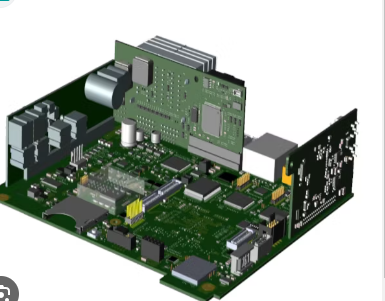
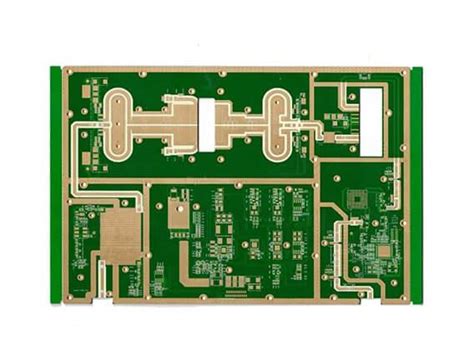
EMS PCBA refers to the process of outsourcing the production of printed circuit board assemblies to an electronic manufacturing services provider. EMS companies specialize in the design, assembly, testing, and delivery of PCBAs for a wide range of industries, including automotive, aerospace, medical, and consumer electronics.
EMS PCBA services typically include the following:
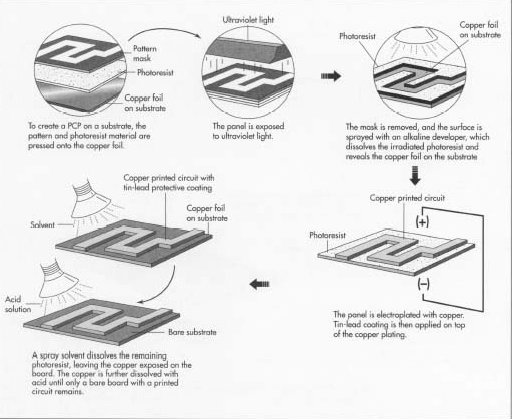
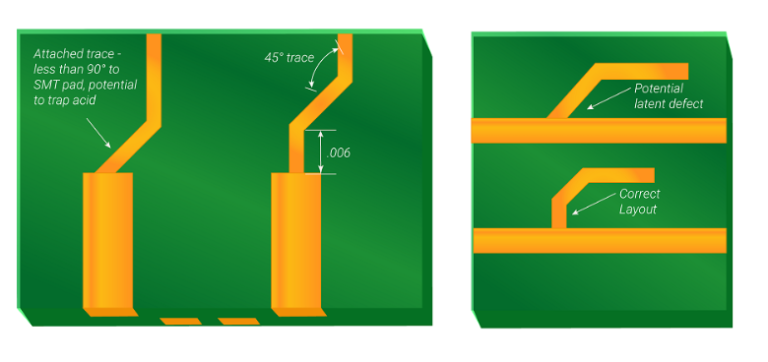
– PCB design and layout
– Component sourcing and procurement
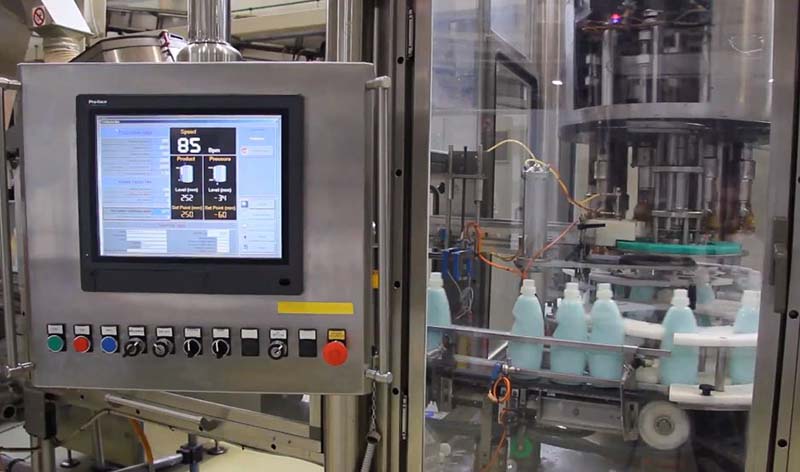
– Surface mount technology (SMT) assembly
– Through-hole assembly
– Testing and quality control
– Packaging and shipping

Benefits of EMS PCBA
There are several benefits to outsourcing PCBA production to an EMS provider:
1. Cost savings: EMS companies have the expertise and resources to optimize the PCBA production process, resulting in lower costs for their clients. By outsourcing to an EMS provider, companies can avoid the upfront investment in equipment and personnel needed to produce PCBAs in-house.
2. Improved quality: EMS providers have strict quality control processes in place to ensure that each PCBA meets the required specifications. This includes thorough testing and inspection of each component and the finished assembly.
3. Faster turnaround times: EMS providers have the capacity to produce PCBAs in large quantities and with quick turnaround times. This can be especially beneficial for companies that need to meet tight deadlines or respond quickly to changes in demand.
4. Flexibility: EMS providers can offer a range of services, from design and prototyping to full-scale production. This allows companies to choose the level of service that best meets their needs
Choosing an EMS Provider
When choosing an EMS provider for PCBA production, there are several factors to consider:
1. Experience: Look for an EMS provider with a proven track record of delivering high-quality PCBAs for your industry.
2. Capacity: Make sure the EMS provider has the capacity to meet your production needs, both in terms of volume and turnaround time.
3. Quality control: Ask about the EMS provider’s quality control processes and certifications, such as ISO 9001 or IPC-A-610.
4. Communication: Choose an EMS provider that communicates clearly and regularly throughout the production process, providing updates and addressing any concerns or issues that arise.
Conclusion
EMS PCBA services offer a range of benefits for companies looking to outsource their PCB assembly production. By partnering with an experienced EMS provider, companies can save on costs, improve quality, and benefit from faster turnaround times. When choosing an EMS provider, consider factors such as experience, capacity, quality control, and communication to ensure a successful partnership.