Enhancing Performance Through PCB Assemblies and Motherboard Design
Key Takeaways
Understanding the nuances of PCB assemblies and their design is crucial for maximizing the performance of electronic devices. The integration of efficient pcb assembly methods can significantly influence the overall functionality and reliability of the motherboard. High-quality PCBA not only ensures that components are securely placed but also optimizes signal integrity and power distribution across the board. As advancements continue in manufacturing techniques and materials, engineers must adopt best practices to keep pace with technological demands. This encompasses meticulous attention to trace layout, thermal management, and component selection in order to create a robust foundation for any electronic application.
"The implementation of innovative techniques in pcb assembly enhances not only performance but also longevity," notes industry expert Dr. Jane Smith in her recent publication.
Incorporating these strategies allows designers to craft motherboards that not only meet current standards but also adapt seamlessly to future requirements, paving the way for smarter, more efficient devices that stand up to rigorous demands.
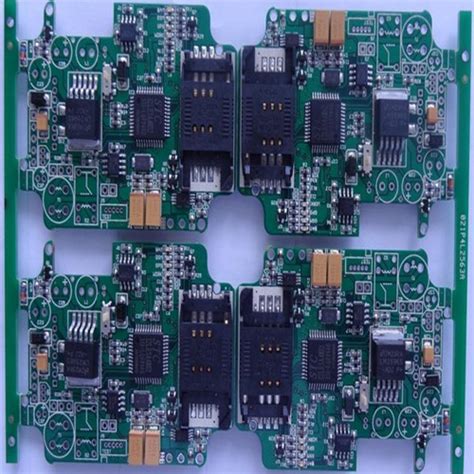
Introduction to PCB Assemblies and Motherboards
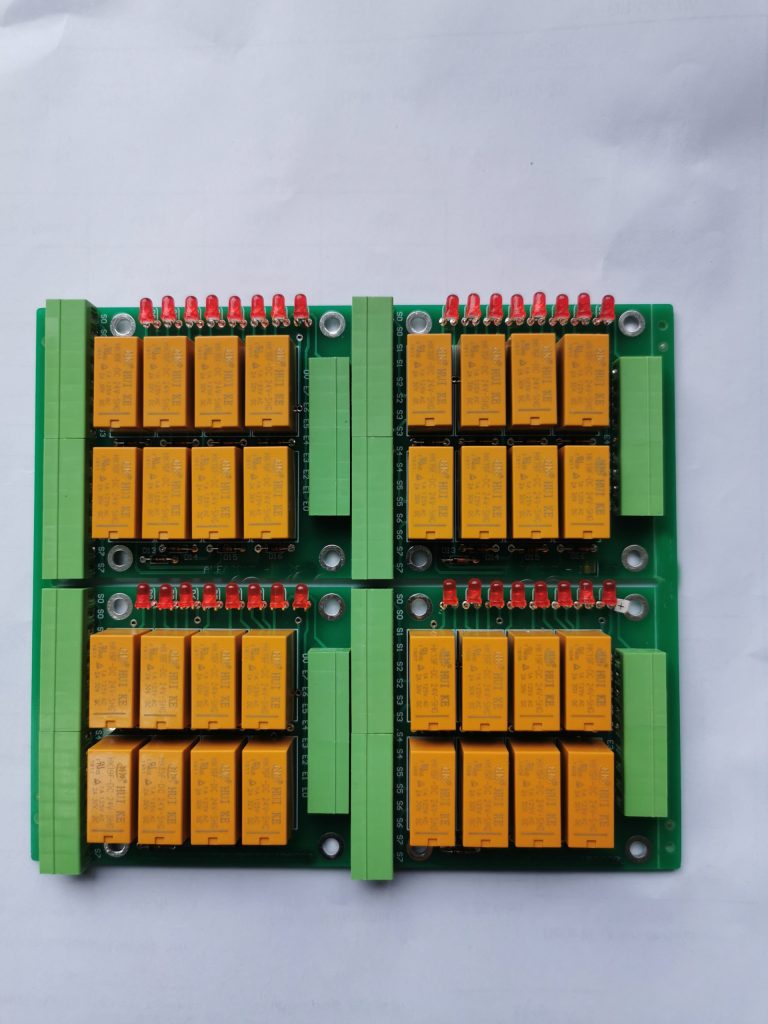
In the ever-evolving landscape of electronics, PCB assemblies and motherboards serve as the backbone of modern devices. These components are pivotal not just for functionality, but also for the overall performance and reliability of electronic systems. PCB assembly, commonly referred to as PCBA, involves the mounting of electronic components onto a pre-manufactured circuit board. This process, if executed with precision, can markedly enhance the efficiency of devices by minimizing signal loss and optimizing power consumption.
Moreover, motherboard design plays a crucial role as it dictates how components interact within an electronic system. A well-designed motherboard integrates high-speed data paths and robust power distribution, ensuring that each component functions harmoniously. As technology advances, innovative techniques in pcb assembly are emerging that allow for greater miniaturization and complexity without compromising on performance or reliability.
To illustrate the importance of these elements, consider a table summarizing key attributes essential to effective PCBA execution:
| Attribute | Importance |
|---|---|
| Component Placement | Ensures optimal signal integrity |
| Soldering Techniques | Impacts longevity and performance |
| Material Quality | Affects thermal management and electrical efficiency |
Through this comprehensive understanding of PCB assemblies and motherboards, industry professionals can adopt best practices that not only enhance product functionality but also pave the way for future innovations.
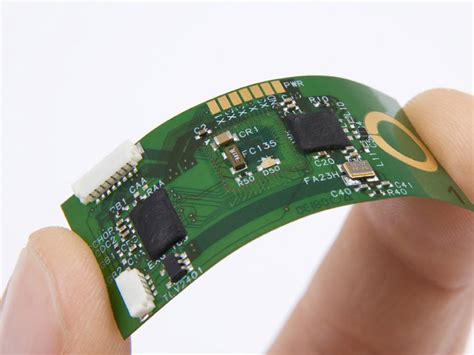
The Importance of PCB Design in Electronic Performance
The design of PCB assemblies plays a pivotal role in the overall performance of electronic devices. A well-executed PCB assembly or PCBA significantly influences signal integrity, power distribution, and thermal management, which are all critical for efficient operation. In today’s fast-paced technological landscape, where devices demand higher performance in smaller form factors, the intricacies of PCB design must be carefully considered. Utilizing advanced routing techniques and optimizing layer stacks can enhance the functionality and reliability of the assemblies. Moreover, factoring in component placement and choosing high-quality materials are essential to mitigate issues like electromagnetic interference (EMI) and thermal stress. These elements not only contribute to enhancing performance but also elevate the durability of electronic products, ensuring they can withstand various environmental conditions. Therefore, a robust design strategy for PCB assemblies is not only beneficial but crucial for achieving optimal electronic performance across diverse applications.
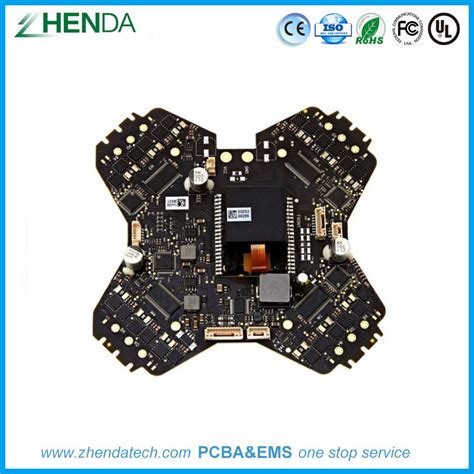
Innovative Techniques for PCB Assembly Optimization
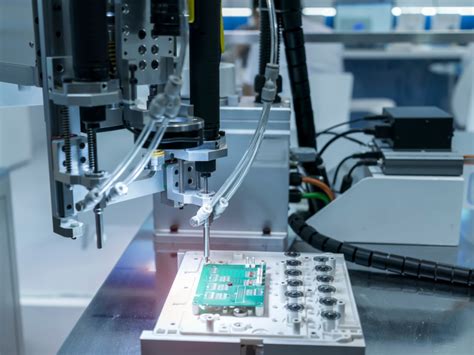
In the rapidly evolving field of electronics, PCB assembly (or PCBA) optimization becomes a crucial factor in enhancing both performance and reliability. One significant technique is the adoption of advanced automated assembly processes, which utilize robotics and specialized machinery to increase precision while reducing human error during the manufacturing of PCBs. This not only improves assembly speed but also ensures consistent quality across the production line. Additionally, employing microvia technology allows for more compact designs and greater circuit density, thereby optimizing space and enhancing the overall functionality of the motherboard. Furthermore, utilizing high-quality materials such as low-loss dielectric substrates can contribute to decreased signal loss and improved thermal management, which is vital for high-performance applications. Integrating these innovative techniques not only boosts productivity but also fosters greater design flexibility, enabling engineers to create more sophisticated electronic products that meet increasing consumer demands. As technology continues to advance, the focus on optimizing PCB assembly will play a pivotal role in shaping future developments within the electronics industry.
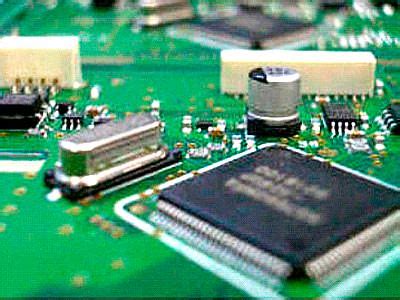
Best Practices for Motherboard Design
In the realm of electronic performance, the design of motherboards plays a pivotal role in maximizing efficiency and functionality. Several best practices can significantly enhance the effectiveness of motherboard design. First and foremost, layering is crucial; incorporating multiple layers not only optimizes space but also aids in effective power distribution and signal integrity. Utilizing advanced pcb assembly techniques during manufacturing ensures that components are correctly placed and soldered, which translates to superior reliability in performance. Furthermore, careful selection of materials can lead to improved thermal management, thereby preventing overheating and extending the lifespan of electronic devices.
Incorporating prototypes early in the design process allows for thorough testing and iteration, ensuring that any potential issues with the pcba are identified before mass production. Additionally, consideration of pathways for high-speed signals is essential; proper routing techniques reduce electromagnetic interference and crosstalk between components. Moreover, implementing design rules such as minimizing trace lengths can significantly impact data transmission speed and reliability. Ultimately, by adhering to these best practices, designers can create motherboards that not only fulfill current demands but also possess the scalability needed for future advancements in technology, fostering a robust foundation for developing innovative electronic solutions.
Recent Advancements in PCB Technology
The realm of PCB assemblies has witnessed remarkable innovations, significantly influencing the effectiveness and efficiency of electronic devices. Recent advancements in pcb assembly technologies, such as improved surface mount techniques and enhanced component reliability, have optimized the manufacturing process, leading to lower production costs and faster time-to-market. Innovations like dual-sided assembly and fine pitch technology allow for more compact pcba designs while maintaining high functionality. Furthermore, the introduction of advanced materials, including high-frequency substrates and flexible PCBs, has opened new possibilities for applications in Internet of Things (IoT) devices and telecommunications. These developments not only elevate performance but also enhance thermal management and electrical integrity within motherboard designs. Emphasizing quality control through automated inspection methods further ensures the reliability of pcb assemblies, resulting in longer product lifespans. As technology continues to evolve, staying abreast of these advancements becomes essential for engineers and manufacturers aiming to meet the growing demands of modern electronics.
Enhancing Reliability Through Robust Design Strategies
In the ever-evolving landscape of electronics, ensuring reliability in printed circuit board assemblies (PCBAs) and motherboard design is paramount. To achieve this, a focus on robust design strategies is essential. One approach is implementing rigorous testing protocols during the PCB assembly process to identify potential weak points before assembly and deployment. This can include thermal cycling tests, vibration tests, and electrical stress testing, ensuring that each component can withstand varying conditions without failure. Additionally, employing advanced materials for both PCBA and motherboards can enhance durability and performance. For example, using high-temperature solder or improved dielectric materials significantly impacts the lifespan of electronic products. Furthermore, designing with redundancy in mind—by incorporating backup pathways for critical signals—can greatly improve system reliability in case of component failures. By adhering to these strategies, manufacturers can produce PCBA solutions that not only meet but exceed performance expectations while ensuring longevity and dependable functionality in complex electronic systems.
Case Studies: Successful Implementations of Advanced PCB Assemblies
In the realm of electronics, the implementation of advanced PCB assemblies (often referred to as PCBA) is pivotal for optimizing both circuit performance and product reliability. A compelling case study involves a technology firm that integrated cutting-edge PCBA techniques into its latest smartphone model. By employing a multi-layered PCB assembly design, the company achieved significant improvements in thermal management and signal integrity, ultimately enhancing the device’s overall performance. This advanced design allowed for more efficient routing of signals and reduced electromagnetic interference, which is crucial in densely packed circuits.
Another notable example can be seen in the automotive industry, where manufacturers have begun to adopt robust PCBA solutions designed to withstand extreme environmental conditions. A particular automaker implemented a highly resilient PCB assembly, utilizing conformal coatings that protected delicate components from moisture and dust exposure. This not only improved functionality but also increased product longevity, reducing warranty claims and enhancing customer satisfaction.
These case studies exemplify how innovative approaches to PCB assemblies, such as improved materials and specialized fabrication techniques, have led to marked enhancements in electronic device performance. By focusing on such advanced PCBA implementations, companies can foster more reliable products that meet the evolving demands of technology-driven markets. Through these successful examples, it’s clear that prioritizing meticulous design and manufacturing processes in PCB assemblies lays a strong foundation for future electronic advancements.
Future Trends in Motherboard Development and Performance Enhancement
As technology continues to evolve at a rapid pace, the future trends in motherboard development and performance enhancement are increasingly focused on integrating advanced capabilities into PCB assemblies. One of the most notable trends is the shift towards modular designs, which allow for easier upgrades and replacements. As the demand for higher processing power and greater energy efficiency grows, manufacturers are exploring innovative materials and techniques for pcba (Printed Circuit Board Assembly) that can significantly reduce power consumption while maintaining high-performance standards. Furthermore, the incorporation of artificial intelligence (AI) in motherboard design is becoming more prevalent. By leveraging AI algorithms, engineers can predict performance bottlenecks and make real-time adjustments to optimize functionality. Enhanced thermal management systems are also on the horizon, ensuring that motherboards can sustain increased workloads without overheating. Overall, these advancements in pcba technology are set to redefine performance thresholds while guaranteeing reliability and longevity in electronic devices.
Conclusion
In summary, the integration of PCB assemblies and motherboard design is pivotal to the advancement of electronic performance. As technology continues to evolve, the significance of optimizing pcba processes cannot be overstated. Effective pcb assembly minimizes errors and enhances overall reliability, which are critical factors in today’s competitive market. By embracing innovative techniques and adhering to best practices in motherboard design, manufacturers can significantly improve the functionality of their products. Additionally, recent advancements in materials and technologies offer new opportunities for performance enhancement, ensuring that devices not only meet but exceed user expectations. Ultimately, a robust approach to PCB assemblies will not only lead to increased performance metrics but also guarantee long-term reliability and satisfaction in electronic devices. As we look forward, it’s essential for engineers and designers to remain adaptive and proactive in harnessing these advancements to stay ahead in this dynamic field.
FAQs
What is a PCB assembly?
A PCB assembly (often referred to as PCBA) is the process of soldering electronic components onto a printed circuit board (PCB) to create a functional electronic assembly. This assembly is crucial for ensuring that all components work together to perform the desired electronic functions efficiently.
Why are PCB assemblies important for electronic devices?
PCB assemblies are vital as they serve as the foundation for all electronic devices. A well-designed PCBA enhances performance, optimizes space, and improves reliability, ultimately contributing to the overall functionality of the device.
What innovative techniques can be used for optimizing PCB assemblies?
Innovative techniques such as surface mount technology (SMT), advanced soldering methods, and design for manufacturability (DFM) can significantly optimize PCB assemblies. These methods help in minimizing errors during assembly and improve the overall functionality of the device.
How does motherboard design impact performance?
Motherboard design plays a critical role in determining the speed, efficiency, and functional ability of hardware components. A well-structured motherboard with optimized PCB assembly ensures faster data transfer rates and more efficient communication between components.
What are some recent advancements in PCB technology?
Recent advancements in PCB technology, including flexible PCBs, advanced thermal management solutions, and multi-layer designs, have significantly enhanced performance capabilities. These developments allow manufacturers to create smaller yet more powerful devices.