Erp for pcb manufacturing
Benefits Of Implementing ERP for PCB Manufacturing
Implementing an Enterprise Resource Planning (ERP) system in Printed Circuit Board (PCB) manufacturing offers a multitude of benefits that can significantly enhance operational efficiency, product quality, and overall business performance.
One of the primary advantages of ERP systems is their ability to integrate various business processes into a single, cohesive platform.
This integration facilitates seamless communication and data sharing across different departments, such as procurement, production, inventory management, and sales. Consequently, it eliminates data silos and ensures that all stakeholders have access to real-time information, which is crucial for making informed decisions.
Moreover, ERP systems provide comprehensive visibility into the entire manufacturing process.
This transparency allows managers to monitor production workflows, identify bottlenecks, and implement corrective actions promptly. For instance, if a delay occurs in the supply chain, the ERP system can alert the relevant personnel, enabling them to take proactive measures to mitigate the impact on production schedules. This level of oversight not only improves operational efficiency but also enhances the ability to meet customer deadlines, thereby boosting customer satisfaction.
In addition to improving operational efficiency, ERP systems play a pivotal role in enhancing product quality.
By standardizing processes and ensuring adherence to industry regulations and quality standards, ERP systems help maintain consistent product quality. They enable manufacturers to track and document every stage of the production process, from raw material procurement to final product delivery. This traceability is particularly important in PCB manufacturing, where even minor defects can lead to significant issues in the final product. With an ERP system, manufacturers can quickly identify and address quality issues, reducing the likelihood of defective products reaching the market.
Furthermore, ERP systems streamline inventory management by providing accurate, real-time data on stock levels, usage rates, and lead times.
This information is invaluable for optimizing inventory levels, reducing excess stock, and minimizing stockouts. Efficient inventory management not only lowers carrying costs but also ensures that the necessary materials are available when needed, preventing production delays. Additionally, ERP systems can automate the reordering process, triggering purchase orders when stock levels fall below predefined thresholds. This automation reduces the administrative burden on staff and ensures a steady supply of materials.
Another significant benefit of ERP systems in PCB manufacturing is their ability to enhance financial management.
By integrating financial data with operational data, ERP systems provide a holistic view of the company’s financial health. This integration enables more accurate budgeting, forecasting, and financial reporting. Moreover, ERP systems can automate routine financial tasks, such as invoicing and payroll processing, reducing the risk of errors and freeing up staff to focus on more strategic activities. Enhanced financial management not only improves profitability but also supports long-term business growth.
Lastly, ERP systems support scalability and flexibility, which are essential for PCB manufacturers operating in a dynamic market environment.
As the business grows or market conditions change, the ERP system can be easily adjusted to accommodate new processes, products, or regulatory requirements. This adaptability ensures that the ERP system remains a valuable tool for managing operations, regardless of how the business evolves.
In conclusion, the implementation of an ERP system in PCB manufacturing offers numerous benefits, including improved operational efficiency, enhanced product quality, streamlined inventory management, better financial oversight, and increased scalability. By integrating various business processes into a single platform, ERP systems provide the transparency and control needed to drive continuous improvement and maintain a competitive edge in the market.
Key Features To Look For In An ERP System For PCB Manufacturing
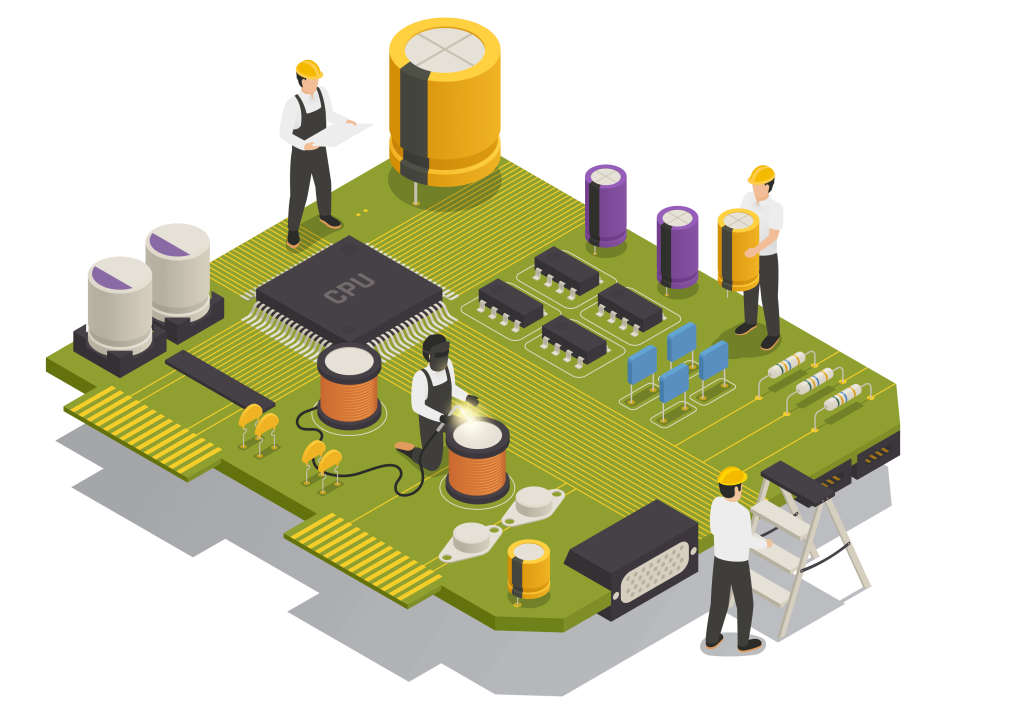
When selecting an Enterprise Resource Planning (ERP) system for Printed Circuit Board (PCB) manufacturing, it is crucial to consider several key features that can significantly enhance operational efficiency and productivity. The unique demands of PCB manufacturing necessitate an ERP system tailored to address specific industry challenges, ensuring seamless integration and optimization of various processes.
One of the primary features to look for in an ERP system for PCB manufacturing is robust production planning and scheduling capabilities.
Given the complexity of PCB production, which often involves multiple stages and intricate processes, an ERP system must offer advanced tools for planning and scheduling. This includes the ability to manage production workflows, allocate resources efficiently, and predict potential bottlenecks. By providing real-time visibility into production schedules, the ERP system can help manufacturers optimize their operations, reduce lead times, and improve overall productivity.
Another critical feature is comprehensive inventory management.
PCB manufacturing requires precise control over a wide range of materials, components, and finished products. An effective ERP system should offer detailed tracking of inventory levels, enabling manufacturers to maintain optimal stock levels and avoid shortages or excesses. Additionally, the system should support just-in-time (JIT) inventory practices, which can minimize holding costs and reduce waste. By integrating inventory management with other modules, such as procurement and production, the ERP system ensures a cohesive approach to material handling and resource allocation.
Quality control is another essential aspect of PCB manufacturing that an ERP system must address.
Given the high standards required in the electronics industry, an ERP system should include robust quality management features. This encompasses tools for tracking and managing quality inspections, non-conformance reports, and corrective actions. By providing real-time data on quality metrics, the ERP system can help manufacturers identify and address issues promptly, ensuring that products meet stringent quality standards and reducing the risk of defects.
Furthermore, traceability is a vital feature for PCB manufacturers, as it allows for the tracking of materials and components throughout the production process.
An ERP system should offer comprehensive traceability features, enabling manufacturers to trace the origin and history of each component used in the production of PCBs. This is particularly important for compliance with industry regulations and standards, as well as for managing recalls or addressing customer concerns. By maintaining detailed records of each production batch, the ERP system enhances transparency and accountability.
In addition to these features, an ERP system for PCB manufacturing should also support seamless integration with other enterprise systems and technologies.
This includes integration with Computer-Aided Design (CAD) software, Manufacturing Execution Systems (MES), and other specialized tools used in PCB production. By facilitating data exchange and interoperability between different systems, the ERP system can streamline workflows, reduce data silos, and enhance overall efficiency.
Moreover, the ERP system should offer robust reporting and analytics capabilities. In the fast-paced world of PCB manufacturing, access to real-time data and insights is crucial for informed decision-making. An effective ERP system should provide customizable dashboards and reports, enabling manufacturers to monitor key performance indicators (KPIs), track production metrics, and identify trends. By leveraging data analytics, manufacturers can gain valuable insights into their operations, identify areas for improvement, and make data-driven decisions to enhance performance.
Lastly, user-friendliness and scalability are important considerations when selecting an ERP system for PCB manufacturing.
The system should be intuitive and easy to use, ensuring that employees can quickly adapt to the new platform. Additionally, the ERP system should be scalable, allowing manufacturers to expand their operations and add new functionalities as needed. This ensures that the ERP system can grow with the business, providing long-term value and support.
In conclusion, selecting the right ERP system for PCB manufacturing involves careful consideration of several key features, including production planning, inventory management, quality control, traceability, integration capabilities, reporting and analytics, user-friendliness, and scalability. By choosing an ERP system that addresses these critical aspects, PCB manufacturers can optimize their operations, enhance productivity, and maintain high standards of quality and compliance.
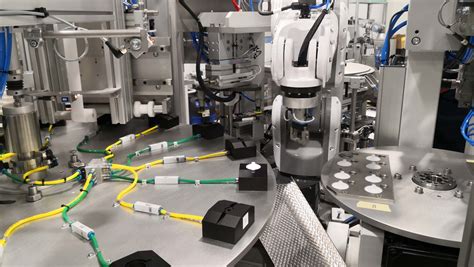
How ERP Enhances Supply Chain Management In PCB Manufacturing
In the realm of printed circuit board (PCB) manufacturing, the integration of Enterprise Resource Planning (ERP) systems has become a pivotal factor in enhancing supply chain management. The complexity of PCB production, which involves numerous stages from design to delivery, necessitates a streamlined approach to manage resources, inventory, and logistics effectively. ERP systems offer a comprehensive solution by integrating various business processes into a unified platform, thereby facilitating better coordination and efficiency.
One of the primary ways ERP systems enhance supply chain management in PCB manufacturing is through improved inventory control.
By providing real-time visibility into inventory levels, ERP systems enable manufacturers to maintain optimal stock levels, reducing the risk of overstocking or stockouts. This real-time data allows for more accurate demand forecasting, ensuring that materials are available when needed without incurring unnecessary holding costs. Consequently, manufacturers can respond more swiftly to changes in demand, thereby improving customer satisfaction and reducing lead times.
Moreover, ERP systems play a crucial role in supplier management.
By centralizing supplier information and automating procurement processes, ERP systems help manufacturers establish stronger relationships with their suppliers. This centralization allows for better tracking of supplier performance, enabling manufacturers to identify and address issues promptly. Additionally, automated procurement processes reduce the likelihood of human error and ensure that purchase orders are generated and processed efficiently. This leads to more reliable supply chains, as manufacturers can depend on timely deliveries of high-quality materials.
Another significant advantage of ERP systems in PCB manufacturing is the enhancement of production planning and scheduling.
ERP systems provide detailed insights into production capacities, machine availability, and workforce allocation. This information is crucial for creating realistic production schedules that maximize efficiency and minimize downtime. By aligning production schedules with material availability and demand forecasts, manufacturers can optimize their production processes, leading to increased throughput and reduced operational costs.
Furthermore, ERP systems facilitate better quality control throughout the supply chain.
By integrating quality management modules, ERP systems enable manufacturers to monitor and manage quality at every stage of production. This integration ensures that any deviations from quality standards are detected early, allowing for corrective actions to be taken promptly. As a result, manufacturers can maintain high-quality standards, reduce waste, and minimize the risk of costly recalls or rework.
In addition to these benefits, ERP systems also enhance supply chain visibility and traceability.
By providing a single source of truth for all supply chain data, ERP systems enable manufacturers to track the movement of materials and products throughout the supply chain. This visibility is particularly important in PCB manufacturing, where traceability is crucial for compliance with industry regulations and standards. With ERP systems, manufacturers can quickly trace the origin of materials, monitor production processes, and track the delivery of finished products. This level of traceability not only ensures compliance but also enhances transparency and accountability within the supply chain.
In conclusion, the implementation of ERP systems in PCB manufacturing significantly enhances supply chain management by improving inventory control, supplier management, production planning, quality control, and supply chain visibility. By integrating various business processes into a unified platform, ERP systems enable manufacturers to operate more efficiently, respond more swiftly to changes in demand, and maintain high-quality standards. As the PCB manufacturing industry continues to evolve, the adoption of ERP systems will undoubtedly play a critical role in driving operational excellence and competitive advantage.
Case Studies: Successful ERP Integration In PCB Manufacturing Companies
In the realm of printed circuit board (PCB) manufacturing, the integration of Enterprise Resource Planning (ERP) systems has proven to be a transformative force. Several companies have successfully implemented ERP solutions, leading to significant improvements in efficiency, cost management, and overall operational effectiveness. By examining these case studies, we can gain a deeper understanding of how ERP systems can be effectively integrated into PCB manufacturing processes.
One notable example is the case of a mid-sized PCB manufacturer that faced challenges in managing its complex supply chain and production schedules.
Prior to ERP integration, the company relied on disparate systems and manual processes, which often resulted in delays, errors, and increased operational costs. By adopting a comprehensive ERP solution, the company was able to streamline its operations, from procurement and inventory management to production planning and quality control. The ERP system provided real-time visibility into the supply chain, enabling the company to make informed decisions and respond swiftly to market demands. As a result, the company reported a 20% reduction in lead times and a 15% decrease in production costs within the first year of ERP implementation.
Similarly, another PCB manufacturer, specializing in high-volume production, faced difficulties in maintaining consistent product quality and meeting stringent industry standards.
The integration of an ERP system allowed the company to implement robust quality management processes, including automated inspections and real-time monitoring of production parameters. This not only ensured compliance with industry regulations but also significantly reduced the incidence of defects and rework. The ERP system’s analytics capabilities enabled the company to identify and address root causes of quality issues, leading to continuous improvement in product quality. Consequently, the company experienced a 25% reduction in defect rates and a 30% increase in customer satisfaction.
In another instance, a PCB manufacturer with a global footprint sought to enhance its collaboration and communication across multiple production sites.
The implementation of a cloud-based ERP system facilitated seamless data sharing and coordination among different locations. This enabled the company to optimize resource allocation, balance workloads, and ensure consistent production standards across all sites. The ERP system’s integrated communication tools also improved collaboration between engineering, production, and sales teams, leading to faster product development cycles and quicker response times to customer inquiries. As a result, the company achieved a 15% increase in production efficiency and a 20% improvement in on-time delivery rates.
Moreover, a small PCB manufacturer, focused on custom and prototype production, leveraged ERP integration to enhance its agility and responsiveness to customer needs. The ERP system’s flexible configuration allowed the company to quickly adapt to changing customer requirements and manage a diverse range of projects simultaneously. By automating order processing and production scheduling, the company was able to reduce lead times and improve order accuracy. The ERP system’s customer relationship management (CRM) module also provided valuable insights into customer preferences and buying patterns, enabling the company to tailor its offerings and strengthen customer relationships. This led to a 30% increase in repeat business and a 20% growth in overall sales.
These case studies underscore the significant benefits that ERP integration can bring to PCB manufacturing companies. By providing a unified platform for managing various aspects of the production process, ERP systems enable manufacturers to achieve greater efficiency, quality, and customer satisfaction. The successful implementation of ERP solutions in these companies serves as a testament to the transformative potential of technology in the PCB manufacturing industry. As more companies recognize the value of ERP systems, it is likely that we will continue to see widespread adoption and further advancements in this field.