Essential Guide to Circuit Board Assembly Services
Key Takeaways
Understanding pcb assembly and the nuances of pcba can greatly influence the success of electronic projects. Central to this is recognizing the importance of selecting a high-quality service provider. Opting for professional circuit board assembly services ensures that critical processes, such as soldering, component placement, and inspection, are executed with precision. This not only enhances the reliability of the final product but can also lead to reduced production times and costs. Additionally, a well-executed pcba helps in minimizing potential failures during product deployment, thus safeguarding your investment. When evaluating potential providers, it’s essential to consider their experience, technology used, and quality control practices. Remember that a thorough understanding of these elements will empower you to make informed decisions that ultimately benefit your project’s efficiency and success. Stay aware of emerging trends and technological advancements that can further streamline circuit board assembly, keeping your projects competitive in an ever-evolving market.
Introduction to Circuit Board Assembly Services
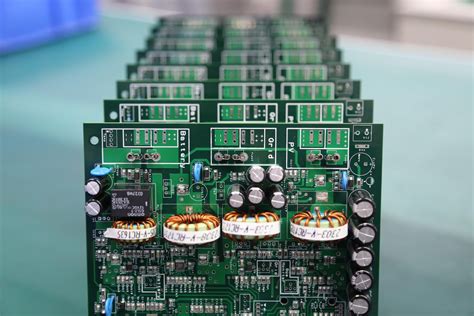
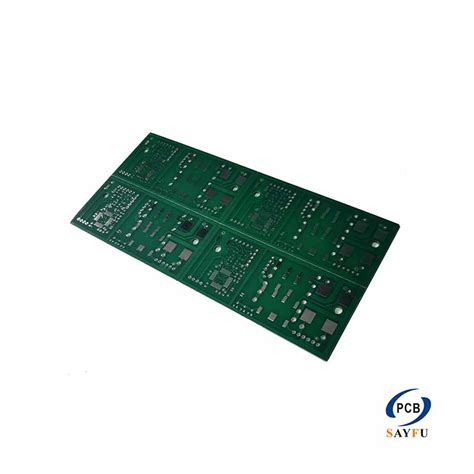
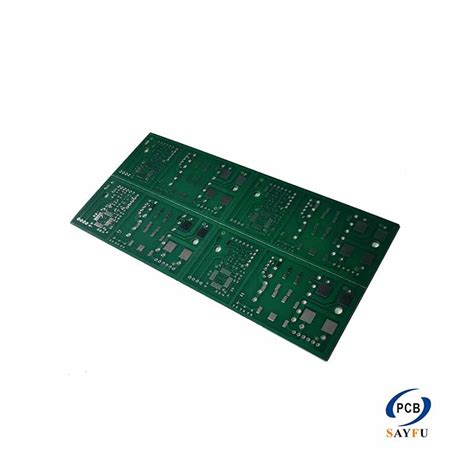
Circuit board assembly, often referred to as PCBA, is a pivotal process in the manufacturing of electronic devices. It involves the integration of electronic components onto a printed circuit board (PCB) to create functional electronic assemblies. The importance of PCB assembly lies not just in its role as a backbone for various electronics, but also in the precision and quality that these assemblies deliver, directly impacting the performance and reliability of end products.
In understanding circuit board assembly services, it is essential to appreciate the various steps involved, starting from design and prototyping to assembly and testing. Each phase requires meticulous attention to detail and adherence to industry standards, ensuring that the final product meets both performance specifications and regulatory requirements. For businesses aiming for optimal efficiency in their projects, selecting reputable pcba service providers can make a significant difference.
“Choosing the right assembly service is crucial; it ensures that your components are not only assembled correctly but also tested for functionality before they reach consumers.”
As you delve deeper into this topic, consider factors such as technological capabilities, experience in your specific industry, and client references when evaluating potential service providers. The goal is to strike a balance between cost-effectiveness and high quality, guaranteeing that your electronic projects can stand up to market demands while minimizing risks associated with poor assembly practices.
Ultimately, staying informed about advancements in circuit board assembly services will empower you to make better decisions for your electronic endeavors. Engaging with experts can facilitate a deeper understanding of how cutting-edge technology influences assembly efficiency and product longevity.
Key Processes in Circuit Board Assembly
The process of pcb assembly or PCBA involves several critical stages that ensure the final product meets the necessary quality and functionality standards. At the outset, design is paramount; engineers must create a schematic layout that defines how components will be positioned and connected on the circuit board. This design is then translated into a detailed bill of materials (BOM) that lists all components required for assembly.
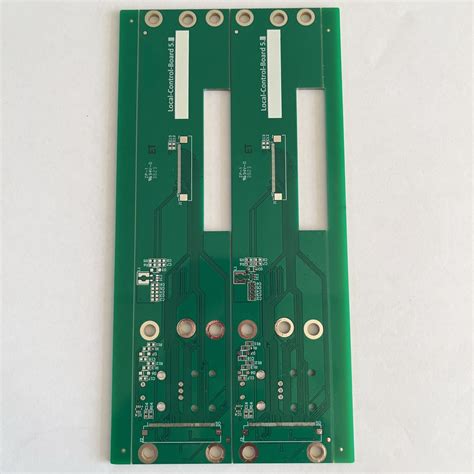
Next, the manufacturing of bare circuit boards takes place, where substrates are prepared to serve as the foundation for assembly. This is followed by component placement, where surface mount technology (SMT) or through-hole technology is used to position electronic components accurately on the board.
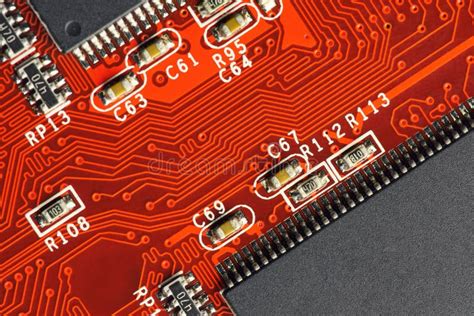
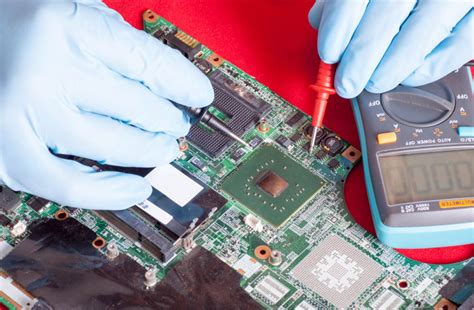
Once all components are placed, the assembly undergoes soldering, which can include techniques such as reflow for SMT or wave soldering for through-hole components. After soldering, it’s essential to perform thorough inspection and testing. This can be conducted using automated optical inspection (AOI) systems or X-ray inspection to detect any defects before the boards are sent to customers.
| Process Stage | Description |
|---|---|
| Design | Creation of schematic and BOM |
| Bare Board Manufacturing | Fabrication of unpopulated circuit boards |
| Component Placement | Accurate placement using SMT or through-hole techniques |
| Soldering | Connecting components using reflow or wave soldering |
| Inspection and Testing | Quality checks utilizing AOI or X-ray inspection |
Each step in this intricate process plays a vital role in delivering a reliable pcba product that meets industry standards and fulfills customer expectations. Ultimately, understanding these key processes can aid businesses in selecting a professional assembly service provider who can deliver precision and quality in their electronic projects.
Benefits of Professional Assembly Services
Utilizing professional pcb assembly services offers numerous advantages that can significantly enhance the quality and reliability of electronic products. First and foremost, these services ensure precision in the assembly process. With the integration of advanced machinery and skilled technicians, pcba providers deliver high-quality results that reduce errors often associated with manual assembly. This level of expertise not only optimizes the performance of the final product but also minimizes potential repairs and recalls, ultimately saving costs in the long run. Additionally, professional assembly services are equipped to handle complex designs that may be challenging for in-house teams. By leveraging specialized knowledge regarding component compatibility and soldering techniques, businesses can achieve superior outcomes for intricate circuit board layouts.
Moreover, partnering with a reputable assembly service enables companies to scale their production efficiently. As demand fluctuates, outsourcing circuit board assembly allows businesses to adjust their capacity without the need for substantial upfront investment in machinery or personnel. This flexibility can enhance a company’s competitive edge in rapidly changing markets. Lastly, professional service providers often offer value-added services such as testing and quality assurance, further assuring that each unit meets stringent industry standards before it reaches consumers. In an ever-evolving technological landscape, harnessing the benefits of professional pcb assembly is essential for companies aiming to deliver exceptional electronic products that align with customer expectations.

Factors to Consider When Choosing a Provider
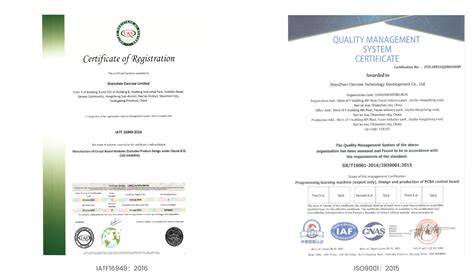
Selecting the right provider for pcb assembly or pcba services can significantly impact the success of your electronic projects. First and foremost, consider the provider’s experience and expertise in the industry. A company with a strong track record can offer insights into best practices and potential pitfalls. Look for certifications that demonstrate adherence to industry standards, as this reflects their commitment to quality. Additionally, examine the technology and equipment they use. Advanced machinery often translates into higher precision and reliability in assembly processes.
Another important factor is lead time. Evaluate how quickly the provider can complete your project while maintaining quality; timely delivery is crucial for keeping your development schedule on track. Furthermore, consider the range of services offered. A comprehensive provider that handles everything from prototyping to full-scale production can simplify communication and logistical challenges.
Cost is always a significant aspect, but it should not be your sole determinant. Focus on the overall value provided; sometimes a higher investment leads to better materials and superior craftsmanship, which can save money in the long run by avoiding costly revisions or failures. Lastly, don’t underestimate the importance of customer support. A responsive team that can address your queries promptly fosters a smoother collaboration and ensures that you’re kept informed throughout every stage of production.
In summary, when evaluating providers for pcb assembly, it’s vital to assess experience, technology, turnaround times, service comprehensiveness, cost versus value relationship, and support available—these factors together guide you toward making an informed decision that aligns with your project’s needs and goals.
Tips for Ensuring Quality in Assembly
When embarking on a journey to secure high-quality pcb assembly services, a few actionable tips can significantly aid in optimizing your results. Firstly, it’s crucial to thoroughly evaluate potential service providers. Look for companies with a solid track record and positive customer testimonials. This feedback can often reflect the level of professionalism and expertise in their processes, ensuring they are well-equipped to handle your specific needs.
Secondly, understanding the various stages of the pcba process will empower you to make informed decisions throughout the project. This includes everything from design reviews to prototype testing and final assembly stages. Each phase is an opportunity to validate quality, so don’t hesitate to ask for detailed reports or updates during these crucial steps.
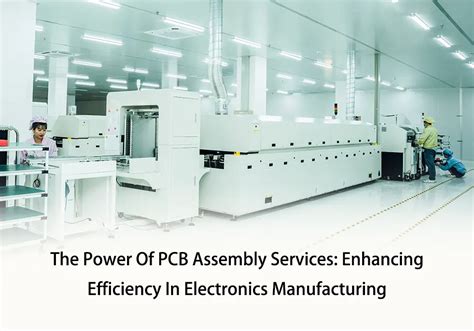
Moreover, consider the technology and equipment used by your chosen provider. Modern circuit board assembly requires advanced machinery and state-of-the-art techniques to achieve precise soldering and component placement. A provider that invests in such technology will likely maintain better quality control.
Lastly, open communication is essential; establish a dialogue from the start, continuing through completion. Regular interactions can help clarify expectations and promptly address any issues that may arise. By focusing on these key aspects—evaluating providers carefully, understanding the assembly process, checking technological capabilities, and maintaining communication—you can significantly enhance the likelihood of achieving high-quality outcomes for your pcb assembly projects.
Common Challenges and Solutions in Circuit Board Assembly
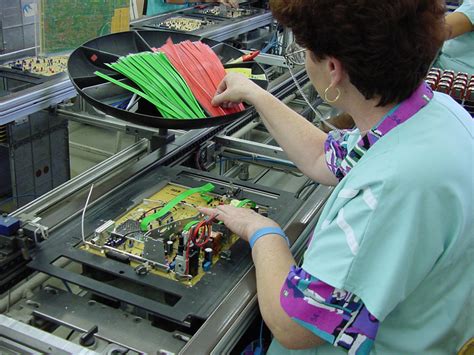
In the realm of pcb assembly services, several challenges can arise during the assembly process, potentially impacting project timelines and costs. One common challenge is the management of supply chain issues, which can lead to delays in obtaining necessary components. To mitigate this, maintaining strong relationships with multiple suppliers and utilizing forecasting tools can enhance reliability. Another issue frequently encountered is design complexity, which can complicate the pcba process. By incorporating Design for Manufacturability (DFM) principles early in the design phase, teams can streamline assembly and reduce errors. Additionally, ensuring proper documentation throughout the assembly process is crucial to uphold quality standards; inadequate documentation may lead to miscommunications or oversight during production. To address this challenge, adopting a robust quality management system that emphasizes consistent documentation practices can significantly improve overall efficiency. Finally, another vital concern is test coverage, as inadequate testing protocols may allow defective boards to pass through unnoticed. Implementing thorough testing methodologies—including Automated Optical Inspection (AOI) and Functional Testing—ensures that each circuit board meets quality expectations before delivery. By recognizing these challenges and proactively employing effective solutions, companies can enhance their circuit board assembly capabilities and achieve successful outcomes for their electronic projects.
Future Trends in Circuit Board Assembly Services
As technology continues to advance at a rapid pace, the pcb assembly industry is experiencing significant transformations that are shaping the future of pcba services. One of the most notable trends is the increasing integration of automation in assembly processes. Automated assembly systems not only enhance efficiency but also improve precision, reducing the likelihood of human error. In addition, manufacturers are adopting smart manufacturing principles, leveraging data analytics and the Internet of Things (IoT) to optimize their operations and predict maintenance needs.
Sustainability is another key trend influencing circuit board assembly services. As environmental concerns grow, many service providers are looking for ways to reduce waste and minimize their carbon footprint. This includes using lead-free solder and eco-friendly materials that comply with global regulations. Furthermore, there’s a movement towards circular economy practices where components are designed for reuse and recycling.
The demand for miniaturization is also on the rise, prompting innovations in design and materials used in pcb assembly. Smaller devices require more complex layouts, pushing manufacturers to develop advanced techniques such as 3D printing and surface-mount technology. These methods not only allow for greater flexibility in design but also enhance thermal management properties.
Lastly, as global supply chains face challenges such as resource shortages and shipping delays, there is a growing emphasis on local sourcing for materials used in pcba production. This shift not only mitigates risk but also supports regional economies.
Overall, staying abreast of these trends will be crucial for businesses looking to remain competitive in the evolving landscape of circuit board assembly services. Investing in modern technology and sustainable practices will empower companies to deliver high-quality products while meeting consumer demands effectively.
Conclusion
In summary, understanding pcb assembly services is crucial for anyone involved in electronic projects. These services, often referred to as pcba, play a significant role in transforming your innovative ideas into functional products. Throughout this guide, we have explored essential aspects such as the key processes involved in the assembly, the myriad benefits of opting for professional services, and the factors to consider when selecting a service provider. Additionally, we’ve examined tips for ensuring quality in assembly and addressed common challenges that one might face during the process. Staying informed about future trends in pcb assembly will help you adapt and remain competitive within this rapidly evolving industry. By applying this knowledge and utilizing high-quality pcba services, you can enhance the performance and reliability of your electronic devices, ultimately leading to greater success in your projects.
FAQs
What is PCB assembly?
PCB assembly, or PCBA, refers to the process of assembling electronic components onto a printed circuit board (PCB). This process is crucial for creating functional electronic devices and involves several steps, including soldering components, testing, and sometimes programming.
Why should I choose professional PCB assembly services?
Engaging professional pcb assembly services ensures higher efficiency and quality. Experienced providers possess the expertise to minimize errors during assembly, which can lead to cost savings in the long run by reducing rework and improving overall product reliability.
What factors should I consider when selecting a PCB assembly service provider?
When selecting a pcba service provider, consider factors such as their experience in the industry, quality certifications, turnaround time, pricing structure, and customer support. It’s essential to choose a provider who aligns with your project’s specific requirements to guarantee success.
How can I ensure quality in my PCB assembly?
To ensure quality in your pcb assembly, it is advisable to implement stringent quality control measures. This can include setting comprehensive testing protocols, requesting detailed reports from your service provider after production, and ensuring that you have clear communication throughout the process.
What common challenges occur in PCB assembly?
Some common challenges in pcba include component misalignment, improper soldering techniques, and discrepancies in component availability. Addressing these challenges often requires proactive planning and robust communication with your chosen service provider.