Essential Guide to Custom PCB Fabrication Techniques
Key Takeaways
When delving into custom PCB fabrication, it is essential to grasp the core concepts of the process, particularly the dynamics of pcb manufacturing. Understanding how various pcb manufacturing companies operate can give you insight into their methodologies and innovation capabilities. Key factors that influence pcb manufacturing cost include material choices, design complexity, and production volume, which all play critical roles in shaping your project’s overall budget.
Furthermore, the relationship between emerging trends in technology and the pcb manufacturing business cannot be overlooked. As you explore different strategies for your PCB projects, consider innovative approaches that can enhance performance while also streamlining processes. Staying informed about these trends will not only help you optimize your PCB design but also position you well within a competitive market.
| Factor | Impact on Cost | Considerations |
|---|---|---|
| Material Selection | High | Choice of substrates and finishes |
| Design Complexity | Moderate to High | Layer count and routing |
| Production Volume | Low to High | Bulk discounts vs prototypes |
| Technologies Used | Varies | Advanced techniques vs standard |
By keeping these key takeaways in mind, you can effectively navigate the complexities of custom PCB fabrication and make informed decisions that enhance both efficiency and performance.
Understanding the Basics of Custom PCB Design
When diving into the realm of custom PCB design, it’s essential to understand the foundational aspects that shape your projects. Your journey begins with a clear conception of what the PCB manufacturing process entails. Whether you are working with established pcb manufacturing companies or venturing into creating your own pcb manufacturing business, knowledge of the design intricacies can significantly influence your project.
Start by considering the layout, which involves arranging components intelligently on the board. Routing traces to connect these components while minimizing interference is crucial for enhancing performance. Additionally, materials play a vital role: selecting quality substrates can impact both functionality and durability, directly affecting the pcb manufacturing cost.
While designing, keep in mind that flexibility and efficiency are key. A well-designed PCB reduces waste, thereby optimizing production time and expenses in your pcb manufacturing endeavors. As you navigate this journey, remember that adopting modern tools and software can streamline your design process.
“Investing time in understanding these fundamentals can lead to significant improvements in both performance and cost-efficiency.”
By grasping these essential concepts, you’ll build a solid foundation for creating high-quality custom PCBs that stand out in a competitive market.
Key Materials and Components for PCB Fabrication
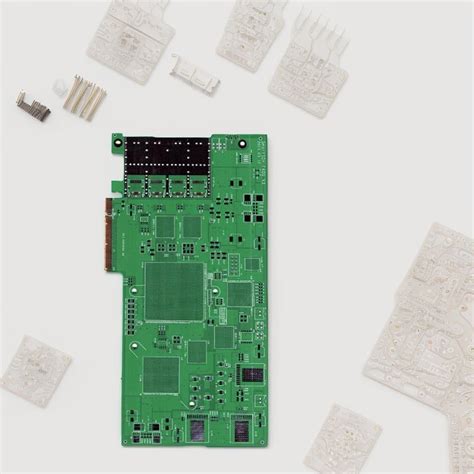
When embarking on custom PCB fabrication, understanding the key materials and components involved is crucial for achieving optimal performance. One of the primary materials is copper, which serves as the conductive layer on your PCB. The thickness of this copper plays a significant role in determining the pcb manufacturing cost since thicker layers generally enhance current-carrying capacity but also increase materials expenditure. Next, you’ll want to consider the substrate, commonly made from FR-4, a type of fiberglass-reinforced epoxy resin known for its durability and thermal stability. In addition to these primary materials, you must select appropriate solder masks and surface finishes that protect your circuits from oxidation and environmental factors as well.
Furthermore, incorporating high-quality components such as resistors, capacitors, and integrated circuits is essential. The compatibility of these components with your pcb manufacturing business can have a direct impact on the overall reliability of your electronic devices. Additionally, new trends in innovative materials—such as high-frequency laminates—are becoming commonplace among leading pcb manufacturing companies, enabling designers to create PCBs that maintain performance at higher frequencies.
Overall, taking the time to understand these fundamental materials will not only streamline your design process but also contribute significantly to optimizing efficiency throughout the entire pcb manufacturing process. This foresight ensures that you are well-prepared to tackle any challenges that may arise during fabrication while maintaining a sharp focus on performance and cost-effectiveness.
Innovative Manufacturing Processes in Custom PCBs
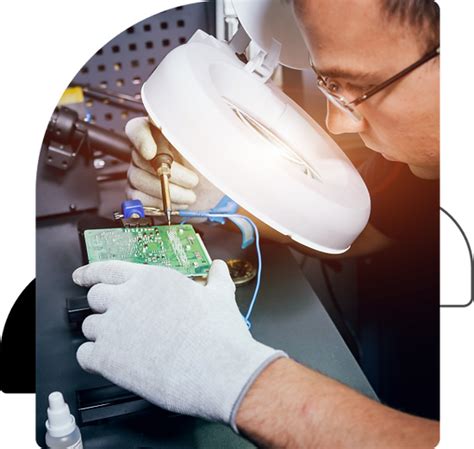
In the world of custom PCB fabrication, staying ahead of the competition requires a clear understanding of innovative manufacturing processes that can streamline production while enhancing quality. You will find that pcb manufacturing involves various techniques that improve precision and reduce costs. For instance, methods like laser etching and automated assembly have revolutionized the way PCBs are produced, allowing for intricate designs that were previously unfeasible. Additionally, engaging with reputed pcb manufacturing companies can provide access to advanced technologies such as 3D printing for rapid prototyping, enabling quicker iterations and reducing pcb manufacturing cost significantly.
These modern processes not only increase efficiency but also enhance performance in your electronic projects. Exploring these innovative techniques enables you to make informed decisions regarding your own pcb manufacturing business by choosing processes that fit within your budget and production timelines. Furthermore, by employing these cutting-edge methods, you can ensure that your custom PCBs meet high standards of quality and functionality—factors that play a crucial role in the success of your electronic designs. Embrace these advancements to stay competitive and drive excellence in all aspects of PCB fabrication.
Design Considerations for High-Performance PCBs
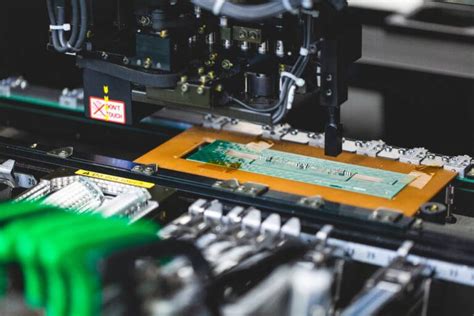
When embarking on the journey of custom PCB fabrication, it’s crucial to understand the specific design considerations that contribute to high-performance PCBs. Start by evaluating the pcb manufacturing process you plan to use, as different techniques can significantly affect your final product. Choosing the right materials is essential; for instance, high-frequency applications may benefit from low-loss substrates, while thermal management is critical for power devices. Work closely with pcb manufacturing companies to ensure that your designs utilize materials that align with your function requirements.
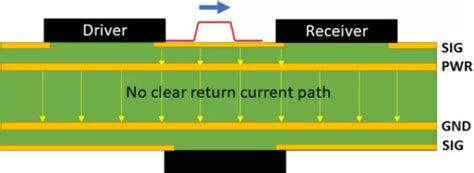
Proper layer stacking and routing are also crucial design elements. Implementing strategies like controlled impedance and minimizing crosstalk can vastly improve signal integrity, especially in dense layout environments. Don’t overlook the power distribution network—effective planning here can prevent voltage drops and ensure that your circuits function efficiently under load. Additionally, it’s important to consider the overall pcb manufacturing cost; opt for design techniques that enable faster production without sacrificing quality or performance.
In today’s competitive landscape, understanding these nuances will not only enhance your product’s functionality but will also give you an edge in the pcb manufacturing business. Incorporating these considerations into your design process will pave the way for optimal performance and reliability in your electronic projects.
Troubleshooting Common Issues in PCB Fabrication
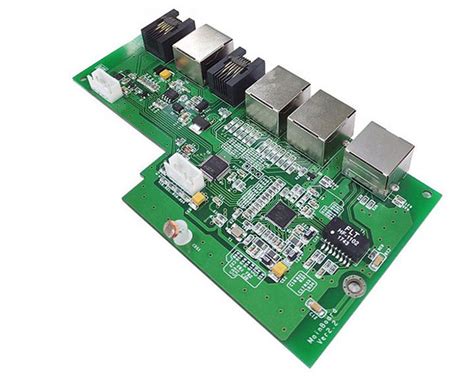
When venturing into custom PCB fabrication, it’s crucial to recognize the potential pitfalls that may arise during the PCB manufacturing process. Common issues can vary from design flaws to manufacturing errors, each capable of significantly impacting the performance and reliability of your boards. One frequent issue is layer alignment, which can lead to poor electrical connections if not adequately addressed by PCB manufacturing companies. Ensuring that the design files are meticulously checked and compatible with the fabrication process is essential in mitigating this concern.
Another typical problem involves impedance mismatch, which can cause signal integrity issues. This usually arises from inadequate consideration of trace widths and spacing during the design phase. When selecting materials for your PCB, opting for those that maintain consistent electrical properties is vital to avoid further complications in your PCB manufacturing journey.
Additionally, understanding pcb manufacturing costs is pivotal; unexpected issues can lead to increased expenses if reworks are necessary. A well-planned strategy that incorporates these considerations will empower you to refine your designs effectively, ultimately leading to a smoother PCB manufacturing business process. Remember, addressing these common pitfalls head-on will enhance not just your confidence as a designer but also the overall success of your electronic projects.
Advanced Techniques for Optimizing PCB Performance
To maximize the performance of your PCBs, it is essential to go beyond the basics of design and delve into advanced techniques that can significantly enhance functionality. One effective approach is to utilize multi-layer designs, which allow for more complex circuitry without increasing the footprint. This becomes particularly important in small electronic devices where space is at a premium. Additionally, you should consider the layout of traces and vias, as improper placement can lead to signal integrity issues that compromise performance. Implementing controlled impedance techniques ensures that the signal maintains its quality over longer distances, reducing reflections and cross-talk.
Furthermore, selecting suitable materials plays a crucial role in optimizing PCB performance. For instance, using high-frequency laminates can improve signal transmission rates effectively. Evaluating your pcb manufacturing companies regarding their material options could yield better reliability and longevity in your end products.
Thermal management is another vital factor; using thermal vias can help dissipate heat away from sensitive components. You might want to look into thermal pads or even copper planes within your PCB layout to enhance thermal conductivity.
Finally, don’t underestimate the importance of collaborating with reputable pcb manufacturing entities who understand these advanced techniques and can integrate them seamlessly into their processes. By exploring various manufacturing processes and understanding how they affect the overall pcb manufacturing cost, you’ve positioned yourself closer to achieving optimal efficiency in your designs. Therefore, investing time in these advanced techniques rewards you with enhanced product reliability and user satisfaction in your electronic projects.
The Future of Custom PCB Fabrication: Trends and Innovations
As technology continues to advance, the landscape of custom PCB fabrication is evolving, making it essential for you to stay informed about upcoming trends and innovations. One of the most significant shifts in recent years is the growing emphasis on sustainability within the pcb manufacturing business. Modern pcb manufacturing companies are increasingly adopting eco-friendly materials and processes, contributing to a reduced environmental footprint. Furthermore, automation and artificial intelligence are revolutionizing the production line, enhancing efficiency and accuracy while also driving down pcb manufacturing costs. Advanced techniques such as 3D printing are emerging, allowing for rapid prototyping and more intricate designs with minimal waste. As you explore these innovations, consider how they can optimize the performance of your projects and meet consumer demands for high-quality electronics. As the industry progresses, keeping abreast of these developments will enable you to navigate the changing environment effectively and ensure your designs leverage cutting-edge solutions for an increasingly competitive marketplace.
Best Practices for Efficient PCB Production
Efficient PCB production is crucial for ensuring the smooth operation of your electronic projects. By understanding the best practices in PCB manufacturing, you can significantly reduce costs while optimizing performance. Firstly, collaborating with reputable PCB manufacturing companies can streamline your design and production processes. They often provide valuable insights into cost-saving techniques and material selection. Additionally, focusing on an efficient layout can minimize waste and pcb manufacturing costs, allowing for a more profitable pcb manufacturing business. Incorporating modern design software that supports simulation and testing can also facilitate smarter decision-making early in the production timeline. This proactive approach helps identify potential issues before they escalate, ensuring that your final product meets the desired specifications with less rework necessary. Lastly, maintaining open communication with suppliers regarding lead times and production capabilities ensures that you remain adaptable in a dynamic market environment while achieving high-quality outcomes efficiently. Embracing these practices will place you on the path to developing superior custom PCBs that cater to diverse electronic applications effectively.
Conclusion
In closing, understanding the intricacies of custom PCB fabrication is essential for anyone venturing into the realm of electronic projects. You should recognize that the pcb manufacturing process is not merely about assembling components but involves comprehensive planning and strategy to ensure optimal performance. When selecting pcb manufacturing companies, consider their ability to meet your specific design requirements and their expertise in the latest techniques. This can significantly influence your pcb manufacturing cost and overall project timeline. Engaging with a skilled pcb manufacturing business can unlock innovative solutions tailored to your needs, thus enhancing your product’s market viability. By applying the knowledge acquired throughout this guide, you’re well-positioned to tackle challenges in design, optimize performance, and drive efficiency in your projects. Embrace these insights, and you’ll find that navigating the complex landscape of custom PCB fabrication can lead to remarkable advancements in your electronic endeavors.
FAQs
What is custom PCB fabrication?
Custom PCB fabrication refers to the process of designing and manufacturing printed circuit boards tailored to specific electronic applications. This involves various techniques and considerations to ensure optimal performance.
What should I consider when selecting a PCB manufacturing company?
When choosing a pcb manufacturing company, consider factors such as their reputation, quality assurance practices, lead times, and the range of services they offer. Research their experience with different materials and complexity levels in design.
How does the choice of materials impact the PCB manufacturing cost?
The choice of materials plays a crucial role in determining the pcb manufacturing cost. Higher quality or specialized materials may result in increased expenses, but they can also enhance performance and longevity.
What are common challenges faced during PCB manufacturing?
During pcb manufacturing, common challenges include ensuring design accuracy, managing tolerances, and minimizing defects throughout production. Addressing these issues early in the design phase can lead to better outcomes.
How can I optimize my PCB for performance?
To optimize your PCB for performance, focus on efficient layout design, use high-quality materials, and employ advanced techniques such as impedance matching and thermal management strategies.