Essential Guide to Custom PCB Services for Your Projects
Key Takeaways
When diving into the realm of custom PCB services, it’s crucial to grasp the essential aspects that can significantly impact your project’s success. Understanding pcb manufacturing becomes a pivotal step in this journey. You should be aware that the effectiveness of your designs largely hinges on how well they are translated through the processes instituted by pcb manufacturing companies. These organizations utilize advanced techniques to ensure that your circuit boards meet specific performance standards and regulatory requirements.
Additionally, cost concerns can play a vital role in choosing the right service provider. By evaluating pcb manufacturing cost, you can make informed decisions that align with your budget while still achieving quality results. You must explore various options within the pcb manufacturing business landscape to identify providers that offer both competitive pricing and high-quality outcomes.
The following table outlines some critical aspects of custom PCB services and their implications for project success:
| Aspect | Importance |
|---|---|
| Understanding PCB Design | Ensures functionality and performance |
| Manufacturing Processes | Affects reliability and durability |
| Cost Considerations | Impacts overall project budget and feasibility |
| Quality Assurance | Guarantees adherence to standards and specifications |
| Selecting Providers | Influences lead time, customer service, and quality |
In summary, by considering these factors, you position yourself for better outcomes in your custom projects. Being knowledgeable about PCB services, including its manufacturing aspects, cultivates a more strategic approach towards achieving your desired results.
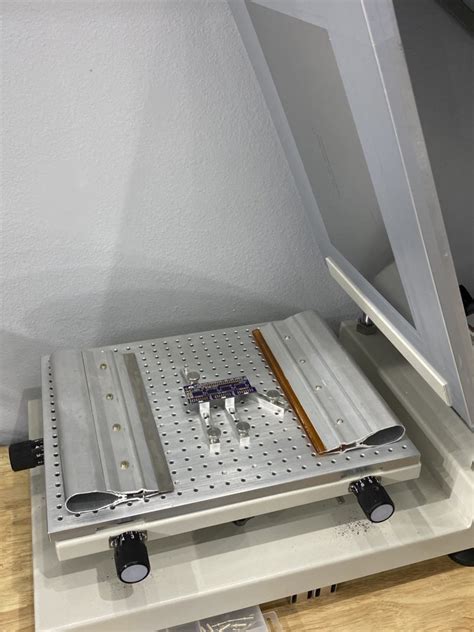
Understanding Custom PCB Services: An Overview
In the realm of electronics, custom PCB services are crucial for developing devices that meet specific requirements. When embarking on your next project, it’s essential to grasp the various elements that comprise these services. At the core of pcb manufacturing is a multi-step process that starts with a clear and precise design. This ensures that your final product aligns with both functional and aesthetic goals. The efficiency of pcb manufacturing companies plays a significant role in how quickly you can prototype and iterate on your designs. Additionally, understanding pcb manufacturing cost is vital for budgeting effectively; this might include factors such as material selection, complexity of the design, and volume of production. As you navigate the landscape of a pcb manufacturing business, you’ll encounter various services ranging from simple prototypes to complex high-volume productions, all tailored to suit your needs. Being informed about these aspects will empower you to make strategic decisions that enhance the quality and performance of your electronic projects.
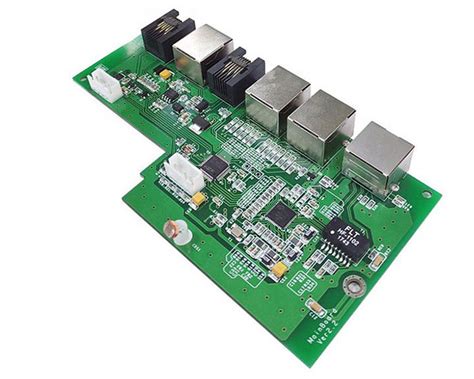
The Importance of PCB Design in Project Success
When embarking on a project that involves custom PCB development, the significance of effective PCB design cannot be overstated. A well-structured design serves as the backbone of your assembly and ultimately dictates the functionality and reliability of your product. Poor design choices can result in complications during both the pcb manufacturing and assembly phases, leading to increased costs and delays. Engaging with knowledgeable pcb manufacturing companies early in the design process can help anticipate challenges related to layout and component selection, ensuring compatibility with manufacturing specifications. Additionally, you should consider how factors such as pcb manufacturing cost and overall project timeline interlace with your design decisions. By prioritizing a robust PCB design, you position your project for success, maximizing efficiency during the subsequent stages of pcb manufacturing business practices. Each decision made during this stage significantly impacts not only immediate outcomes but also long-term product performance and durability.
Key Manufacturing Processes for Custom PCBs
When embarking on a project that requires a custom PCB, understanding pcb manufacturing processes is crucial. The production typically begins with designing the PCB, where engineers utilize software tools to create a detailed schematic and layout. This phase is critical, as even minor design flaws can lead to significant issues later in the manufacturing process. After the design is finalized, the next step involves the pcb manufacturing itself, which includes several key stages such as etching, drilling, and plating.
During etching, unwanted copper is removed from the surface of the PCB, shaping it according to your design specifications. Following this, drilling provides necessary holes for components and vias, which are integral for electrical connections between different layers of the board. The plating process applies a thin layer of copper on these drilled holes to improve connectivity.
As you navigate through these stages, you might consider collaborating with reputable pcb manufacturing companies that can offer expertise in these processes. It’s important to obtain quotes from different providers to understand the pcb manufacturing cost involved at various levels of quality and complexity. This will help ensure your project remains within budget while maintaining high standards.
“Choose companies that not only provide competitive pricing but also boast advanced technology and proven experience in pcb manufacturing business.”
Each step of production must adhere to stringent quality standards. Monitoring every phase ensures reliability in performance when your custom PCB finally reaches assembly and functional testing stages. Therefore, keeping abreast of these critical processes will empower you to make informed decisions that enhance your project’s success.
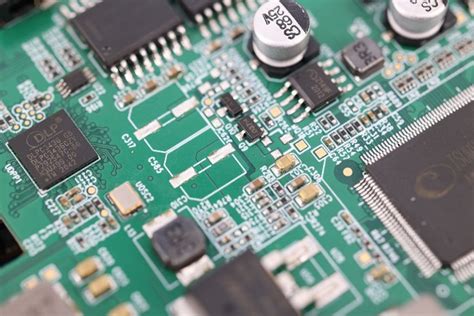
Assembly Techniques: Bringing Your PCB to Life
As you embark on the exciting journey of transforming your design into a fully functional circuit board, understanding the various assembly techniques is crucial. This process involves taking your PCB layout and integrating electronic components onto the board, ensuring everything fits correctly and operates as intended. You may want to consider methods such as surface mount technology (SMT) and through-hole assembly, each offering unique advantages depending on your project’s specific requirements. SMT is often preferred for modern designs due to its compactness and efficiency, allowing for more components in a smaller area. Through-hole might be better suited for larger, more robust components or applications where strong mechanical support is necessary.
It’s vital to collaborate closely with PCB manufacturing companies that offer expertise in these techniques. They can guide you through the nuances of each method to meet your unique needs effectively while keeping an eye on cost-effectiveness. Factors influencing the pcb manufacturing cost include component types, assembly complexity, and whether you opt for standard or custom solutions. Engaging with an experienced pcb manufacturing business can simplify these choices significantly, as they understand how assembly techniques impact both functionality and manufacturing efficiency.
By prioritizing proper assembly practices, you ensure that your PCBs not only function optimally but also stand up to testing and real-world application. In doing so, you’ll greatly enhance your project’s potential for success while maximizing the return on investment associated with your PCB designs.
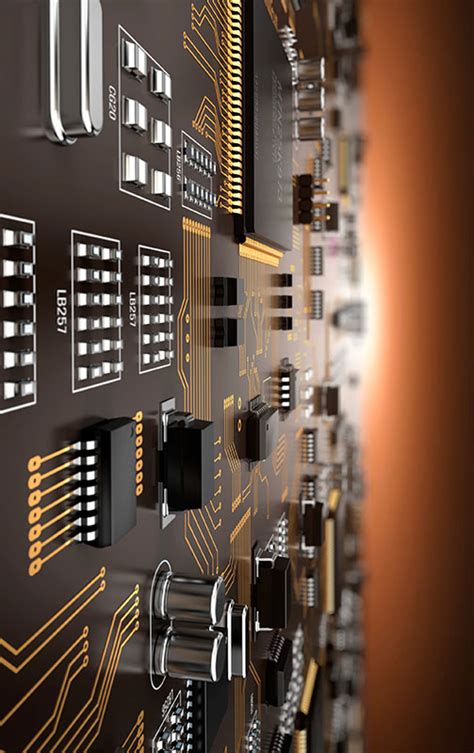
Quality Assurance in Custom PCB Production
In the realm of custom PCB production, quality assurance is paramount to achieving a reliable and functional end product. You must understand that rigorous testing protocols are crucial throughout the pcb manufacturing process. This involves intricate inspections ranging from visual checks to advanced automated testing, ensuring that all pcb manufacturing companies adhere to industry standards. By focusing on quality assurance, you can mitigate the risks associated with pcb manufacturing costs, which can escalate if defects arise during production or later in your project’s lifecycle. Implementing a thorough quality control system not only enhances the durability of your designs but also fosters a professional reputation in the pcb manufacturing business landscape. Whether you are an engineer or a hobbyist, prioritizing quality throughout each stage of production ensures that your custom PCBs perform as expected, ultimately contributing to the success of your projects. Emphasizing quality assurance will aid you in navigating potential challenges and streamlining your development processes effectively.
Cost Considerations for Custom PCB Services
When exploring custom PCB services, understanding the costs associated with pcb manufacturing is crucial for budgeting your project effectively. PCB manufacturing cost can vary significantly based on a number of factors, including the complexity of your design, the required components, and the volume of production. For instance, if you are working with intricate designs or fragile materials, expect higher costs due to additional engineering challenges and quality assurances needed. It’s also important to consider the pricing structures of various pcb manufacturing companies; some may offer competitive rates for bulk orders, while others may have minimum order quantities that can affect overall expenses. Engaging with a reliable pcb manufacturing business can be beneficial as they often provide transparency regarding their pricing models and potential discounts based on volume or long-term partnerships. Always take into account additional expenses that might arise during the production phase, such as shipping fees and potential revisions needed after initial prototypes are created. In essence, by carefully evaluating these cost considerations, you can optimize your budget and ensure that your custom PCB service aligns with both your financial constraints and project requirements.
Trends and Innovations in PCB Technology
In recent years, there have been significant trends and innovations in the field of PCB technology that are reshaping the landscape for engineers and hobbyists alike. One of the most pivotal shifts is the movement toward multilayer PCBs, which enables more complex circuits in a compact form, greatly enhancing design efficiency. Additionally, advances in materials used for pcb manufacturing, such as flexible substrates, allow for more versatile applications that are especially beneficial in wearables and IoT devices.
Another remarkable innovation is the introduction of high-density interconnect (HDI) technology, which significantly increases routing density and supports smaller package sizes. This is particularly important as devices evolve into smaller and more integrated forms. Moreover, the rise of automation in pcb manufacturing processes not only expedites production but also improves precision, ultimately benefiting both manufacturers and end-users.
Sustainability has also become a crucial consideration within the pcb manufacturing business. Many companies now focus on eco-friendly materials and processes to meet current environmental standards while reducing pcb manufacturing costs. This environmentally-conscious approach aligns well with consumer demand for sustainable practices.
As you explore these innovations, understanding how they can impact your project will empower you to select the right features that meet your specific requirements. Keeping abreast of these enhancements will ultimately pave the way for more successful outcomes in your electronic designs.
Choosing the Right Custom PCB Service Provider
Selecting the right custom PCB service provider is a crucial step in your project’s success. When you engage with PCB manufacturing companies, it’s important to evaluate their expertise in designing and producing printed circuit boards that align with your specific needs. Consider their experience in PCB manufacturing, as well as what technologies and methods they employ to ensure efficient and high-quality results. Factors such as pcb manufacturing cost can significantly impact your overall project budget, so it is wise to request detailed quotes and compare the services offered by different suppliers. Look for providers that not only deliver competitive pricing but also offer robust support throughout the design, prototyping, and production phases. A reliable pcb manufacturing business should have a proven track record of successful collaborations in your industry and be willing to adapt to your unique requirements. By carefully assessing these elements, you can forge a partnership that enhances your project while minimizing risks associated with production delays or quality issues.
Conclusion
In navigating the landscape of custom PCB services, it’s crucial to comprehend the elements that contribute to the success of your projects. From understanding the intricacies of pcb manufacturing to evaluating various pcb manufacturing companies, each step plays a vital role. The pcb manufacturing cost can significantly influence your project’s budget, so it’s essential to weigh quality against affordability. Engaging with a reliable pcb manufacturing business can streamline your processes, ensuring that design, production, and assembly align with your expected standards. This comprehensive view will not only enhance your project’s outcomes but also empower you to make informed decisions that align with your objectives. Whether you are an experienced engineer or a passionate hobbyist, leveraging these insights will ultimately lead you to successful PCB development.
FAQs
What is pcb manufacturing?
PCB manufacturing refers to the process of producing printed circuit boards (PCBs) used in various electronic devices. This includes design, fabrication, and assembly of the boards to meet specific requirements.
How do I choose reliable pcb manufacturing companies?
When selecting pcb manufacturing companies, consider factors like their production capabilities, experience, customer feedback, and the ability to meet your project’s specific requirements. Comparing multiple companies can ensure you find a provider that aligns with your needs.
What factors influence pcb manufacturing cost?
Several elements affect the pcb manufacturing cost, including the complexity of the design, materials used, quantity produced, and any additional services required (like assembly). High-quality materials and rapid prototyping can increase costs but may offer benefits in performance and reliability.
Can I start a pcb manufacturing business with limited investment?
Yes, starting a pcb manufacturing business requires careful planning, although you can begin on a smaller scale. Focusing on niche markets or specific types of PCBs can help you establish your presence without significant initial investment.
For more insights on this topic or to explore further options regarding PCB services, please click here: Andwin PCB Manufacturing.