Essential Guide to PCB Assembly Components and Their Importance
Key Takeaways
Understanding PCB assembly components is crucial for anyone involved in electronics manufacturing. These components play a vital role in the functionality and reliability of electronic devices. Selecting the right PCB assembly parts is key to fostering optimal performance. For instance, ensuring that resistors, capacitors, and integrated circuits are of high quality can significantly impact the longevity and operational efficiency of the final product. In addition, it’s important to recognize how various PCBA elements interact within a circuit board, affecting everything from power consumption to signal integrity. Monitoring advancements in materials and manufacturing processes also helps stay ahead in optimizing designs. As technology evolves, so will the components used in PCB assembly, highlighting the importance of continuous education and adaptation within this dynamic field. Emphasizing quality and compatibility not only ensures compliance with industry standards but also enhances the user experience, ultimately leading to greater customer satisfaction and reduced return rates.
Introduction to PCB Assembly Components
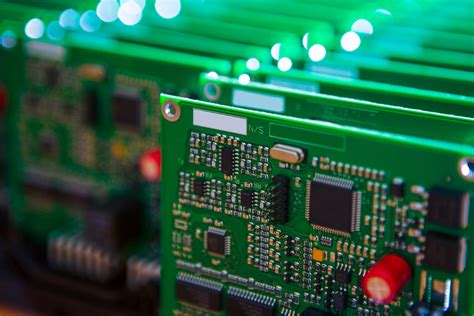
In the rapidly evolving world of electronics, PCB assembly is a critical process that ensures the seamless functioning of devices. The Printed Circuit Board Assembly (PCBA) serves as the backbone of most electronic equipment, housing various components that are essential for device operation. Understanding the role of these components is crucial for anyone involved in electronics design and manufacturing.
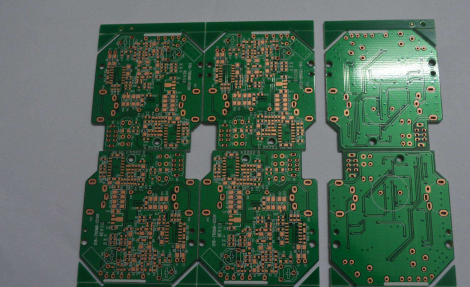
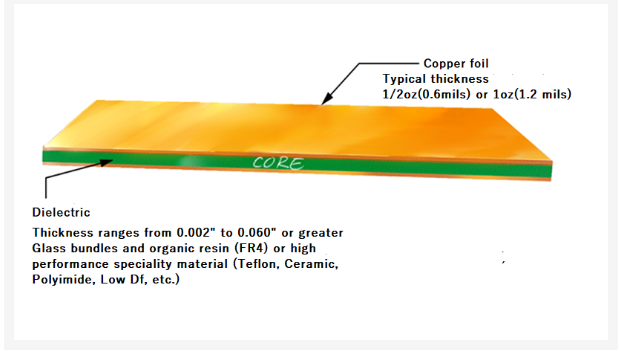
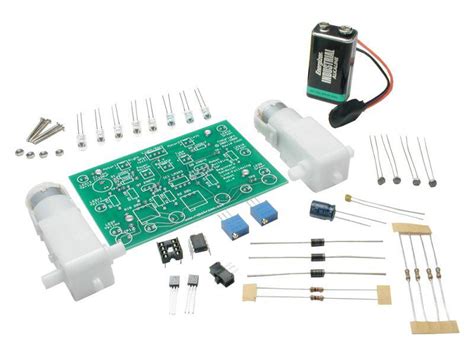
At its core, a printed circuit board consists of a substrate and conductive pathways that connect different components. The various types of PCB assembly components include passive elements like resistors and capacitors, as well as active components such as integrated circuits and microcontrollers. Each of these components plays a unique role in regulating electrical flow and facilitating communication among different parts of an electronic system.
Moreover, the choice and quality of these PCB assembly components influence not only the performance but also the reliability and longevity of electronic devices. Substandard parts could lead to increased failure rates or diminished device performance, emphasizing the importance of selecting quality materials during the PCB design phase.
| Component Type | Description | Function |
|---|---|---|
| Resistors | Limit current flow | Voltage division |
| Capacitors | Store electrical energy | Smoothing voltage fluctuations |
| Inductors | Store energy in magnetic fields | Filtering signals |
| Integrated Circuits | Combine multiple functions onto one chip | Perform complex calculations |
In conclusion, an understanding of PCBA not only aids designers in creating functional devices but also contributes to overall device performance optimization. Familiarity with these components fosters better design practices and enhances product reliability in an increasingly competitive market.
Types of PCB Assembly Components
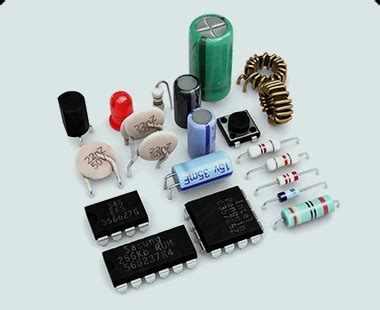
The world of PCB assembly consists of a variety of components, each serving a unique function essential for the overall performance of electronic devices. Among the most prominent components are resistors, capacitors, and inductors, which form the core passive elements crucial for managing current and voltage within circuits. Additionally, active components such as transistors and integrated circuits play significant roles in amplifying signals and processing data. The diversity in component types allows for flexibility in design, giving engineers the ability to tailor devices to specific needs.
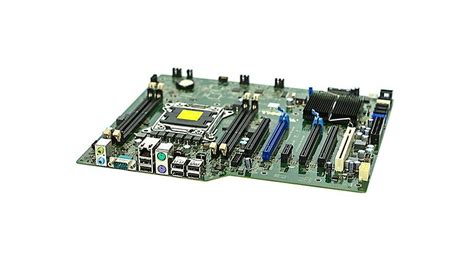
Moreover, connectors and sockets are vital for ensuring that components can communicate effectively within a system. These parts can facilitate maintenance and upgrades, underscoring their importance in the lifecycle of an electronic device. The choice between through-hole and surface-mount technology (SMT) components also impacts assembly techniques; while through-hole provides strength and stability, SMT offers advantages in speed and efficiency.
“Choosing the right type of component can significantly influence not only functionality but also the longevity of the final product.”
Incorporating diverse types of PCBA (printed circuit board assembly) components is essential to achieving optimal circuit performance. When selecting components, designers must consider factors such as size limitations, heat generation, and power requirements to ensure reliability throughout a device’s operational life. Ultimately, a well-rounded understanding of these various component types is crucial for anyone involved in electronics design or manufacturing.
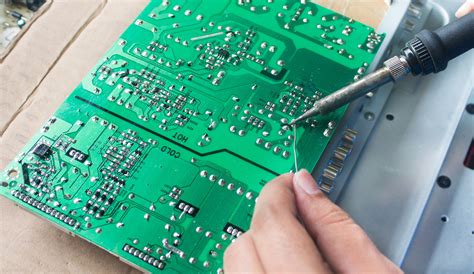
Functions of Key PCB Components in Electronics
In the realm of electronics, PCB assembly plays a vital role, and understanding the functions of key PCB assembly components is essential for grasping how devices operate efficiently. Each component within a printed circuit board (PCB) fulfills specific functions that contribute to the overall performance of the electronic system. For instance, resistors are used to control current flow, thereby preventing damage to sensitive components. Similarly, capacitors store and release electrical energy, aiding in stabilizing voltage and filtering signals. Inductors, on the other hand, work to manage magnetic fields within circuits.
Furthermore, integrated circuits (ICs) are often considered the brains of electronic devices; they combine multiple functions into a single package, optimizing space and efficiency. Other crucial components like diodes ensure that current flows in one direction only, protecting the assembly from potential damage caused by reverse polarity. The strategic arrangement and choice of these components not only enhance device functionality but also affect factors such as power efficiency, heat dissipation, and signal integrity. Ultimately, comprehending these elements allows designers to create more reliable PCBs that can withstand rigorous operational demands, thereby elevating product quality in a competitive market.

Importance of Quality in PCB Assembly Components
The quality of PCB assembly components is paramount in the design and functionality of electronic devices. High-quality components ensure that the PCBA can function reliably under various conditions, which is critical for maintaining performance and longevity. Poor-quality components can lead to failures, cause short-circuits, or result in inefficient energy consumption, all of which undermine the device’s overall effectiveness. Additionally, using subpar materials may not only increase production costs due to frequent replacements or repairs but also damage a brand’s reputation due to reliability issues. Each component, whether it be resistors, capacitors, or integrated circuits, contributes specifically to the circuit’s overall performance; thus, ensuring that each component meets rigorous quality standards is essential. Investing in high-quality pcb assembly components ultimately enhances device reliability and maintains the integrity of the PCB design process, positively influencing user satisfaction and trust in technological products.
How PCB Components Affect Device Reliability
The reliability of any electronic device is heavily reliant on the PCB assembly and the quality of its components. In a Printed Circuit Board Assembly (PCBA), even the smallest components play a significant role in overall performance and durability. Each component, be it a resistor, capacitor, or integrated circuit, contributes to the device’s functionality and stability. Poor-quality components can lead to failures such as short circuits, overheating, or malfunctioning signatures that not only compromise performance but can also affect user safety.
When selecting PCB assembly components, it is essential to prioritize those that meet strict quality standards. This ensures that the assembled board can withstand environmental stresses like temperature variations, humidity, and mechanical vibrations—factors that are critical in many applications ranging from consumer electronics to industrial systems.
Moreover, understanding how these components interact can help engineers design more robust circuits. For instance, using high-quality capacitors can enhance signal integrity, while choosing reliable connectors can prevent data loss in communication devices. Therefore, careful consideration during the design phase regarding component selection directly correlates with the end product’s long-term reliability and efficiency. By investing time and resources into understanding PCBA components thoroughly, manufacturers can enhance both their products’ reliability and their overall reputation in the market.
Best Practices for Selecting PCB Assembly Components
When it comes to PCB assembly, the selection of components plays a pivotal role in the overall performance and reliability of the final product. One of the foremost best practices is to ensure that all components are compatible with each other, which involves considering factors such as voltage ratings, footprints, and thermal characteristics. Additionally, opting for quality components from reputable manufacturers can profoundly impact the durability of the PCBA. It’s also advisable to evaluate the long-term availability of these components, as using parts that are likely to be phased out can lead to challenges in future production runs.
Another crucial aspect is to focus on selecting components that meet industry standards and certifications. This not only ensures compliance but also guarantees that components will function optimally under specified conditions. Furthermore, considering the manufacturability of chosen PCB assembly components can streamline production processes and minimize costs. For example, choosing surface mount devices (SMD) over through-hole components might enhance efficiency in PCB production due to their compact footprint.
Lastly, it’s essential to maintain updated documentation and revision control during component selection. This practice allows for easier troubleshooting and future modifications while ensuring all stakeholders are aligned with the current specifications. By adhering to these best practices when selecting PCB assembly components, designers can significantly enhance product reliability and performance in their electronic devices.
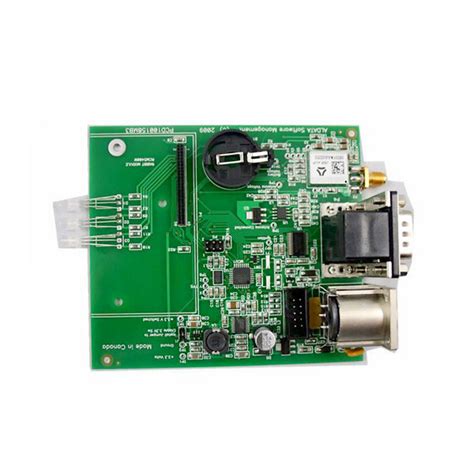
The Role of PCB Design in Performance Optimization
Effective PCB design plays a pivotal role in achieving optimal performance across electronic devices. When designing a printed circuit board (PCB), consideration must be given to various aspects such as component placement, trace width, and the overall layout. These factors greatly influence the efficiency of pcba processes and the functionality of the final product. For instance, strategically placing vital pcb assembly components minimizes signal loss and enhances power distribution, which is crucial in high-frequency applications. The incorporation of thermal management solutions also ensures that critical components remain operational under varying conditions. Moreover, a well-designed PCB facilitates easier assembly and reduces production costs, ultimately contributing to a reliable product. Thus, comprehensive understanding and thoughtful execution of PCB design principles not only enhance device performance but also significantly impact long-term marketability and consumer satisfaction. By optimizing these designs, manufacturers can ensure that their devices operate at peak efficiency while minimizing potential failures attributable to poor component arrangement or inadequate thermal handling.
Future Trends in PCB Assembly Technologies
As the electronics industry continues to evolve, PCB assembly technologies are adapting to meet the demands of increasingly sophisticated devices. One of the most noteworthy trends is the move towards automation and smart manufacturing processes in PCBA production. By integrating advanced robotics and artificial intelligence, manufacturers can enhance efficiency, reduce error rates, and improve overall speed in the assembly process. Another significant trend is the miniaturization of components, which allows for more compact designs without compromising functionality. This trend drives innovation in component design, leading to smaller PCB footprints while still maintaining high reliability. Furthermore, there is a growing emphasis on sustainable practices within the industry. Environmentally friendly materials and processes are being adopted in response to both consumer demand and regulatory pressures. This shift not only supports global efforts towards sustainability but also ensures that PCB assembly remains resilient in a changing marketplace. Additionally, advancements in materials science are paving the way for new types of components that exhibit greater thermal management and improved performance characteristics—essential attributes for today’s high-performance electronics. The continuous development of these technologies underscores their importance in creating reliable and efficient electronic devices that meet modern users’ needs. As such, understanding these future trends in PCB assembly components will be crucial for engineers and designers aiming to keep ahead in this competitive field.
Conclusion
In modern electronics, understanding the significance of pcb assembly components is essential for anyone involved in design and manufacturing. These components, collectively referred to as PCBA (Printed Circuit Board Assembly), play a pivotal role in the functionality and reliability of electronic devices. A thorough grasp of the different types of pcb assembly components, such as resistors, capacitors, and integrated circuits, allows designers to create more efficient and effective devices. Moreover, the quality of these components can significantly impact overall device performance; inferior parts can lead to failures or malfunctions that compromise user experience. By prioritizing quality and adhering to best practices during the selection process, manufacturers can enhance device reliability and longevity. Additionally, keeping abreast of trends in pcb assembly technologies helps ensure that companies remain competitive in a rapidly evolving market. Emphasizing the integral relationship between these components and device performance is crucial for anyone seeking to improve their understanding of efficient PCB design and its applications in innovative electronics.
FAQs
What is PCB assembly?
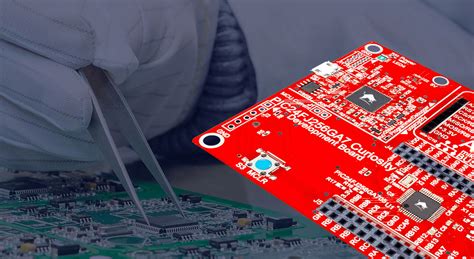
PCB assembly, often referred to as PCBA, is the process of soldering electronic components onto a printed circuit board (PCB) to create a functional device. The quality of these PCB assembly components significantly impacts the final product’s performance.
Why are PCB assembly components important?
The pcb assembly components play a critical role in determining the reliability and efficiency of electronic devices. Each component serves a specific function, and their integration must be precise for optimal operation.
What types of components are involved in PCB assembly?
Common types of pcb assembly components include resistors, capacitors, integrated circuits (ICs), connectors, and more. Each type contributes uniquely to the electronic circuit’s functionality.
How does the quality of PCB components affect reliability?
High-quality PCBA ensures that each component can withstand operational stresses without failing. Poor quality can lead to device malfunctions or early failures, emphasizing the need for careful component selection.
What should I consider when selecting PCB assembly components?
When selecting pcb assembly components, consider factors such as compatibility with your design, electrical specifications, environmental conditions, and frequency of use. Quality assurance processes should also be a priority during selection.