Essential Guide to PCB Assembly Equipment and Its Applications
Key Takeaways
Understanding the critical role of pcb assembly equipment is essential for anyone involved in electronics manufacturing. These tools not only streamline the production process but also ensure that the final products meet high standards of quality. Various types of pcb assembly tools are available on the market, each designed for specific functions, such as soldering, placement, and testing. By integrating advanced pcba technologies, manufacturers can achieve significant improvements in efficiency and productivity.
For instance, automated soldering machines reduce human error and provide consistent results, while pick-and-place machines enhance the speed and precision of component placement on printed circuit boards. The application of these technologies contributes to a more resilient production line capable of addressing modern demands.
Moreover, effective quality control measures are integral to the pcb assembly process. Employing equipment such as Automated Optical Inspection (AOI) systems ensures that any defects are identified early in the production cycle, minimizing waste and rework.
| Equipment Type | Function | Benefits |
|---|---|---|
| Automated Soldering Machines | Solder components to PCBs | Reduces errors, increases speed |
| Pick-and-Place Machines | Places components on PCBs | Enhances precision and efficiency |
| AOI Systems | Inspects solder joints | Identifies defects early |
In summary, leveraging modern pcb assembly equipment not only optimizes manufacturing processes but also reinforces product quality, enabling companies to remain competitive in a rapidly evolving electronic landscape.
Introduction to PCB Assembly Equipment
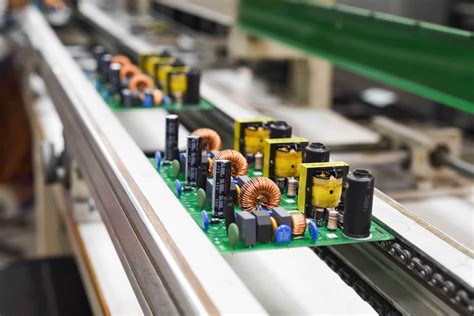
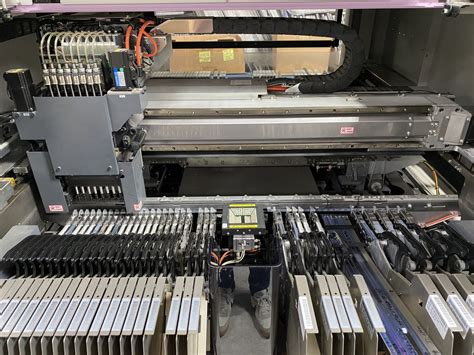
In the realm of electronics manufacturing, understanding PCB assembly equipment is essential for anyone involved in the design and production of printed circuit boards (PCBs). PCB assembly refers to the process of assembling electronic components onto a PCB, which is a crucial step in the production chain. The equipment used in this process not only facilitates efficient assembly but also significantly impacts the overall quality and reliability of electronic products. Various types of PCBA tools, including pick-and-place machines, soldering stations, and inspection devices, play vital roles throughout this process.
Each piece of equipment is designed to handle specific tasks, ensuring that components are accurately placed and securely soldered onto the board. For example, automated pick-and-place machines are essential for high-volume production, as they can rapidly position components with great precision. In contrast, manual soldering stations may be employed for prototyping or smaller batches where flexibility and detailed craftsmanship are required.
“Investing in high-quality PCB assembly equipment can drastically improve operational efficiency and reduce the likelihood of errors,” emphasizes industry experts. Moreover, as technology advances, new equipment continues to emerge that enhances speed and accuracy while minimizing waste. Thus, understanding how various PCBA tools function and their applications will empower manufacturers to optimize their production lines effectively.
Types of PCB Assembly Equipment
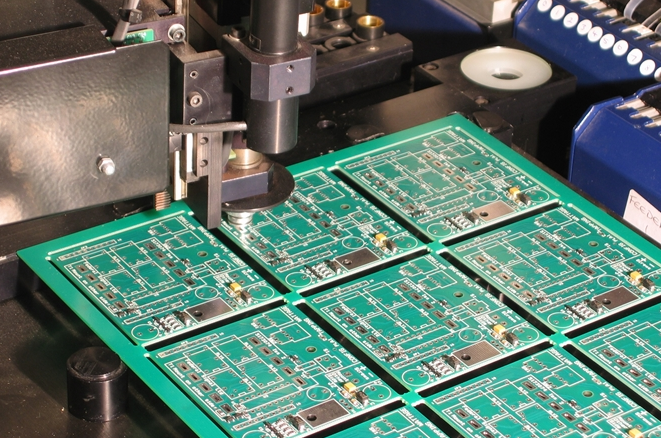
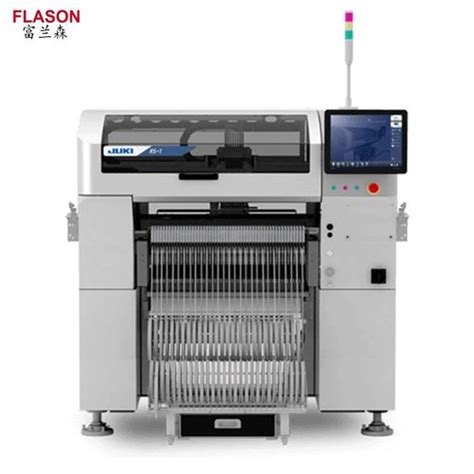
Understanding the types of PCB assembly equipment is crucial for anyone involved in the electronics manufacturing industry. At the forefront are Pick and Place Machines, which automate the process of placing components onto a printed circuit board (PCB), significantly increasing production speed and accuracy. These machines can handle a variety of component sizes and types, making them essential in modern PCBA processes. Another vital category is Soldering Equipment, which includes both wave soldering and reflow soldering systems. These machines ensure that electronic components are securely attached to PCBs, achieving reliable electrical connections. Additionally, Screen Printers are used to apply solder paste onto PCBs before component placement, ensuring precise application that enhances solder joint quality.
Moreover, Inspection Equipment, such as Automated Optical Inspection (AOI) systems, plays a critical role in quality control by verifying the placement and integrity of components on the PCBA. This step is essential in minimizing defects and ensuring high-quality output. Furthermore, other specialized tools such as X-ray machines for inspecting hidden solder joints or even functional testers to verify circuit performance also contribute to a comprehensive PCB assembly suite.
Each type of equipment not only streamlines production processes but also elevates efficiency and product quality within electronics manufacturing environments. By leveraging advanced PCB assembly technologies, manufacturers can optimize their operations, respond swiftly to market demands, and maintain competitiveness in an increasingly complex global landscape. As technology continues to evolve, staying informed about these diverse types of equipment will be vital for professionals dedicated to excellence in the field of PCBA.
Applications of PCB Assembly in Electronics Manufacturing
The applications of PCB assembly (PCBA) are vast and integral to the electronics manufacturing sector. One primary application is in the creation of consumer electronics, where PCBs serve as the backbone for devices such as smartphones, tablets, and laptops. Here, automated PCB assembly processes ensure high precision and speed, allowing manufacturers to keep pace with consumer demand while maintaining product quality. Additionally, PCB assembly is crucial in industrial applications, including control systems and machinery where reliability and durability are paramount. In automotive manufacturing, PCBs play a significant role in electronic controls for engine management systems, navigation systems, and safety features like airbags. With the increasing emphasis on smart technology, wearable devices also rely heavily on advanced PCB assembly methods to create compact and efficient products that enhance user experience. Furthermore, the rise of the Internet of Things (IoT) has opened new avenues for PCBA, allowing for interconnected devices that require seamless integration of electronic components. The versatility of PCB assemblies demonstrates their critical importance across various sectors within electronics manufacturing, driving innovation and efficiency while meeting the diverse needs of modern technology.
Enhancing Efficiency with Advanced PCB Assembly Tools
The world of pcb assembly has seen significant advancements with the introduction of advanced tools that dramatically enhance production efficiency. In today’s fast-paced electronics manufacturing environment, where the demand for high-quality and reliable components is at an all-time high, companies are turning to state-of-the-art pcba technologies to streamline their processes. Among these tools, automated pick and place machines are pivotal. They allow for precise component placement on printed circuit boards, minimizing errors and reducing assembly time. Additionally, solder paste printers have become essential in ensuring consistent application of solder paste, which is critical for reliable connections. By leveraging these advanced pcb assembly tools, manufacturers can achieve higher throughput and improved accuracy in their operations. Furthermore, the integration of smart technology—such as artificial intelligence and machine learning—into these tools enables real-time monitoring and adjustment of production lines, ensuring optimal performance. This not only enhances productivity but also contributes significantly to reducing waste and operational costs. As manufacturers adopt such innovative practices in their pcba processes, they position themselves to compete effectively in an increasingly demanding market landscape.
Quality Control in PCB Assembly Processes
Quality control in pcb assembly processes is an essential aspect that ensures the reliability and functionality of printed circuit boards (PCBs). As technology evolves, the complexity of electronic devices increases, necessitating stricter quality standards during pcba (printed circuit board assembly) production. Implementing robust quality control measures involves a multi-faceted approach, beginning from the design phase through to production. Techniques such as automated optical inspection (AOI) and x-ray inspection play critical roles in identifying defects early in the process, thus minimizing costly rework or failures in the final product. Each stage of assembly, including component placement and soldering, is meticulously monitored to ensure adherence to predefined specifications. Furthermore, statistical process control (SPC) methods can be utilized to track performance metrics and maintain consistent quality outputs over time. By integrating these quality assurance practices into pcb assembly workflows, manufacturers can significantly enhance the performance and durability of their final products while also fostering customer trust and satisfaction. Such diligence not only protects investment but also aligns with industry standards aimed at minimizing product failures and maximizing operational efficiency.
Future Trends in PCB Assembly Technology
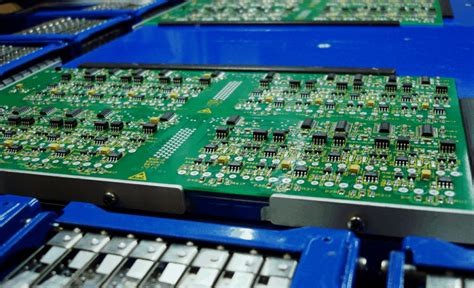
The landscape of pcb assembly technology is rapidly evolving, driven by the demands of modern electronics manufacturing. One significant trend is the increasing automation of PCBA processes, which can enhance speed and accuracy while minimizing human error. Advanced pcb assembly equipment now incorporates artificial intelligence and machine learning, which optimize production lines by predicting failures and facilitating real-time adjustments. This results in higher throughput rates and more efficient use of resources. Additionally, the trend towards miniaturization in electronics has led to the development of smaller, more precise assembly tools designed for compact circuit boards. Furthermore, sustainability is becoming an essential consideration, with manufacturers investing in eco-friendly pcb assembly practices and equipment that reduce waste and improve energy efficiency. The integration of advanced inspection technologies, such as 3D x-ray systems, also highlights a growing emphasis on quality control throughout the PCBA process. As these trends continue to shape the industry, companies that adapt to these innovations will likely gain a competitive edge by offering higher-quality products produced with efficiency and sustainability in mind.
Cost Considerations for PCB Assembly Equipment Investment
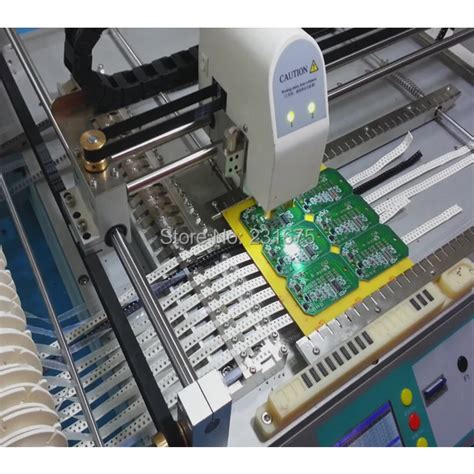
Investing in PCB assembly equipment is a critical decision for manufacturers aiming to optimize their production processes. The initial cost of PCBA machinery can vary significantly, depending on the technology, capabilities, and brand. While advanced equipment promising heightened efficiency and quality often comes with a steeper price tag, it’s essential to assess the return on investment (ROI) these machines can provide over time. Selecting pcb assembly tools that align with specific production needs can minimize unnecessary expenditures. Considerations such as maintenance costs, operating efficiencies, and the potential for scaling production are vital in this evaluation process. Moreover, manufacturers should also account for potential increases in output quality that advanced equipment can deliver—this could lead to reducing material waste and improving customer satisfaction rates. Therefore, while upfront costs are significant, a holistic view of long-term benefits will guide manufacturers in making informed decisions that serve their operational goals effectively.
Conclusion
In summary, pcb assembly plays a pivotal role in the creation of electronic devices. The equipment used in this process, commonly referred to as pcba machinery, is essential for achieving high precision and reliability in manufacturing. As we’ve discussed throughout this guide, the diversity of pcb assembly tools—including pick-and-place machines, soldering equipment, and inspection systems—cater to various stages of production. These tools not only automate complex tasks but also minimize human error, thus enhancing overall production efficiency.
Moreover, the incorporation of advanced technologies like automated optical inspection (AOI) and selective soldering systems has revolutionized pcba, ensuring that each printed circuit board meets stringent quality standards. This alignment with quality control measures safeguards against defects that could compromise the functionality of electronic devices. Looking ahead, as industry demands continue to evolve towards greater interconnectivity and miniaturization, the importance of investing in cutting-edge pcb assembly equipment will undoubtedly grow.
Investing wisely in such technology can lead to significant long-term benefits for manufacturers by reducing costs associated with errors and rework while enhancing product quality and market competitiveness. Therefore, understanding the critical role and capabilities of pcb assembly equipment is crucial for anyone involved in electronics manufacturing today.
FAQs
What is PCB assembly?
PCB assembly, or PCBA, refers to the process of soldering components onto a printed circuit board (PCB) to create a functional electronic product. It involves several steps, including component placement, soldering, and testing.
What types of equipment are used in PCB assembly?
The types of equipment used in PCB assembly include pick-and-place machines, reflow ovens, and wave soldering machines. Each of these plays a vital role in ensuring precise placement and reliable connections of components.
How does PCB assembly enhance production efficiency?
By employing advanced pcb assembly techniques and tools, manufacturers can streamline the production process, reducing the time taken for each unit to be assembled while increasing throughput.
What applications does PCB assembly have in electronics manufacturing?
PCBA is essential for various applications, including consumer electronics, automotive systems, industrial machinery, and medical devices. Each sector relies on robust pcb assemblies for functionality and reliability.
Why is quality control important in PCB assembly?
Implementing stringent quality control measures helps ensure that each pcb assembly meets the necessary standards. This reduces the risk of failures and enhances product reliability, which is crucial for maintaining consumer trust.