Essential Guide to PCB Board Fabrication Techniques and Tips
Key Takeaways
In the world of pcb manufacturing, understanding the intricacies of the pcb board fabrication process is crucial for success. This guide delves into various techniques and tips that can enhance your knowledge and efficiency as you navigate through this complex territory.
When engaging with pcb manufacturing companies, always assess their capabilities and experience. A clear understanding of how they approach pcb manufacturing can help you discern the quality of their output, impacting your product’s performance significantly.
It’s important to consider the costs associated with pcb manufacturing. Knowing what influences manufacturing costs, such as materials, labor, and technology choices, equips you to make informed decisions for your pcb manufacturing business. For instance, investing in high-quality materials can lead to a more reliable product that often offsets higher initial costs through enhanced performance over time.
Here’s a quick reference table for evaluating your potential partners in pcb manufacturing:
| Criteria | Importance Level (1-5) |
|---|---|
| Experience in Industry | 5 |
| Quality Assurance Measures | 5 |
| Technology and Equipment | 4 |
| Customer Service | 4 |
| Cost Competitiveness | 3 |
Skills in managing challenges in this field are also paramount. Leveraging advanced techniques can not only streamline production but also yield superior results.
“Investing time in understanding best practices will pay off in long-term efficiency and quality.”
Keeping abreast of future trends in pcb fabrication technology can further enhance your business strategy. By incorporating new advancements, such as automation and smart technologies, you position yourself at the forefront of innovation in the industry.
Explore more insights on effective techniques by visiting Andwin PCB for further information on successful fabrication practices that ensure you stay competitive in your pcb manufacturing business.
Introduction to PCB Board Fabrication
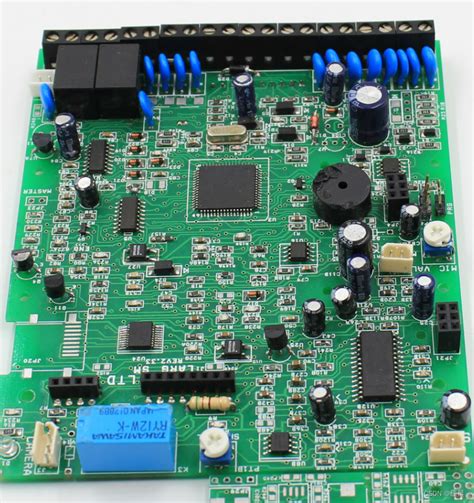
PCB board fabrication is a critical aspect of the electronics industry, as it involves the creation of printed circuit boards that are essential for a wide range of electronic devices. The pcb manufacturing process encompasses several intricate steps, from designing and etching to component placement and soldering. As you delve into the world of pcb manufacturing companies, you’ll discover that each organization may have its unique approach, yet all share a common goal: to produce reliable and efficient circuit boards. Understanding pcb manufacturing cost is also crucial; it can vary significantly based on materials, complexity, and production volume. For those looking to start a pcb manufacturing business, staying informed about the latest techniques and innovations is vital for maintaining competitiveness in a rapidly evolving market. By familiarizing yourself with these aspects of PCB board fabrication, you can enhance your ability to create high-quality products that meet your customers’ needs effectively.
Understanding the PCB Fabrication Process
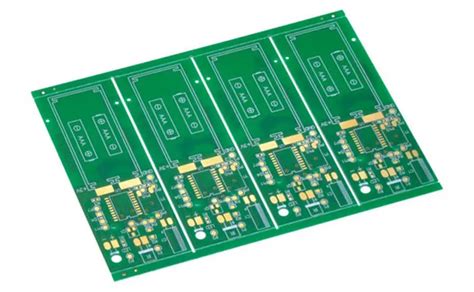
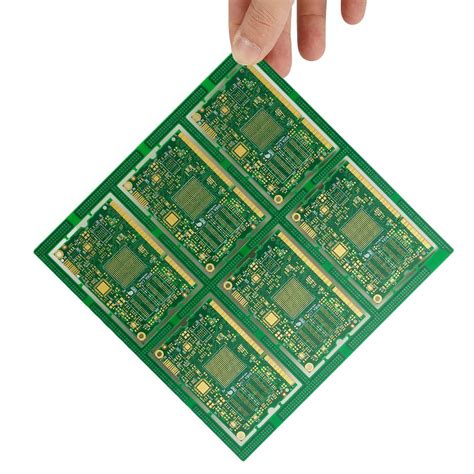
When delving into PCB board fabrication, it’s crucial to grasp the entire fabrication process, as this forms the backbone of successful pcb manufacturing. This intricate journey begins with the design phase, where you leverage software tools to create a schematic and layout that are both functional and efficient. Once you finalize your design, preparing it for pcb manufacturing involves generating specific files such as Gerber files, which detail the necessary layers and pads for the PCB.
Next, these designs are transferred onto the substrate material—typically made of FR-4—through processes like photolithography. During this stage, chemicals are used to etch away excess copper, ensuring that only your desired circuit pattern remains intact. As you proceed through steps including drilling holes for components and applying solder mask coatings, it’s important to consider the balance of quality and pcb manufacturing cost.
High-quality components and processes not only contribute to a more reliable product but can also streamline your production in a wonderfully efficient manner. By choosing reputable pcb manufacturing companies, you can benefit from their expertise and perhaps even lower overall costs through economies of scale. Thus, understanding these critical steps in PCB fabrication enhances your ability to manage a successful pcb manufacturing business, ensuring that your projects meet both operational demands and market expectations effectively.
Essential Tools for PCB Board Manufacturing
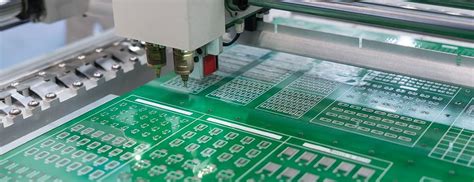
When venturing into PCB manufacturing, it’s crucial to equip yourself with the right tools that can enhance efficiency and accuracy in your projects. The landscape of PCB manufacturing companies offers a wide array of equipment tailored to diverse needs, ensuring that whether you’re a startup or an established PCB manufacturing business, you can find tools that fit your requirements. Key equipment includes high-resolution photoprinters for printing circuit designs onto the PCB substrate, etching machines to create circuits, and drilling machines for precise holes needed for components. Additionally, surface mount technology (SMT) machines are essential for assembling PCBs quickly and accurately, particularly when working with modern chips and components. Insights into the PCB manufacturing cost reveal that investing in quality tools may initially seem high but translates into long-term savings through reduced errors and wasted materials. You should also consider ancillary tools like inspection systems and soldering equipment, as they play vital roles in ensuring your final product meets industry standards. By selecting the right combination of equipment, you’ll be well-equipped to produce high-quality printed circuit boards efficiently, meeting the demands of your projects.
Best Practices for High-Quality PCB Production
To achieve high-quality PCB manufacturing, it is essential to adhere to a set of best practices that can enhance your production process significantly. First, ensure that your PCB manufacturing companies invest in top-notch equipment and technology. This will not only improve precision in design but also reduce the likelihood of defects during production. When designing your boards, always consider the layout carefully; optimizing the trace routing and minimizing the use of vias can lead to better performance and lower PCB manufacturing costs.
Additionally, implementing a robust quality control system throughout the production process is crucial. Regular inspections at different stages can help identify issues early, saving both time and resources. Training your team on the latest PCB manufacturing techniques will also empower them to troubleshoot and innovate, thereby enhancing overall efficiency in your PCB manufacturing business.
Moreover, consider leveraging design for manufacturability (DFM) principles in your projects. This approach can streamline production by reducing complexities that might lead to errors or increased costs. Staying updated with industry trends and investing in continual learning will help you ensure that your practices remain competitive and relevant, resulting in superior quality boards that meet customer expectations effectively.
Common Challenges in PCB Fabrication and How to Overcome Them
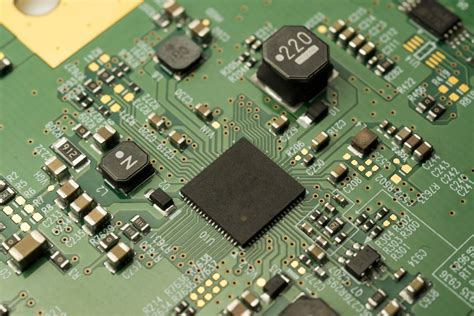
In the realm of PCB manufacturing, challenges are an inevitable part of the process. PCB manufacturing companies often face issues such as design errors, material limitations, and production inconsistencies. To mitigate these challenges, it is crucial to have a thorough understanding of the design specifications before beginning production. Always ensure that your designs are well-optimized for manufacturability to prevent issues down the line. Additionally, choosing the right materials can significantly influence the cost-efficiency of your PCB manufacturing business; using subpar materials may lead to increased failure rates and higher revision costs. Implementing robust quality control measures during fabrication can also help identify faults early in the process, reducing waste and enhancing overall product quality. Moreover, fostering open communication with suppliers can streamline material acquisition processes, allowing for a more efficient workflow. By addressing these common hurdles proactively, you stand a better chance of maintaining a competitive edge in an ever-evolving market while managing your PCB manufacturing costs effectively.
Advanced Techniques for PCB Design and Assembly
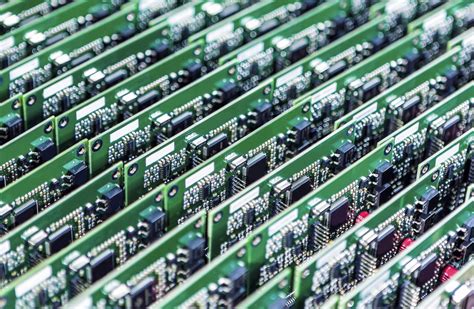
In the competitive world of PCB manufacturing, mastering advanced techniques is crucial for ensuring your designs meet the highest quality standards while remaining cost-effective. Understanding the intricacies of PCB design and assembly will set you apart from other PCB manufacturing companies, enabling you to innovate and enhance productivity. One key aspect to consider is the implementation of multilayer boards, which allow for more complex circuits without increasing size. Additionally, leveraging automated assembly techniques can significantly reduce both PCB manufacturing costs and production time while minimizing human error. Exploring surface mount technology (SMT) can also improve component density, leading to more compact designs tailored to meet specific project needs. By embracing these advanced methods, you can streamline your PCB manufacturing business, ensure reliability in your products, and stay ahead in a rapidly evolving industry. Always keep yourself updated with the latest technologies and industry trends, which can further augment your skills in the realm of PCB design and enhance your overall assembly efficiency.
Quality Control in PCB Manufacturing
When it comes to PCB manufacturing, quality control is a critical component that can significantly impact the overall success of your PCB manufacturing business. To ensure that your printed circuit boards meet the specified standards, you must implement a robust quality control process at every stage of production. This begins with the initial design phase, where adherence to best practices can prevent potential issues later on. During the PCB manufacturing process, conducting regular inspections and testing enables you to identify defects early on, minimizing waste and reducing the PCB manufacturing cost.
Utilizing advanced inspection techniques such as Automated Optical Inspection (AOI) and X-ray inspection ensures that both surface-mounted and through-hole components are correctly placed and soldered. These methods not only help in detecting physical defects but also verify electrical connectivity, which is paramount for the functionality of your PCB. Additionally, working with reputable PCB manufacturing companies that prioritize quality assurance practices will enhance your product consistency.
Incorporating feedback from testing phases is also vital; make adjustments based on performance assessments to improve future batches. Such proactive measures can elevate your standards and reputation within the industry while promoting customer satisfaction. Overall, a well-defined quality control strategy is indispensable for anyone involved in PCB manufacturing, as it ultimately leads to higher-quality products and more successful outcomes in your ventures.
Future Trends in PCB Fabrication Technology
As technology continues to evolve, the pcb manufacturing landscape is witnessing significant advancements that aim to enhance efficiency, reduce costs, and improve the overall quality of printed circuit boards. One of the most notable trends is the increasing use of automation in pcb manufacturing companies. Automation not only streamlines production lines but also minimizes human errors, leading to more consistent output. Additionally, innovative materials and processes, such as flexible and printed electronics, are being integrated into designs to cater to modern electronic applications where standard rigid boards may not suffice.
Moreover, as you explore these advancements, pay attention to the growing emphasis on sustainability in pcb manufacturing practices. Manufacturers are adopting eco-friendly processes and materials that reduce waste and environmental impact, which can ultimately lower your overall pcb manufacturing cost. Another essential trend is the shift towards smaller and more sophisticated electronic devices; this drives demand for advanced technologies like multilayer boards or high-density interconnect (HDI) designs.
Furthermore, advancements in design software also provide critical support for your pcb manufacturing business, allowing you to simulate performance before production begins. This proactive approach not only saves time but can also significantly reduce costs by identifying potential issues early in the design phase. As you consider these emerging trends and technologies in PCB fabrication, staying informed and adaptable will be crucial for maintaining a competitive edge in this ever-evolving industry.
Conclusion
As you delve into the world of PCB board fabrication, it becomes clear that understanding the nuances of pcb manufacturing is crucial for success in this field. By employing effective techniques and adhering to best practices, you can significantly enhance the quality of your printed circuit boards. It’s also important to consider your choice of pcb manufacturing companies, as they play a pivotal role in determining the pcb manufacturing cost and overall efficiency of your projects. Whether you are operating a pcb manufacturing business or collaborating with partners, being aware of these costs and quality metrics enables you to make informed decisions that improve your products’ performance and reliability. In this rapidly evolving industry, staying updated with the latest trends and technologies can further bolster your competitive edge, ensuring that your endeavors in PCB board fabrication continue to meet both current standards and future demands.
FAQs
What is PCB manufacturing?
PCB manufacturing refers to the process of creating printed circuit boards, which are essential components in electronic devices. This process involves several techniques, including etching, layering, and soldering to ensure reliable electrical connections.
What types of PCB manufacturing companies are available?
There are various PCB manufacturing companies that specialize in different aspects of the process. Some focus on mass production, while others may offer prototyping services or custom designs tailored to specific project requirements.
How is the PCB manufacturing cost determined?
The PCB manufacturing cost is influenced by several factors such as design complexity, materials used, production volume, and additional services like assembly or testing. Understanding these variables can help you better estimate your budget.
What does starting a PCB manufacturing business entail?
Starting a PCB manufacturing business requires knowledge about market demand, equipment investment, and quality standards. Additionally, building relationships with suppliers and understanding regulatory requirements can greatly impact your success in this industry.
For further information on PCB manufacturing, you can explore comprehensive resources. For more details, please click here.