Essential Guide to Stencils for PCB Assembly Success
Key Takeaways
Understanding how to effectively utilize stencils is crucial for achieving optimal PCB assembly results. Stencils play a pivotal role in the PCBA process by ensuring that solder paste is applied accurately and consistently across the circuit board. Selecting the appropriate type of stencil—whether it be laser-cut, electroformed, or screen-printed—can significantly impact the quality of solder deposits. Additionally, mastering techniques for effective stencil application can lead to improved print quality, reduced mistakes, and a smoother workflow during assembly. It’s also important to remain aware of common challenges such as stencil misalignment or paste smudging and implement suitable solutions to tackle these issues promptly. Regular maintenance and cleaning of your stencils not only prolong their lifespan but also enhance their performance, ultimately leading to less downtime during pcb assembly operations. Finally, keeping abreast of innovations in stencil technology enables professionals to integrate newer solutions that can streamline the entire assembly process, making it more efficient and reliable for successful PCBA outcomes.
Understanding the Role of Stencils in PCB Assembly
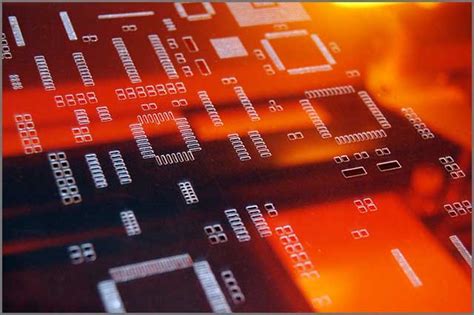
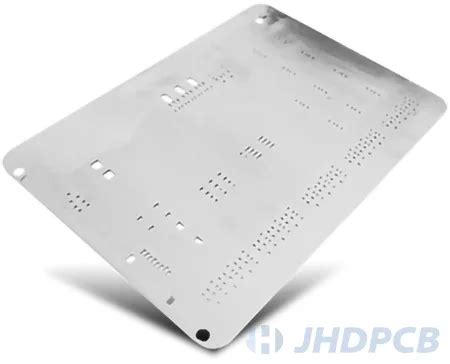
In the realm of PCB assembly, stencils play a pivotal role in ensuring the accuracy and efficiency of the process. A stencil is essentially a mask that aids in the precise application of solder paste to the circuit board. This method is critical for achieving quality PCBA results, as it ensures that solder paste is applied only where it is needed, reducing excess and minimizing potential errors. The effectiveness of your stencil significantly impacts not only the soldering quality but also the overall reliability of your electronic components.
Stencils vary widely in design, material, and thickness, each suited for different applications. For instance, stainless steel stencils are often favored for their durability and ability to produce finely detailed apertures necessary for complex designs. On the other hand, laser-cut stencils offer flexibility and quick turnaround times ideal for prototype PCB assembly tasks. As you dive deeper into utilizing stencils, it’s essential to consider the specific requirements of your project to select the right type that best meets your needs.
“Selecting an appropriate stencil is not merely about functionality; it greatly enhances production efficiency and reduces waste during assembly.”
In addition to selection, understanding how stencils integrate into broader PCB assembly techniques can cultivate a higher standard of assembly practices. Employing proper stencil application techniques—such as alignment precision and optimal squeegee angles—further enhances paste deposition quality. By recognizing that stencils are not just tools but rather integral components of an efficient assembly process, you position yourself for success in producing high-quality electronic devices.
Types of Stencils: Choosing the Right One for Your Project
Selecting the appropriate stencil for pcb assembly is vital to achieving optimal results in your Printed Circuit Board Assembly (PCBA). There are several types of stencils available, each designed to cater to specific needs and applications in the assembly process. One common type is laser-cut stencils, which provide exceptional precision and are well-suited for fine-pitch components often found in modern designs. On the other hand, electroformed stencils offer durability and consistent aperture sizes, making them ideal for high-volume production runs where minimal variation is essential.
Another important option is sheet metal stencils, commonly used due to their cost-effectiveness and adequate performance in various assembly situations. When determining which stencil to use, consider factors like the type of solder paste being applied, the component placement density, and your production volume. Ensuring that you select a stencil that matches your project specifications can greatly influence the quality of your pcba and enhance overall efficiency during the assembly process. Each type of stencil has its unique advantages, so it’s crucial to assess your particular needs before making a decision that will benefit your entire operation.
Techniques for Effective Stencil Application
Successful PCB assembly relies heavily on the precise application of stencils, making it essential to master particular techniques that enhance the overall quality of the process. One of the primary techniques involves selecting the right squeegee angle. An angle of 60 degrees is typically favored as it allows for controlled paste deposition, ensuring even coverage over the pads on the PCB. Employing a suitable pressure during application is also crucial; too much pressure may force paste under the stencil, while too little can yield insufficient paste for proper solder joint formation.
Furthermore, maintaining a clean stencil is vital to prevent cross-contamination of solder pastes that may affect reflow characteristics adversely. Operators should frequently monitor and clean stencils using appropriate cleaning solutions to remove any residual solder paste that could obstruct proper printing during subsequent PCBA processes.
Another technique worth mentioning is aligning the stencil with precision before applying solder paste. Misalignment can lead to insufficient or excessive paste being deposited, ultimately undermining assembly reliability. Here’s a brief overview in table format:
| Technique | Description |
|---|---|
| Squeegee Angle | 60 degrees; balances control and coverage |
| Pressure Application | Moderate pressure ensures adequate paste without excess |
| Stencil Cleaning | Regular cleaning prevents contamination |
| Proper Alignment | Align stencil accurately to avoid misapplication |
By integrating these techniques into your PCB assembly process, you can significantly enhance both efficiency and quality, ultimately leading to greater success in your PCBA projects.
Common Challenges and Solutions in PCB Stencil Use
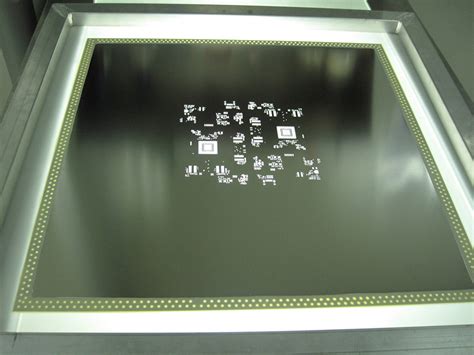
When it comes to PCB assembly (PCBA), utilizing stencils can significantly streamline the process, but there are common challenges that can arise. One frequent issue is misalignment during the application of solder paste, which can lead to inefficient connections or solder bridging. A potential solution is to invest in high-quality stencils that offer precision alignment features, ensuring that paste is applied accurately according to the design specifications. Another challenge involves the viscosity of the solder paste; if it’s too thick, it can cause difficulties in achieving a smooth print. Adjusting the printing speed and pressure or selecting a suitable paste viscosity can help achieve better results.
Additionally, stencil cleaning is crucial for maintaining effectiveness. Residue buildup can lead to incomplete prints and defects in PCB assembly. Implementing a regular cleaning schedule with appropriate solvents can help mitigate these issues. Finally, understanding how environmental factors—such as humidity and temperature—affect stencil performance is vital. Proper storage conditions and regular monitoring of working environments will ensure that your PCBA processes remain consistent and efficient.
By addressing these challenges with informed strategies, manufacturers can enhance their use of stencils, leading to improved outcomes in their PCB assembly operations.
Best Practices for Maintaining and Cleaning Your Stencils
Maintaining and cleaning your stencils is crucial for optimal PCB assembly (also known as PCBA) performance. Proper care ensures that your stencils deliver consistent results and minimizes defects during the assembly process. First, ensure that you clean your stencils regularly after every use; this prevents residue buildup from solder paste, which can lead to misalignment or inconsistent paste deposits. Use appropriate cleaning solutions that are safe for both the stencil material and effective against solder paste.
It’s also advisable to inspect your stencils frequently for signs of wear or damage. If you notice any defects, such as tears or warping, replacing the stencil promptly will help maintain the quality of your production. After cleaning, store your stencils in a protective environment to prevent dust accumulation or physical damage. Keeping them flat and in a climate-controlled area will preserve their integrity for longer use.
Furthermore, leveraging automated cleaning solutions can enhance efficiency and consistency in maintenance practices. Automated systems can perform routine cleaning more efficiently than manual methods, reducing downtime and ensuring that your pcb assembly process remains efficient. Following these best practices will not only extend the life of your stencils but also enhance the quality of your overall PCBA results.

Tips for Optimizing the PCB Assembly Process with Stencils
To achieve optimal results in PCB assembly, utilizing stencils effectively can make a significant difference. One of the primary tips is to ensure that the stencil is correctly aligned with the printed circuit board (PCB) before applying solder paste. Misalignment can lead to inefficient solder deposition, which can cause issues in the PCBA process. Additionally, selecting the right type of stencil is crucial; options include laser-cut stencils and electroformed stencils, each tailored for specific applications and requirements.
Using a consistent and controlled application technique also enhances precision in paste placement; consider employing automated stencil printers that provide uniform pressure during application. It’s imperative to monitor the thickness of the solder paste applied, as an excess can lead to bridging, while too little may cause inadequate connections. Regular maintenance and cleaning of your stencils ensure optimal performance as accumulated residue can affect paste release during assembly.
Furthermore, embedding a feedback mechanism within your process can help identify and rectify common issues associated with stencil use in PCB assembly. Adopting these practices not only streamlines production but also significantly enhances the quality and reliability of your final product in electronic circuits. By focusing on these strategies, you will pave the way for successful PCBA, resulting in efficient outcomes every time.
Innovations in Stencil Technology: What You Need to Know
The landscape of PCB assembly is continuously evolving, especially with recent advancements in stencil technology. Modern stencils, such as those made from laser-cut stainless steel or advanced materials like polymer, provide enhanced precision and efficiency in the PCBA process. These innovations allow for finer apertures and optimized designs, dramatically improving paste deposition accuracy. Moreover, advancements like automatic stencil printers integrate seamlessly with pick-and-place machines, reducing manual errors and increasing throughput. Another significant development is the introduction of reusable stencils, which not only cut costs but also minimize waste—aligning well with sustainable practices in electronics manufacturing. As the demand for smaller and more complex components rises, these technologies are pivotal in ensuring that manufacturers can adapt to tighter tolerances while achieving reliable solder joints. Keeping an eye on these trends is crucial for anyone involved in PCB assembly, allowing them to leverage the latest tools and techniques to enhance their production capabilities effectively.
Conclusion
In wrapping up our exploration of stencils for PCB assembly, it’s essential to recognize their significant contribution to achieving success in the PCBA process. The right stencil not only allows for the precise application of solder paste but also enhances the overall quality of your assemblies. By understanding the various types of stencils, such as laser-cut or electroformed, and their specific applications, you can make informed decisions tailored to your project needs. Moreover, mastering techniques for effective stencil application will help mitigate common challenges associated with misalignment and paste smearing. Consistent maintenance practices are equally crucial to prolong the life of your stencils and ensure they perform optimally in every run. As innovations in stencil technology continue to emerge, staying updated will enable you to leverage these advancements for even greater efficiency in your PCB assembly process. Ultimately, investing time and effort into understanding and implementing these strategies can lead to not only improved output but also a more robust and reliable production workflow. Embrace these insights as a foundation for continual improvement in your PCBA endeavors, paving the way toward achieving unparalleled excellence in your assemblies.
FAQs
What is the importance of stencils in PCB assembly?
Stencils play a crucial role in PCB assembly by ensuring precision during the solder paste application process. They allow for consistent and accurate placement of solder paste on the pads, which is vital for optimal PCBA performance.
What types of stencils are available for PCB assembly?
There are several types of stencils used in PCB assembly, including laser-cut, electroformed, and metal stencils. Choosing the right type depends on factors such as production volume, the complexity of the PCB design, and budget considerations.
How do I effectively apply stencils for PCB assembly?
Effective stencil application techniques include aligning the stencil correctly with the PCB, using appropriate pressure when applying solder paste, and ensuring a smooth even spread across all pads. It’s also important to choose the right squeegee material and angle.
What are common challenges faced when using stencils in PCB assembly?
Common challenges include misalignment of the stencil, inadequate solder paste deposition, and issues with cleaning. Addressing these challenges requires careful setup and stringent quality control measures during production.
How can I maintain and clean my PCBA stencils?
To maintain and clean your stencils effectively, use appropriate cleaning solutions that do not damage the stencil material. Regularly inspect for wear and tear, as this can impact their effectiveness during solder paste application.