Essential PCB Component Suppliers for Hassle-Free Prototyping
Key Takeaways
When sourcing PCB components suppliers, prioritize vendors that align with your PCB manufacturing needs while balancing quality and affordability. Start by verifying certifications like ISO 9001 or IPC standards to ensure components meet industry benchmarks—this directly impacts PCB manufacturing cost and long-term reliability. Look for PCB manufacturing companies that offer real-time inventory tracking and prototyping support, which reduces delays and minimizes redesign risks.
Tip: Always request samples before bulk orders to test component compatibility with your design specifications.
Reliable suppliers often provide PCB manufacturing business solutions, including custom packaging or kitting services, to streamline assembly. Compare bulk pricing tiers and evaluate how discounts scale with order volume—this can lower per-unit costs significantly for high-volume projects. Pay attention to lead times, especially if your prototyping timeline is tight.
Finally, prioritize suppliers with transparent communication channels and technical support. A partner that understands your PCB manufacturing workflow can proactively address issues like component obsolescence or supply chain bottlenecks. By aligning with vendors that offer end-to-end traceability, you ensure smoother transitions from prototyping to full-scale production.
Top PCB Component Suppliers for Prototyping
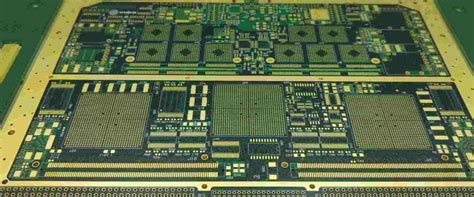
When sourcing components for prototyping, partnering with reliable PCB manufacturing companies ensures you avoid delays and quality inconsistencies. Leading suppliers like Digi-Key Electronics, Mouser Electronics, and LCSC offer extensive inventories of verified parts, from resistors to specialized ICs, tailored for rapid iteration. These vendors balance PCB manufacturing cost efficiency with robust quality controls, critical for minimizing design rework.
For example, JLCPCB provides integrated solutions, combining PCB manufacturing services with component sourcing—ideal for streamlining workflows. Below is a comparison of key features across top suppliers:
| Supplier | Lead Time | Minimum Order | Bulk Discounts | Quality Certifications |
|---|---|---|---|---|
| Digi-Key | 24-48 hrs | 1 unit | Tiered pricing | ISO 9001 |
| Mouser Electronics | 48-72 hrs | 1 unit | Volume deals | AS9100D |
| LCSC | 5-7 days | 10 units | Seasonal offers | ISO 14001 |
Prioritize suppliers offering one-stop PCB component sourcing solutions, especially if managing a PCB manufacturing business with tight timelines. Look for transparent pricing models, real-time stock updates, and certifications like IPC-A-610 to avoid prototyping pitfalls. By aligning with vendors that emphasize PCB manufacturing cost transparency and rapid turnaround, you reduce risks while accelerating product development cycles.
How to Choose Reliable PCB Suppliers
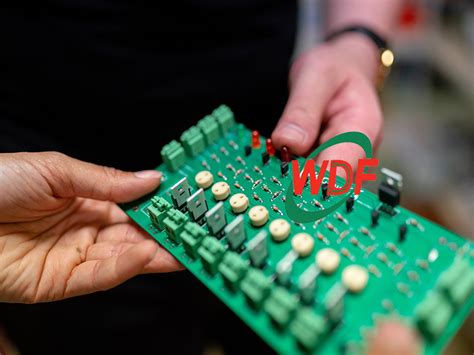
When selecting PCB manufacturing partners, start by verifying their certifications—ISO 9001 or IPC standards signal adherence to industry benchmarks. Look for PCB manufacturing companies with proven experience in prototyping, as this ensures they understand the precision required for low-volume production. Quality assurance protocols like automated optical inspection (AOI) and X-ray testing are non-negotiables to avoid defects early in your design cycle.
Next, evaluate their transparency around PCB manufacturing cost structures. Reliable suppliers provide detailed breakdowns, including material grades, layer counts, and lead times. Don’t overlook scalability: even if you’re prototyping now, confirm they can support bulk orders without compromising turnaround times as your PCB manufacturing business grows.
Check client reviews and request sample boards to assess consistency. Suppliers offering design-for-manufacturability (DFM) feedback demonstrate proactive collaboration, reducing revisions. Finally, compare warranty policies and return processes—these reflect confidence in their workmanship. By prioritizing technical expertise, clear communication, and scalable solutions, you’ll build partnerships that streamline both prototyping and future production phases.
Comparing PCB Vendor Quality Assurance
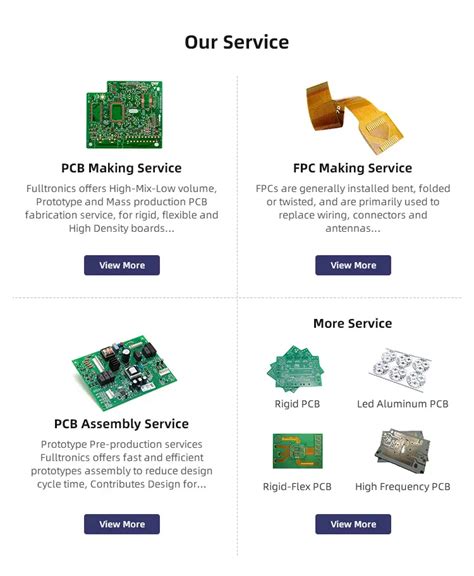
When evaluating PCB manufacturing companies, quality assurance should be your top priority. Reputable suppliers typically adhere to certifications like ISO 9001 or IPC-A-610, which validate their commitment to consistent PCB manufacturing standards. You’ll want to verify whether vendors conduct automated optical inspections (AOI) or X-ray testing to detect hidden defects in multilayer boards—a critical step for avoiding prototyping delays.
Cost is often a deciding factor, but balancing PCB manufacturing cost with quality requires scrutiny. Some suppliers offer lower prices by compromising on material grades or testing protocols, risking functionality in later stages. Instead, prioritize vendors that provide transparent breakdowns of their PCB manufacturing business processes, including material sourcing and defect-resolution policies.
Another consideration is scalability. While prototyping demands precision, future bulk orders need suppliers capable of maintaining quality at higher volumes. Look for companies offering traceability reports or lot-specific certifications—these ensure consistency, whether you’re ordering 10 units or 10,000. By aligning quality benchmarks with your project’s lifecycle, you mitigate risks in both prototyping and full-scale production.
Streamline Prototyping With Trusted Suppliers
When building prototypes, partnering with established PCB manufacturing companies ensures you avoid delays caused by inconsistent part quality or inventory shortages. Reliable suppliers integrate their component sourcing with PCB manufacturing workflows, creating a seamless pipeline from design to physical board assembly. This alignment reduces errors caused by mismatched specifications, as vendors familiar with just-in-time delivery and testing protocols can proactively address design flaws.
Choosing suppliers who specialize in PCB manufacturing business models also helps manage PCB manufacturing cost through volume pricing and shared logistics. For example, vendors offering bulk purchasing for common resistors or capacitors often extend discounts to prototyping projects, especially when combined with assembly services. Look for partners with transparent traceability systems—this ensures every component meets industry standards, critical when scaling from prototypes to full production.
By centralizing your supply chain with trusted partners, you minimize the risk of rework and accelerate iteration cycles. Prioritize suppliers who provide real-time updates on component availability and lead times, as these factors directly impact prototyping timelines. A streamlined approach not only cuts costs but also builds a foundation for future collaborations as your project evolves.
Best PCB Component Bulk Discount Options
When sourcing components for PCB manufacturing, securing bulk discounts can significantly reduce your project’s PCB manufacturing cost while maintaining quality. Established PCB manufacturing companies often offer tiered pricing structures, where higher order volumes unlock progressively better rates. For example, purchasing resistors, capacitors, or ICs in larger quantities from trusted suppliers could lower per-unit costs by 15–30%, depending on the component type and vendor policies.
To maximize savings, start by evaluating your prototyping or production needs. If you’re running a PCB manufacturing business, consolidating orders for recurring components (like standard SMD parts) ensures consistent supply and better pricing leverage. Look for suppliers that transparently advertise bulk discounts or negotiate custom rates for long-term partnerships. Some vendors even waive setup fees for repeat orders, further trimming expenses.
Pro tip: Compare pricing models across multiple PCB manufacturing vendors. While one might offer lower base prices, others could provide value-added services like free shipping or expedited turnaround for bulk orders. Always verify that cost-saving measures don’t compromise quality—reliable suppliers will balance affordability with certifications (e.g., ISO, UL) to guarantee component performance.
Finally, consider suppliers that integrate bulk purchasing with end-to-end services, such as assembly support or design validation. This approach streamlines workflows and ensures compatibility between components and your PCB manufacturing process, reducing the risk of costly redesigns.
Key Factors in Selecting PCB Suppliers
When narrowing down options for PCB manufacturing partners, you’ll want to prioritize technical expertise and material quality. Reputable PCB manufacturing companies should demonstrate proven experience in handling high-precision designs and multi-layer boards, ensuring your prototypes meet exact specifications. Assess their certifications—ISO 9001 or IPC standards—to verify compliance with industry benchmarks.
Cost efficiency matters, but avoid sacrificing quality for lower PCB manufacturing cost. Compare quotes transparently, factoring in hidden fees like tooling charges or minimum order requirements. For startups, suppliers offering flexible payment terms or scaled pricing for growing PCB manufacturing business volumes can ease budget constraints.
Lead times are critical: delays in component sourcing or assembly can derail project timelines. Opt for suppliers with streamlined logistics and real-time order tracking. Finally, evaluate communication practices—responsive support teams reduce risks of misinterpretation and rework. By balancing these factors, you’ll secure a partner that aligns with both prototyping needs and long-term scalability.
One-Stop PCB Component Sourcing Solutions
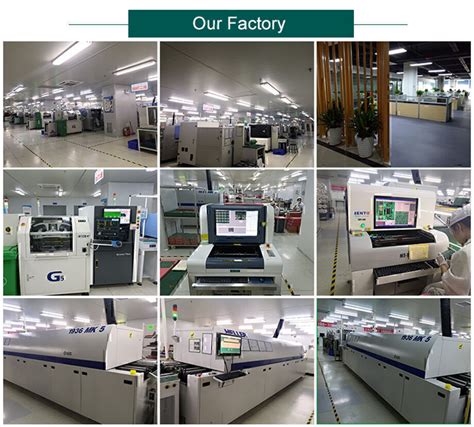
When building your prototype, juggling multiple vendors for components and fabrication can create unnecessary delays. Partnering with pcb manufacturing companies that offer integrated sourcing solutions eliminates this friction by managing everything from material procurement to final assembly. These providers often maintain relationships with certified component distributors, ensuring you receive authentic parts that align with your design specifications while optimizing lead times and supply chain risks.
A true one-stop partner bridges the gap between pcb manufacturing and component acquisition, often reducing pcb manufacturing cost through bulk purchasing agreements and shared logistics networks. You’ll also gain access to real-time inventory tracking, allowing adjustments before production begins—crucial for avoiding last-minute redesigns. For businesses scaling their pcb manufacturing business, this approach simplifies budgeting and accelerates time-to-market, as you’re not coordinating between separate entities. Look for suppliers offering value-added services like design-for-manufacturability (DFM) checks to further streamline prototyping. Always verify that vendors conduct rigorous quality testing on both components and finished boards, as inconsistencies here can derail even the most meticulously planned projects.
Conclusion
When finalizing your prototyping process, aligning with the right PCB manufacturing partners ensures both precision and efficiency. Trusted PCB manufacturing companies not only provide quality components but also help optimize PCB manufacturing cost through bulk pricing and streamlined workflows. As you evaluate suppliers, consider how their expertise in the PCB manufacturing business impacts your ability to scale from prototypes to full production.
Prioritize vendors offering transparent quality controls and responsive support—key traits that minimize delays. By integrating their solutions early, you’ll avoid common bottlenecks and maintain consistency across design iterations. Whether sourcing specialized parts or negotiating volume discounts, a strategic partnership with reliable suppliers strengthens your entire development cycle. Ultimately, the right collaboration transforms prototyping from a logistical challenge into a competitive advantage.
FAQs
How do PCB manufacturing costs impact component sourcing decisions?
When budgeting for prototypes, pcb manufacturing costs directly affect your supplier choices. Reputable pcb manufacturing companies often offer tiered pricing, balancing quality and affordability—especially critical when scaling from prototypes to bulk orders.
What certifications should reliable PCB suppliers have?
Look for ISO 9001 or IPC-A-610 compliance, which ensures adherence to industry standards. These certifications indicate that pcb manufacturing business operations prioritize consistency, reducing risks in component quality during prototyping.
Can I negotiate bulk discounts with PCB component suppliers?
Yes, many vendors provide volume-based pricing for orders exceeding 100 units. Discuss pcb manufacturing timelines upfront to align bulk discounts with project deadlines without compromising part availability.
How do one-stop suppliers simplify prototyping workflows?
Integrated pcb manufacturing companies handle design, component sourcing, and assembly under one roof. This eliminates compatibility issues and accelerates iterations, making them ideal for complex or time-sensitive projects.
Ready to Streamline Your PCB Sourcing?
For tailored solutions that balance pcb manufacturing cost and quality, please click here to explore services designed for seamless prototyping and production scaling.