Expert Flex PCB Manufacturing Solutions for Advanced Electronics
Key Takeaways
When evaluating PCB manufacturing options for advanced electronics, understanding core considerations ensures optimal outcomes. Leading PCB manufacturing companies prioritize material selection, layer alignment, and impedance control—critical factors that directly impact flex PCB fabrication quality. Your project’s PCB manufacturing cost hinges on design complexity, substrate materials (like polyimide or PET), and volume requirements. For instance, rigid-flex prototypes often incur higher initial costs but reduce long-term expenses through streamlined integration.
| Factor | Impact on Flex PCB Production |
|---|---|
| Material Quality | Ensures durability and thermal stability |
| Turnaround Time | Affects prototyping-to-production cycles |
| Design Complexity | Influences manufacturing precision and yield rates |
Partnering with a trusted PCB manufacturing business enables seamless scaling from prototypes to high-volume batches. Advanced providers leverage *automated optical inspection (https://www.andwinpcba.com) to align your specifications with industry-leading capabilities, ensuring your flex PCBs meet both technical and economic goals.
Flex PCB Manufacturing Essentials
When developing advanced electronics, understanding PCB manufacturing fundamentals becomes critical for achieving reliable flexible circuits. Unlike traditional rigid boards, flex PCBs demand specialized materials like polyimide films and adhesives that withstand repeated bending. Material selection directly impacts PCB manufacturing cost, as high-temperature substrates and precision etching processes often require advanced equipment.
"Always verify your supplier’s capabilities in handling dynamic flex applications—this prevents delamination and ensures signal integrity in high-frequency designs."
Working with experienced PCB manufacturing companies helps balance performance and budget. These providers optimize layer stack-ups, copper weights, and coverlay configurations to meet your electrical and mechanical requirements. For low-volume prototyping, consider panel utilization strategies to reduce PCB manufacturing business expenses without compromising quality.
Key factors like impedance control tolerances and bend radius calculations separate functional prototypes from production-ready solutions. Reputable manufacturers employ automated optical inspection (AOI) and 3D laser measurement to validate circuit continuity in flex zones. When scaling to mass production, review their supply chain partnerships for raw materials—this minimizes lead times during component shortages.
Transitioning from rigid-flex prototypes to full-scale manufacturing requires alignment between your design team and the fabrication partner. Clarify IPC-6013 Class 2/3 standards early to avoid costly reworks. By integrating PCB manufacturing expertise into your development cycle, you maintain flexibility across product iterations while controlling lifecycle costs.
Rigid-Flex PCB Prototype Solutions
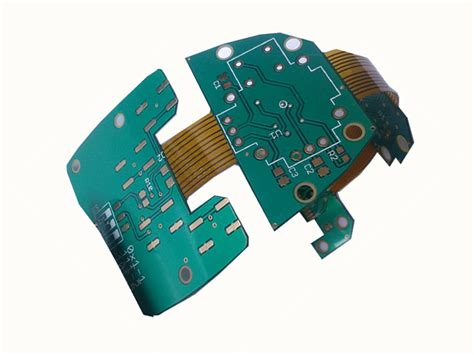
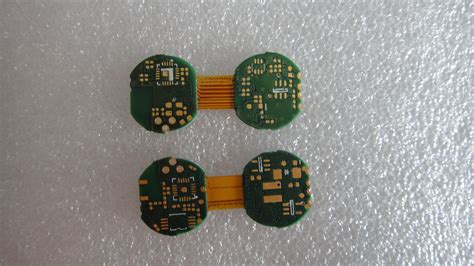
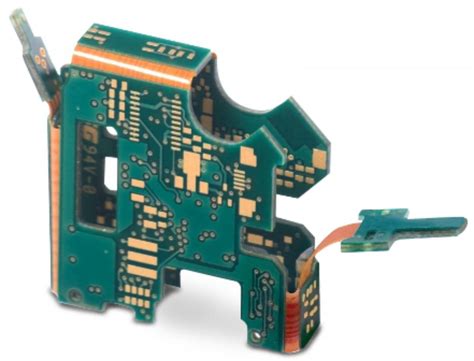
When developing cutting-edge electronics, PCB manufacturing for rigid-flex prototypes requires balancing precision and adaptability. These hybrid circuits combine rigid and flexible substrates, enabling complex geometries that traditional boards can’t achieve. Leading PCB manufacturing companies prioritize iterative testing during prototyping to validate signal integrity, thermal performance, and mechanical stability—critical factors for applications like wearable tech or aerospace systems.
Your design choices directly influence PCB manufacturing cost, particularly in material selection and layer count. Opting for advanced polyimide films or adhesiveless laminates improves durability but may raise initial expenses. However, partnering with a PCB manufacturing business that specializes in rigid-flex solutions ensures optimized material utilization, reducing waste and long-term overhead. Prototyping phases also let you identify design flaws early, preventing costly revisions during mass production.
To streamline workflows, many providers now integrate automated design verification tools, accelerating turnaround without compromising quality. This approach ensures seamless scaling from prototypes to high-volume runs, aligning with your project timelines and budgetary constraints. By prioritizing collaboration during prototyping, you lay the groundwork for reliable, high-performance electronics ready for the next phase of development.
Fast-Turn Flex PCB Production
When your project demands rapid execution without compromising quality, partnering with PCB manufacturing companies that specialize in fast-turn solutions becomes critical. These providers leverage precisely calibrated workflows to accelerate prototyping and production cycles, often delivering functional flex PCB manufacturing outputs in as few as 5-7 business days. Key to this efficiency is their integration of automated processes, such as laser direct imaging (LDI) and automated optical inspection (AOI), which minimize human error while maintaining precision.
To control PCB manufacturing cost during accelerated timelines, look for suppliers offering tiered pricing models. For instance, consolidating design iterations early or opting for panelized designs can reduce material waste. Advanced PCB manufacturing firms also employ dynamic scheduling systems to prioritize urgent orders without disrupting larger production batches—a balance essential for scaling your PCB manufacturing business.
When evaluating fast-turn services, verify their capacity to handle both low-volume prototypes and high-volume runs. Transparent communication about design guidelines (e.g., minimum trace widths, bend radii) ensures manufacturability and avoids delays. By aligning with a partner that combines speed with expertise, you secure a competitive edge in bringing advanced electronics to market faster.
Flexible PCB Integration Techniques
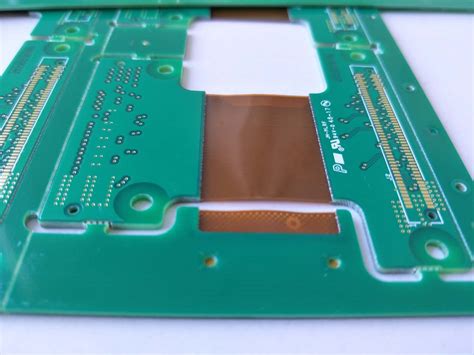
When integrating flexible PCBs into advanced electronic systems, you need approaches that balance mechanical adaptability with electrical reliability. Successful integration begins with understanding how PCB manufacturing processes influence component placement and interconnect density. Leading PCB manufacturing companies often recommend dynamic flexing zones to manage stress points, using polyimide substrates that withstand over 200,000 bend cycles without failure.
Material selection directly impacts PCB manufacturing cost, particularly when combining rigid and flexible sections. For example, adhesiveless laminates reduce layer thickness by 30%, enabling tighter bends while maintaining signal integrity. To optimize costs, partner with manufacturers offering laser-drilled microvias for high-density interconnects—this minimizes manual routing and accelerates assembly.
Thermal management remains critical in integration. Embedded copper stiffeners dissipate heat in high-power areas, preventing delamination during operation. Additionally, sequential lamination techniques ensure precise alignment between rigid and flex layers, reducing the risk of impedance mismatches.
For businesses scaling production, evaluating PCB manufacturing business models becomes essential. Hybrid workflows—combining automated optical inspection (AOI) with manual validation—help maintain quality across batches. Always verify that your supplier’s capabilities align with your design’s fold-to-install requirements or static bend profiles, as these factors dictate long-term durability.
By aligning integration strategies with proven PCB manufacturing practices, you can achieve seamless compatibility between flexible circuits and complex electronic architectures.
Cost-Effective Flex PCB Services
When balancing performance and budget in PCB manufacturing, understanding cost drivers becomes critical. Flexible circuits often require specialized materials and processes, but partnering with the right PCB manufacturing companies ensures you avoid unnecessary expenses without compromising quality. For instance, optimizing panel utilization reduces material waste, while design-for-manufacturing (DFM) reviews prevent costly revisions later.
Experienced providers streamline PCB manufacturing cost by offering tiered pricing models—ideal whether you need low-volume prototypes or high-volume runs. Bulk orders often unlock volume discounts, but even smaller batches benefit from shared tooling or standardized processes. Advanced PCB manufacturing business practices, like automated testing and in-house material sourcing, further lower overheads passed to clients.
You’ll also want transparency in pricing structures. Reputable manufacturers break down costs for substrates, layer counts, and finishing options, helping you identify trade-offs. For example, polyimide films might cost more upfront but enhance durability in high-flex applications, reducing long-term replacement expenses. By aligning your design goals with a manufacturer’s technical expertise, you achieve cost predictability while meeting stringent performance demands.
Finally, consider lifecycle support. Some PCB manufacturing partners offer inventory management or design iteration packages, minimizing downtime and ensuring scalability as your project evolves. This holistic approach turns cost efficiency into a competitive advantage.
Advanced Electronics PCB Applications
When developing cutting-edge electronic systems, you need PCB manufacturing solutions that match the precision of your designs. Advanced applications—from aerospace avionics to wearable medical devices—demand flexible circuits capable of withstanding extreme environments while maintaining signal integrity. Leading PCB manufacturing companies leverage specialized materials like polyimide films and high-frequency laminates to create boards that endure thermal stress, vibration, and repeated flexing without performance degradation.
Balancing PCB manufacturing cost with technical requirements is critical. For instance, multi-layer rigid-flex designs might increase initial expenses but reduce assembly complexity and long-term failure rates. By collaborating with experienced partners, you can optimize material selection and layer stack-ups to align with both budgetary constraints and application demands. This approach ensures seamless integration into compact, high-density assemblies common in IoT sensors or military-grade communication systems.
For businesses scaling production, understanding the nuances of the PCB manufacturing business—such as certification compliance (e.g., ISO 13485 for medical devices) or rapid prototyping workflows—helps avoid delays. Whether you’re iterating prototypes or transitioning to volume orders, prioritizing suppliers with expertise in high-reliability applications ensures your electronics meet stringent performance benchmarks.
Expert Flex PCB Design Strategies
When developing flex PCB manufacturing strategies, balancing technical precision with pcb manufacturing cost considerations becomes critical. Start by collaborating with experienced pcb manufacturing companies early in the design phase—their expertise in material selection and stack-up configuration ensures your flexible circuits meet both electrical and mechanical demands. For instance, optimizing trace widths and bend radii minimizes stress points, which directly impacts long-term reliability in dynamic applications.
Integrating rigid-flex transitions requires meticulous planning to avoid signal integrity issues, especially in high-frequency designs. Reputable pcb manufacturing business partners often provide design-for-manufacturing (DFM) feedback, helping you avoid costly revisions. Prioritize simulations and prototyping to validate thermal management and impedance control, particularly when scaling from low-volume batches to mass production.
Cost efficiency isn’t just about materials—leveraging advanced panelization techniques reduces waste, while standardized testing protocols streamline quality assurance. Remember, a well-executed design strategy not only accelerates time-to-market but also aligns with broader pcb manufacturing goals, ensuring seamless integration into advanced electronics systems. By aligning your design choices with production realities, you transform complex concepts into manufacturable solutions without compromising performance.
Instant Quote for Flex PCB Projects
Streamlining your project’s budgeting phase starts with understanding how PCB manufacturing workflows impact timelines and costs. Modern PCB manufacturing companies leverage automated quoting systems to provide real-time estimates based on design specifications, material choices, and layer counts. By inputting parameters like bend radius, copper weight, or surface finish, you receive a detailed breakdown of PCB manufacturing cost variables, eliminating guesswork and accelerating decision-making.
For flexible circuits, factors such as polyimide thickness or adhesive types directly influence pricing—details top-tier suppliers clarify upfront. Reputable providers optimize PCB manufacturing business models to balance precision and affordability, whether you’re ordering prototypes or scaling to high-volume batches. Transparent quotes also highlight value-added services like design-for-manufacturability (DFM) reviews, ensuring your flex PCB aligns with production capabilities before fabrication begins.
Transitioning from design to production becomes seamless when cost structures and lead times are visible early. This approach not only reduces financial risks but also fosters collaboration between engineering teams and manufacturers, enabling iterative adjustments without delays. Prioritize partners offering instant quoting tools—they’re often equipped to handle complex rigid-flex configurations or specialized finishes while maintaining competitive margins.
Conclusion
When selecting PCB manufacturing companies for advanced electronics, understanding the interplay between design complexity, material selection, and PCB manufacturing cost becomes critical. Partnering with a specialized flex PCB manufacturer ensures access to tailored solutions that balance performance with affordability, whether you’re prototyping or scaling to high-volume production. By prioritizing PCB manufacturing expertise, you gain technical insights that streamline integration and minimize delays—key factors in maintaining competitiveness in fast-paced industries.
The right PCB manufacturing business will offer transparent pricing models, advanced fabrication technologies, and collaborative engineering support, empowering you to optimize designs for reliability and efficiency. As you evaluate options, focus on providers that align with your project’s technical demands and budgetary constraints. Remember that investing in quality PCB manufacturing today directly impacts your product’s longevity and market success tomorrow.
FAQs
How do flex PCB manufacturing processes differ from traditional PCBs?
Flex PCB manufacturing involves specialized materials like polyimide films and precise etching techniques to accommodate bending. Unlike rigid boards, these processes require controlled impedance management and dynamic flexing validation to ensure reliability in advanced electronics.
What factors influence pcb manufacturing cost for flexible circuits?
Cost depends on layer count, material grades, and production volume. Prototyping often incurs higher pcb manufacturing cost due to setup fees, but economies of scale apply for bulk orders. Advanced features like impedance control or blind vias add complexity.
How can you identify reputable pcb manufacturing companies for flex circuits?
Look for certifications like ISO 9001 and IPC-6013 compliance. Reputable pcb manufacturing companies provide design-for-manufacturability (DFM) feedback, transparent pricing, and proven expertise in rigid-flex integration for high-frequency applications.
What are common challenges in scaling a pcb manufacturing business for flex circuits?
Balancing precision with throughput is critical. A successful pcb manufacturing business invests in laser drilling systems, automated optical inspection (AOI), and skilled engineers to maintain quality while meeting deadlines for advanced electronics projects.
Why is material selection vital for flex PCB manufacturing?
Materials determine thermal stability and bend cycles. For example, adhesive-less copper laminates reduce delamination risks, while stiffeners enhance durability in high-density interconnect (HDI) designs.
Ready to Start Your Flex PCB Project?
For tailored solutions that align with your technical requirements and budget, please click here to request an instant quote. Our team specializes in optimizing pcb manufacturing cost without compromising performance for cutting-edge applications.