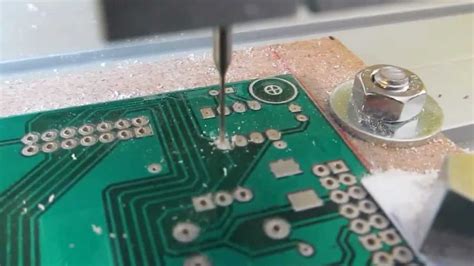
Exploring Flex PCB Layers in Multi-Layer Circuit Designs
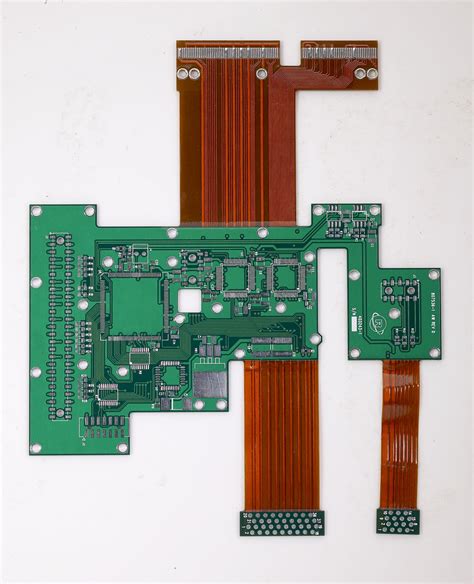
Key Takeaways
When delving into flex PCB layers, it’s essential to recognize their unique characteristics in the realm of multilayer circuit designs. The versatility of these circuits makes them an attractive choice for various applications, especially where space and flexibility are paramount. Understanding the different stack-ups and layer configurations is crucial in your journey through PCB manufacturing.
Here is a quick overview of common flex PCB stack-ups:
| Layer Count | Configuration Example | Typical Applications |
|---|---|---|
| 2 | 1 Flex, 1 Rigid | Mobile devices |
| 4 | 2 Flex, 2 Rigid | Wearable technology |
| 6 | Complex Flex Layers | Medical devices |
You should also consider the implications on PCB manufacturing cost when selecting the appropriate stack-up. While flexible circuits often come at a premium compared to traditional rigid boards, their ability to simplify complex designs can lead to reduced costs in assembly and overall project management.
“Investing time in understanding your design’s specific needs can lead to significant savings in the long run.”
Flex circuits also open up innovative pathways for integration with rigid PCBs, a practice referred to as rigid-flex circuit integration. This method presents both opportunities and challenges but can provide unmatched flexibility in design. Remember, working with reputable PCB manufacturing companies will ensure that you receive high-quality products tailored to your specifications.
Keep these insights in mind as you navigate the intricate world of flex PCBs; they are not just components but an essential element of modern electronic design that enhances functionality and performance across industries.
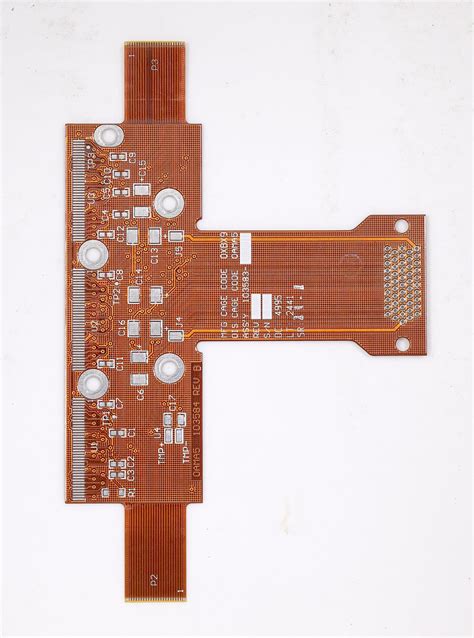
Introduction to Flex PCB Layers
In today’s rapidly evolving electronic landscape, understanding flex PCB layers is crucial for developing innovative multi-layer circuit designs. These layers serve as the backbone of flexible printed circuit boards, enabling PCB manufacturing companies to create compact and intricate designs that meet modern technological demands. As you explore the realm of flex PCBs, you’ll discover that their construction typically consists of a series of adhesive and conductive materials strategically layered to create a robust yet adaptable platform. This flexibility not only enhances performance but also bolsters the durability of the circuits in various applications.
When contemplating PCB manufacturing, it’s essential to recognize the unique attributes offered by flexible circuits. They allow for bending, folding, and twisting without compromising electrical integrity, making them ideal for applications in tight spaces, such as in mobile devices and wearables. For you as a designer or engineer, understanding these layer configurations can significantly influence PCB manufacturing costs; utilizing flex circuits may reduce assembly time and material waste, leading to more efficient production cycles.
Additionally, leveraging modern technologies in PCB manufacturing business can help streamline the integration of these advanced layer structures, ultimately enhancing your designs’ functionality while keeping an eye on cost-effectiveness. Embracing the potential of flex PCB layers allows you not only to push the boundaries of design but also to position your projects at the forefront of technological innovation in diverse fields.
Understanding Multi-Layer Circuit Designs
Multi-layer circuit designs play a crucial role in the evolving landscape of flex PCBs. When you explore flex PCB layers, you will find that these circuits allow for compact and efficient layouts, essential for modern electronic devices. The integration of flexible layers enables you to create intricate designs that can accommodate a variety of component arrangements. Depending on your project’s requirements, the pcb manufacturing process allows for tailored stack-ups that combine both rigid and flexible materials. This versatility is increasingly sought after by pcb manufacturing companies, which strive to innovate and meet the demands of diverse applications, from consumer electronics to aerospace technologies. Understanding how these layers interact and contribute to the overall circuit functionality is pivotal in determining the pcb manufacturing cost effectively. With careful design considerations, you can enhance performance while optimizing costs. As you delve deeper into these design principles, you will appreciate how flexible circuits streamline assembly processes and reduce your overall footprint, making them advantageous in today’s competitive pcb manufacturing business landscape. Embracing these design strategies not only improves functionality but also opens up new possibilities for advanced electronic applications.
Common Flex PCB Stack-Ups and Configurations
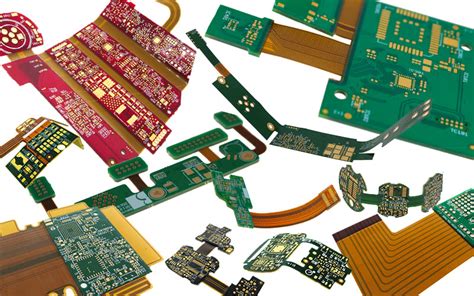
When considering flex PCBs, understanding the various stack-ups and configurations used in their design is crucial for achieving optimal performance in your multi-layer circuit applications. A typical flex PCB may feature a variety of layers, each tailored to specific functional requirements and manufacturing processes. For instance, common configurations might include a single layer of flex material with an adhesive bond to a rigid substrate or multi-layer structures that integrate both rigid and flexible materials to create compact, lightweight solutions. In the realm of pcb manufacturing, choosing the right configuration can significantly impact your project’s overall cost and efficiency.
Utilizing different layer arrangements allows you to leverage the unique properties of flexible circuits, enabling bends, twists, and compressions that traditional rigid boards cannot accommodate. This adaptive capability makes them ideal for applications in various industries such as telecommunications, automotive, and medical devices. Furthermore, collaborating with reputable pcb manufacturing companies ensures access to advanced technologies that enhance your designs’ reliability and longevity.
When assessing the pcb manufacturing cost, it is essential to consider not only the materials but also the complexity of your chosen stack-up. More intricate configurations may lead to increased production challenges, thereby affecting timelines and budgets. Thus, as you navigate options for your pcb manufacturing business, it’s important to evaluate both current needs and potential future growth while keeping flexibility at the forefront of your design strategy. By mastering these configurations, you can innovate solutions that meet modern market demands while maintaining control over costs and performance.
Advantages of Flexible Circuits in Electrical Applications
Flexible circuits, or flex PCBs, provide significant advantages within various electrical applications that traditional rigid circuits cannot match. One of the primary benefits is their ability to conform to intricate shapes within compact electronic devices, making them indispensable for modern designs. This capability not only enhances the design versatility but also contributes to weight reduction, which is critical in sectors like aerospace and medical devices. Furthermore, by integrating multiple layers within a single flexible substrate, you can optimize space, which is often a crucial factor in pcb manufacturing.
Cost-effectiveness also plays an essential role; while initial costs might be higher due to specialized processes involved with pcb manufacturing companies, the potential for lower assembly costs and reduced overall weight can offset these expenses. In addition, their durability and resistance to fatigue make them suitable for applications requiring repeated flexing without failure, ensuring longevity in your device’s performance.
Moreover, advances in pcb manufacturing techniques have led to innovative configurations that can accommodate various component placements within the circuit. This capability streamlines production processes and minimizes pcb manufacturing costs, making flexible circuits increasingly appealing for high-volume production runs. By leveraging these advantages, you can better appreciate how integrating flex PCBs into your designs not only enhances functionality but also aligns with modern trends towards more efficient and compact electronic solutions.
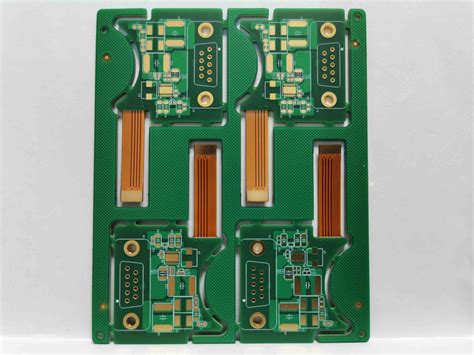
Design Considerations for Flex PCBs
When designing flex PCBs, a variety of factors must be carefully considered to ensure optimal performance and reliability. One of the first aspects to consider is the layer count; while multi-layer designs provide enhanced functionality, they can also complicate the pcb manufacturing process. You should evaluate your requirements and determine how many layers will be necessary for your specific application. This decision often ties back to your budget as well—understanding how layer count impacts pcb manufacturing cost can help you make informed choices.
Materials chosen for flexible circuits are pivotal. They not only influence flexibility but also affect electrical performance and thermal management. You might want to consult with various pcb manufacturing companies to find reliable materials that meet your design goals while adhering to industry standards. Assessing material specifications such as dielectric properties and thermal conductivity will help you in this phase.
Another critical consideration is the geometry of your flex circuit. Complex designs may require thoughtful layouts, particularly around high-flexure areas—this is where a proficient understanding of layer configurations and how they interact during flexing comes into play. Collaborating with skilled professionals in the pcb manufacturing business can significantly streamline this process, providing insight into best practices and innovative techniques that enhance durability and functionality.
Ultimately, having a well-structured design plan lays the foundation for a successful flex PCB project, ensuring that all electrical specifications are met while also accommodating flexing requirements over an extended lifecycle.
Rigid-Flex Circuit Integration: Opportunities and Challenges
The integration of rigid-flex circuits offers a compelling blend of capabilities, enabling you to leverage the advantages of both rigid and flexible designs. This hybrid approach comes with its own set of opportunities and challenges that are critical to understand in the context of PCB manufacturing. One significant opportunity lies in the efficient use of space; reducing the overall footprint while maintaining functionality is essential in today’s compact electronic devices. Additionally, by collaborating with reputable PCB manufacturing companies, you can ensure that the circuits meet stringent quality standards while optimizing performance.
However, you must navigate some challenges as well. The PCB manufacturing cost may increase due to the complexity involved in creating these multi-layer designs. Different layer configurations require careful planning and execution, making it imperative for engineers and designers to consider their approach carefully. It’s crucial to be aware of potential issues related to material compatibility and multilayer adhesion; ensuring proper bonding can significantly influence long-term reliability. As you delve deeper into rigid-flex circuit integration, staying informed about industry best practices will empower your projects by fostering innovation while effectively addressing these challenges. Ultimately, understanding these dynamics will help you enhance your PCB manufacturing business, paving the way for successful implementations in a variety of applications.
Case Studies: Successful Applications of Flex PCBs
In the realm of flexible PCB applications, numerous case studies highlight their transformative impact across various industries, showcasing effective utilization in multi-layer circuit designs. One notable application is within the consumer electronics sector, where leading PCB manufacturing companies have leveraged flex PCBs to create ultra-thin and lightweight devices that boast increased performance capabilities. For instance, smartphones and tablets have increasingly adopted these flexible circuits to accommodate advanced functionalities while keeping costs manageable.
Moreover, in the automotive industry, innovative pcb manufacturing techniques allow for intricate designs that improve connectivity and reduce space. This integration enhances vehicle designs without compromising on safety or functionality. Additionally, medical devices stand as another key area where flex PCBs shine; their ability to bend and conform allows them to fit snugly within medical instruments or wearables, optimizing both comfort and performance.
As you consider the pcb manufacturing cost, numerous examples show that although initial investments may appear daunting, the long-term savings generated from reduced material usage and increased efficiency prove beneficial for a thriving pcb manufacturing business. The success stories from these sectors underscore not only the versatility but also the enduring advantages of embracing flex PCB technology in your projects.
Conclusion and Future Trends in Flex Circuit Technology
As you navigate the evolving landscape of flex PCB technology, it’s essential to recognize the growing importance of multi-layer designs in enhancing the functionality of electronic devices. The pcb manufacturing process for these advanced circuits involves meticulous planning, especially when considering various stack-ups and configurations that maximize performance while minimizing space. In the context of your projects, collaborating with reputable pcb manufacturing companies can provide you with invaluable insights into cutting-edge techniques that drive innovation.
Understanding the pcb manufacturing cost dynamics is also critical, as it can influence your decision-making processes. You must weigh the benefits of utilizing flexible circuits against the potential costs involved, ensuring that your strategy aligns with your project’s budget constraints. Moreover, as trends emerge, such as increased integration and sustainability within pcb manufacturing business, staying informed will enable you to make informed choices that not only meet current demands but also position your designs for future advancements.
Embracing these trends will likely open new avenues for applications across various industries, making flex PCBs an integral component in tomorrow’s technology landscape. By recognizing and adapting to these changes, you allow yourself to harness the full potential of flex PCB layers, paving the way for innovative solutions in a competitive market.

Conclusion and Future Trends in Flex Circuit Technology
As you explore the world of flex PCB layers, it’s essential to recognize their growing significance in multi-layer circuit designs. The evolving landscape of electronics demands flexibility and adaptability, which is where flexible circuits shine. By utilizing various stack-ups and layer configurations, your designs can achieve a balance between performance and space efficiency. Understanding how to navigate the pcb manufacturing process is crucial, especially when considering options provided by different pcb manufacturing companies. You must account for factors such as pcb manufacturing cost, which can greatly influence project budgets and timelines.
In this ever-evolving field, keeping abreast of future trends is vital for your success in the pcb manufacturing business. Innovations in materials, techniques, and design tools are paving the way for more sophisticated applications of flex PCBs. By embracing these advancements, you can enhance your design capabilities and meet the challenges presented by compact electronic devices. As you move forward, think about how adopting cutting-edge technologies will not only improve your current projects but also open doors to new opportunities in flexible circuit solutions. Thus, maintaining an informed perspective on trends will empower you to thrive in the dynamic environment of circuit design and production.
FAQs
What are flex PCBs?
Flex PCBs, or flexible printed circuit boards, are circuits that can bend and conform to different shapes, making them highly versatile in various applications.
How do I choose the right PCB manufacturing company?
When selecting a PCB manufacturing company, consider their experience, production capabilities, certifications, and customer reviews. It’s vital to ensure they can meet your specific needs for flexibility and customization.
What factors influence PCB manufacturing cost?
The PCB manufacturing cost is influenced by factors such as the complexity of the design, the number of layers, material selection (like flexible substrates), and production volume. Additional elements like testing requirements and lead times can also affect pricing.
Can I integrate rigid and flex circuits?
Yes, integrating rigid-flex circuits is quite common. This approach combines the benefits of both traditional flexible circuits and rigid PCBs, which enables you to optimize space and facilitate assembly in compact electronic devices.
What are common applications for flex PCBs?
Flex PCBs are widely used in consumer electronics, automotive systems, medical devices, and telecommunications due to their lightweight properties and capacity for compact designs. Their adaptability makes them ideal for intricate applications that necessitate bending or folding.
For further insights on flexible printed circuit solutions tailored to your needs, please click here: PCB Manufacturing.