Exploring PCB and PCBA Technologies for Modern Electronics
Key Takeaways
Understanding the essentials of PCB and PCBA technologies is crucial for anyone involved in the electronics industry. Printed Circuit Boards (PCBs) are the foundational elements that support and connect various electronic components, while PCB Assembly (PCBA) involves the intricate process of affixing these components onto the boards. Recent advancements in these technologies have revolutionized how electronics are designed and manufactured, leading to significant improvements in both efficiency and performance.
One notable innovation is the development of high-density interconnect (HDI) PCBs, which allow for greater component density while maintaining optimal electrical performance. As a result, manufacturers can produce smaller and more efficient devices without compromising functionality. In parallel, enhancements in PCBA processes—like automated soldering techniques—have reduced assembly times and increased reliability.
Key design best practices include thorough thermal management plans and implementing redundancy for critical functions to mitigate potential failures. The impact of these advancements can be seen across diverse applications ranging from consumer electronics to automotive systems, where reliability is non-negotiable.
As emerging technologies such as Internet of Things (IoT) devices gain traction, understanding how to optimize both PCB and PCBA processes will become even more paramount. Future trends suggest a shift towards more environmentally sustainable materials in PCB manufacturing, as well as further integration of artificial intelligence to streamline design and testing workflows.
“The success of modern electronics hinges on understanding the interplay between design innovation and manufacturing precision in PCB and PCBA.”
Introduction to PCB and PCBA: The Backbone of Modern Electronics
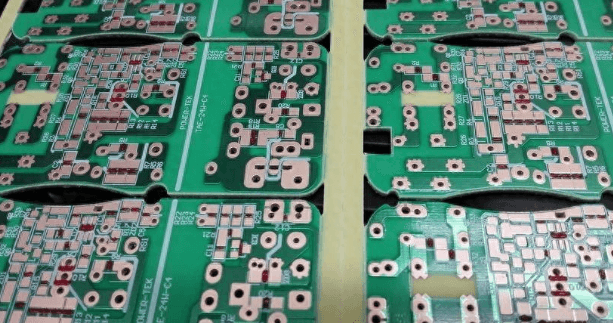
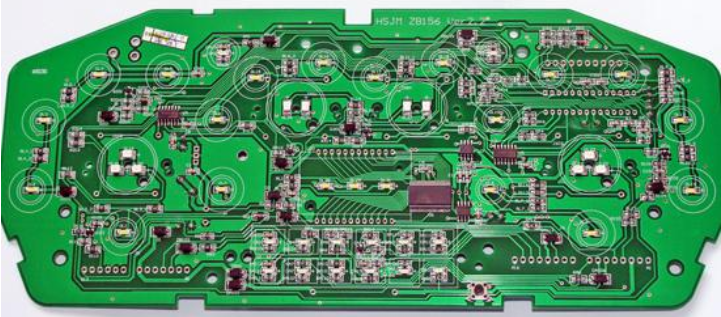
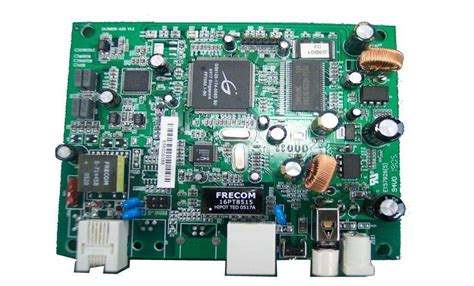
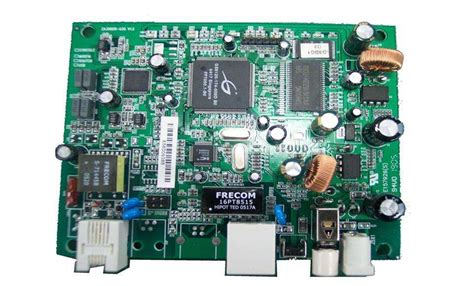
Printed Circuit Boards (PCBs) and PCB Assembly (PCBA) represent the foundational elements of today’s electronic devices. With the exponential growth of technology, the demand for PCBs that are not only functional but also capable of supporting complex designs has surged. PCBs serve as the sturdy platforms that interconnect electronic components through conductive pathways, ensuring reliable operation while minimizing size and weight. Recent advancements in PCB technologies, such as improved material compositions and automation in manufacturing processes, have significantly enhanced the durability and performance of these components. Furthermore, pcba techniques have evolved to incorporate advanced soldering methods and surface mount technology, allowing for more compact yet powerful electronic assemblies. This progression is critical as devices continue to shrink while their capabilities expand. The integration of smart technologies into PCBs facilitates high-speed data transmission and reduces power consumption, essential for modern applications ranging from consumer electronics to industrial systems. Collectively, PCB and PCBA innovations are not merely enhancements; they are driving forces behind advances in efficiency, reliability, and functionality across a broad spectrum of industries.
Recent Innovations in PCB Technology
The advent of new technologies has significantly transformed PCB (Printed Circuit Board) manufacturing methods, resulting in improved performance, efficiency, and reliability. Among the most noteworthy developments is the introduction of high-density interconnects (HDI), which enable tighter component placement and enhance circuit performance. With an increasing demand for miniaturization in electronics, HDI has become essential for not only consumer electronics but also critical devices in the automotive and medical sectors. Furthermore, advancements in materials, such as the use of low-loss substrates and flexible circuits, have opened new avenues for pcb assembly, enabling better thermal management and higher frequency operations. Innovations in soldering processes like laser soldering and selective soldering are revolutionizing PCBA (Printed Circuit Board Assembly) by enhancing precision and reducing production time. These techniques also contribute to lower production costs while maintaining high quality. As industry standards evolve, manufacturers are increasingly adopting automation technologies, such as robotic assembly lines that streamline the production of complex PCBs with minimal human intervention. These innovations not only improve the overall quality of pcba but also address issues related to waste reduction, supporting more sustainable electronics manufacturing practices. The integration of smart technologies into PCB design is also noteworthy; smart sensors are now frequently embedded within printed circuit boards to provide real-time diagnostics, streamline maintenance processes, and enhance product longevity. This multifaceted approach to innovation underscores the vital role that advanced PCB technology plays in meeting the challenges posed by modern electronics.

Advances in PCBA Techniques and Processes
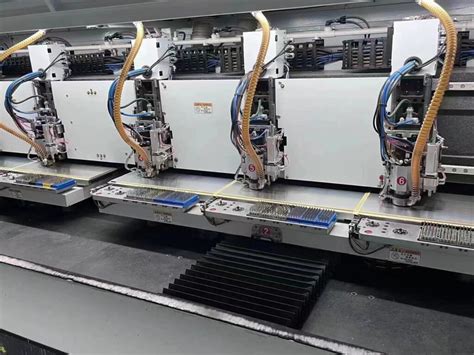
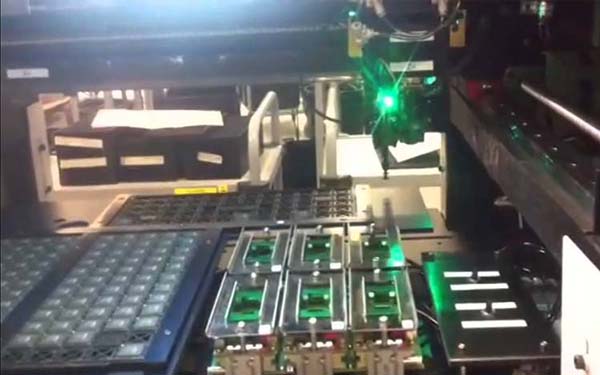
The realm of pcb assembly has undergone significant transformation in recent years, driven by the increasing demand for higher efficiency and reduced production costs. Techniques such as surface mount technology (SMT) have become prevalent, enabling more compact and complex designs while maintaining performance standards. Additionally, the integration of automation in PCBA processes has streamlined production lines, minimizing human error and enhancing precision. Innovations like automated optical inspection (AOI) systems ensure quality control at every stage of the assembly process, allowing for early detection of defects which significantly improves reliability. Furthermore, as lead-free soldering practices gain traction due to environmental regulations, manufacturers are continuously exploring alternative materials that deliver both durability and performance. These advancements not only enhance the overall performance of electronic devices but also lead to more sustainable manufacturing practices. In a rapidly evolving market, staying abreast of these pcba innovations is essential for manufacturers aiming to meet customer demands while achieving operational excellence.
Design Best Practices for Enhanced Performance
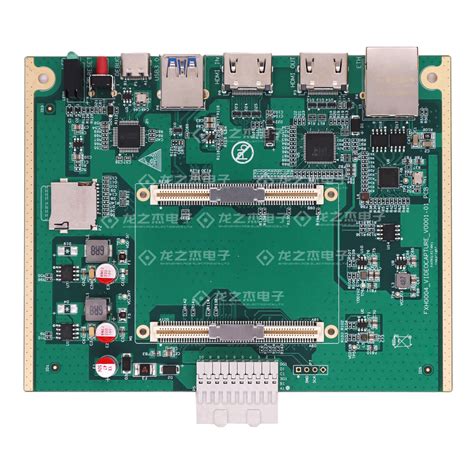
In the realm of electronics, the design of printed circuit boards (PCB) and their assembly processes (PCBA) plays a crucial role in determining the functionality and reliability of electronic devices. To enhance performance, it is essential to adopt best practices throughout the PCB design and PCBA stages. This begins with effective material selection, where designers must choose substrates that not only meet the thermal and electrical requirements but also facilitate efficient production processes. Furthermore, optimizing layout design is critical; this includes maintaining signal integrity by minimizing trace lengths and using appropriate grounding techniques.
Incorporating modern tools like CAD software helps engineers visualize their designs more effectively, allowing for real-time simulations to identify potential issues before manufacturing begins. Another key consideration is the proper placement of components during pcb assembly, ensuring that critical parts are easy to access for both assembly and future maintenance. Managing thermal management through effective routing and component placement can significantly improve the overall performance of electronic devices.
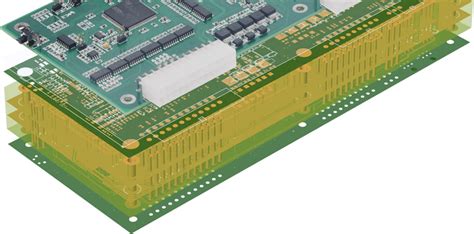
Moreover, leveraging multi-layer PCB designs can increase density while maintaining a compact form factor, which is essential in today’s electronics where space constraints are prevalent. Overall, understanding the intricacies of PCBA processes will lead to enhanced performance in final products, driving innovation across various applications ranging from consumer electronics to industrial machinery. By adhering to these design principles, engineers can significantly boost both efficiency and functionality in their final electronic solutions.
The Role of PCB and PCBA in Diverse Applications
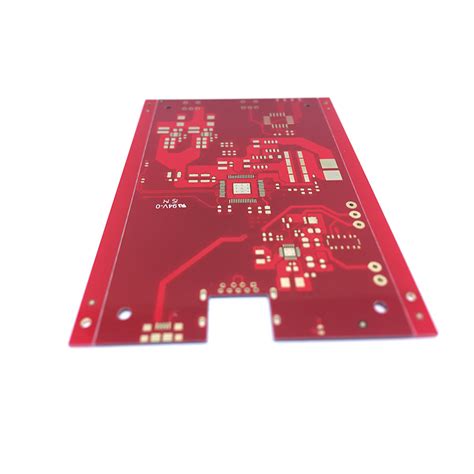
The integration of PCB (Printed Circuit Board) and PCBA (Printed Circuit Board Assembly) technologies has become indispensable across a wide range of modern applications. From consumer electronics to sophisticated aerospace systems, the role of pcb assembly is paramount in ensuring functionality, reliability, and efficiency. These technologies facilitate the interconnection of electronic components, allowing devices to perform complex tasks with remarkable precision.
In consumer electronics, for instance, the miniaturization trends demand high-density PCB designs that accommodate numerous components within a compact footprint. This is where advancements in PCBA processes come into play, enabling quicker assembly times without compromising on quality. Furthermore, industries such as automotive are increasingly relying on these technologies to meet stringent safety and performance standards. The incorporation of advanced features like embedded passive components and multi-layer construction techniques significantly enhances the performance of vital systems, including navigation and control units.
The electronics sector also benefits from the adaptability offered by pcb assembly methods which allow for more flexible design adaptations. This tailors the PCBs to specific application requirements while maintaining robust performance under varying environmental conditions. Overall, as we see a surge in IoT devices and smart technologies, the importance of PCB and PCBA continues to grow; their innovative designs directly impact not only operational efficiency but also the overall user experience across diverse markets.
Impact of Emerging Technologies on PCB and PCBA Efficiency
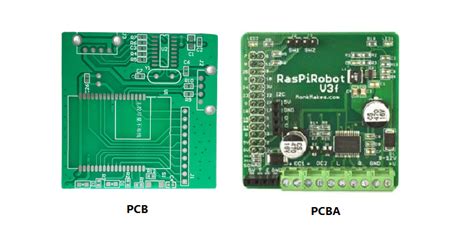
The efficiency of PCB and PCBA processes has significantly improved due to emerging technologies that streamline production and enhance functionality. Innovations such as automated assembly lines, advanced materials, and design simulation tools have fundamentally transformed how pcb assembly is approached. For instance, the integration of machine learning algorithms enables predictive maintenance, reducing downtime during the manufacturing process. Moreover, developments in 3D printing technology facilitate rapid prototyping, allowing designers to test concepts without extensive lead times, thus accelerating the design cycle. One notable advancement is the use of flexible printed circuits, which offer remarkable adaptability in compact electronic devices, enhancing their performance while minimizing space constraints. Consequently, these advancements not only optimize operational efficiency but also enable manufacturers to meet the growing demands for smaller, lighter, and more complex electronics. The confluence of these technologies ensures that PCB and PCBA are not merely components but rather critical elements driving innovation across various industries, from consumer electronics to automotive applications. As a result, staying abreast of these trends is essential for those involved in the design and production of electronic systems, as they navigate an increasingly competitive landscape shaped by technological progress.
Future Trends in PCB and PCBA Development
As we look forward in the realm of PCB and PCBA technologies, several key trends are poised to shape the future landscape of modern electronics. One notable direction is the ongoing miniaturization of components, which demands increasingly sophisticated pcb assembly techniques. This trend is leading to the development of more compact and efficient designs that not only enhance performance but also reduce production costs. The integration of HDI (High-Density Interconnect) technology is critical, as it enables the creation of intricate circuit layouts that can accommodate more functionality within a smaller footprint.
Moreover, sustainability is becoming a central focus in the PCBA industry. Manufacturers are increasingly adopting environmentally friendly materials and processes, aiming to minimize waste and energy consumption during production. This shift not only responds to regulatory demands but also caters to consumer preferences for products that have a lesser environmental impact. Additionally, advancements in smart manufacturing technologies, such as automation and the Internet of Things (IoT), are set to enhance operational efficiency throughout the PCB supply chain.
Furthermore, we can expect an increase in collaboration between industries as sectors like automotive and renewable energy increasingly harness pcb assembly technologies for their cutting-edge applications. With electric vehicles and solar energy systems gaining traction, there will be a growing requirement for durable and reliable PCBA solutions tailored specifically for these fields.
In summary, as we advance into this new technological era, embracing innovation while focusing on sustainability will be key drivers for success in the development of PCB and PCBA solutions. These trends not only promise enhanced functionality but also underscore the importance of adaptability in an ever-evolving electronics market.
Conclusion
In summary, the evolution of PCB and PCBA technologies has significantly shaped the landscape of modern electronics. The importance of pcb assembly processes cannot be overstated, as they ensure that electronic components are securely and effectively integrated onto printed circuit boards. Recent innovations have led to improved methodologies that enhance both the efficiency and performance of these assemblies. Moreover, the ongoing advancements in materials and techniques are pivotal in optimizing the durability and reliability of products across various industries. As emerging technologies continue to influence the design and production processes, we can expect to see further enhancements in speed, cost-effectiveness, and overall quality. Such developments not only cater to current market demands but also anticipate future challenges, ensuring that PCB and PCBA remain at the forefront of electronic manufacturing excellence. The intricate relationship between these components exemplifies their essential roles in paving the way for groundbreaking applications that meet the needs of a rapidly advancing technological world.
FAQs
What is PCB assembly (PCBA) and why is it important?
PCB assembly, commonly referred to as PCBA, is the process of mounting electronic components onto a printed circuit board (PCB). This process is vital because it transforms bare PCBs into functional electronic circuits that power a vast array of devices in our daily lives.
What are the key steps involved in the PCB assembly process?
The PCB assembly process includes solder paste application, component placement, reflow soldering, and inspection. Each step ensures that components are properly affixed and that electrical connections are reliable, leading to improved performance in devices.
What innovations have emerged in PCB and PCBA technologies?
Recent innovations include advanced materials for PCBs that enhance thermal management, as well as high-speed assembly techniques that reduce production times. Furthermore, automation has branched into PCBA, optimizing both precision and efficiency in the manufacturing process.
How do design best practices impact PCB and PCBA performance?
Implementing design best practices—such as proper layout techniques and adhering to electrical standards—significantly boosts the reliability and efficiency of both PCB and PCBA. These practices minimize errors during manufacturing, enhancing overall device performance.
In what applications are PCBs and PCBA most commonly used?
PCBs and PCBA are ubiquitous across various sectors including consumer electronics, automotive systems, telecommunications, and medical devices. Their ability to support complex circuits makes them indispensable in modern technology.
For more detailed insights on PCB assembly, please visit our site: