Exploring the Essentials of Assembled PCB Components
Key Takeaways
Understanding the essentials of assembled PCB components is crucial for anyone involved in pcb assembly. Each component has a specific role that contributes to the overall functionality and efficiency of the final product. Passive components like resistors and capacitors help manage voltage and current, while active components, such as integrated circuits, are essential for processing signals and powering various functionalities. When selecting components for pcba, it’s important to consider factors like size, compatibility, and performance requirements. This ensures that the assembled PCB meets operational standards while remaining cost-effective. Furthermore, mastering assembly techniques can significantly enhance the reliability of the final product. Skilled technicians utilize methods like surface mount technology (SMT) and through-hole assembly to achieve optimal connections between components. Ultimately, a comprehensive understanding of these elements not only minimizes common challenges faced during assembly but also enhances the longevity and performance of electronic devices in various applications.
Introduction to Assembled PCB Components
Assembled PCBs (Printed Circuit Boards) serve as the backbone of modern electronic devices, integrating various components that work together seamlessly. Understanding the significance of each component in a PCB assembly is crucial for both manufacturers and engineers. From capacitors and resistors to microcontrollers and connectors, each part plays a unique role in ensuring the functionality and efficiency of electronic products. The selection process for these components is critical. Factors such as performance requirements, cost, size, and thermal characteristics must be carefully evaluated to achieve optimal results in pcba processes. Moreover, the methods used for assembly—be it surface mount technology (SMT) or through-hole techniques—can substantially influence the reliability and durability of the end product. A well-executed PCB assembly not only enhances performance but also contributes to a more streamlined manufacturing process, ultimately impacting cost-effectiveness and time-to-market. Understanding these essentials is imperative for anyone involved in designing or producing electronic devices that meet today’s demanding standards.
Key Components of Assembled PCBs and Their Functions
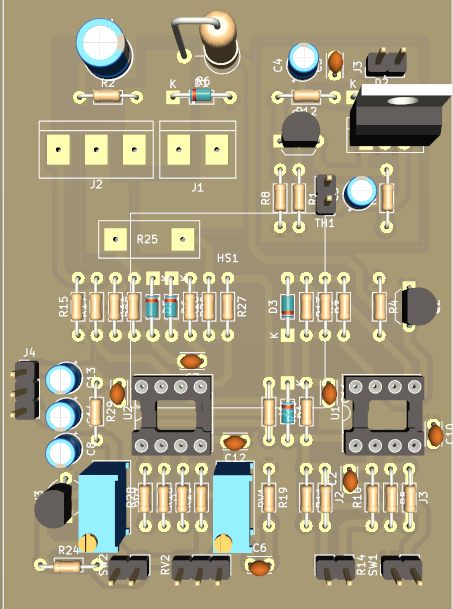
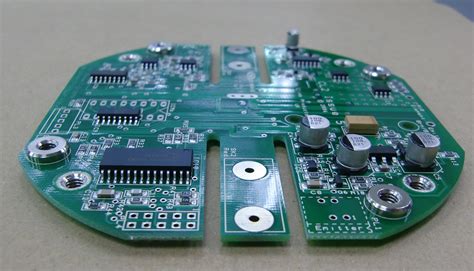
Assembled PCBs, commonly referred to as PCBA, serve as the backbone of modern electronic devices, integrating a variety of essential components that work in harmony. These components can be broadly categorized into several types, each playing a pivotal role in ensuring the functionality and reliability of the overall system.
Table of Key Components
| Component Type | Function |
|---|---|
| Resistors | Control current; manage signal levels |
| Capacitors | Store and release energy; filter signals |
| Diodes | Allow current to flow in one direction; protect circuits |
| Transistors | Switch or amplify electronic signals |
| Integrated Circuits (ICs) | Perform complex functions; miniaturized circuitry |
Resistors are essential for controlling current flow, ensuring that components receive optimal input without risk of damage. Capacitors complement this by storing energy during operations and filtering out any noise that may affect signal integrity. Diodes enhance circuit protection by ensuring that currents flow in a designated direction, thereby safeguarding sensitive components from reverse voltage spikes.
Transistors are crucial for both switching applications and signal amplification, enabling circuits to process large amounts of information efficiently. In modern designs, integrated circuits (ICs) have become indispensable, as they combine numerous functionalities into a single package, greatly reducing space requirements on the board.
When considering PCB assembly, the careful selection and integration of these components is vital not only for performance but also for longevity. The intricate relationships between these elements dictate the efficiency and reliability of the electronic devices we utilize every day. Understanding each component’s specific role provides insight into how assembled PCBs operate optimally within various applications, paving the way for innovations in technology.
Criteria for Selecting PCB Components
Selecting the right components for PCB assembly is crucial to ensuring the performance and reliability of the final product. A well-assembled PCBA requires components that not only meet the functional design specifications but also align with specific performance criteria. Fundamental factors to consider include form factor, thermal performance, and electrical characteristics. The physical dimensions of a component should fit seamlessly within the designated space on the printed circuit board, bearing in mind height restrictions and proximity to other elements. Furthermore, thermal performance is paramount; components must be capable of operating within defined temperature ranges while dissipating heat effectively.
Moreover, electrical characteristics such as impedance, capacitance, and tolerance levels must align with the overall design requirements of the board. It is vital to select components that can withstand electrical stresses and offer a long lifespan in varied operational environments. Availability and supply chain considerations also play a critical role; opting for widely-supported components can ease procurement challenges and minimize lead times. Additionally, examining a component’s quality is fundamental as it directly impacts long-term reliability and compliance with industry standards. By carefully evaluating these criteria, designers can ensure that their assembled PCBs not only function correctly but also maintain high durability and efficiency in electronic applications.
Techniques for Efficient PCB Assembly
Efficient PCB assembly is crucial in the production of reliable electronic devices, and it involves a blend of advanced techniques and best practices. One of the most effective methods in PCBA is the utilization of Surface Mount Technology (SMT), which allows components to be placed directly onto the surface of a printed circuit board, reducing space and enabling higher component density. Additionally, through-hole technology continues to play a significant role, especially for components that require extra mechanical strength.
Assembling PCB involves meticulous attention to detail. Application of solder paste through automated stencil printers guarantees precision in soldering processes. Furthermore, reflow soldering is often employed to ensure components are securely attached without damaging sensitive parts. To optimize the performance of PCBA, it is also essential to perform thorough inspections using Automated Optical Inspection (AOI) systems, which can detect defects at an early stage.
“Investing in quality machinery for PCB assembly can significantly enhance production efficiency and product reliability.”
Another pivotal aspect is the selection of high-quality components that fit seamlessly within the design specifications. Understanding how different component materials react during heat cycles can help avoid issues like thermal stress or component failure over time. It’s not only about assembling parts together; it’s about creating a cohesive and enduring electronic solution.
Utilizing these techniques effectively contributes to the overall efficiency and reliability of your final product, ensuring that each assembly aligns with industry standards while maintaining an optimal performance level throughout its lifecycle.
Common Challenges in Assembling PCBs and Solutions
Assembling PCBs can present a variety of challenges that impact both the efficiency of production and the overall performance of electronic devices. One common issue is misalignment of components during the pcb assembly process, which can lead to poor connections and ultimately device failure. To tackle this, implementing precise alignment technologies such as automated optical inspection (AOI) can be beneficial. Another challenge is dealing with soldering defects, which may arise from factors such as inadequate heat management or poor solder material quality. Utilizing advanced soldering techniques, like selective soldering or reflow soldering, can minimize these defects and ensure reliable joints in the assembly process. Additionally, component integration presents its difficulties, especially when various types of components have different requirements for optimal performance in a single system. Employing robust design practices along with standardized guidelines for tolerance can help mitigate these integration issues. By proactively addressing these challenges with effective solutions, manufacturers can enhance the quality and reliability of their pcb assembly processes, ultimately leading to superior products in a competitive market.
The Impact of Component Quality on PCB Performance
The quality of components used in pcb assembly directly influences the overall performance and reliability of the final product. When selecting components for a PCBA, it is essential to consider aspects such as materials, tolerances, and thermal performance. High-quality components are less prone to failure, which can lead to significant enhancements in the functionality of electronic devices. For instance, using durable capacitors and resistors can significantly reduce noise and improve signal integrity. Additionally, the integration process during pcb assembly can be affected by component characteristics; misaligned or poor-quality parts can result in faulty connections and reduce yield rates. Employing rigorous testing protocols for component selection not only enhances performance but also ensures longevity in various applications, from consumer electronics to industrial systems. The impact of quality extends beyond immediate performance—investments in superior components ultimately lead to lower maintenance costs and improved customer satisfaction over the product’s lifecycle. Thus, understanding the relationship between component quality and overall PCB performance remains a pivotal aspect of successful electronics engineering.
Future Trends in PCB Component Technology
As the electronics industry continues to evolve, the landscape of PCB assembly and PCBA is experiencing significant transformations driven by technological advancements. One of the most prominent trends is the integration of smart components equipped with embedded intelligence. These components not only enhance functionality but also facilitate real-time data processing, which aligns with the surge in demand for interconnected devices within the Internet of Things (IoT) ecosystem. Additionally, there is a growing emphasis on miniaturization, as manufacturers strive for smaller and more efficient designs without sacrificing performance. This trend encourages the development of densely packed components that optimize space on the board while maintaining reliability.
Moreover, sustainability has become a crucial focus in PCB component technology. The industry is shifting towards using materials that are environmentally friendly and integrating recycling practices throughout the manufacturing processes. This transition not only meets regulatory requirements but also appeals to an increasingly eco-conscious consumer base. In terms of assembly techniques, automation and robotics are being widely adopted to enhance precision and efficiency in PCB assembly processes, ultimately reducing production time and costs.
Furthermore, advancements in testing and quality assurance technologies are ensuring that each component meets high-performance standards before they are assembled into circuits. As manufacturers become more reliant on data-driven insights to inform production decisions, predictive analytics will play a key role in anticipating challenges during assembly processes.
In conclusion, the future of PCB component technology is marked by innovation that focuses on efficiency, sustainability, and smarter design principles leading to an improved overall performance in electronic devices.
Conclusion
In summary, understanding the essentials of assembled PCB components is crucial for anyone involved in electronics design and manufacturing. Each component plays a significant role in the overall functionality and reliability of the PCB assembly. From capacitors and resistors to integrated circuits, the selection of these elements must be guided by specific performance criteria and application requirements. The pcba process not only demands attention to detail during component placement but also requires suitable techniques to ensure optimal connectivity and durability. As technology continues to advance, staying updated with current trends can enhance both the efficiency of PCB assembly and the performance of end devices. Ultimately, a strategic approach to component selection and assembly techniques will foster innovation in electronic design and create more robust systems in an increasingly connected world.
FAQs
What is an assembled PCB?
An assembled PCB, also known as PCBA, is a printed circuit board that has been populated with electronic components. These components are strategically placed and soldered onto the board to create a functional electronic device.
What are the main components of an assembled PCB?
The main components of an assembled PCB include resistors, capacitors, diodes, and integrated circuits (ICs). Each of these elements performs unique functions, contributing to the overall performance and reliability of the electronic system.
How do I choose the right components for PCB assembly?
Selecting the right components involves considering factors such as performance specifications, size, compatibility with other parts, and cost-effectiveness. It’s vital to ensure that each component meets the requirements of your specific application.
What techniques are used in efficient PCB assembly?
Common techniques in efficient PCB assembly include surface mount technology (SMT), through-hole technology, and mixed technology assembly. These methods optimize space and improve connections which enhance overall device functionality.
What challenges might arise during PCBA, and how can they be addressed?
Challenges such as component misalignment, soldering defects, or inadequate thermal management may occur during assembly. Addressing these requires rigorous quality control procedures and utilizing advanced technologies to minimize errors.
How does the quality of components affect PCB performance?
The quality of each component significantly impacts not only reliability but also the longevity of the device. High-quality components can enhance overall performance and reduce failure rates in electronic applications.