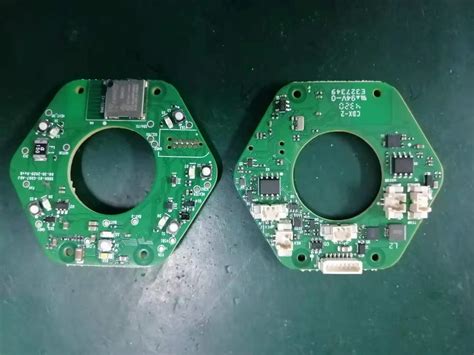
Fast PCB Production: Revolutionizing Electronics Manufacturing
Introduction
In the rapidly evolving world of electronics, speed is a critical factor in staying competitive. Fast PCB (Printed Circuit Board) production has emerged as a game-changer, enabling companies to reduce development cycles, accelerate prototyping, and bring products to market faster than ever before. With advancements in manufacturing technologies, automation, and design software, PCB fabrication that once took weeks can now be completed in days or even hours.
This article explores the key aspects of fast PCB production, including its benefits, technologies driving speed improvements, challenges, and future trends. By understanding these elements, engineers, designers, and manufacturers can optimize their workflows to leverage the full potential of rapid PCB fabrication.
The Need for Fast PCB Production
1. Accelerating Product Development
The electronics industry thrives on innovation, and companies must continuously iterate designs to stay ahead. Traditional PCB manufacturing processes involve multiple stages—design, prototyping, testing, and mass production—each contributing to delays. Fast PCB production compresses this timeline, allowing engineers to quickly test and refine designs.
2. Meeting Market Demands
Consumer expectations for faster product releases put pressure on manufacturers to shorten lead times. Whether for IoT devices, automotive electronics, or medical equipment, rapid PCB fabrication ensures that companies can respond swiftly to market needs.
3. Reducing Costs
Prototyping iterations can be expensive, especially when outsourcing to conventional PCB manufacturers with long lead times. In-house or rapid-turn PCB services minimize costs by enabling quick design adjustments without significant delays.
4. Supporting Agile Manufacturing
Agile methodologies require flexibility in production. Fast PCB production aligns with just-in-time manufacturing, reducing inventory costs and allowing for last-minute design changes.
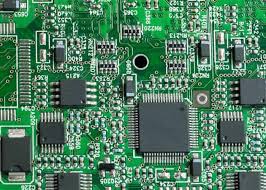
Technologies Enabling Fast PCB Production
Several key technologies and methodologies contribute to the acceleration of PCB manufacturing:
1. Advanced PCB Design Software
Modern EDA (Electronic Design Automation) tools like Altium Designer, KiCad, and Eagle streamline the design process with features such as:
- Real-time Design Rule Checks (DRC): Minimizes errors before fabrication.
- Automated Routing: Speeds up trace layout.
- Cloud Collaboration: Allows teams to work simultaneously on designs.
2. Rapid Prototyping Machines
- Desktop PCB Mills (e.g., Bantam Tools, LPKF): Enable in-house PCB milling for quick prototyping.
- 3D Printing of PCBs: Emerging additive manufacturing techniques allow conductive traces to be printed directly onto substrates.
3. High-Speed PCB Fabrication Techniques
- Laser Direct Imaging (LDI): Replaces traditional photomasks, speeding up exposure processes.
- Automated Optical Inspection (AOI): Reduces manual verification time.
- Direct Metallization: Eliminates chemical processes, speeding up plating.
4. Quick-Turn PCB Services
Many manufacturers now offer expedited services:
- 24-Hour Turnaround: For simple 2-layer boards.
- 48-72 Hour Production: For multilayer and complex designs.
- Flexible Order Quantities: From single prototypes to small batches.
5. Modular and Open-Source PCB Designs
- Pre-Designed Modules: Reduce design time by integrating off-the-shelf components.
- Open-Source Hardware (e.g., Arduino, Raspberry Pi): Accelerates development with community-supported designs.
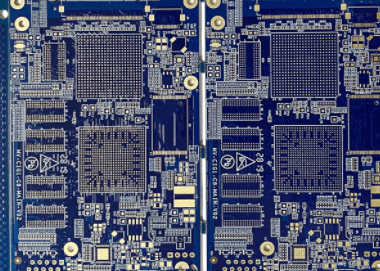
Challenges in Fast PCB Production
Despite its advantages, fast PCB production faces several challenges:
1. Trade-offs Between Speed and Quality
Rushing fabrication can lead to defects like poor soldering, misaligned layers, or signal integrity issues. Manufacturers must balance speed with stringent quality controls.
2. Limitations in High-Density Designs
Complex PCBs with HDI (High-Density Interconnect) or fine-pitch components may still require longer lead times due to precision requirements.
3. Material Availability
Expedited production depends on the availability of specialized materials (e.g., high-frequency laminates), which may not always be in stock.
4. Cost Implications
While fast PCB production reduces time-to-market, expedited services often come at a premium, impacting budgets for small-scale projects.
5. Environmental Concerns
Chemical etching and waste disposal in rapid PCB manufacturing must comply with environmental regulations, requiring sustainable alternatives.
Future Trends in Fast PCB Production
1. AI and Machine Learning in PCB Design
- Automated Optimization: AI-driven tools can suggest design improvements for manufacturability.
- Predictive Analytics: Identifies potential defects before production.
2. Fully Automated PCB Factories
- Robotic Assembly Lines: Reduce human intervention, increasing speed and consistency.
- Smart Manufacturing (Industry 4.0): IoT-enabled machines communicate to optimize workflows.
3. On-Demand and Distributed Manufacturing
- Localized PCB Hubs: Reduce shipping delays with regional quick-turn manufacturers.
- Cloud-Based Fabrication: Upload designs to global networks for instant quoting and production.
4. Sustainable PCB Production
- Green Manufacturing: Use of lead-free materials and reduced chemical waste.
- Recyclable PCBs: Development of biodegradable substrates.
5. Integration with Additive Manufacturing
- 3D-Printed Electronics: Combining PCBs with structural components in a single print.
- Inkjet Printing of Circuits: Enables ultra-fast prototyping without etching.
Conclusion
Fast PCB production is transforming the electronics industry by drastically reducing development cycles and enabling rapid innovation. With advancements in design software, manufacturing technologies, and supply chain optimization, companies can now produce high-quality PCBs in record time. However, challenges such as quality control, material constraints, and cost must be carefully managed.
Looking ahead, emerging trends like AI-driven design, automated factories, and sustainable manufacturing promise to further accelerate PCB production while maintaining reliability. As the demand for faster, smarter, and more efficient electronics grows, fast PCB fabrication will remain a cornerstone of modern electronics development.
By embracing these technologies and methodologies, engineers and manufacturers can stay ahead in an increasingly competitive landscape, delivering cutting-edge products at unprecedented speeds.