Fast-Track PCB Manufacturing via Digital Solutions
Key Takeaways
When exploring PCB manufacturing solutions, understanding core efficiency drivers can transform your project outcomes. Modern PCB manufacturing companies leverage digital tools to slash production timelines—some offer 24-hour prototyping to accelerate product development cycles. By integrating real-time design optimization platforms, you can identify potential flaws early, reducing costly revisions.
"Always verify if your provider uses automated quoting systems—this ensures transparent PCB manufacturing cost estimates before committing to production."
For startups or scaled operations, balancing PCB manufacturing business expenses is critical. Cloud-based collaboration platforms enable seamless communication across global teams, while automated assembly lines handle complex multilayer designs with precision. Competitive pricing models (as low as $2 for 5 pieces) make small-batch prototyping accessible, though bulk orders often unlock deeper discounts.
To streamline workflows, prioritize vendors offering end-to-end digital integration—from design validation to instant logistics tracking. This eliminates manual handoffs and ensures consistency, whether you’re iterating prototypes or scaling to mass production.
Digital PCB Fabrication Speed Strategies
To accelerate PCB manufacturing, leading PCB manufacturing companies leverage advanced digital workflows that compress timelines without sacrificing quality. By integrating real-time design validation tools, you can identify and resolve errors before production begins, eliminating costly revisions. Cloud-based platforms enable seamless collaboration between engineers and manufacturers, ensuring design specifications align perfectly with fabrication capabilities. This synergy reduces PCB manufacturing cost by minimizing material waste and avoiding delays.
Automated quoting systems further streamline processes, providing instant price estimates based on your project’s complexity and volume. For high-mix, low-volume orders—common in prototyping—digital factories optimize machine scheduling to deliver 24-hour turnaround times. Such agility is critical for PCB manufacturing business models targeting startups or R&D teams needing rapid iterations. Additionally, AI-driven analytics predict potential bottlenecks, allowing proactive adjustments to maintain speed. By adopting these strategies, you transform traditional fabrication into a dynamic, demand-responsive process that scales with your ambitions.
24-Hour Prototyping for Rapid Manufacturing
When developing hardware projects, you need PCB manufacturing solutions that align with tight deadlines without compromising quality. Modern digital platforms enable PCB manufacturing companies to deliver functional prototypes within 24 hours, slashing traditional lead times by up to 80%. By integrating automated design analysis and machine-ready file processing, these systems eliminate manual bottlenecks, allowing you to iterate designs faster and validate concepts in near-real time.
The PCB manufacturing cost for rapid prototyping starts at competitive rates—as low as $2 for 5 pieces—making it feasible even for startups or low-volume projects. Advanced cloud-based tools let you monitor production stages remotely, ensuring transparency while reducing errors. For businesses scaling operations, this agility directly impacts the PCB manufacturing business model by accelerating time-to-market and minimizing downtime between design revisions.
Seamless transitions from prototyping to full-scale production are achieved through unified digital workflows, where real-time collaboration ensures engineers and manufacturers stay synchronized. This approach not only streamlines complex projects but also positions your team to respond dynamically to market demands, setting a new standard for efficiency in electronics development.
Real-Time PCB Design Optimization Tools
When developing complex electronics, PCB manufacturing efficiency hinges on how well you navigate design challenges. Modern real-time optimization tools eliminate guesswork by analyzing your layout against PCB manufacturing cost drivers and production constraints as you design. These platforms integrate with industry-standard software, flagging potential issues like impedance mismatches or thermal hotspots before they escalate.
Leading PCB manufacturing companies leverage these tools to reduce prototyping cycles by up to 40%, as engineers can instantly validate designs against material specifications and assembly tolerances. For instance, automated design rule checks (DRCs) adapt to your chosen manufacturer’s capabilities, preventing costly revisions. You’ll also gain visibility into how component placement impacts PCB manufacturing business logistics—such as panelization efficiency or solder mask alignment—enabling data-driven adjustments.
By pairing these tools with cloud-based collaboration, teams working across time zones can iteratively refine layouts while maintaining version control. This seamless workflow not only accelerates time-to-market but ensures your final design aligns with both technical requirements and budgetary targets. Transitioning to such systems positions you to tackle high-density interconnects or mixed-signal boards without compromising scalability—a critical advantage as project complexity grows.
Affordable PCB Solutions From 2/5pcs
When sourcing PCB manufacturing services, balancing quality and affordability is critical. Leading PCB manufacturing companies now offer entry-level pricing starting at $2 for 5 pieces, making prototyping accessible even for tight budgets. By leveraging automated quoting systems and standardized processes, these providers reduce PCB manufacturing cost without compromising on material integrity or design precision.
For startups or businesses scaling production, this pricing model eliminates upfront financial barriers. Advanced platforms enable you to upload designs, select materials, and adjust layer counts while instantly calculating real-time estimates. Whether you’re testing a new concept or preparing for mass production, transparent pricing tiers ensure predictable budgeting.
The shift to digital workflows also benefits PCB manufacturing business operations. Cloud-based tools streamline order tracking, reducing administrative overhead, while bulk-order discounts kick in seamlessly as volumes grow. This flexibility allows you to prioritize high-value tasks—like design iteration or market testing—while relying on automated systems to handle fabrication logistics.
By integrating cost-efficient strategies with scalable solutions, modern providers empower you to navigate complex projects confidently. Whether optimizing for economies of scale or exploring niche applications, affordable entry points ensure your innovations stay financially viable from prototype to production.
Cloud-Based PCB Design Collaboration Platforms
Modern PCB manufacturing workflows demand seamless coordination between designers, engineers, and PCB manufacturing companies—especially for geographically dispersed teams. Cloud-based platforms address this by enabling real-time synchronization of design files, annotations, and feedback across stakeholders. You can instantly share updates, track revisions, and resolve conflicts without email chains or version mismatches, ensuring alignment between your design intent and production requirements. These tools often integrate with PCB manufacturing cost estimators, allowing you to simulate budgetary impacts of material choices or layer counts before finalizing designs. For PCB manufacturing businesses, this reduces costly re-spins caused by design discrepancies, while clients gain visibility into timelines and technical constraints. By centralizing communication, these platforms compress iteration cycles, letting you focus on innovation rather than administrative overhead—a critical advantage in fast-paced electronics development.
Automated Manufacturing for Complex Projects
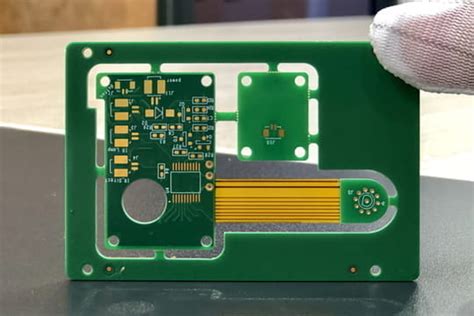
When tackling intricate PCB designs, automated manufacturing eliminates bottlenecks caused by manual processes. Advanced digital workflows integrate AI-driven inspection systems and machine learning algorithms to handle multi-layer boards, high-density interconnects (HDIs), and impedance-controlled traces with precision. For PCB manufacturing companies, this automation translates to fewer errors, faster turnaround times, and scalable solutions—critical when balancing PCB manufacturing cost with technical complexity.
You no longer need to sacrifice quality for speed. Real-time analytics track production metrics, flagging potential issues like material mismatches or signal integrity risks before fabrication begins. This proactive approach reduces rework, ensuring even the most demanding projects stay within budget. Leading providers now pair these systems with customizable design rule checks (DRCs), letting you adjust parameters for specialized applications like RF or flex circuits.
By leveraging automated tools, PCB manufacturing businesses can streamline workflows while maintaining competitive pricing—ideal for startups and enterprises alike. Whether you’re prototyping a 20-layer board or optimizing for EMI shielding, intelligent automation ensures consistency across batches, transforming complex challenges into repeatable processes.
Global PCB Services With Instant Quotes
When sourcing PCB manufacturing services globally, you no longer need to navigate fragmented supply chains or endure lengthy quote processes. Leading PCB manufacturing companies now leverage digital platforms to provide instant, location-agnostic pricing, enabling you to compare PCB manufacturing cost across regions in seconds. Whether your project requires high-density interconnects or flexible substrates, these platforms aggregate data from certified partners worldwide, ensuring transparency without compromising quality.
By integrating automated design analysis and material cost algorithms, these systems eliminate manual back-and-forth, allowing you to prioritize speed or budget with precision. For startups and enterprises alike, this democratizes access to scalable PCB manufacturing business solutions—whether you’re ordering 5 prototypes or 10,000 production-grade boards. Real-time currency conversion and logistics calculators further refine decision-making, accounting for tariffs or shipping timelines.
This shift toward unified global services doesn’t just reduce overhead—it transforms how you approach complex, multi-phase projects. Seamless transitions from prototyping to mass production become achievable, with consistent quality benchmarks enforced across borders. The result? Faster time-to-market, fewer logistical bottlenecks, and a clearer path to optimizing your PCB manufacturing cost structure at every scale.
Streamlined Assembly With Digital Workflows
Modern PCB manufacturing thrives on digitally integrated workflows that eliminate traditional bottlenecks. By adopting automated assembly processes, PCB manufacturing companies can synchronize design files, component sourcing, and production schedules in a unified platform. Imagine submitting your Gerber files and instantly receiving feedback on manufacturability—no back-and-forth emails. Advanced algorithms cross-check BOM lists against real-time supplier inventories, flagging potential delays before they impact timelines.
For projects with tight budgets, digital tools help optimize PCB manufacturing cost by simulating material usage and suggesting cost-effective alternatives without compromising quality. Cloud-based dashboards allow you to track assembly progress 24/7, while AI-driven error detection minimizes rework. This precision is critical for scaling a PCB manufacturing business, as it ensures consistent output even for high-mix, low-volume orders.
Seamless collaboration extends beyond your team—suppliers and clients can access shared project portals, reducing miscommunication. Whether you’re prototyping or ramping up production, these workflows compress lead times by 30–50%, letting you focus on innovation rather than logistics. The result? Faster time-to-market and a competitive edge in an industry where agility defines success.
Conclusion
As you evaluate modern solutions for pcb manufacturing, it becomes clear that digital advancements are reshaping how pcb manufacturing companies deliver value. By integrating real-time design validation and cloud collaboration, these platforms minimize errors while accelerating production timelines—critical for staying competitive in fast-paced industries. Transparent pricing models further address concerns around pcb manufacturing cost, offering scalable options from prototyping to mass production without hidden fees.
For businesses managing a pcb manufacturing business, automation tools simplify handling complex designs, ensuring precision even for multilayer or high-density boards. Instant quoting systems paired with 24/7 accessibility eliminate traditional bottlenecks, allowing you to focus on innovation rather than logistics. Globally distributed manufacturing networks also enhance flexibility, enabling you to balance speed and pcb manufacturing cost while meeting regional compliance standards.
Ultimately, adopting digital-first strategies ensures you leverage cutting-edge efficiencies—whether optimizing designs iteratively or streamlining supply chains—to deliver reliable, cost-effective solutions in an increasingly demanding market.
Frequently Asked Questions
How do digital solutions accelerate pcb manufacturing timelines?
Modern pcb manufacturing companies leverage automated workflows and cloud-based design validation to eliminate manual delays. You can receive functional prototypes within 24 hours, even for multi-layer designs.
What factors influence pcb manufacturing cost for small batches?
Costs depend on material selection, layer count, and turnaround speed. However, competitive pricing models now start at $2/5pcs for basic prototypes, making low-volume production accessible for startups.
Can digital tools handle complex pcb manufacturing business requirements?
Yes. Advanced platforms support impedance control, HDI layouts, and rigid-flex designs through real-time DFM checks. Automated error detection ensures compliance with industry standards before production begins.
How do global pcb manufacturing services maintain quality consistency?
Certified partners use standardized digital workflows across facilities, paired with IoT-enabled quality monitoring. You receive real-time production updates and Certificates of Conformance (CoC) upon completion.
Ready to Optimize Your PCB Project? Click Here for Instant Quotes
Are collaborative tools available for remote teams in pcb manufacturing?
Cloud-based platforms allow engineers worldwide to co-edit designs, track revisions, and approve files digitally. This reduces communication gaps and accelerates time-to-market by 30–50%.
What safeguards protect intellectual property with online pcb manufacturing companies?
Reputable providers employ AES-256 encryption, NDAs, and isolated production lines. Your design files remain confidential throughout the fabrication process.