Flex cable for pcb
Understanding The Basics Of Flex Cable For PCB Applications
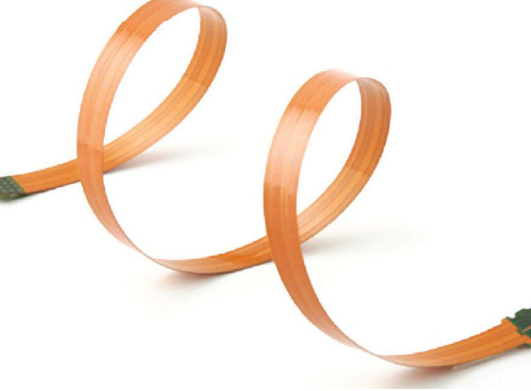
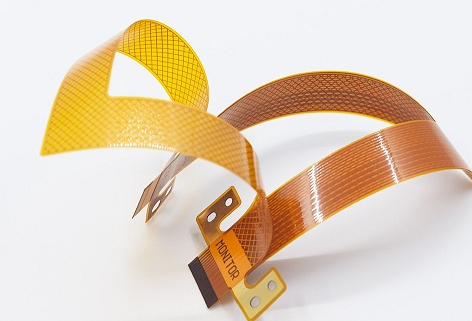
Flex cables, also known as flexible printed circuits (FPCs), are essential components in modern electronic devices, offering a versatile solution for connecting various parts of a printed circuit board (PCB).
These cables are characterized by their flexibility, lightweight nature, and ability to fit into compact spaces, making them indispensable in applications where traditional rigid PCBs would be impractical. Understanding the basics of flex cables for PCB applications involves delving into their structure, benefits, and typical uses.
At the core of a flex cable is a thin, flexible substrate, usually made from polyimide or polyester materials.
This substrate provides the necessary flexibility while maintaining electrical insulation. Conductive traces, typically made of copper, are etched onto this substrate to form the circuit paths. The entire assembly is then laminated with a protective coverlay or overlay to shield the conductive traces from environmental factors such as moisture, dust, and mechanical stress. This construction allows flex cables to bend and twist without damaging the conductive paths, a feature that is crucial in dynamic applications.
One of the primary advantages of flex cables is their ability to reduce the size and weight of electronic assemblies.
By eliminating the need for bulky connectors and rigid boards, flex cables enable designers to create more compact and lightweight devices. This is particularly beneficial in industries such as aerospace, medical devices, and consumer electronics, where space and weight constraints are critical considerations. Additionally, the flexibility of these cables allows for more efficient use of available space, enabling more complex and intricate designs.
Another significant benefit of flex cables is their reliability in dynamic applications.
Unlike rigid PCBs, which can suffer from stress fractures and connection failures when subjected to repeated bending or movement, flex cables are designed to withstand such conditions. This makes them ideal for use in applications where the circuit needs to move or flex during operation, such as in wearable technology, robotics, and automotive systems. The ability to maintain electrical integrity under these conditions ensures the longevity and reliability of the device.
Moreover, flex cables offer improved thermal management compared to traditional rigid PCBs.
The thin and flexible nature of the substrate allows for better heat dissipation, which is crucial in high-performance applications where excessive heat can lead to component failure. This enhanced thermal performance can contribute to the overall efficiency and lifespan of the electronic device.
In terms of manufacturing, flex cables can be produced using various techniques, including roll-to-roll processing, which allows for high-volume production at a lower cost. This scalability makes flex cables an attractive option for both small-scale prototypes and large-scale production runs. Furthermore, advancements in materials and fabrication technologies continue to expand the capabilities and applications of flex cables, making them an increasingly versatile solution in the electronics industry.
In conclusion, flex cables for PCB applications offer a range of benefits, including reduced size and weight, enhanced reliability in dynamic environments, and improved thermal management. Their unique properties make them suitable for a wide array of applications, from consumer electronics to advanced aerospace systems. As technology continues to evolve, the role of flex cables in enabling innovative and efficient electronic designs is likely to grow, underscoring their importance in the future of electronics.
Advantages Of Using Flex Cable In Modern PCB Designs
Flex cables, also known as flexible printed circuits (FPCs), have become increasingly integral to modern printed circuit board (PCB) designs. Their unique properties and advantages make them a preferred choice for a wide range of applications, from consumer electronics to aerospace technology. One of the primary benefits of using flex cables in PCB designs is their ability to conform to complex geometries. Unlike traditional rigid PCBs, flex cables can bend, twist, and fold, allowing for more compact and intricate designs. This flexibility is particularly advantageous in devices where space is at a premium, such as smartphones, wearable technology, and medical devices.
In addition to their adaptability, flex cables offer significant weight and space savings.
The thin, lightweight nature of flex cables reduces the overall mass of the electronic device, which is crucial in applications like aerospace and automotive industries where every gram counts.
Furthermore, the ability to fold and bend flex cables means that they can be routed through tight spaces, reducing the need for bulky connectors and additional wiring. This not only saves space but also simplifies the assembly process, leading to lower manufacturing costs and increased reliability.
Another notable advantage of flex cables is their durability and reliability.
Flex cables are designed to withstand repeated flexing and bending without breaking, making them ideal for applications that require frequent movement or vibration. This durability is achieved through the use of high-quality materials and advanced manufacturing techniques, which ensure that the flex cables can endure harsh environments and extended use. As a result, devices that incorporate flex cables tend to have longer lifespans and require less maintenance, which is a significant benefit for both manufacturers and end-users.
Moreover, flex cables contribute to improved signal integrity and performance in electronic devices.
The controlled impedance and reduced electromagnetic interference (EMI) of flex cables ensure that signals are transmitted with minimal loss and distortion. This is particularly important in high-speed and high-frequency applications, where signal integrity is critical. By maintaining consistent electrical performance, flex cables help to enhance the overall functionality and reliability of the device.
In addition to these technical advantages, flex cables also offer design flexibility and customization options.
Engineers can design flex cables to meet specific requirements, such as unique shapes, sizes, and configurations. This level of customization allows for greater innovation and creativity in PCB design, enabling the development of cutting-edge technologies and products. Furthermore, the use of flex cables can streamline the design process by reducing the need for multiple rigid PCBs and connectors, resulting in a more efficient and cost-effective solution.
The environmental benefits of flex cables should not be overlooked either.
The reduced material usage and lower weight of flex cables contribute to a smaller environmental footprint, making them a more sustainable choice for electronic devices. Additionally, the longer lifespan and increased reliability of devices that use flex cables mean that fewer electronic components end up in landfills, further reducing their environmental impact.
In conclusion, the advantages of using flex cables in modern PCB designs are manifold. Their flexibility, weight and space savings, durability, improved signal integrity, design customization, and environmental benefits make them an invaluable component in the development of advanced electronic devices. As technology continues to evolve, the role of flex cables in PCB design is likely to become even more prominent, driving innovation and enhancing the performance and reliability of electronic products across various industries.
Common Challenges And Solutions In Flex Cable PCB Integration
Integrating flex cables into printed circuit boards (PCBs) presents a unique set of challenges that engineers and designers must navigate to ensure optimal performance and reliability. One of the primary challenges in flex cable PCB integration is maintaining signal integrity. Flex cables, due to their inherent flexibility, are prone to signal degradation, especially in high-frequency applications. This issue can be mitigated by carefully designing the trace layout and using appropriate shielding techniques. For instance, incorporating ground planes and differential pairs can significantly reduce electromagnetic interference (EMI) and crosstalk, thereby preserving signal quality.
Another common challenge is the mechanical stress that flex cables endure during operation.
Flex cables are often subjected to repeated bending and flexing, which can lead to material fatigue and eventual failure. To address this, selecting materials with high flexural endurance is crucial. Polyimide, for example, is a popular choice due to its excellent flexibility and thermal stability. Additionally, implementing strain relief features at critical points, such as connectors and bends, can distribute mechanical stress more evenly and prolong the lifespan of the flex cable.
Thermal management is also a significant concern in flex cable PCB integration.
Flex cables can be susceptible to thermal expansion and contraction, which can cause delamination or cracking over time. To combat this, designers can use materials with low coefficients of thermal expansion (CTE) and incorporate thermal vias to facilitate heat dissipation. Moreover, conducting thorough thermal analysis during the design phase can help identify potential hotspots and allow for the implementation of appropriate cooling solutions, such as heat sinks or thermal pads.
The assembly process poses its own set of challenges, particularly in terms of alignment and soldering.
Flex cables must be precisely aligned with the PCB to ensure reliable electrical connections. Misalignment can lead to open circuits or short circuits, compromising the functionality of the entire system. Utilizing alignment fixtures and automated assembly equipment can enhance precision and reduce the risk of errors. Furthermore, soldering flex cables to PCBs requires careful temperature control to prevent damage to the delicate materials. Employing low-temperature soldering techniques and using soldering irons with fine tips can help achieve clean and reliable joints.
Environmental factors, such as humidity and exposure to chemicals, can also impact the performance of flex cables.
Moisture ingress can lead to corrosion and electrical leakage, while chemical exposure can degrade the materials. To mitigate these risks, designers can apply conformal coatings or encapsulants to protect the flex cables from environmental contaminants. Additionally, selecting materials with inherent resistance to moisture and chemicals can enhance the durability of the flex cable assembly.
In conclusion, while integrating flex cables into PCBs presents several challenges, these can be effectively managed through careful design, material selection, and assembly techniques. By addressing issues related to signal integrity, mechanical stress, thermal management, alignment, soldering, and environmental factors, engineers can ensure the reliable performance and longevity of flex cable PCB assemblies. As technology continues to advance, ongoing research and development will likely yield new materials and methods to further optimize the integration process, paving the way for more robust and versatile electronic systems.
Future Trends In Flex Cable Technology For PCB Manufacturing
The evolution of flex cable technology for printed circuit board (PCB) manufacturing is poised to revolutionize the electronics industry. As the demand for smaller, more efficient, and highly reliable electronic devices continues to grow, the role of flex cables becomes increasingly significant.
These flexible circuits, which can bend and twist without breaking, offer numerous advantages over traditional rigid PCBs, including enhanced durability, reduced weight, and greater design flexibility. Consequently, the future trends in flex cable technology are set to address the ever-evolving needs of modern electronics.
One of the most notable trends in flex cable technology is the development of advanced materials.
Traditional flex cables are typically made from polyimide or polyester films, which provide a good balance of flexibility and durability. However, researchers are now exploring new materials such as liquid crystal polymers (LCPs) and thermoplastic polyimides (TPIs). These materials offer superior thermal stability, lower moisture absorption, and improved electrical performance, making them ideal for high-frequency applications and harsh environments. As these advanced materials become more widely adopted, we can expect to see significant improvements in the performance and reliability of flex cables.
In addition to material advancements, the miniaturization of electronic components is driving the need for more sophisticated flex cable designs.
As devices become smaller and more compact, the space available for interconnects is shrinking. This has led to the development of ultra-thin flex cables with fine pitch conductors, which can accommodate the high-density interconnections required by modern electronics. Furthermore, innovations in laser drilling and precision etching techniques are enabling the production of flex cables with even finer features, allowing for greater design flexibility and higher performance.
Another key trend in flex cable technology is the integration of multiple functionalities into a single flex circuit.
Traditionally, flex cables have been used primarily for signal transmission and power delivery. However, as the complexity of electronic devices increases, there is a growing need for flex cables that can also incorporate additional functionalities such as sensors, antennas, and even active components like LEDs and microcontrollers. This trend towards multifunctional flex circuits is being driven by advances in flexible electronics and printed electronics technologies, which allow for the integration of various components directly onto the flex substrate. As a result, we can expect to see more compact and efficient electronic devices that leverage the full potential of flex cable technology.
Moreover, the rise of the Internet of Things (IoT) and wearable technology is further accelerating the adoption of flex cables.
These applications require highly flexible and lightweight interconnects that can withstand repeated bending and stretching. Flex cables are ideally suited for these requirements, and ongoing research is focused on enhancing their mechanical properties to ensure long-term reliability in dynamic environments. Additionally, the development of stretchable and conformable flex cables is opening up new possibilities for innovative form factors and applications, such as smart textiles and flexible displays.
Finally, sustainability is becoming an increasingly important consideration in flex cable technology.
As the electronics industry faces growing pressure to reduce its environmental impact, there is a push towards the development of eco-friendly flex cables. This includes the use of recyclable materials, as well as manufacturing processes that minimize waste and energy consumption. By adopting sustainable practices, the industry can not only reduce its environmental footprint but also meet the demands of environmentally conscious consumers.
In conclusion, the future trends in flex cable technology for PCB manufacturing are characterized by advancements in materials, miniaturization, multifunctionality, and sustainability. These developments are set to enhance the performance, reliability, and versatility of flex cables, enabling the creation of next-generation electronic devices that are smaller, more efficient, and more environmentally friendly. As the technology continues to evolve, flex cables will undoubtedly play a crucial role in shaping the future of electronics.