Flex Circuit Board Manufacturers: Rapid Prototyping Experts
Key Takeaways
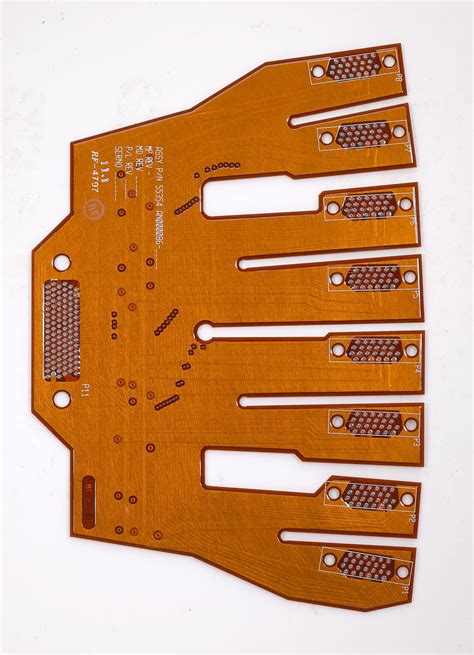
Understanding core aspects of PCB manufacturing helps you make informed decisions when working with flex circuit board specialists. Whether you’re prototyping or scaling production, factors like material selection, design complexity, and turnaround times directly influence PCB manufacturing cost and project timelines. Rapid prototyping capabilities, for instance, allow you to test iterations quickly, reducing time-to-market for innovative tech applications.
When evaluating PCB manufacturing companies, prioritize those offering transparent pricing models and expertise in rigid-flex designs. Top-tier manufacturers integrate advanced quality control processes—like automated optical inspection (AOI)—to ensure reliability in high-stakes industries like aerospace or medical devices.
Tip: Always request a Design for Manufacturing (DFM) review to identify potential issues early, minimizing rework costs.
For businesses scaling PCB manufacturing business operations, balancing high-volume production with consistent quality requires partners with robust supply chains. Leading US-based manufacturers often provide quick-turn solutions that adapt seamlessly from prototype batches to full-scale runs. By aligning your needs with a manufacturer’s strengths—whether in specialized materials or precision etching—you optimize both performance and budget efficiency.
Flex Circuit Board Manufacturing Essentials
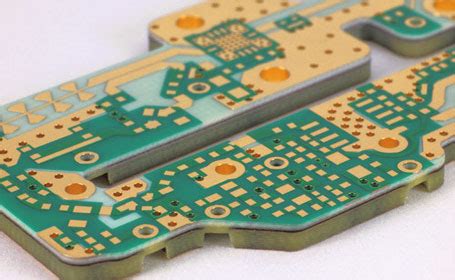
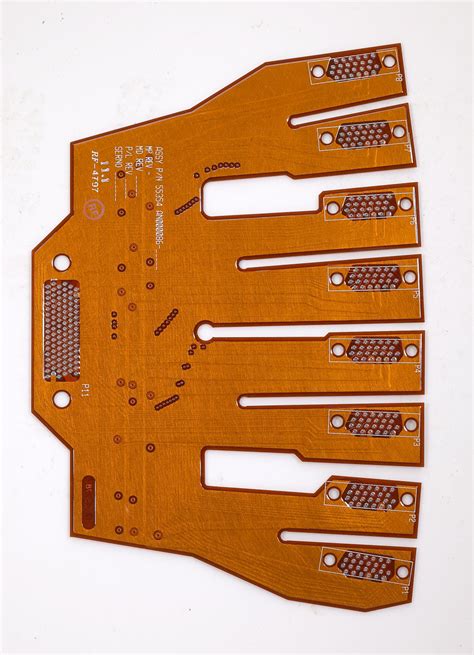
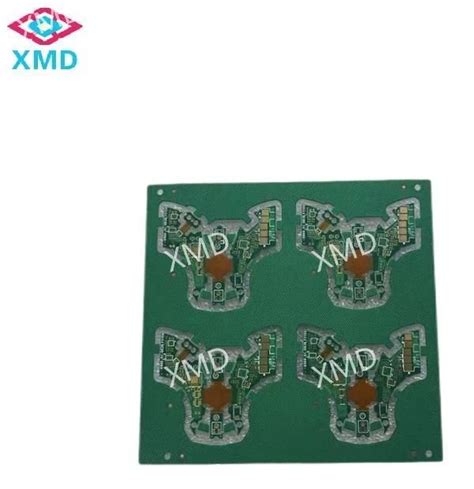
Understanding the core elements of PCB manufacturing for flexible circuits ensures you select the right partner for your project. Unlike traditional rigid boards, flex circuits require specialized materials like polyimide or polyester films, which demand precision in handling and etching. When evaluating PCB manufacturing companies, prioritize those with expertise in dynamic flexing applications and high-density interconnects (HDIs), as these directly impact performance in wearables or medical devices.
A critical factor in PCB manufacturing cost is design complexity. For instance, multilayer flex circuits with embedded components will raise expenses compared to single-layer designs. To balance cost and quality, consider the following:
| Aspect | Traditional PCB | Flex PCB |
|---|---|---|
| Base Material | FR-4 Fiberglass | Polyimide Films |
| Thickness | 0.8–1.6 mm | 0.1–0.3 mm |
| Bend Capability | None | 500,000+ cycles |
| Typical Applications | Consumer Electronics | Aerospace, Medical Devices |
| Cost Drivers | Layer Count, Size | Material Grade, Flexibility |
You’ll also want to assess how PCB manufacturing business models align with your needs. Rapid prototyping-focused firms excel in iterating designs quickly, while high-volume manufacturers optimize for scalability. Key steps like adhesive selection and coverlay application can make or break durability, so verify suppliers follow IPC-6013 standards. By focusing on these essentials, you minimize risks and ensure your flex circuits meet both technical and budgetary requirements.
US Flex PCB Production Benefits
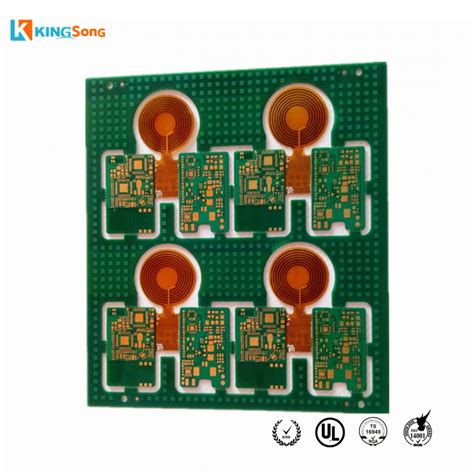
When considering pcb manufacturing for flexible circuits, choosing domestic partners offers distinct advantages. US-based pcb manufacturing companies leverage localized supply chains to reduce lead times, ensuring faster iterations during prototyping and high-volume production. By minimizing overseas shipping, you avoid delays caused by customs or geopolitical disruptions—critical when managing tight project timelines.
Another key benefit is adherence to stringent quality standards. Domestic pcb manufacturing business operations follow IPC-6013 and UL certifications, ensuring reliability for applications like medical devices or aerospace systems. This compliance reduces risks of post-production redesigns, which can inflate your overall pcb manufacturing cost.
Proximity also enables closer collaboration. You gain direct access to engineering teams for real-time design feedback, optimizing material selection for dynamic flexing or high-temperature environments. Additionally, local facilities often support lower minimum order quantities (MOQs), allowing cost-effective scaling from prototypes to mass production without excessive inventory commitments.
Finally, shorter logistics chains contribute to sustainability goals by cutting carbon footprints—a growing priority across industries. Whether you’re iterating a rigid-flex design or transitioning to full-scale manufacturing, partnering with US experts streamlines workflows while maintaining quality and cost efficiency.
Rapid Prototyping Flex Circuits
When developing flexible circuits, PCB manufacturing timelines can make or break your project. Leading PCB manufacturing companies specialize in rapid prototyping to deliver functional flex PCB samples within days, allowing you to test designs before full-scale production. This agility is critical for industries like medical devices or aerospace, where iterative design changes are common. By leveraging advanced processes like laser direct imaging (LDI) and automated optical inspection (AOI), manufacturers minimize errors while accelerating turnaround.
Your choice of partner impacts both PCB manufacturing cost and speed. Reputable providers optimize material selection—such as polyimide films or adhesive systems—to balance durability and budget. For low-volume prototyping, costs may scale differently than bulk orders, but transparent pricing models ensure predictability. To streamline workflows, many PCB manufacturing business units integrate design-for-manufacturing (DFM) feedback early, reducing revision cycles.
Transitioning from prototype to production? Ensure your manufacturer offers seamless scalability. This alignment avoids bottlenecks when shifting from 10-unit batches to 10,000, maintaining consistency in flex circuit performance. Next, we’ll explore how quality control safeguards this process at every stage.

Flex PCB Quality Control Tips
When working with PCB manufacturing companies, ensuring quality in flex circuit production requires a structured approach. Start by verifying material certifications—polyimide substrates and adhesives should meet IPC-6013 standards to withstand bending stress. During PCB manufacturing, implement automated optical inspection (AOI) to detect micro-cracks or misalignments early, reducing rework costs.
For rigid-flex designs, cross-section testing ensures layer alignment accuracy, critical for high-frequency applications. Partner with manufacturers that use impedance control testing, especially if your project involves signal-sensitive tech like IoT devices. To balance PCB manufacturing cost without compromising quality, prioritize suppliers offering combined electrical and mechanical validation.
Documentation audits are equally vital: review certificates of conformity (CoC) and traceability reports to confirm compliance with your industry’s regulations. If scaling production, insist on statistical process control (SPC) data from the PCB manufacturing business to monitor consistency across batches. Finally, validate environmental resilience—thermal cycling and humidity tests prevent field failures, saving long-term expenses. By integrating these steps, you’ll maintain reliability while navigating the complexities of flex PCB workflows.
Scaling Flex PCB Production
As your project moves beyond prototyping, scaling PCB manufacturing requires balancing technical precision with PCB manufacturing cost efficiencies. Leading PCB manufacturing companies leverage automated assembly lines and advanced material handling systems to maintain consistency across high-volume orders while minimizing defects. When scaling, you’ll need to optimize panel utilization and streamline testing protocols—factors that directly impact both turnaround times and per-unit expenses.
Collaborating with a PCB manufacturing business that specializes in rigid-flex designs ensures seamless transitions from low-volume batches to mass production. These partners often employ design for manufacturability (DFM) analysis to identify potential bottlenecks early, reducing rework risks. For applications requiring strict tolerances or specialized substrates, confirm that your manufacturer’s equipment supports laser direct imaging (LDI) or automated optical inspection (AOI)—critical for maintaining quality at scale.
Finally, consider geographic logistics. Choosing a US-based PCB manufacturing partner simplifies supply chain management, cutting lead times for urgent revisions or repeat orders. This strategic alignment between design intent and production capabilities lets you scale flex PCB output without compromising on reliability or performance.
Rigid-Flex PCB Comparison Guide
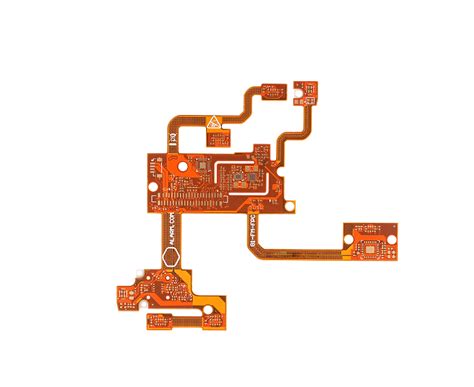
When evaluating PCB manufacturing options for rigid-flex designs, understanding the key differences between rigid and flexible circuits is critical. Unlike traditional rigid boards, rigid-flex PCBs combine dynamic flexibility with structural stability, making them ideal for applications requiring repeated bending or compact packaging. PCB manufacturing companies often highlight design complexity as a primary factor—rigid-flex layouts demand precise layer alignment and specialized materials like polyimide substrates, which impact PCB manufacturing cost.
To optimize your choice, consider the end-use environment: rigid sections provide durability for mounting components, while flexible areas enable movement in devices like wearables or medical equipment. When comparing suppliers, prioritize firms with expertise in hybrid designs, as improper transitions between rigid and flex zones can lead to reliability issues. Cost analysis should account for material waste reduction and testing protocols—higher upfront expenses in PCB manufacturing business models often translate to long-term savings through reduced failure rates.
Transitioning from prototyping to volume production? Ensure your manufacturer balances rapid prototyping capabilities with scalable processes, as rigid-flex projects frequently require iterative adjustments. By aligning design goals with PCB manufacturing expertise, you avoid compromises in performance or budget overruns.
How to Get Quick PCB Quote
When requesting a PCB manufacturing quote, start by preparing your design files with clear specifications. Most PCB manufacturing companies require Gerber files, material preferences, layer counts, and tolerance details. Submitting accurate documentation minimizes back-and-forth communication, accelerating the quoting process.
Many manufacturers now offer online quote generators—tools that instantly estimate PCB manufacturing cost based on uploaded designs. These platforms analyze parameters like board size, copper weight, and surface finish to provide real-time pricing. For complex projects, such as rigid-flex designs or high-density interconnects, direct communication with engineering teams ensures precise cost breakdowns.
To optimize costs, consider balancing turnaround time with order volume. While rapid prototyping often carries a premium, scaling to medium or high-volume production typically reduces per-unit expenses. Reputable PCB manufacturing business providers also clarify hidden fees upfront, such as tooling charges or testing requirements, preventing budget surprises.
Finally, compare quotes from multiple vendors, but prioritize expertise over the lowest bid. A manufacturer’s ability to meet deadlines, adhere to quality standards, and support design iterations often outweighs marginal savings. By streamlining your data and aligning expectations, you secure both speed and reliability in PCB manufacturing.
Flex PCB Applications in Tech
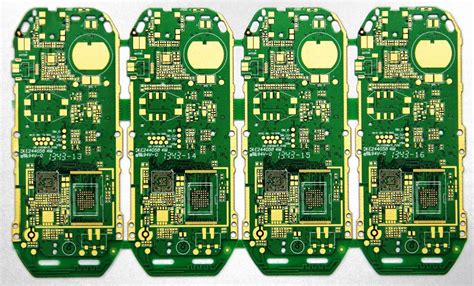
From wearable devices to advanced aerospace systems, flex PCBs are reshaping how modern technology operates. You’ll find these circuits in foldable smartphones, where their thin, bendable design enables seamless screen transitions, or in medical implants that demand durability and biocompatibility. Automotive innovators rely on PCB manufacturing expertise to integrate flex circuits into EV battery systems, ensuring thermal stability and vibration resistance.
When selecting PCB manufacturing companies, balancing PCB manufacturing cost with performance is critical. For instance, IoT sensors in industrial automation require high-reliability flex PCBs that withstand harsh environments, but over-engineering can inflate expenses. Leading manufacturers optimize designs to align with your project’s scale—whether prototyping or mass production.
The PCB manufacturing business thrives on adaptability. As 5G networks and AI-driven devices evolve, flex circuits must support faster signal transmission and miniaturization. By partnering with agile suppliers, you gain access to rapid iteration cycles, ensuring your tech solutions stay ahead of market demands. This balance of innovation and cost-efficiency defines success in today’s fast-paced electronics landscape.
Conclusion
When selecting PCB manufacturing companies for your flex circuit needs, it’s critical to balance PCB manufacturing cost with quality and reliability. Partnering with experts specializing in rapid prototyping ensures your designs transition smoothly from concept to production, particularly for complex rigid-flex configurations. Reputable PCB manufacturing providers prioritize stringent quality controls, minimizing defects while maintaining competitive pricing—a key factor in scaling your PCB manufacturing business efficiently.
By leveraging quick-turn solutions, you reduce time-to-market without compromising on the precision required for advanced applications like wearables or aerospace systems. As you evaluate options, consider how manufacturers address challenges like material selection and thermal management—these details directly impact long-term performance. Whether prototyping or scaling to high volumes, aligning with a PCB manufacturing partner that offers transparent communication and tailored support ensures your projects stay on track, meeting both technical and budgetary goals.
Frequently Asked Questions
How do flex circuit board manufacturers ensure quality in PCB manufacturing?
Reputable PCB manufacturing companies implement rigorous testing protocols, including automated optical inspection (AOI) and impedance control, to maintain consistency. Many adhere to IPC-6013 standards for flexible circuits, ensuring reliability across bending cycles and environmental conditions.
What factors influence PCB manufacturing cost for flexible designs?
Cost depends on layer count, material selection (e.g., polyimide vs. PET), and specialized processes like laser drilling. High-volume orders typically reduce per-unit expenses, but rapid prototyping services allow you to validate designs before committing to full-scale production.
Can rigid-flex PCB projects transition smoothly from prototypes to mass production?
Leading PCB manufacturing business providers use scalable processes, ensuring design files and testing criteria remain consistent across phases. Ask about their design-for-manufacturability (DFM) support to avoid revisions when scaling.
How do US-based PCB manufacturing companies accelerate turnaround times?
Domestic facilities often combine automated assembly lines with localized supply chains, enabling 48-hour prototyping for critical projects. This reduces shipping delays compared to overseas alternatives while maintaining ITAR compliance for defense applications.
Ready to Start Your Flex PCB Project?
For tailored solutions that balance PCB manufacturing cost and performance, please click here to connect with engineers specializing in high-density flex circuits and mil-spec rigid-flex boards.