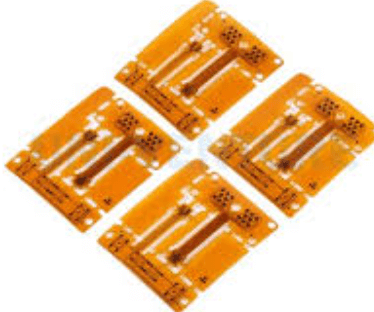
Flex pcb applications
Wearable Technology Innovations Using Flex PCBs
In recent years, the rapid advancement of wearable technology has been significantly influenced by the development and integration of flexible printed circuit boards (flex PCBs).
These innovative components have become a cornerstone in the design and functionality of modern wearable devices, offering a range of benefits that traditional rigid PCBs cannot match. As the demand for more sophisticated and compact wearables continues to grow, flex PCBs are playing an increasingly crucial role in shaping the future of this dynamic industry.
One of the primary advantages of flex PCBs in wearable technology is their inherent flexibility, which allows them to conform to various shapes and surfaces.
This adaptability is particularly beneficial in the design of devices that need to be worn comfortably on the body, such as smartwatches, fitness trackers, and health monitoring devices. By enabling a more ergonomic fit, flex PCBs enhance user comfort and device wearability, which are critical factors in the widespread adoption of wearable technology.
Moreover, the lightweight nature of flex PCBs contributes to the overall reduction in the size and weight of wearable devices.
This is especially important as consumers increasingly seek out wearables that are not only functional but also discreet and aesthetically pleasing. The ability to integrate multiple electronic components into a single, compact flex PCB allows designers to create sleeker and more streamlined devices without compromising on performance or functionality.
In addition to their physical advantages, flex PCBs offer significant improvements in terms of durability and reliability.
Wearable devices are often subjected to various environmental stresses, including bending, twisting, and exposure to moisture. Flex PCBs are designed to withstand these conditions, providing a robust solution that ensures the longevity and consistent performance of the device. This durability is essential for wearables that are used in active or outdoor settings, where reliability is paramount.
Furthermore, the versatility of flex PCBs extends to their ability to support a wide range of applications within the wearable technology sector.
For instance, in the realm of healthcare, flex PCBs are integral to the development of advanced medical wearables that monitor vital signs, track physical activity, and even administer medication. These devices rely on the precise and reliable performance of flex PCBs to deliver accurate data and maintain patient safety.
In the realm of consumer electronics, flex PCBs are driving innovation in the development of next-generation smartwatches and augmented reality (AR) glasses.
These devices require complex circuitry to support features such as high-resolution displays, wireless connectivity, and advanced sensors. Flex PCBs provide the necessary infrastructure to accommodate these demands, enabling the creation of cutting-edge wearables that enhance user experience and expand the possibilities of personal technology.
As the wearable technology market continues to evolve, the role of flex PCBs is expected to grow even more prominent.
Ongoing research and development efforts are focused on further enhancing the capabilities of flex PCBs, including improvements in material science, manufacturing processes, and integration techniques. These advancements promise to unlock new potential for wearable devices, paving the way for innovations that were once considered the realm of science fiction.
In conclusion, the integration of flex PCBs into wearable technology represents a significant leap forward in the design and functionality of these devices. By offering unparalleled flexibility, durability, and versatility, flex PCBs are not only meeting the current demands of the market but are also setting the stage for future innovations. As technology continues to advance, the impact of flex PCBs on wearable technology is poised to be both profound and enduring.
Flex PCBs in Medical Device Miniaturization
In the rapidly evolving field of medical technology, the demand for smaller, more efficient devices has never been greater. This trend towards miniaturization is driven by the need for portable, less invasive, and more patient-friendly medical solutions. Flex PCBs, or flexible printed circuit boards, have emerged as a pivotal technology in this transformation, offering unique advantages that cater to the stringent requirements of medical device miniaturization.
Flex PCBs are characterized by their ability to bend and conform to various shapes, a feature that is particularly beneficial in the design of compact medical devices.
Unlike traditional rigid PCBs, flex PCBs can be integrated into devices with complex geometries, allowing for innovative designs that were previously unattainable. This flexibility not only facilitates the creation of smaller devices but also enhances their functionality by enabling the incorporation of more components within a limited space.
Moreover, the lightweight nature of flex PCBs contributes significantly to the miniaturization of medical devices.
As these devices are often intended for portable or wearable applications, reducing weight is crucial for patient comfort and ease of use. Flex PCBs, being thinner and lighter than their rigid counterparts, help achieve this goal without compromising on performance or reliability. This is particularly important in applications such as implantable devices, where minimizing size and weight can directly impact patient outcomes.
In addition to their physical advantages, flex PCBs offer superior durability and reliability, which are essential in medical applications.
The dynamic environments in which medical devices operate often subject them to mechanical stress, temperature fluctuations, and exposure to various chemicals. Flex PCBs are designed to withstand these conditions, ensuring consistent performance over the device’s lifespan. This reliability is critical in medical settings, where device failure can have serious consequences.
Furthermore, the use of flex PCBs in medical devices supports the integration of advanced technologies such as sensors and wireless communication modules.
These components are integral to the development of smart medical devices that can monitor patient health in real-time and transmit data to healthcare providers. The adaptability of flex PCBs allows for seamless integration of these technologies, facilitating the creation of devices that are not only smaller but also smarter and more connected.
The manufacturing process of flex PCBs also aligns well with the needs of medical device miniaturization.
Advanced fabrication techniques enable the production of highly precise and intricate circuit patterns, which are essential for the complex functionalities required in modern medical devices. This precision ensures that even the smallest devices can perform complex tasks with high accuracy, enhancing their effectiveness in clinical applications.
In conclusion, the role of flex PCBs in medical device miniaturization is both significant and multifaceted. Their inherent flexibility, lightweight nature, and durability make them an ideal choice for the development of next-generation medical devices. As the medical field continues to push the boundaries of what is possible, flex PCBs will undoubtedly remain at the forefront, enabling innovations that improve patient care and expand the capabilities of medical technology. Through their continued evolution, flex PCBs will play a crucial role in shaping the future of healthcare, driving advancements that benefit both patients and practitioners alike.
Enhancing Automotive Electronics with Flex PCBs
In the rapidly evolving landscape of automotive electronics, the demand for more efficient, reliable, and compact solutions has never been greater. As vehicles become increasingly sophisticated, integrating advanced technologies such as autonomous driving systems, infotainment, and enhanced safety features, the role of flexible printed circuit boards (flex PCBs) has become pivotal. Flex PCBs, known for their adaptability and resilience, are transforming the way electronic components are designed and implemented in the automotive industry.
One of the primary advantages of flex PCBs in automotive applications is their ability to conform to the complex geometries of modern vehicle designs.
Unlike traditional rigid PCBs, flex PCBs can be bent, folded, and twisted to fit into tight spaces, making them ideal for the compact and intricate environments found in automobiles. This flexibility not only allows for more efficient use of space but also contributes to the reduction of overall vehicle weight, which is a critical factor in improving fuel efficiency and reducing emissions.
Moreover, flex PCBs offer enhanced durability and reliability, which are essential in the harsh conditions often encountered in automotive environments.
These circuit boards are designed to withstand extreme temperatures, vibrations, and mechanical stresses, ensuring consistent performance over the vehicle’s lifespan. This robustness is particularly important for critical systems such as engine controls, transmission systems, and safety features, where failure is not an option.
In addition to their physical advantages, flex PCBs also support the growing trend of increased electronic content in vehicles.
As cars become more connected and autonomous, the need for sophisticated electronic systems has surged. Flex PCBs facilitate the integration of these systems by allowing for more complex circuit designs and higher component density. This capability is crucial for supporting advanced driver-assistance systems (ADAS), which rely on a multitude of sensors and processors to function effectively.
Furthermore, the use of flex PCBs in automotive electronics aligns with the industry’s push towards sustainability.
The manufacturing process of flex PCBs typically involves fewer materials and less waste compared to traditional PCBs, contributing to a smaller environmental footprint. Additionally, their lightweight nature aids in reducing the overall energy consumption of vehicles, aligning with global efforts to promote greener transportation solutions.
The versatility of flex PCBs also extends to the realm of infotainment systems, which have become a central feature in modern vehicles.
These systems require seamless integration of audio, video, and connectivity components, all of which can be efficiently managed using flex PCBs. The ability to design circuits that can adapt to the contours of a vehicle’s interior allows for more innovative and aesthetically pleasing infotainment solutions, enhancing the overall user experience.
In conclusion, the application of flex PCBs in automotive electronics is a testament to their transformative impact on the industry. By offering unparalleled flexibility, durability, and efficiency, flex PCBs are not only meeting the current demands of automotive technology but are also paving the way for future innovations. As the automotive sector continues to evolve, the role of flex PCBs will undoubtedly expand, driving advancements in vehicle design, performance, and sustainability. Through their integration, the automotive industry is poised to achieve new heights in electronic sophistication and environmental responsibility.
Flex PCBs in Aerospace and Defense Systems
Flex PCBs, or flexible printed circuit boards, have become increasingly integral to the aerospace and defense industries due to their unique properties and capabilities. These industries demand high reliability, lightweight materials, and compact designs, all of which are characteristics inherent to flex PCBs. As technology continues to advance, the role of flex PCBs in aerospace and defense systems is expanding, offering innovative solutions to complex challenges.
One of the primary advantages of flex PCBs in aerospace and defense applications is their ability to conform to tight spaces and complex geometries.
Unlike traditional rigid PCBs, flex PCBs can be bent, folded, and twisted, allowing them to fit into unconventional spaces within aircraft, satellites, and military equipment. This flexibility is crucial in the aerospace sector, where space and weight constraints are significant considerations. By utilizing flex PCBs, engineers can design more compact and efficient systems without compromising on performance or reliability.
Moreover, the lightweight nature of flex PCBs is particularly beneficial in aerospace applications.
Every gram saved in an aircraft or spacecraft can lead to substantial cost savings in fuel and increased payload capacity. Flex PCBs contribute to weight reduction by eliminating the need for additional connectors and cables, which are typically required in rigid PCB assemblies. This reduction in weight not only enhances the overall efficiency of the system but also contributes to the sustainability goals of the aerospace industry by reducing fuel consumption and emissions.
In addition to their physical advantages, flex PCBs offer superior performance in terms of durability and reliability.
Aerospace and defense systems often operate in harsh environments, where they are exposed to extreme temperatures, vibrations, and mechanical stresses. Flex PCBs are designed to withstand these conditions, providing consistent performance and reducing the risk of failure. Their ability to absorb and distribute mechanical stress makes them ideal for applications where reliability is paramount, such as in avionics systems and missile guidance systems.
Furthermore, the versatility of flex PCBs extends to their ability to integrate with other advanced technologies.
In the defense sector, for instance, flex PCBs are used in the development of sophisticated communication systems, radar systems, and electronic warfare equipment. Their compatibility with a wide range of components and materials allows for seamless integration with sensors, antennas, and other critical elements, enhancing the overall functionality and effectiveness of defense systems.
As the demand for more advanced and efficient aerospace and defense systems continues to grow, the role of flex PCBs is expected to expand further.
Innovations in materials and manufacturing processes are likely to enhance the capabilities of flex PCBs, enabling them to meet the evolving needs of these industries. For example, advancements in flexible materials and conductive inks could lead to the development of even more lightweight and robust flex PCBs, further pushing the boundaries of what is possible in aerospace and defense applications.
In conclusion, flex PCBs are playing a pivotal role in the advancement of aerospace and defense systems.
Their unique properties, including flexibility, lightweight design, and durability, make them an ideal choice for these demanding industries. As technology continues to evolve, flex PCBs will undoubtedly remain at the forefront of innovation, providing essential solutions to the complex challenges faced by aerospace and defense engineers.