Flex pcb button
Advantages Of Using Flex PCB Buttons In Modern Electronics
Flex PCB buttons, an innovative advancement in the realm of modern electronics, have garnered significant attention due to their numerous advantages over traditional button technologies. As electronic devices continue to evolve, the demand for more compact, efficient, and versatile components has become increasingly pronounced. Flex PCB buttons, with their unique design and functionality, offer a compelling solution to meet these demands.
One of the primary advantages of flex PCB buttons is their inherent flexibility.
Unlike rigid PCBs, flex PCBs can be bent, folded, and twisted without damaging the circuitry. This flexibility allows for more creative and compact designs, enabling manufacturers to produce smaller and more lightweight devices. As a result, consumer electronics such as smartphones, wearables, and portable gadgets can be designed with greater ergonomic considerations, enhancing user experience and satisfaction.
In addition to their flexibility, flex PCB buttons are known for their durability.
The materials used in their construction, typically polyimide or polyester films, are resistant to heat, moisture, and other environmental factors that can degrade traditional button mechanisms. This resilience ensures that devices equipped with flex PCB buttons have a longer lifespan, reducing the need for frequent repairs or replacements. Consequently, this durability translates into cost savings for both manufacturers and consumers, as the longevity of the product is significantly enhanced.
Moreover, the integration of flex PCB buttons into electronic devices can lead to improved performance.
The seamless connection between the button and the circuit board minimizes the risk of signal loss or interference, ensuring that the device operates efficiently. This is particularly beneficial in applications where precision and reliability are paramount, such as in medical devices or aerospace technology. The ability to maintain consistent performance under varying conditions is a testament to the robustness of flex PCB technology.
Another notable advantage is the potential for customization that flex PCB buttons offer.
Manufacturers can tailor the design of the buttons to meet specific requirements, such as varying shapes, sizes, and tactile feedback. This level of customization allows for the creation of unique user interfaces that can enhance the functionality and appeal of a device. For instance, in the automotive industry, flex PCB buttons can be designed to fit seamlessly into the contours of a car’s interior, providing intuitive control options for drivers and passengers.
Furthermore, the use of flex PCB buttons can contribute to more sustainable manufacturing practices.
The reduction in material usage, combined with the potential for automated assembly processes, can lead to decreased production waste and energy consumption. As the electronics industry faces increasing pressure to adopt environmentally friendly practices, the implementation of flex PCB technology represents a step towards more sustainable production methods.
In conclusion, the advantages of using flex PCB buttons in modern electronics are manifold. Their flexibility, durability, performance enhancement, customization potential, and contribution to sustainable manufacturing make them an attractive option for a wide range of applications. As technology continues to advance, it is likely that the adoption of flex PCB buttons will become even more widespread, driving innovation and efficiency in the design and functionality of electronic devices.
Design Considerations For Flex PCB Button Integration
When integrating flex PCB buttons into electronic devices, several design considerations must be taken into account to ensure optimal functionality and reliability. Flex PCBs, or flexible printed circuit boards, offer a versatile solution for modern electronic designs, allowing for compact and lightweight configurations. However, the integration of buttons on these flexible substrates requires careful planning and execution to address the unique challenges posed by their inherent flexibility and the demands of user interaction.
To begin with, material selection is a critical factor in the design of flex PCB buttons.
The choice of substrate material affects not only the mechanical properties of the board but also its electrical performance. Polyimide is commonly used due to its excellent thermal stability and flexibility, which are essential for applications involving repeated bending and flexing. Additionally, the copper traces on the flex PCB must be designed to withstand mechanical stress without compromising electrical conductivity. This often involves optimizing the trace width and thickness to balance flexibility with durability.
Moreover, the layout of the flex PCB must be meticulously planned to accommodate the button integration.
The placement of buttons should consider both ergonomic factors and the mechanical constraints of the device. It is crucial to ensure that the buttons are easily accessible and provide a comfortable user experience. At the same time, the layout must prevent excessive stress on the flex PCB during operation, which could lead to premature failure. This often involves strategic placement of stiffeners or support structures to reinforce areas around the buttons, thereby enhancing the overall robustness of the design.
In addition to mechanical considerations, electrical design aspects are equally important.
The integration of buttons on a flex PCB requires careful routing of signal traces to minimize interference and ensure reliable operation. Shielding techniques may be employed to protect sensitive traces from electromagnetic interference, which can be particularly challenging in compact designs where space is limited. Furthermore, the choice of button type—whether tactile, capacitive, or membrane—will influence the electrical design requirements. Each type has its own set of characteristics and trade-offs, such as actuation force, tactile feedback, and power consumption, which must be evaluated in the context of the intended application.
Thermal management is another critical consideration in the design of flex PCB buttons.
The flexible nature of these boards can make them more susceptible to thermal stress, particularly in high-power applications. Effective thermal management strategies, such as the use of thermal vias or heat spreaders, can help dissipate heat and maintain the integrity of the flex PCB. Additionally, the thermal expansion properties of the materials used must be compatible to prevent delamination or other forms of mechanical failure.
Finally, manufacturability and cost are practical considerations that cannot be overlooked.
The complexity of the flex PCB design, including the integration of buttons, can significantly impact production costs and lead times. It is essential to work closely with manufacturers to ensure that the design is optimized for efficient production without compromising quality. This may involve iterative prototyping and testing to refine the design and address any potential issues before mass production.
In conclusion, the integration of flex PCB buttons requires a comprehensive approach that addresses material selection, mechanical and electrical design, thermal management, and manufacturability. By carefully considering these factors, designers can create reliable and efficient flex PCB button solutions that meet the demands of modern electronic devices.
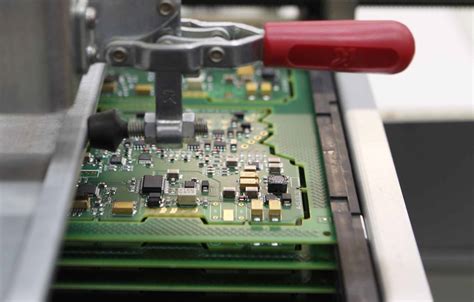
Manufacturing Process Of Flex PCB Buttons: A Step-By-Step Guide
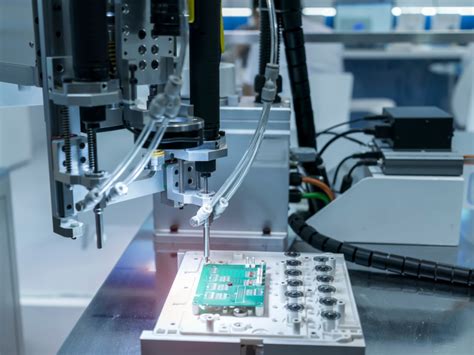
The manufacturing process of flex PCB buttons is a meticulous and intricate procedure that requires precision and expertise. Flex PCBs, or flexible printed circuit boards, are essential components in modern electronics, offering versatility and durability. The journey of creating flex PCB buttons begins with the design phase, where engineers meticulously plan the layout using advanced software tools. This stage is crucial as it determines the functionality and efficiency of the final product. Once the design is finalized, the next step involves selecting the appropriate materials. Typically, polyimide or polyester films are chosen for their flexibility and thermal stability, ensuring that the flex PCB can withstand various environmental conditions.
Following material selection, the manufacturing process moves to the fabrication stage.
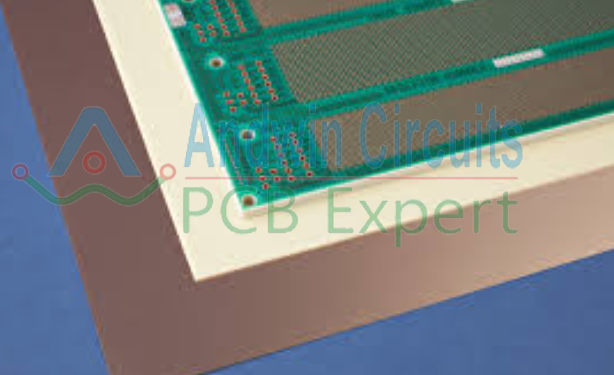
Here, the chosen substrate is cleaned thoroughly to remove any impurities that could affect the adhesion of the conductive materials. Subsequently, a layer of copper is laminated onto the substrate. This copper layer is essential as it forms the conductive pathways of the circuit. The lamination process is followed by a photolithography step, where the circuit pattern is transferred onto the copper layer using a photosensitive resist. This step is critical as it defines the precise pathways that will conduct electricity within the flex PCB.
After the photolithography process, the exposed copper is etched away, leaving behind the desired circuit pattern.
This etching process requires careful control to ensure that only the unwanted copper is removed, preserving the integrity of the circuit design. Once etching is complete, the remaining photoresist is stripped away, revealing the clean copper traces that form the circuit. At this point, the flex PCB begins to take shape, but it is still far from complete.
The next phase involves the application of a protective solder mask.
This mask is applied over the copper traces to prevent oxidation and to protect against short circuits. The solder mask also provides a surface for soldering components onto the PCB. Following the application of the solder mask, the flex PCB undergoes a series of inspections to ensure that the circuit paths are intact and that there are no defects. These inspections are vital as they help identify any issues that could compromise the performance of the final product.
Once the flex PCB passes inspection, the process moves to the assembly stage, where the buttons are integrated into the circuit.
This involves placing and soldering the button components onto the designated areas of the PCB. The soldering process must be executed with precision to ensure a strong and reliable connection. After assembly, the flex PCB buttons undergo rigorous testing to verify their functionality and durability. These tests simulate real-world conditions to ensure that the buttons will perform reliably in their intended applications.
Finally, the completed flex PCB buttons are subjected to a final quality control check before being packaged and shipped to customers. This comprehensive manufacturing process ensures that each flex PCB button meets the highest standards of quality and performance. By adhering to these meticulous steps, manufacturers can produce flex PCB buttons that are not only efficient and reliable but also capable of meeting the demands of modern electronic devices.
Common Applications Of Flex PCB Buttons In Consumer Devices
Flexible printed circuit board (PCB) buttons have become an integral component in the design and functionality of modern consumer devices. Their unique properties, such as flexibility, lightweight nature, and durability, make them particularly suitable for a wide range of applications. As technology continues to evolve, the demand for more compact and efficient electronic devices has driven the adoption of flex PCB buttons in various consumer products.
One of the most prevalent applications of flex PCB buttons is in the realm of wearable technology.
Devices such as smartwatches and fitness trackers benefit significantly from the use of flexible circuits. These devices require components that can conform to the contours of the human body while maintaining functionality. Flex PCB buttons provide the necessary adaptability, allowing for seamless integration into the curved surfaces of wearables. Moreover, their lightweight nature ensures that the devices remain comfortable for extended periods of use, enhancing the overall user experience.
In addition to wearables, smartphones and tablets are another category of consumer devices that extensively utilize flex PCB buttons
. As manufacturers strive to create thinner and more compact devices, the internal components must also adapt to these design constraints. Flexible PCBs offer a solution by allowing buttons and other components to be placed in unconventional configurations, optimizing the use of available space. This flexibility not only contributes to the sleek design of modern smartphones but also supports the inclusion of additional features without compromising on size or weight.
Furthermore, the gaming industry has also embraced the advantages of flex PCB buttons, particularly in the design of controllers and handheld gaming devices
. These devices require responsive and durable buttons to withstand the rigors of intense gaming sessions. Flex PCBs provide the necessary resilience and reliability, ensuring that the buttons remain functional over prolonged use. Additionally, the flexibility of these circuits allows for innovative button placements and designs, enhancing the ergonomic feel of gaming controllers and improving the overall gaming experience.
Another significant application of flex PCB buttons is found in home automation systems.
As smart home technology becomes increasingly popular, the demand for intuitive and user-friendly interfaces has grown. Flex PCB buttons are often used in control panels and remote controls for various smart home devices, such as lighting systems, thermostats, and security systems. Their ability to be customized in terms of shape and size allows for the creation of aesthetically pleasing and functional interfaces that blend seamlessly into modern home environments.
Moreover, the automotive industry has also recognized the benefits of incorporating flex PCB buttons into vehicle designs.
With the rise of advanced driver-assistance systems and infotainment features, the need for reliable and flexible control interfaces has become paramount. Flex PCB buttons are used in steering wheel controls, dashboard interfaces, and other in-car systems, providing drivers with easy access to various functions while maintaining a sleek and modern interior design.
In conclusion, the versatility and adaptability of flex PCB buttons have made them a staple in the design of consumer devices across various industries. From wearables and smartphones to gaming devices and home automation systems, these components offer a range of benefits that enhance both functionality and user experience. As technology continues to advance, it is likely that the applications of flex PCB buttons will expand even further, driving innovation and shaping the future of consumer electronics.