Flex pcb design
Benefits Of Using Flex PCBs In Modern Electronics
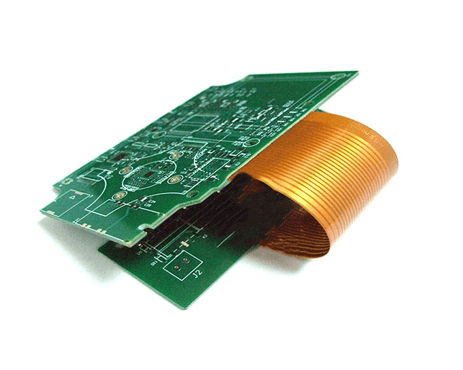
Flex PCBs, or flexible printed circuit boards, have become increasingly prevalent in modern electronics due to their numerous advantages over traditional rigid PCBs.
One of the primary benefits of using flex PCBs is their ability to conform to various shapes and sizes, which allows for greater design flexibility.
This adaptability is particularly valuable in applications where space constraints are a significant concern, such as in wearable technology, medical devices, and compact consumer electronics. By enabling more efficient use of available space, flex PCBs contribute to the miniaturization of electronic devices, a trend that continues to dominate the industry.
In addition to their spatial efficiency, flex PCBs offer enhanced durability and reliability.
The materials used in flex PCBs, such as polyimide or polyester films, provide excellent resistance to environmental stressors, including extreme temperatures, moisture, and chemicals. This resilience ensures that flex PCBs maintain their performance and integrity even in harsh conditions, making them ideal for use in automotive, aerospace, and industrial applications. Furthermore, the inherent flexibility of these PCBs reduces the risk of mechanical failure due to vibrations or bending, which can be a common issue with rigid PCBs.
Another significant advantage of flex PCBs is their potential for reducing the overall weight of electronic devices.
The lightweight nature of the materials used in flex PCBs, combined with their ability to eliminate the need for additional connectors and cables, results in a lighter and more streamlined final product. This weight reduction is particularly beneficial in applications where weight is a critical factor, such as in portable electronics, drones, and other unmanned systems. By minimizing the weight of these devices, flex PCBs contribute to improved performance, longer battery life, and enhanced user experience.
Moreover, flex PCBs can lead to cost savings in both manufacturing and assembly processes.
The ability to integrate multiple components and functions into a single flex PCB reduces the need for separate circuit boards and interconnections, thereby simplifying the overall design and assembly process. This simplification can result in lower production costs, reduced assembly time, and fewer potential points of failure. Additionally, the use of flex PCBs can decrease the need for maintenance and repairs, as their robust construction and resistance to environmental factors contribute to a longer lifespan for the electronic devices in which they are used.
The versatility of flex PCBs also extends to their compatibility with a wide range of electronic components and technologies.
Flex PCBs can be designed to accommodate various types of components, including surface-mount devices (SMDs), through-hole components, and even advanced technologies such as microelectromechanical systems (MEMS) and flexible displays. This compatibility ensures that flex PCBs can be seamlessly integrated into a diverse array of electronic applications, further highlighting their value in modern electronics.
In conclusion, the benefits of using flex PCBs in modern electronics are manifold. Their ability to conform to different shapes and sizes, combined with their durability, lightweight nature, and potential for cost savings, make them an attractive option for a wide range of applications. As the demand for smaller, more efficient, and more reliable electronic devices continues to grow, the adoption of flex PCBs is likely to increase, solidifying their role as a critical component in the future of electronics design and manufacturing.
Key Design Considerations For Flex PCBs
Flex PCBs, or flexible printed circuit boards, have become increasingly popular in various industries due to their versatility, lightweight nature, and ability to conform to complex shapes. As the demand for more compact and efficient electronic devices grows, the importance of understanding key design considerations for flex PCBs cannot be overstated. These considerations are crucial for ensuring the reliability, performance, and manufacturability of the final product.
One of the primary considerations in flex PCB design is material selection.
The choice of materials significantly impacts the board’s flexibility, durability, and thermal performance. Polyimide is a commonly used substrate material due to its excellent thermal stability and mechanical properties. However, designers must also consider the adhesive systems and copper foils used in the construction of the flex PCB. The adhesive must provide strong bonding while maintaining flexibility, and the copper foil should be thin enough to allow bending without cracking.
Another critical aspect is the bend radius, which refers to the minimum radius the flex PCB can be bent without causing damage.
Designing with an appropriate bend radius is essential to prevent mechanical stress and potential failure. The bend radius is typically determined by the thickness of the flex PCB and the materials used. A general rule of thumb is to maintain a bend radius of at least ten times the thickness of the flex PCB. This ensures that the board can withstand repeated bending and flexing without compromising its integrity.
In addition to the bend radius, trace layout and routing are vital considerations.
The layout should minimize stress on the traces, especially in areas where the board will be bent or flexed. Designers should avoid sharp corners and use curved traces to distribute stress more evenly. Furthermore, it is advisable to stagger the traces on different layers to prevent stress concentration in a single area. This approach enhances the overall reliability of the flex PCB.
Thermal management is another important factor in flex PCB design.
Flexible circuits are often used in applications where space is limited, and heat dissipation can be challenging. Therefore, designers must consider the thermal properties of the materials and incorporate features such as thermal vias and heat sinks to manage heat effectively. Proper thermal management ensures that the flex PCB operates within safe temperature limits, thereby extending its lifespan and maintaining performance.
Moreover, the choice of stiffeners is crucial in flex PCB design.
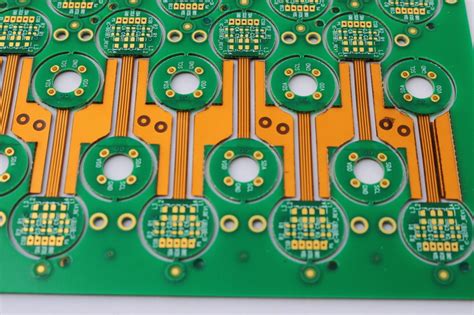
Stiffeners are used to reinforce specific areas of the flex PCB, providing additional support and rigidity where needed. They are typically made from materials such as FR4 or stainless steel and are strategically placed in areas that require extra strength, such as connector locations. The use of stiffeners helps prevent damage during assembly and operation, ensuring the flex PCB remains functional and reliable.
Finally, manufacturability should always be a key consideration.
Designers must work closely with manufacturers to ensure that the flex PCB design can be produced efficiently and cost-effectively. This involves considering factors such as panelization, tooling, and assembly processes. By collaborating with manufacturers early in the design process, potential issues can be identified and addressed, resulting in a more robust and manufacturable flex PCB.
In conclusion, designing flex PCBs requires careful consideration of various factors, including material selection, bend radius, trace layout, thermal management, stiffeners, and manufacturability. By addressing these key considerations, designers can create flexible circuits that meet the demands of modern electronic applications, ensuring reliability, performance, and cost-effectiveness. As technology continues to advance, the importance of well-designed flex PCBs will only grow, making it essential for designers to stay informed and adept in this specialized field.
Common Challenges In Flex PCB Manufacturing
Flex PCB design has revolutionized the electronics industry by offering unparalleled flexibility, lightweight construction, and the ability to fit into compact spaces. However, the manufacturing process of flex PCBs presents several challenges that must be meticulously addressed to ensure optimal performance and reliability.
One of the primary challenges in flex PCB manufacturing is material selection.
Unlike rigid PCBs, flex PCBs require materials that can withstand bending and flexing without compromising electrical performance. Polyimide is commonly used due to its excellent thermal stability and flexibility, but it is also more expensive than traditional FR4 materials. This cost factor necessitates careful consideration during the design phase to balance performance and budget constraints.
Another significant challenge is the precise control of the manufacturing process.
Flex PCBs are more susceptible to issues such as delamination, warping, and tearing due to their thin and flexible nature. To mitigate these risks, manufacturers must employ advanced techniques and equipment to ensure that the layers are properly aligned and bonded. This often involves the use of specialized adhesives and lamination processes, which can add complexity and cost to the production.
Furthermore, the design of flex PCBs must account for mechanical stresses that occur during installation and operation.
Unlike rigid PCBs, which are typically mounted in fixed positions, flex PCBs are often subjected to repeated bending and flexing. This can lead to the formation of micro-cracks and eventual failure if not properly managed. To address this, designers must incorporate features such as strain reliefs and bend radii into the layout. These design elements help distribute mechanical stress more evenly and reduce the likelihood of damage.
In addition to mechanical considerations, electrical performance is another critical aspect that poses challenges in flex PCB manufacturing.
The flexible nature of these circuits can lead to variations in impedance and signal integrity, particularly in high-frequency applications. To ensure reliable performance, designers must carefully control the trace widths, spacing, and routing. This often requires advanced simulation and modeling tools to predict and mitigate potential issues before fabrication.
Moreover, the assembly process for flex PCBs can be more complex compared to rigid PCBs.
The flexible substrate can make it difficult to handle and align components accurately. Specialized fixtures and equipment are often required to hold the flex PCB in place during assembly, which can increase production time and cost. Additionally, the soldering process must be carefully controlled to prevent damage to the flexible material. Techniques such as reflow soldering and selective soldering are commonly used, but they require precise temperature control and process optimization.
Quality control is another area where flex PCB manufacturing faces unique challenges.
The thin and flexible nature of these circuits makes them more prone to defects that may not be immediately apparent. Non-destructive testing methods such as X-ray inspection and automated optical inspection (AOI) are essential to identify issues such as voids, misalignments, and cracks. However, these methods can be more challenging to implement on flex PCBs due to their complex geometries and varying thicknesses.
In conclusion, while flex PCB design offers numerous advantages, it also presents a range of challenges that must be carefully managed throughout the manufacturing process. From material selection and process control to mechanical and electrical considerations, each step requires meticulous attention to detail. By understanding and addressing these challenges, manufacturers can produce high-quality flex PCBs that meet the demanding requirements of modern electronic applications.
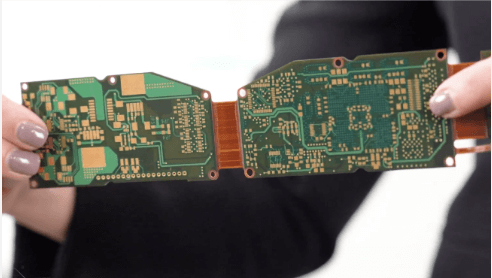
Innovations In Flex PCB Materials And Technologies
Flex PCB design has undergone significant advancements in recent years, driven by innovations in materials and technologies. These developments have expanded the applications and capabilities of flexible printed circuit boards, making them indispensable in various industries, including consumer electronics, automotive, medical devices, and aerospace. The evolution of flex PCB materials and technologies has not only enhanced performance but also addressed critical challenges such as durability, miniaturization, and cost-effectiveness.
One of the most notable innovations in flex PCB materials is the introduction of advanced substrates.
Traditional flex PCBs primarily used polyimide films due to their excellent thermal stability and mechanical properties. However, recent advancements have seen the emergence of new materials such as liquid crystal polymer (LCP) and polyethylene naphthalate (PEN). These materials offer superior electrical performance, lower moisture absorption, and enhanced flexibility, making them ideal for high-frequency applications and environments with stringent reliability requirements.
In addition to substrate materials, the development of advanced conductive materials has played a crucial role in the evolution of flex PCBs.
Conductive inks and pastes, which incorporate nanoparticles of metals like silver, copper, and gold, have enabled the creation of highly conductive and flexible traces. These materials not only improve the electrical performance of flex PCBs but also allow for more intricate and compact designs. Furthermore, the use of conductive adhesives has facilitated the assembly of components on flex PCBs, reducing the need for traditional soldering processes and thereby minimizing thermal stress on sensitive components.
The advent of additive manufacturing technologies, such as inkjet and screen printing, has revolutionized the fabrication of flex PCBs.
These techniques enable the precise deposition of conductive and dielectric materials onto flexible substrates, allowing for the creation of complex multilayer structures with fine feature sizes. Additive manufacturing also offers the advantage of rapid prototyping and customization, making it possible to produce small batches of flex PCBs with unique designs and specifications. This flexibility is particularly beneficial for applications in emerging fields such as wearable electronics and IoT devices, where design iterations and quick turnaround times are critical.
Moreover, the integration of advanced encapsulation and protective coatings has significantly improved the durability and reliability of flex PCBs.
Conformal coatings, such as parylene and silicone, provide excellent protection against environmental factors such as moisture, dust, and chemicals. These coatings also enhance the mechanical robustness of flex PCBs, enabling them to withstand repeated bending and flexing without compromising performance. Additionally, the use of thermally conductive materials in encapsulation helps to dissipate heat generated by high-power components, ensuring the longevity and stability of the flex PCB.
Another noteworthy innovation is the development of stretchable and formable flex PCBs.
By incorporating materials with elastic properties, such as thermoplastic elastomers and silicone-based polymers, researchers have created flex PCBs that can stretch and conform to complex shapes. This capability opens up new possibilities for applications in wearable technology, medical implants, and soft robotics, where traditional rigid PCBs would be impractical.
In conclusion, the continuous advancements in flex PCB materials and technologies have significantly expanded the potential applications and performance of flexible printed circuit boards. The introduction of advanced substrates, conductive materials, additive manufacturing techniques, protective coatings, and stretchable designs has addressed key challenges and paved the way for innovative solutions in various industries. As research and development in this field continue to progress, we can expect even more groundbreaking innovations that will further enhance the capabilities and versatility of flex PCBs.