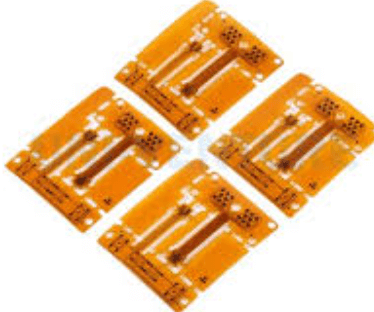
Flex pcb fixtures
Advantages Of Using Flex PCB Fixtures In Electronics Manufacturing
Flex PCB fixtures have become an integral component in the realm of electronics manufacturing, offering a multitude of advantages that enhance both the efficiency and quality of production processes. As the demand for more compact, lightweight, and versatile electronic devices continues to rise, manufacturers are increasingly turning to flexible printed circuit boards (PCBs) to meet these requirements. In this context, the use of flex PCB fixtures emerges as a pivotal factor in optimizing the manufacturing process.
One of the primary advantages of using flex PCB fixtures is their ability to accommodate the unique properties of flexible circuits.
Unlike rigid PCBs, flexible circuits can bend and twist, allowing for more complex and compact designs. Flex PCB fixtures are specifically designed to hold these flexible circuits in place during assembly and testing, ensuring precision and stability. This capability is particularly beneficial in applications where space constraints are critical, such as in wearable technology and compact consumer electronics.
Moreover, flex PCB fixtures contribute significantly to improving the accuracy and reliability of the manufacturing process.
By securely holding the flexible circuits in place, these fixtures minimize the risk of misalignment and damage during assembly. This precision is crucial in maintaining the integrity of the circuit and ensuring that all components are correctly positioned and soldered. Consequently, the use of flex PCB fixtures reduces the likelihood of defects and rework, leading to higher yields and lower production costs.
In addition to enhancing accuracy, flex PCB fixtures also streamline the testing phase of electronics manufacturing.
Testing is a critical step in ensuring that the final product meets all performance and safety standards. Flex PCB fixtures facilitate this process by providing a stable platform for conducting various tests, such as electrical continuity and functionality assessments. This stability is essential for obtaining accurate test results, which in turn helps manufacturers identify and rectify any issues before the product reaches the market.
Furthermore, the adaptability of flex PCB fixtures is another noteworthy advantage.
These fixtures can be customized to accommodate different circuit designs and configurations, making them suitable for a wide range of applications. This flexibility not only supports the production of diverse electronic products but also allows manufacturers to quickly adapt to design changes and innovations. As a result, companies can remain competitive in a rapidly evolving market by efficiently bringing new products to market.
The use of flex PCB fixtures also contributes to reducing production time.
By providing a reliable and efficient means of handling flexible circuits, these fixtures help streamline the assembly and testing processes. This efficiency translates into shorter production cycles, enabling manufacturers to meet tight deadlines and respond swiftly to market demands. In an industry where time-to-market is a critical factor, the ability to expedite production without compromising quality is a significant advantage.
In conclusion, the advantages of using flex PCB fixtures in electronics manufacturing are manifold. From accommodating the unique properties of flexible circuits to enhancing accuracy, reliability, and efficiency, these fixtures play a crucial role in optimizing the production process. As the electronics industry continues to evolve, the importance of flex PCB fixtures is likely to grow, supporting manufacturers in their quest to deliver innovative, high-quality products to consumers worldwide.

Designing Custom Flex PCB Fixtures For Complex Assemblies
Designing custom flex PCB fixtures for complex assemblies is a critical aspect of modern electronics manufacturing, where precision and adaptability are paramount. As electronic devices become increasingly compact and intricate, the demand for flexible printed circuit boards (PCBs) has surged. These boards offer significant advantages, such as reduced weight, enhanced flexibility, and the ability to fit into unconventional spaces. However, the complexity of these assemblies necessitates the development of specialized fixtures to ensure accurate and efficient production.
To begin with, the design of custom flex PCB fixtures requires a thorough understanding of the specific requirements of the assembly process.
This involves a detailed analysis of the PCB’s layout, the components involved, and the overall design of the electronic device. By comprehensively assessing these factors, engineers can identify potential challenges and devise solutions that cater to the unique needs of each project. For instance, the fixture must accommodate the board’s flexibility while providing adequate support to prevent damage during assembly.
Moreover, the choice of materials for the fixture is crucial.
It must be robust enough to withstand the rigors of the manufacturing process while being gentle on the delicate flex PCB. Materials such as high-grade plastics or metals are often employed, depending on the specific requirements of the assembly. Additionally, the fixture’s design must allow for easy insertion and removal of the PCB, facilitating a smooth workflow and minimizing the risk of errors.
Transitioning to the next consideration, the integration of advanced technologies into the design of flex PCB fixtures can significantly enhance their functionality
.For example, incorporating sensors and automated systems can improve precision and efficiency. These technologies can monitor the assembly process in real-time, providing valuable data that can be used to optimize production and ensure quality control. Furthermore, automation can reduce the reliance on manual labor, decreasing the likelihood of human error and increasing overall productivity.
In addition to technological integration, collaboration between design engineers and manufacturing teams is essential in creating effective flex PCB fixtures.
By working closely together, these teams can ensure that the fixture design aligns with the practical realities of the manufacturing environment. This collaboration can lead to innovative solutions that address specific challenges, such as accommodating varying component sizes or managing heat dissipation during assembly.
Furthermore, the iterative nature of the design process should not be overlooked. Prototyping and testing are vital steps in refining the fixture design to meet the desired specifications. Through a series of trials, engineers can identify any shortcomings in the initial design and make necessary adjustments. This iterative approach not only enhances the fixture’s performance but also contributes to the overall reliability and quality of the final product.
In conclusion, designing custom flex PCB fixtures for complex assemblies is a multifaceted endeavor that requires careful consideration of various factors. From understanding the specific requirements of the assembly process to selecting appropriate materials and integrating advanced technologies, each step plays a crucial role in ensuring the success of the project. By fostering collaboration between design and manufacturing teams and embracing an iterative design process, engineers can create fixtures that meet the demands of modern electronics manufacturing, ultimately contributing to the production of high-quality, reliable electronic devices.
Cost-Effective Solutions With Flex PCB Fixtures
In the rapidly evolving landscape of electronics manufacturing, the demand for more compact, efficient, and versatile components has led to the increased adoption of flexible printed circuit boards (PCBs). These innovative circuits offer numerous advantages over their rigid counterparts, including enhanced flexibility, reduced weight, and the ability to fit into unconventional spaces. However, the unique properties of flex PCBs also present distinct challenges during the manufacturing and testing processes. To address these challenges, the use of flex PCB fixtures has emerged as a cost-effective solution, streamlining production while ensuring high-quality outcomes.
Flex PCB fixtures are specialized tools designed to hold and support flexible circuits during various stages of manufacturing and testing.
These fixtures play a crucial role in maintaining the integrity of the flex PCBs, preventing damage that could occur due to their inherent pliability. By providing a stable platform, these fixtures facilitate precise alignment and positioning, which are essential for accurate assembly and testing. Consequently, manufacturers can achieve higher yields and reduce the likelihood of defects, ultimately leading to cost savings.
Moreover, the implementation of flex PCB fixtures can significantly enhance the efficiency of the production process.
By minimizing the need for manual handling and adjustments, these fixtures reduce the time and labor required for assembly and testing. This not only accelerates production timelines but also allows manufacturers to allocate resources more effectively. As a result, companies can increase their throughput without compromising on quality, thereby improving their competitive edge in the market.
In addition to improving efficiency, flex PCB fixtures contribute to cost-effectiveness by extending the lifespan of the circuits.
The delicate nature of flexible PCBs makes them susceptible to damage from mechanical stress and environmental factors. However, by securely holding the circuits in place, these fixtures mitigate the risk of such damage, ensuring that the PCBs remain functional over a longer period. This durability translates into reduced maintenance and replacement costs, further enhancing the overall cost-effectiveness of the manufacturing process.
Furthermore, the versatility of flex PCB fixtures allows them to be customized to meet the specific needs of different applications.
Manufacturers can design fixtures tailored to the unique dimensions and configurations of their flex PCBs, ensuring optimal support and alignment. This adaptability not only enhances the performance of the fixtures but also enables manufacturers to accommodate a wide range of product designs. Consequently, companies can respond more swiftly to changing market demands and technological advancements, maintaining their relevance in a dynamic industry.
While the initial investment in flex PCB fixtures may seem significant, the long-term benefits they offer make them a worthwhile consideration for manufacturers.
By improving production efficiency, reducing defect rates, and extending the lifespan of flexible circuits, these fixtures provide a substantial return on investment. Moreover, as the electronics industry continues to prioritize miniaturization and flexibility, the demand for flex PCBs is expected to grow, further underscoring the importance of effective manufacturing solutions.
In conclusion, flex PCB fixtures represent a cost-effective solution for addressing the challenges associated with the production and testing of flexible printed circuit boards. By enhancing efficiency, reducing costs, and ensuring high-quality outcomes, these fixtures play a pivotal role in the success of modern electronics manufacturing. As the industry continues to evolve, the adoption of such innovative tools will be essential for companies seeking to maintain their competitive edge and meet the demands of an increasingly sophisticated market.

Innovations In Flex PCB Fixture Technology For Enhanced Performance
Flex PCB fixtures have become an integral component in the electronics manufacturing industry, offering innovative solutions that enhance the performance and reliability of flexible printed circuit boards (PCBs). As the demand for smaller, more efficient electronic devices continues to grow, the need for advanced flex PCB fixture technology has become increasingly apparent. These fixtures play a crucial role in the assembly and testing processes, ensuring that flex PCBs meet the stringent quality standards required in today’s competitive market.
One of the most significant innovations in flex PCB fixture technology is the development of adaptive fixtures that can accommodate a wide range of PCB designs.
Traditional fixtures often required custom tooling for each specific PCB layout, leading to increased costs and longer lead times. However, modern adaptive fixtures utilize adjustable components and modular designs, allowing manufacturers to quickly and easily reconfigure the fixture to suit different PCB geometries. This flexibility not only reduces production costs but also enhances the overall efficiency of the manufacturing process.
In addition to adaptability, precision is another critical aspect of flex PCB fixtures.
As electronic devices become more compact, the need for precise alignment and positioning of components on flex PCBs has become paramount. Advanced fixture technologies now incorporate high-precision alignment systems, such as optical sensors and automated positioning mechanisms, to ensure that each component is accurately placed. This level of precision minimizes the risk of defects and improves the overall performance of the final product.
Moreover, the integration of smart technologies into flex PCB fixtures has further revolutionized the industry.
By incorporating sensors and data analytics capabilities, these fixtures can monitor various parameters during the assembly process, such as temperature, pressure, and alignment accuracy. This real-time data collection allows manufacturers to identify potential issues early in the process, reducing the likelihood of defects and improving yield rates. Furthermore, the ability to analyze this data provides valuable insights into the manufacturing process, enabling continuous improvement and optimization.
Another noteworthy advancement in flex PCB fixture technology is the use of advanced materials that enhance durability and performance.
Traditional fixtures were often made from materials that could not withstand the rigors of high-volume production environments. However, modern fixtures are constructed from robust materials such as high-strength alloys and engineered polymers, which offer superior resistance to wear and tear. This increased durability not only extends the lifespan of the fixtures but also ensures consistent performance over time.
Furthermore, the miniaturization of electronic components has necessitated the development of compact and lightweight fixtures.
These new designs are not only easier to handle and transport but also require less space on the production floor, allowing manufacturers to optimize their facilities for maximum efficiency. The reduced size and weight of these fixtures also contribute to lower energy consumption, aligning with the industry’s growing emphasis on sustainability and environmental responsibility.
In conclusion, the innovations in flex PCB fixture technology have significantly enhanced the performance and reliability of flexible printed circuit boards. Through the development of adaptive, precise, and smart fixtures, manufacturers can achieve higher quality standards while reducing costs and improving efficiency. As the electronics industry continues to evolve, the ongoing advancements in flex PCB fixture technology will undoubtedly play a pivotal role in meeting the demands of future electronic devices.