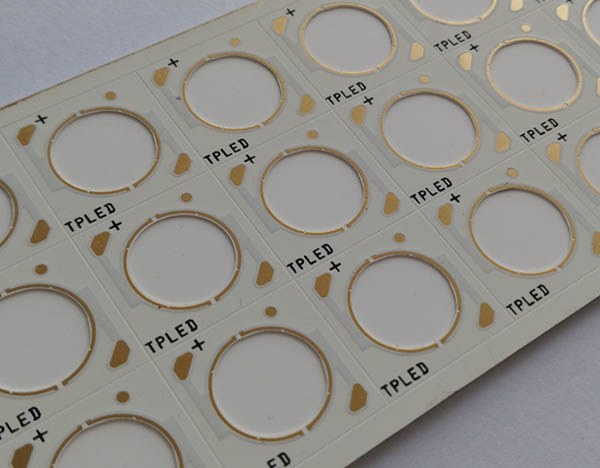
Flex pcb heater

The PCB is designed with a pattern of conductive traces that generate heat when an electrical current is passed through them.

The flexible nature of the PCB allows it to conform to curved or irregular surfaces,

making it ideal for use in applications where space is limited or where a custom shape is required.

Flex PCB heaters are commonly used in a variety of industries, including aerospace, automotive, medical, and electronics.

They can be used for a range of applications, including heating components,

maintaining temperature in enclosures, and providing warmth in clothing and other wearable devices.
GET IN TOUCH!

One of the key advantages of flex PCB heaters is their ability to provide uniform heating across a large surface area.

They are also highly efficient, as they can be designed to deliver heat precisely where it is needed, reducing energy waste and improving

overall system performance. Additionally, flex PCB heaters are durable and reliable,

with a long lifespan and resistance to damage from vibration, shock, and other environmental factors.
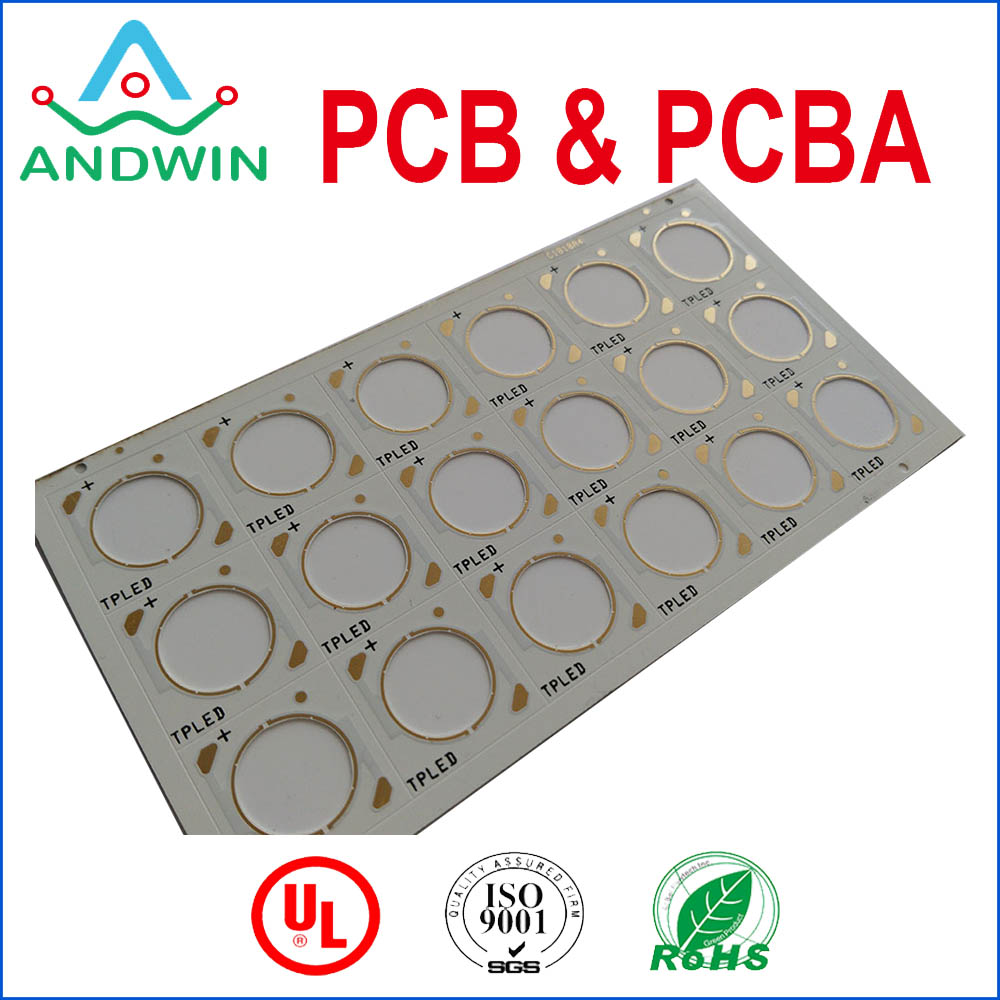
where is the flex pcb heater used?

Flex PCB heaters are used in a variety of applications, including:

1. Medical devices: Flex PCB heaters are used in medical devices such as blood analyzers, dialysis machines, and surgical equipment.

2. Automotive industry: Flex PCB heaters are used in automotive applications such as seat heaters, defrosting systems, and engine pre-heaters.

3. Aerospace industry: Flex PCB heaters are used in spacecraft and satellites to regulate temperature and prevent equipment from freezing.

4. Industrial applications: Flex PCB heaters are used in industrial applications such as food processing, semiconductor manufacturing, and chemical processing.

5. Consumer electronics: Flex PCB heaters are used in consumer electronics such as smartphones, laptops, and tablets to regulate temperature and prevent overheating.
GET IN TOUCH!

Similar Posts

  • |

    Rigid flex pcb rules

    1. Minimum bend radius: The minimum bend radius for a rigid-flex PCB is typically 10 times the thickness of the thinnest layer in the stackup. 2. Trace width and spacing: The trace width and spacing should be designed to ensure that the PCB can withstand the stresses of bending without breaking or cracking. 3. Hole size and…

  • |

    Aluminum pcb led

    Aluminum PCBs are known for their excellent thermal conductivity, which makes them ideal for use with high-power LED lights that generate a lot of heat. The aluminum material helps to dissipate the heat away from the LED, which helps to prolong the life of the LED and improve its performance. Aluminum PCB LED is commonly…

  • | |

    Aluminum clad pcb specifications

    Here are some common specifications for aluminum clad PCBs: Aluminum clad PCBs (printed circuit boards) are a type of PCB that uses an aluminum substrate instead of the traditional FR-4 material. 1. Substrate thickness: The thickness of the aluminum substrate can vary depending on the application. Common thicknesses include 0.8mm, 1.0mm, 1.2mm, and 1.5mm. 2….

  • |

    High speed pcb traces

    High-speed PCB traces are used in electronic circuits to transmit signals at high frequencies, typically above 50 MHz.These traces are designed to minimize signal distortion and noise, and to maintain signal integrity. There are several techniques used to design high-speed PCB traces, including: 1. Controlled impedance: The trace width and spacing are carefully controlled to…

  • Rogers RO4835 Laminate

    Thermoset laminate materials, including FR-4, are affected by oxidation overtime and temperature. This can slightly increase the dielectric constant anddissipation factor of the circuit substrate. The change rate and impact oncircuit performance vary based on design and operating temperature. Rogers’RO4835™ laminate, part of the RO4000® series, offers enhanced stability athigh temperatures and is more resistant…

  • |

    Rogers rt duroid 5880

    It is a PTFE composite material that is designed to provide excellent electrical performance at high frequencies. The substrate has a low dielectric constant of 2.2, which makes it ideal for use in microwave and millimeter-wave applications. It also has a low loss tangent, which means that it can transmit signals with minimal signal loss….