Flex pcb history
Evolution Of Flex PCB history
The evolution of flexible printed circuit board (flex PCB) technology is a fascinating journey that mirrors the broader advancements in electronics and materials science. Initially conceived in the early 20th century, the concept of flexible circuits was driven by the need for more adaptable and space-efficient electronic solutions.
The earliest iterations of flex PCBs can be traced back to the 1940s, when they were primarily used in military applications due to their ability to withstand harsh conditions and their lightweight nature.
As the electronics industry burgeoned in the post-World War II era, the demand for more compact and reliable electronic components grew exponentially.
This period saw significant advancements in materials, particularly the development of polyimide films, which became a cornerstone for flex PCB manufacturing. Polyimide’s excellent thermal stability and mechanical properties made it an ideal substrate for flexible circuits, allowing for greater design flexibility and durability.
The 1960s and 1970s marked a pivotal era for flex PCB technology, as it began to find applications beyond military use, penetrating into consumer electronics, automotive, and medical devices.
During this time, the miniaturization of electronic components and the advent of surface-mount technology (SMT) further propelled the adoption of flex PCBs. The ability to mount components directly onto the surface of the flexible substrate enabled more compact and complex circuit designs, which were essential for the burgeoning consumer electronics market.
Transitioning into the 1980s and 1990s, the rapid advancement in semiconductor technology and the increasing complexity of electronic devices necessitated further innovations in flex PCB technology.
The development of multilayer flex circuits, which allowed for multiple layers of conductive traces separated by insulating layers, significantly enhanced the capability and performance of flexible circuits. This innovation was particularly crucial for applications requiring high-density interconnections and complex routing, such as in aerospace and telecommunications.
The turn of the millennium brought about a new wave of technological advancements, driven by the proliferation of mobile devices, wearable technology, and the Internet of Things (IoT).
Flex PCBs became indispensable in these applications due to their ability to conform to various shapes and their robustness in dynamic environments. The integration of flex PCBs in smartphones, for instance, allowed for more compact and lightweight designs, contributing to the sleek and portable devices we use today.
In recent years, the evolution of flex PCB technology has continued to accelerate, with significant strides being made in materials science and manufacturing techniques.
Innovations such as flexible hybrid electronics (FHE), which combine traditional rigid components with flexible substrates, have opened new frontiers in medical diagnostics, wearable sensors, and flexible displays. Additionally, advancements in additive manufacturing and 3D printing technologies have enabled more precise and cost-effective production of flex PCBs, further expanding their application potential.
Looking ahead, the future of flex PCB technology appears promising, with ongoing research focused on enhancing their electrical performance, mechanical durability, and environmental sustainability. As the demand for more sophisticated and versatile electronic devices continues to grow, flex PCBs are poised to play an increasingly critical role in shaping the next generation of technological innovations. The journey of flex PCB technology, from its early military applications to its current ubiquity in consumer electronics, underscores the relentless pursuit of innovation and the transformative impact of flexible circuits on modern electronics.
Key Milestones In Flex PCB Development
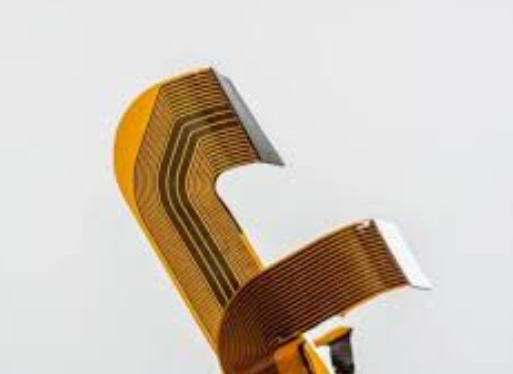
The development of flexible printed circuit boards (flex PCBs) has been marked by several key milestones that have significantly influenced the electronics industry. The journey began in the early 20th century, with the invention of the first flexible circuits. In 1903, Albert Hanson, a German inventor, filed a patent for a flat foil conductor laminated to an insulating board, which laid the groundwork for future advancements.
This early concept was further refined in the 1940s when Paul Eisler, an Austrian engineer, developed the first true printed circuit board (PCB) while working on a radio set. Eisler’s innovation was initially intended for military applications during World War II, but its potential for broader use soon became evident.
As the electronics industry evolved, the demand for more compact and reliable circuits grew.
In the 1950s, the introduction of polyimide films, such as DuPont’s Kapton, provided a flexible and heat-resistant substrate that was ideal for flex PCBs. This material innovation allowed for the creation of circuits that could bend and twist without breaking, opening up new possibilities for electronic design. The 1960s saw further advancements with the development of adhesive-less copper-clad laminates, which improved the reliability and performance of flex PCBs.
The 1970s marked a significant turning point with the advent of surface mount technology (SMT).
This innovation allowed components to be mounted directly onto the surface of the PCB, rather than being inserted through holes. SMT enabled the production of smaller, lighter, and more complex circuits, which were essential for the burgeoning consumer electronics market. Flex PCBs became increasingly popular in applications such as calculators, cameras, and early portable computers, where space and weight were critical considerations.
In the 1980s and 1990s, the rise of personal computing and mobile communications further accelerated the development of flex PCBs.
The need for more compact and efficient designs led to the creation of multi-layer flex circuits, which could accommodate more complex circuitry within a smaller footprint. During this period, advancements in manufacturing techniques, such as automated assembly and laser drilling, improved the precision and scalability of flex PCB production.
The turn of the 21st century brought about a new era of innovation in flex PCB technology.
The proliferation of smartphones, wearable devices, and other portable electronics drove the demand for even more flexible and durable circuits. Innovations such as rigid-flex PCBs, which combine the benefits of both rigid and flexible circuits, became increasingly popular. These hybrid designs offered greater design flexibility and reliability, making them ideal for complex applications in aerospace, medical devices, and automotive electronics.
In recent years, the development of flexible hybrid electronics (FHE) has pushed the boundaries of what is possible with flex PCBs.
FHE integrates traditional electronic components with flexible substrates, enabling the creation of stretchable, foldable, and even rollable devices. This cutting-edge technology has the potential to revolutionize industries such as healthcare, where flexible sensors and wearable devices can provide real-time monitoring and diagnostics.
Throughout its history, the development of flex PCBs has been driven by the need for more compact, reliable, and versatile electronic solutions. From the early innovations of Albert Hanson and Paul Eisler to the latest advancements in flexible hybrid electronics, each milestone has contributed to the evolution of this critical technology. As the demand for smaller, lighter, and more flexible devices continues to grow, the future of flex PCBs promises to be as dynamic and transformative as its past.
Pioneers In The Flex PCB Industry
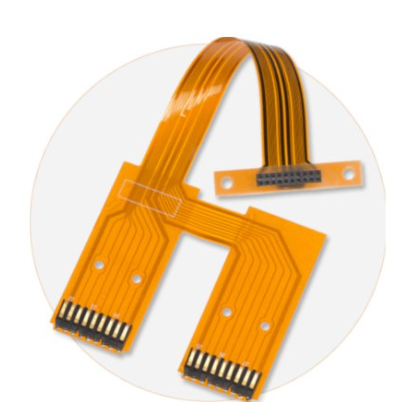
The history of flexible printed circuit boards (PCBs) is a fascinating journey marked by innovation and technological advancements. The pioneers in the flex PCB industry laid the groundwork for what has become an essential component in modern electronics. Their contributions have not only revolutionized the way electronic devices are designed and manufactured but have also paved the way for the miniaturization and increased functionality of these devices.
The origins of flexible PCBs can be traced back to the early 20th century.
In the 1900s, inventors began experimenting with flexible materials to create circuits that could bend and conform to various shapes. One of the earliest pioneers in this field was Dr. Paul Eisler, an Austrian engineer who is often credited with inventing the first printed circuit board in 1936. Although his initial work focused on rigid PCBs, his innovations laid the foundation for future developments in flexible circuitry.
As the demand for more compact and efficient electronic devices grew, so did the need for flexible PCBs.
In the 1950s, the aerospace and military industries began to explore the potential of flexible circuits for their applications. The ability to create lightweight, durable, and reliable circuits that could withstand harsh environments was particularly appealing. During this period, companies like Hughes Aircraft and Raytheon emerged as early adopters and developers of flexible PCB technology.
The 1960s and 1970s saw significant advancements in materials and manufacturing processes, which further propelled the flex PCB industry.
The introduction of polyimide films, such as DuPont’s Kapton, provided a robust and flexible substrate that could endure high temperatures and mechanical stress. This innovation was crucial for the development of more sophisticated and reliable flexible circuits. Additionally, the advent of photolithography techniques allowed for more precise and intricate circuit patterns, enhancing the performance and capabilities of flexible PCBs.
One of the key figures in the commercialization of flexible PCBs was Dr. Ken Gilleo, who made substantial contributions to the field during the 1980s and 1990s.
His work in developing new materials and processes helped to standardize flexible PCB manufacturing, making it more accessible and cost-effective for a wide range of industries. Dr. Gilleo’s efforts were instrumental in expanding the applications of flexible circuits beyond aerospace and military uses to include consumer electronics, medical devices, and automotive systems.
As technology continued to evolve, so did the flex PCB industry.
The rise of portable and wearable electronics in the 21st century has driven further innovation in flexible circuit design and manufacturing. Companies like Flexium Interconnect, Inc. and Multek have become leaders in the industry, pushing the boundaries of what is possible with flexible PCBs. Their advancements have enabled the creation of thinner, lighter, and more complex circuits that can be integrated into a variety of devices, from smartphones and tablets to fitness trackers and smartwatches.
In conclusion, the pioneers in the flex PCB industry have played a crucial role in shaping the landscape of modern electronics. Through their ingenuity and perseverance, they have transformed flexible circuits from a niche technology into a mainstream solution that is integral to countless applications. As we look to the future, the continued evolution of flexible PCBs promises to unlock new possibilities and drive further innovation in the ever-changing world of electronics.
Impact Of Flex PCBs On Modern Electronics
The impact of flexible printed circuit boards (flex PCBs) on modern electronics cannot be overstated. As the demand for smaller, lighter, and more efficient electronic devices has surged, flex PCBs have emerged as a pivotal technology, enabling innovations that were previously unimaginable. To fully appreciate their significance, it is essential to understand how flex PCBs have revolutionized various aspects of electronic design and manufacturing.
Initially, traditional rigid PCBs dominated the electronics industry, providing a reliable platform for mounting electronic components.
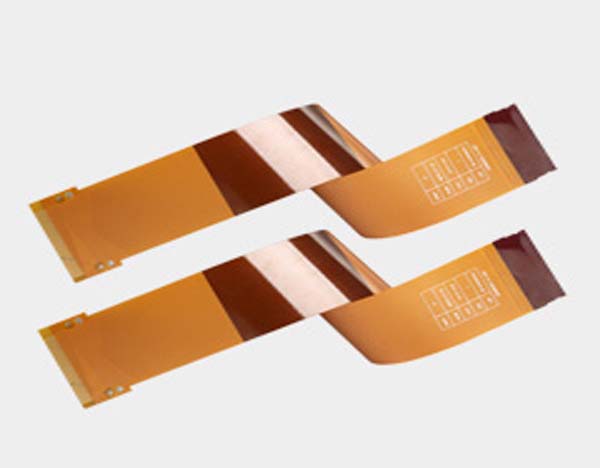
However, as devices became more compact and complex, the limitations of rigid PCBs became apparent. Enter flex PCBs, which offered a solution to these constraints by providing a versatile and adaptable alternative. Unlike their rigid counterparts, flex PCBs are made from flexible materials such as polyimide or polyester, allowing them to bend, fold, and conform to various shapes and spaces. This flexibility has opened up new possibilities in electronic design, particularly in applications where space is at a premium.
One of the most significant impacts of flex PCBs is their role in the miniaturization of electronic devices.
Modern consumer electronics, such as smartphones, wearables, and medical devices, require compact and lightweight components to meet user demands for portability and convenience. Flex PCBs have enabled designers to create intricate circuits that can be folded or bent to fit into tight spaces, thereby reducing the overall size and weight of the device. This has been particularly beneficial in the development of wearable technology, where comfort and ergonomics are paramount.
Moreover, flex PCBs have enhanced the reliability and durability of electronic devices.
Traditional rigid PCBs are prone to mechanical stress and vibration, which can lead to component failure over time. In contrast, flex PCBs can absorb and distribute mechanical stress more effectively, reducing the risk of damage and extending the lifespan of the device. This attribute is especially valuable in applications where devices are subjected to constant movement or harsh environmental conditions, such as in automotive and aerospace industries.
In addition to their physical advantages, flex PCBs have also streamlined the manufacturing process.
The ability to design complex circuits on a single flexible substrate reduces the need for multiple interconnections and connectors, simplifying assembly and reducing potential points of failure. This not only enhances the overall reliability of the device but also lowers production costs and time. Furthermore, the use of flex PCBs can lead to more efficient use of materials, contributing to more sustainable manufacturing practices.
The impact of flex PCBs extends beyond consumer electronics and into the realm of medical technology.
Medical devices, such as pacemakers, hearing aids, and diagnostic equipment, require high levels of precision and reliability. Flex PCBs have enabled the development of smaller, more efficient medical devices that can be implanted or worn comfortably by patients. Their ability to conform to the human body and withstand various physiological conditions has been instrumental in advancing medical technology and improving patient outcomes.
In conclusion, the advent of flex PCBs has had a profound impact on modern electronics, driving innovation and enabling the development of smaller, more reliable, and more efficient devices. Their flexibility, durability, and manufacturing advantages have made them an indispensable component in a wide range of applications, from consumer electronics to medical technology. As the demand for advanced electronic devices continues to grow, the role of flex PCBs in shaping the future of technology will undoubtedly remain significant.