Flex pcb ipc
Understanding IPC Standards for Flex PCB
In the realm of electronics manufacturing, the importance of adhering to industry standards cannot be overstated. Among these, the IPC standards hold a significant place, particularly when it comes to the design and production of flexible printed circuit boards (Flex PCBs). These standards, developed by the Association Connecting Electronics Industries (IPC), provide a comprehensive framework that ensures quality, reliability, and consistency across the board. To fully appreciate the role of IPC standards in Flex PCB manufacturing, it is essential to delve into their specifics and understand how they influence various aspects of the production process.
Firstly, IPC standards for Flex PCBs encompass a wide range of guidelines that address everything from material selection to final inspection.
These standards are meticulously crafted to cover the unique challenges posed by flexible circuits, which differ significantly from their rigid counterparts. For instance, IPC-6013 is a critical standard that specifies the performance and qualification requirements for flexible printed boards. This standard ensures that the materials used can withstand the mechanical stresses and environmental conditions they will encounter in their applications. By adhering to IPC-6013, manufacturers can guarantee that their Flex PCBs will perform reliably in demanding environments.
Moreover, the IPC-2223 standard provides detailed design guidelines for flexible circuits.
This standard is instrumental in guiding designers through the complexities of creating flexible circuits that meet both functional and manufacturability requirements. It addresses critical design considerations such as bend radius, material properties, and layer stack-up configurations. By following IPC-2223, designers can optimize their Flex PCB layouts to minimize stress and enhance durability, thereby extending the lifespan of the final product.
In addition to design and material standards, IPC also sets forth stringent requirements for the assembly and inspection of Flex PCBs.
IPC-A-610, for example, is a widely recognized standard that outlines the acceptability criteria for electronic assemblies. This standard is crucial for ensuring that Flex PCBs are assembled with the highest level of precision and quality. It covers various aspects of assembly, including soldering, component placement, and cleanliness. By adhering to IPC-A-610, manufacturers can ensure that their Flex PCBs meet the highest quality standards, thereby reducing the risk of failures and enhancing overall product reliability.
Furthermore, IPC standards play a pivotal role in the testing and validation of Flex PCBs.
IPC-TM-650, a comprehensive test methods manual, provides standardized procedures for evaluating the performance and reliability of flexible circuits. This manual includes tests for electrical properties, mechanical strength, and environmental resistance, among others. By following IPC-TM-650, manufacturers can conduct thorough testing to verify that their Flex PCBs meet the required specifications and can withstand the rigors of their intended applications.
In conclusion, IPC standards are indispensable in the design, production, and validation of Flex PCBs. They provide a robust framework that ensures quality, reliability, and consistency throughout the manufacturing process. By adhering to these standards, manufacturers can produce Flex PCBs that meet the highest industry benchmarks, thereby enhancing their competitiveness in the market. As the demand for flexible electronics continues to grow, the importance of IPC standards in guiding the development of reliable and high-performance Flex PCBs will only become more pronounced.
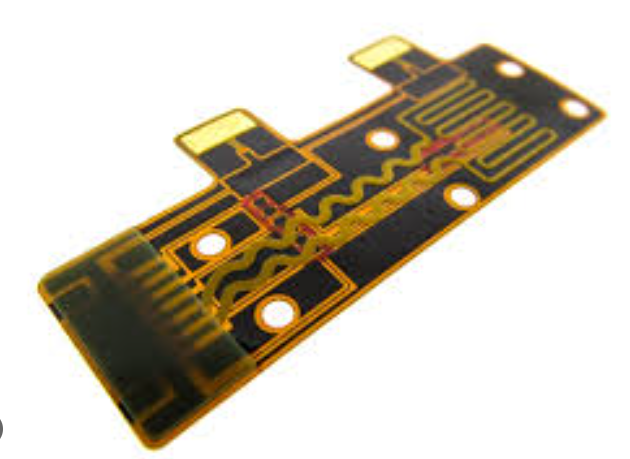
Benefits of IPC Compliance in Flex PCB Manufacturing
In the realm of flexible printed circuit boards (flex PCBs), adherence to the standards set forth by the Institute for Printed Circuits (IPC) is paramount. IPC compliance ensures that flex PCBs meet rigorous quality and reliability benchmarks, which is crucial for their performance in various applications. One of the primary benefits of IPC compliance in flex PCB manufacturing is the enhancement of product reliability. By adhering to IPC standards, manufacturers can guarantee that their flex PCBs are capable of withstanding the mechanical stresses and environmental conditions they will encounter in real-world applications. This reliability is particularly important in industries such as aerospace, medical devices, and automotive, where the failure of a single component can have catastrophic consequences.
Moreover, IPC compliance facilitates improved manufacturing consistency.
The standards provide a clear set of guidelines for every stage of the manufacturing process, from material selection to final inspection. This consistency not only reduces the likelihood of defects but also streamlines the production process, leading to increased efficiency and reduced costs. In addition, IPC standards are continually updated to reflect the latest advancements in technology and industry best practices, ensuring that compliant manufacturers remain at the forefront of innovation.
Another significant advantage of IPC compliance is the enhancement of product performance.
Flex PCBs are often used in applications where space constraints and flexibility are critical. By following IPC guidelines, manufacturers can optimize the design and fabrication of flex PCBs to achieve superior electrical performance and mechanical flexibility. This optimization is essential for applications such as wearable electronics, where the PCB must conform to the contours of the human body without compromising functionality.
Furthermore, IPC compliance plays a crucial role in ensuring regulatory compliance and facilitating market access.
Many industries have stringent regulatory requirements that mandate adherence to specific standards. By complying with IPC standards, manufacturers can demonstrate that their flex PCBs meet these regulatory requirements, thereby simplifying the certification process and enabling faster time-to-market. This compliance is particularly beneficial for companies looking to expand their market presence globally, as IPC standards are widely recognized and accepted across different regions.
In addition to these benefits, IPC compliance also fosters customer confidence and satisfaction.
When customers know that a manufacturer adheres to IPC standards, they can be assured of the quality and reliability of the products they are purchasing. This assurance can lead to stronger customer relationships and increased brand loyalty. Moreover, in a competitive market, IPC compliance can serve as a differentiating factor, setting a manufacturer apart from competitors who may not adhere to the same rigorous standards.
Lastly, IPC compliance contributes to sustainability and environmental responsibility.
The standards include guidelines for the use of environmentally friendly materials and processes, which can help manufacturers reduce their environmental footprint. This focus on sustainability is increasingly important as consumers and regulatory bodies alike place greater emphasis on environmentally responsible manufacturing practices.
In conclusion, IPC compliance in flex PCB manufacturing offers a multitude of benefits, ranging from enhanced product reliability and performance to improved manufacturing consistency and regulatory compliance. By adhering to these standards, manufacturers can not only ensure the quality and reliability of their products but also gain a competitive edge in the market, foster customer confidence, and contribute to environmental sustainability. As the demand for high-performance, reliable flex PCBs continues to grow, the importance of IPC compliance will only become more pronounced.

Common IPC Guidelines for Flex PCB Design
In the realm of modern electronics, flexible printed circuit boards (flex PCBs) have become indispensable due to their versatility and ability to conform to complex shapes. To ensure the reliability and performance of these intricate circuits, adherence to the guidelines set forth by the Institute for Printed Circuits (IPC) is crucial. These guidelines provide a comprehensive framework for the design, manufacture, and testing of flex PCBs, ensuring that they meet industry standards and perform optimally in their intended applications.
One of the fundamental aspects of IPC guidelines for flex PCB design is the emphasis on material selection.
The choice of materials significantly impacts the flexibility, durability, and overall performance of the PCB. IPC standards recommend using high-quality polyimide films and adhesives that can withstand the mechanical stresses and thermal cycles typical in flex applications. Additionally, the guidelines suggest considering the coefficient of thermal expansion (CTE) compatibility between different materials to prevent delamination and other failures.
Transitioning from material selection, another critical area covered by IPC guidelines is the design of the flex PCB layout.
Proper layout design is essential to avoid mechanical stress concentrations that could lead to circuit failure. IPC standards advocate for the use of curved traces instead of sharp angles, as sharp angles can act as stress risers and cause cracks in the conductive material. Furthermore, the guidelines recommend maintaining a consistent trace width and spacing to ensure uniform current distribution and minimize the risk of electrical shorts.
In addition to layout considerations, IPC guidelines also address the importance of via design in flex PCBs.
Vias, which are used to connect different layers of the PCB, must be designed to accommodate the bending and flexing of the board. IPC standards suggest using teardrop-shaped pads around vias to reduce stress concentrations and enhance mechanical reliability. Moreover, the guidelines recommend avoiding the placement of vias in areas that will experience significant bending, as this can lead to via cracking and electrical discontinuities.
Moving on to the manufacturing process, IPC guidelines provide detailed recommendations to ensure the quality and reliability of flex PCBs.
One key aspect is the control of the etching process, which is critical for achieving precise trace dimensions and maintaining the integrity of the circuit. IPC standards emphasize the importance of using controlled etching techniques to prevent over-etching or under-etching, which can compromise the electrical performance of the PCB. Additionally, the guidelines highlight the need for thorough inspection and testing at various stages of the manufacturing process to detect and address any defects early on.
Furthermore, IPC guidelines underscore the significance of proper handling and storage of flex PCBs to prevent damage and contamination.
Flex PCBs are more susceptible to mechanical damage and environmental factors compared to rigid PCBs. Therefore, IPC standards recommend using protective packaging and handling procedures to minimize the risk of physical damage and contamination by dust, moisture, or other contaminants.
In conclusion, adhering to IPC guidelines for flex PCB design is essential for ensuring the reliability, performance, and longevity of these versatile circuits. From material selection and layout design to via design, manufacturing processes, and handling procedures, IPC standards provide a comprehensive framework that addresses all critical aspects of flex PCB design. By following these guidelines, designers and manufacturers can produce high-quality flex PCBs that meet industry standards and perform reliably in their intended applications.
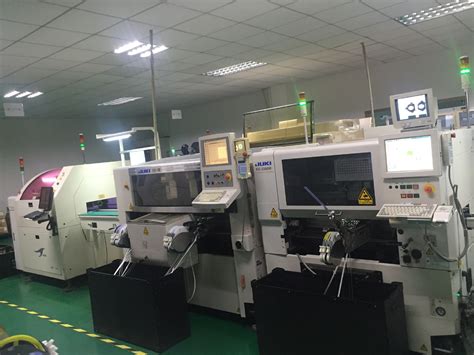
How IPC Standards Enhance Flex PCB Reliability
In the realm of modern electronics, the demand for flexible printed circuit boards (Flex PCBs) has surged, driven by their ability to conform to complex shapes and their application in a variety of advanced technologies. Ensuring the reliability of these intricate components is paramount, and this is where the standards set by the Institute for Printed Circuits (IPC) come into play. IPC standards are critical in enhancing the reliability of Flex PCBs, providing a comprehensive framework that guides manufacturers in producing high-quality, dependable products.
To begin with, IPC standards offer detailed guidelines on the materials and processes used in the fabrication of Flex PCBs.
These standards specify the types of substrates, adhesives, and conductive materials that should be employed, ensuring that the components can withstand the mechanical stresses and environmental conditions they will encounter in their operational life. By adhering to these material specifications, manufacturers can mitigate the risks of delamination, cracking, and other forms of mechanical failure, thereby enhancing the overall durability of the Flex PCBs.
Moreover, IPC standards encompass rigorous testing protocols that Flex PCBs must undergo to verify their reliability.
These tests include thermal cycling, humidity resistance, and mechanical bending, among others. By subjecting Flex PCBs to these stringent tests, manufacturers can identify potential weaknesses and address them before the products reach the market. This proactive approach not only ensures that the Flex PCBs can perform reliably under various conditions but also instills confidence in end-users regarding the quality of the products they are using.
In addition to material specifications and testing protocols, IPC standards also emphasize the importance of design considerations in enhancing Flex PCB reliability.
The standards provide guidelines on trace width, spacing, and layout, which are crucial in preventing issues such as signal interference and short circuits. By following these design guidelines, engineers can optimize the electrical performance of Flex PCBs while minimizing the risk of failure due to design flaws. This holistic approach to design and manufacturing ensures that Flex PCBs are not only reliable but also efficient in their performance.
Furthermore, IPC standards play a vital role in standardizing the manufacturing processes for Flex PCBs.
This standardization is essential in maintaining consistency and quality across different production batches. By adhering to standardized processes, manufacturers can ensure that each Flex PCB produced meets the same high standards of reliability. This consistency is particularly important in applications where Flex PCBs are used in critical systems, such as medical devices and aerospace technologies, where failure is not an option.
Another significant aspect of IPC standards is their role in facilitating communication and collaboration within the electronics industry.
By providing a common set of guidelines and terminology, IPC standards enable manufacturers, designers, and end-users to communicate more effectively. This improved communication helps in identifying and addressing potential issues early in the design and manufacturing process, further enhancing the reliability of Flex PCBs.
In conclusion, IPC standards are indispensable in enhancing the reliability of Flex PCBs. Through detailed material specifications, rigorous testing protocols, comprehensive design guidelines, standardized manufacturing processes, and improved industry communication, these standards ensure that Flex PCBs can meet the demanding requirements of modern electronic applications. As the use of Flex PCBs continues to grow, adherence to IPC standards will remain crucial in delivering high-quality, reliable products that can withstand the challenges of their operational environments.