Flex pcb production
FPC (Free Pascal Compiler) produces executable files for various platforms, including Windows, Linux, macOS, and more.
It can compile programs written in Pascal and Object Pascal languages, including console applications, graphical user interfaces, and libraries.
FPC also supports cross-compiling, which allows developers to create applications for different platforms from a single codebase.
Additionally, FPC includes a number of libraries and tools that can be used to develop complex applications.

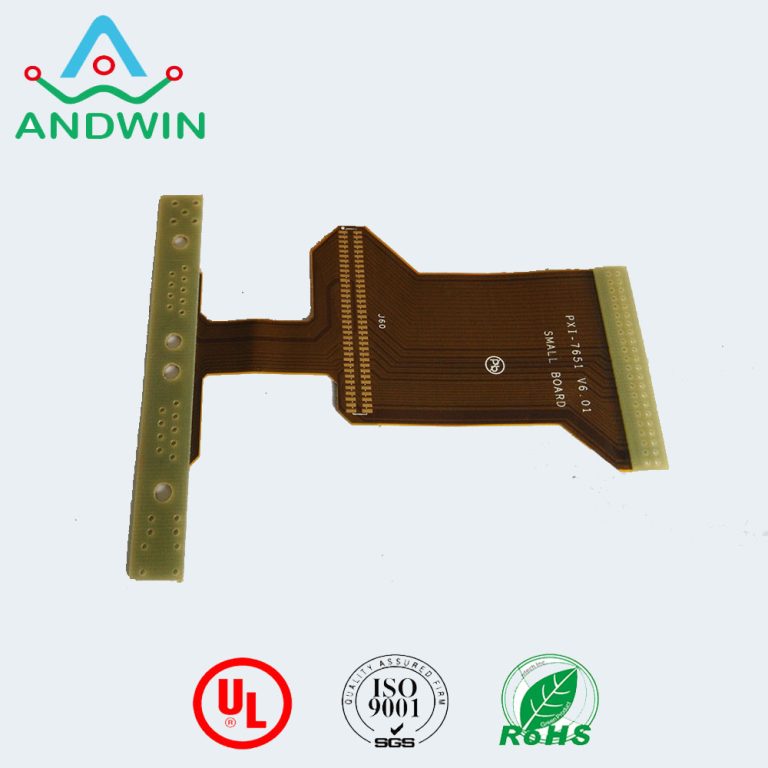
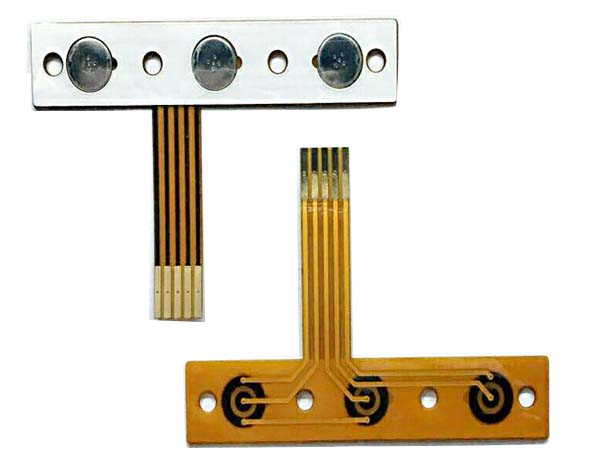
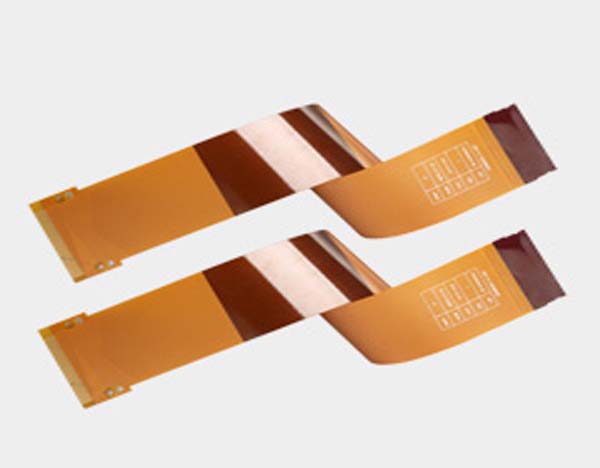
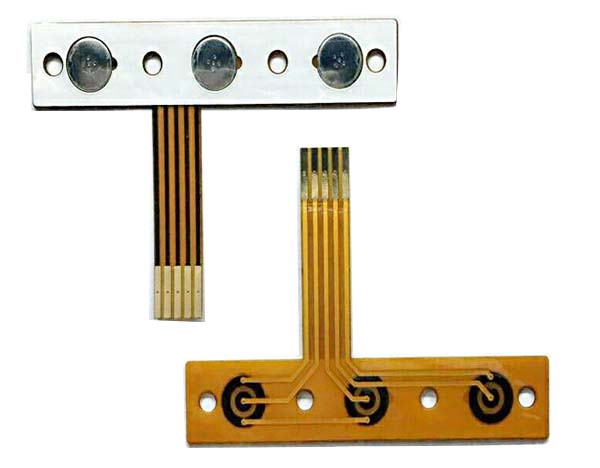
Flex PCB (Flexible Printed Circuit Board) production is the process of manufacturing flexible circuit boards that can be bent, twisted, or folded to fit into various shapes and sizes. The production process involves several steps, including:
1. Design: The first step in flex PCB production is designing the circuit board using computer-aided design (CAD) software. The design includes the layout of the circuit, the placement of components, and the routing of the traces.
2. Material selection: The next step is selecting the appropriate materials for the flex PCB. The materials used in flex PCB production include flexible substrates, conductive traces, and adhesives.
3. Printing: The circuit design is printed onto the flexible substrate using a special ink that contains conductive particles. The ink is cured using heat or ultraviolet light.
4. Etching: The excess conductive material is removed from the substrate using a chemical etching process. This leaves only the desired circuit pattern on the substrate.
5. Assembly: The components are then placed onto the substrate and connected to the circuit using solder or conductive adhesive.
6. Testing: The flex PCB is then tested to ensure that it functions correctly. This includes checking for continuity, resistance, and capacitance.
7. Finishing: The final step is to add any necessary finishing touches, such as a solder mask or a protective coating.
Flex PCB production requires specialized equipment and expertise. The process can be complex and time-consuming, but it allows for the creation of highly flexible and adaptable circuit boards that can be used in a wide range of applications.
FPC production process
The production process of FPC (Free Pascal Compiler) involves several steps:
1. Parsing: The FPC compiler reads the source code written in Pascal or Object Pascal and parses it to create an abstract syntax tree.
2. Semantic analysis: The compiler then performs semantic analysis to check the correctness of the code and ensure that it adheres to the Pascal language rules.
3. Optimization: The FPC compiler then performs various optimization techniques to improve the performance of the code, such as dead code elimination, loop unrolling, and constant folding.
4. Code generation: After optimization, the compiler generates the machine code for the target platform. This code can be executed directly on the target platform or can be cross-compiled for other platforms.
5. Linking: Finally, the compiled code is linked with any required libraries to create an executable file that can be run on the target platform.
Throughout the production process, FPC provides detailed error messages and warnings to help developers identify and fix any issues in their code.