Flex pcb ribbon cable
Advantages Of Using Flex PCB Ribbon Cables In Modern Electronics
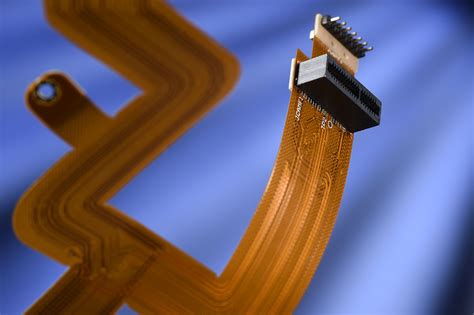
Flex PCB ribbon cables have become an integral component in the design and functionality of modern electronic devices. Their unique structure and properties offer several advantages over traditional wiring methods, making them a preferred choice for engineers and designers.
One of the primary benefits of flex PCB ribbon cables is their ability to accommodate complex geometries and tight spaces.
As electronic devices continue to shrink in size, the demand for components that can fit into compact areas without sacrificing performance has increased. Flex PCB ribbon cables, with their thin and flexible nature, can be bent, twisted, and folded to fit into these confined spaces, providing a solution that rigid circuit boards cannot offer.
Moreover, the flexibility of these cables contributes to their durability.
Unlike rigid boards that can crack under stress, flex PCB ribbon cables can withstand repeated bending and movement, which is particularly advantageous in applications where the device is subject to constant motion or vibration. This resilience not only extends the lifespan of the electronic device but also reduces maintenance costs and downtime, as the need for frequent repairs or replacements is minimized.
In addition to their physical adaptability, flex PCB ribbon cables offer superior electrical performance.
The design of these cables allows for shorter signal paths, which can lead to reduced signal loss and improved transmission speeds. This is particularly important in high-frequency applications where maintaining signal integrity is crucial. Furthermore, the materials used in flex PCB ribbon cables often have excellent thermal and electrical conductivity, enhancing their performance in demanding environments.
Another significant advantage of flex PCB ribbon cables is their potential for cost savings in the manufacturing process.
By integrating multiple components and connections into a single flexible circuit, these cables can reduce the need for additional connectors and wiring, simplifying assembly and reducing labor costs. This integration also leads to a reduction in the overall weight and size of the electronic device, which can be a critical factor in applications such as aerospace and portable consumer electronics where every gram counts.
The versatility of flex PCB ribbon cables also extends to their compatibility with a wide range of applications.
From consumer electronics like smartphones and tablets to industrial machinery and medical devices, these cables can be tailored to meet the specific requirements of various industries. Their ability to operate reliably in extreme conditions, such as high temperatures or corrosive environments, further broadens their applicability.
In conclusion, the advantages of using flex PCB ribbon cables in modern electronics are manifold. Their flexibility, durability, and superior electrical performance make them an ideal choice for a wide range of applications. Additionally, the potential for cost savings and their adaptability to various environments further enhance their appeal. As technology continues to evolve and the demand for more compact and efficient electronic devices grows, the role of flex PCB ribbon cables is likely to become even more prominent, driving innovation and enabling the development of next-generation technologies.
Design Considerations For Flex PCB Ribbon Cables
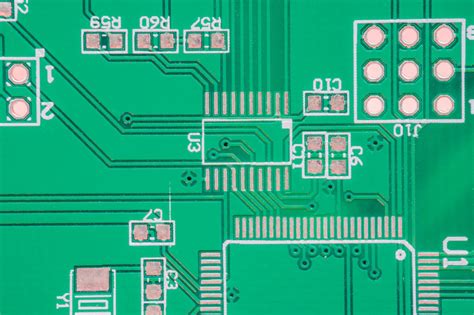
When designing flex PCB ribbon cables, several critical considerations must be taken into account to ensure optimal performance and reliability. These flexible printed circuit boards, known for their ability to bend and twist, are increasingly used in various applications, from consumer electronics to automotive systems. As such, understanding the nuances of their design is essential for engineers and designers aiming to leverage their unique properties.
To begin with, material selection is a fundamental aspect of designing flex PCB ribbon cables.
The choice of materials impacts not only the flexibility but also the durability and electrical performance of the cable. Polyimide is a popular substrate material due to its excellent thermal stability and flexibility. However, depending on the specific application requirements, other materials such as polyester might be considered for their cost-effectiveness and adequate performance in less demanding environments.
In addition to material selection, the thickness of the flex PCB is another crucial factor.
Thinner substrates generally offer greater flexibility, which is advantageous in applications requiring tight bends or dynamic movement. However, thinner materials may also be more susceptible to mechanical damage and may require additional reinforcement in high-stress areas. Therefore, striking a balance between flexibility and mechanical strength is vital.
Moreover, the layout of the conductive traces on the flex PCB ribbon cable plays a significant role in its performance.
Designers must carefully consider the trace width and spacing to minimize electrical resistance and potential interference. Additionally, the routing of these traces should be optimized to avoid sharp bends, which can lead to stress concentration and eventual failure. Employing curved traces instead of sharp angles can significantly enhance the durability of the cable.
Transitioning to the aspect of shielding, it is important to address electromagnetic interference (EMI) concerns, especially in environments with high levels of electronic noise. Shielding can be achieved through the use of additional conductive layers or by incorporating ground planes within the flex PCB design. This not only helps in reducing EMI but also enhances signal integrity, which is crucial for maintaining the performance of high-speed data transmission applications.
Furthermore, the termination method of flex PCB ribbon cables is another design consideration that cannot be overlooked.
The choice between using connectors or direct soldering depends on factors such as ease of assembly, cost, and the need for repeated connections and disconnections. Connectors offer the advantage of easy assembly and disassembly, making them suitable for applications requiring frequent maintenance. On the other hand, direct soldering provides a more compact and cost-effective solution for permanent connections.
Finally, environmental factors such as temperature, humidity, and exposure to chemicals must be considered during the design phase.
Flex PCB ribbon cables are often used in challenging environments, and their design must account for these conditions to prevent degradation over time. Protective coatings or encapsulation can be employed to enhance the environmental resistance of the cables, ensuring long-term reliability.
In conclusion, designing flex PCB ribbon cables involves a comprehensive understanding of material properties, mechanical and electrical requirements, and environmental conditions. By carefully considering these factors, designers can create flexible circuits that meet the specific needs of their applications, ensuring both performance and durability. As technology continues to advance, the demand for these versatile components is likely to grow, making it imperative for designers to stay informed about the latest developments and best practices in flex PCB design.
Common Applications Of Flex PCB Ribbon Cables In Industry
Flex PCB ribbon cables, known for their flexibility and durability, have become indispensable components in various industrial applications. These cables, which consist of a flexible plastic substrate with conductive copper traces, offer a unique combination of lightweight design and high reliability. As industries continue to evolve, the demand for efficient and adaptable electronic components has led to the widespread adoption of flex PCB ribbon cables across multiple sectors.
One of the most prominent applications of flex PCB ribbon cables is in the consumer electronics industry.
Devices such as smartphones, tablets, and laptops require compact and flexible connections to accommodate their sleek designs. Flex PCB ribbon cables provide the necessary flexibility to connect different components within these devices without compromising on performance. Their ability to withstand repeated bending and flexing makes them ideal for use in devices that are frequently handled and moved.
In addition to consumer electronics, the automotive industry has also embraced the use of flex PCB ribbon cables.
Modern vehicles are equipped with a multitude of electronic systems, ranging from infotainment systems to advanced driver-assistance systems (ADAS). Flex PCB ribbon cables are used to connect various electronic modules within a vehicle, ensuring seamless communication between different systems. Their lightweight nature contributes to the overall reduction in vehicle weight, which is crucial for improving fuel efficiency and reducing emissions.
The medical industry is another sector where flex PCB ribbon cables have found significant applications.
Medical devices, such as imaging equipment, diagnostic tools, and wearable health monitors, require reliable and precise electronic connections. Flex PCB ribbon cables offer the necessary flexibility and miniaturization to fit within the compact designs of these devices. Moreover, their ability to maintain performance under constant movement and flexing is essential for devices that are used in dynamic environments or worn by patients.
Furthermore, the aerospace industry benefits from the use of flex PCB ribbon cables due to their lightweight and space-saving characteristics.
In an industry where every gram counts, the reduction in weight provided by these cables is invaluable. They are used in a variety of applications, including satellite systems, avionics, and communication equipment. The ability of flex PCB ribbon cables to perform reliably under extreme conditions, such as high temperatures and vibrations, makes them suitable for the demanding environments encountered in aerospace applications.
In the realm of industrial automation, flex PCB ribbon cables play a crucial role in the development of robotic systems and automated machinery.
These cables facilitate the connection of sensors, actuators, and control units, enabling precise and efficient operation of automated systems. The flexibility of these cables allows for easy integration into complex mechanical structures, ensuring that they can adapt to the dynamic movements of robotic arms and other automated components.
In conclusion, flex PCB ribbon cables have become a vital component across various industries due to their unique properties of flexibility, durability, and lightweight design. From consumer electronics to automotive, medical, aerospace, and industrial automation, these cables provide the necessary connectivity solutions that meet the demands of modern technology. As industries continue to innovate and push the boundaries of what is possible, the role of flex PCB ribbon cables is likely to expand, further solidifying their importance in the world of electronics.
Innovations In Flex PCB Ribbon Cable Manufacturing Techniques
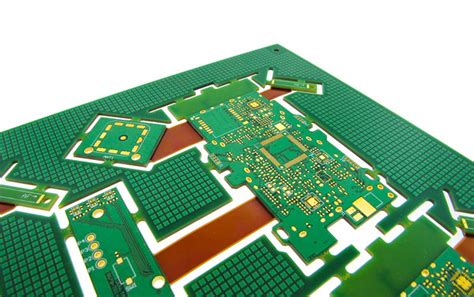
Flex PCB ribbon cables have become an integral component in modern electronic devices, offering a versatile and efficient solution for connecting various parts of a circuit. As technology continues to advance, the demand for more sophisticated and reliable flex PCB ribbon cables has driven innovations in their manufacturing techniques. These innovations not only enhance the performance and durability of the cables but also expand their applications across different industries.
One of the most significant advancements in flex PCB ribbon cable manufacturing is the development of new materials.
Traditionally, these cables were made using polyimide films due to their excellent thermal stability and flexibility. However, recent innovations have introduced advanced composite materials that offer improved mechanical properties and electrical performance. These new materials are designed to withstand higher temperatures and more rigorous mechanical stresses, making them ideal for use in harsh environments such as automotive and aerospace applications.
In addition to material advancements, the manufacturing process itself has seen significant improvements.
The introduction of automated production techniques has greatly increased the precision and efficiency of flex PCB ribbon cable manufacturing. Automation allows for more consistent quality control, reducing the likelihood of defects and ensuring that each cable meets stringent industry standards. Moreover, automated processes can be easily scaled, enabling manufacturers to meet the growing demand for these components without compromising on quality.
Another noteworthy innovation is the use of advanced printing technologies in the production of flex PCB ribbon cables.
Techniques such as inkjet and screen printing have been adapted to deposit conductive materials onto flexible substrates with high precision. This approach not only reduces material waste but also allows for the creation of more complex circuit patterns, enhancing the functionality of the cables. Furthermore, these printing techniques enable the integration of additional components directly onto the flex PCB, streamlining the assembly process and reducing the overall size and weight of electronic devices.
The miniaturization of electronic components has also influenced the design and manufacturing of flex PCB ribbon cables.
As devices become smaller and more compact, the need for thinner and more flexible cables has increased. Innovations in microfabrication techniques have allowed manufacturers to produce ultra-thin flex PCBs with fine pitch connections, catering to the demands of modern consumer electronics such as smartphones and wearable devices. These advancements ensure that flex PCB ribbon cables can maintain their performance even as their size decreases.
Moreover, environmental considerations have become a driving force behind recent innovations in flex PCB ribbon cable manufacturing.
As the electronics industry faces increasing pressure to reduce its environmental impact, manufacturers are exploring eco-friendly materials and processes. For instance, the development of biodegradable substrates and the use of lead-free soldering techniques are steps towards creating more sustainable flex PCB ribbon cables. These efforts not only align with global environmental goals but also appeal to environmentally conscious consumers and companies.
In conclusion, the innovations in flex PCB ribbon cable manufacturing techniques have significantly enhanced their performance, reliability, and applicability across various industries. Through advancements in materials, automation, printing technologies, miniaturization, and environmental sustainability, manufacturers are able to meet the evolving demands of modern electronics. As these innovations continue to progress, flex PCB ribbon cables will undoubtedly play an increasingly vital role in the future of electronic device design and functionality.