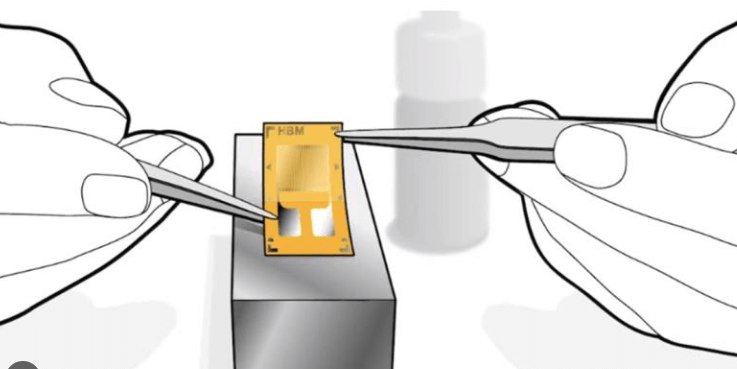
Flex pcb strain gauge
Advantages Of Using Flex PCB Strain Gauges In Modern Electronics
Flex PCB strain gauges have emerged as a pivotal component in modern electronics, offering a multitude of advantages that enhance the performance, reliability, and versatility of various devices. These strain gauges, which are integrated into flexible printed circuit boards (PCBs), provide a unique combination of flexibility, precision, and durability, making them indispensable in a wide range of applications.
One of the primary advantages of using flex PCB strain gauges is their inherent flexibility.
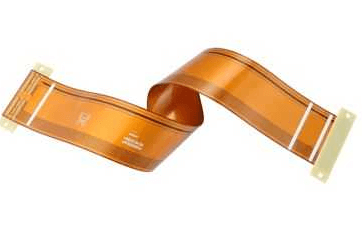
Unlike traditional rigid PCBs, flex PCBs can bend, twist, and conform to complex shapes and surfaces. This flexibility allows for the design of more compact and lightweight electronic devices, as the strain gauges can be seamlessly integrated into the device’s structure without compromising its form factor. Consequently, this leads to the development of more ergonomic and user-friendly products, particularly in wearable technology, medical devices, and aerospace applications.
In addition to their flexibility, flex PCB strain gauges offer superior precision in measuring strain and deformation.
The integration of strain gauges into the flexible substrate ensures that the sensors can accurately detect minute changes in mechanical stress and strain. This high level of precision is crucial in applications where accurate measurements are essential for performance and safety, such as in structural health monitoring, robotics, and automotive systems. The ability to provide real-time data on strain and deformation enables engineers to make informed decisions and implement timely interventions, thereby enhancing the overall reliability and safety of the system.
Moreover, the durability of flex PCB strain gauges is another significant advantage.
The materials used in the fabrication of flex PCBs, such as polyimide and polyester, are known for their excellent mechanical and thermal properties. These materials can withstand harsh environmental conditions, including extreme temperatures, humidity, and mechanical stress, without compromising the performance of the strain gauges. This robustness ensures that the sensors maintain their accuracy and functionality over extended periods, reducing the need for frequent maintenance and replacements. As a result, the long-term reliability of electronic devices is significantly improved, leading to cost savings and increased operational efficiency.
Furthermore, the integration of flex PCB strain gauges into modern electronics facilitates the miniaturization of devices.
The compact nature of flex PCBs allows for the incorporation of multiple sensors and electronic components within a limited space, enabling the development of smaller and more sophisticated devices. This miniaturization is particularly beneficial in the medical field, where the demand for minimally invasive diagnostic and therapeutic tools is on the rise. By utilizing flex PCB strain gauges, medical devices can be designed to be less intrusive, more comfortable for patients, and capable of providing more accurate and detailed data.
In conclusion, the advantages of using flex PCB strain gauges in modern electronics are manifold. Their flexibility allows for innovative and ergonomic designs, while their precision ensures accurate and reliable measurements. The durability of these strain gauges guarantees long-term performance even in challenging environments, and their contribution to device miniaturization opens up new possibilities in various fields. As technology continues to advance, the role of flex PCB strain gauges in enhancing the functionality and efficiency of electronic devices is set to become even more prominent, solidifying their position as a critical component in the future of electronics.
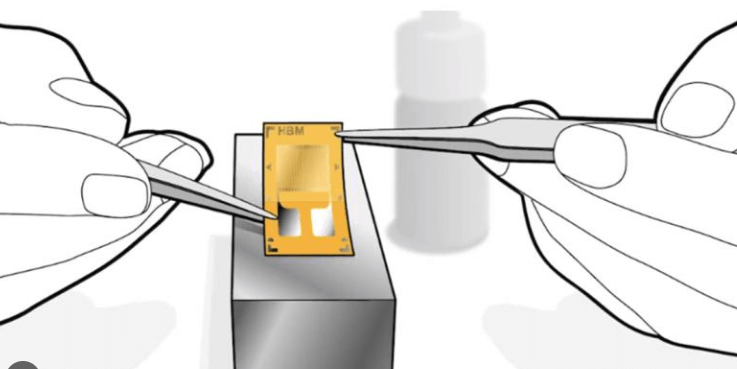
Design Considerations For Flex PCB Strain Gauges
When designing flex PCB strain gauges, several critical considerations must be taken into account to ensure optimal performance and reliability. The unique properties of flexible printed circuit boards (PCBs) offer distinct advantages, such as their ability to conform to complex shapes and withstand dynamic mechanical stresses. However, these benefits also introduce specific challenges that must be addressed during the design phase.
One of the primary considerations is the selection of materials.
The substrate material for flex PCBs is typically polyimide, known for its excellent thermal stability and mechanical flexibility. This material must be carefully chosen to match the application’s environmental conditions, including temperature ranges and exposure to chemicals or moisture. Additionally, the conductive materials, often copper, must be selected for their ability to maintain electrical integrity under repeated flexing and strain.
Another crucial aspect is the layout design.
The trace routing on a flex PCB strain gauge must be meticulously planned to minimize stress concentrations that could lead to mechanical failure. This involves using curved traces instead of sharp angles, which can act as stress risers. Furthermore, the width and spacing of the traces should be optimized to balance electrical performance with mechanical durability. The use of redundant paths can also enhance reliability by providing alternative current paths in case of a trace failure.
The attachment method of the strain gauge to the substrate is equally important.
Adhesives used must provide strong bonding without compromising the flexibility of the PCB. The choice of adhesive can significantly impact the gauge’s sensitivity and accuracy, as well as its long-term stability. It is essential to select an adhesive that can withstand the operational environment’s mechanical and thermal stresses.
Thermal management is another critical factor in the design of flex PCB strain gauges.
The materials and components used must be capable of dissipating heat effectively to prevent thermal degradation. This is particularly important in applications where the strain gauge is subjected to high power loads or operates in high-temperature environments. Incorporating thermal vias and heat spreaders can help manage heat distribution and maintain the gauge’s performance.
The electrical characteristics of the strain gauge must also be carefully considered.
The resistance of the gauge should be chosen to match the input requirements of the measurement system, ensuring accurate and reliable readings. Additionally, the gauge’s sensitivity, often expressed as the gauge factor, must be optimized for the specific application. This involves balancing the need for high sensitivity with the requirement for mechanical robustness.
Environmental protection is another vital consideration.
Flex PCB strain gauges are often used in harsh environments where they may be exposed to moisture, dust, and other contaminants. Protective coatings, such as conformal coatings or encapsulants, can provide a barrier against these elements, enhancing the gauge’s durability and longevity. The choice of protective coating must be compatible with the flex PCB materials and the operational environment.
Finally, the manufacturing process must be carefully controlled to ensure the quality and consistency of the flex PCB strain gauges.
This includes precise control of the etching process to achieve accurate trace dimensions and the use of cleanroom environments to prevent contamination. Rigorous testing and quality assurance procedures are essential to verify that the strain gauges meet the required specifications and performance standards.
In conclusion, the design of flex PCB strain gauges involves a complex interplay of material selection, layout design, attachment methods, thermal management, electrical characteristics, environmental protection, and manufacturing processes. By carefully considering each of these factors, designers can create strain gauges that offer high performance, reliability, and durability in a wide range of applications.
Applications Of Flex PCB Strain Gauges In Medical Devices
Flex PCB strain gauges have emerged as a pivotal technology in the realm of medical devices, offering unparalleled advantages in terms of flexibility, precision, and miniaturization. These strain gauges, which are essentially flexible printed circuit boards (PCBs) embedded with strain-sensitive elements, are designed to measure the deformation or strain in various materials. Their application in medical devices is particularly transformative, given the stringent requirements for accuracy, reliability, and biocompatibility in the healthcare sector.
One of the primary applications of flex PCB strain gauges in medical devices is in the development of wearable health monitors.
These devices, which include smartwatches and fitness trackers, rely on the precise measurement of physiological parameters such as heart rate, blood pressure, and respiratory rate. Flex PCB strain gauges are integral to these devices because they can conform to the contours of the human body, providing accurate readings even during movement. This flexibility ensures that the sensors maintain consistent contact with the skin, thereby enhancing the reliability of the data collected.
In addition to wearable health monitors, flex PCB strain gauges are also used in the design of prosthetic limbs.
Modern prosthetics are increasingly incorporating advanced sensors to provide real-time feedback to the user, improving the functionality and comfort of the artificial limb. Flex PCB strain gauges can be embedded within the prosthetic to monitor the strain and stress experienced during use. This data can then be used to adjust the limb’s movements, making it more responsive and reducing the risk of injury. The ability to integrate these sensors seamlessly into the prosthetic material is a significant advantage, as it ensures that the device remains lightweight and unobtrusive.
Another critical application of flex PCB strain gauges is in the field of minimally invasive surgery.
Surgical instruments equipped with these sensors can provide surgeons with real-time feedback on the forces being applied during procedures. This is particularly important in delicate surgeries where precision is paramount. For instance, in laparoscopic surgery, the use of flex PCB strain gauges can help in monitoring the pressure exerted by surgical tools, thereby reducing the risk of tissue damage. The flexibility of these sensors allows them to be integrated into the slender and intricate designs of surgical instruments without compromising their functionality.
Furthermore, flex PCB strain gauges are finding applications in the development of advanced diagnostic tools.
For example, in the creation of smart catheters, these sensors can be used to measure the strain and pressure within blood vessels. This information is crucial for diagnosing conditions such as arterial blockages or aneurysms. The ability to obtain accurate measurements in real-time can significantly enhance the diagnostic capabilities of these tools, leading to better patient outcomes.
The integration of flex PCB strain gauges into medical devices also opens up new possibilities for remote patient monitoring.
With the increasing emphasis on telemedicine, the ability to monitor patients’ physiological parameters remotely is becoming more important. Devices equipped with these sensors can transmit data to healthcare providers in real-time, allowing for continuous monitoring and timely interventions. This is particularly beneficial for patients with chronic conditions who require ongoing management.
In conclusion, the applications of flex PCB strain gauges in medical devices are vast and varied, ranging from wearable health monitors and prosthetic limbs to minimally invasive surgical instruments and advanced diagnostic tools. Their ability to provide accurate, real-time data while maintaining flexibility and biocompatibility makes them an invaluable component in the advancement of medical technology. As research and development in this field continue to progress, it is likely that we will see even more innovative uses for flex PCB strain gauges, further enhancing the capabilities of medical devices and improving patient care.
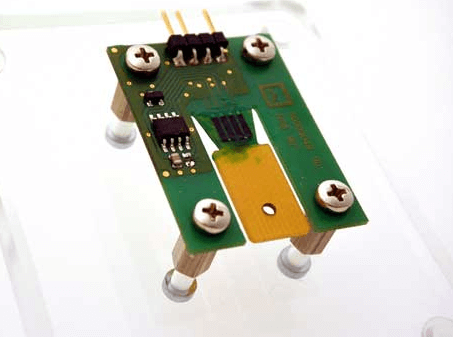
How To Integrate Flex PCB Strain Gauges Into Your Project
Integrating flex PCB strain gauges into your project can significantly enhance the precision and reliability of your measurements, especially in applications where flexibility and compactness are paramount. Flex PCB strain gauges, known for their adaptability and durability, are increasingly being utilized in various fields such as aerospace, medical devices, and consumer electronics. To successfully incorporate these advanced sensors into your project, it is essential to understand the fundamental steps and considerations involved.
Firstly, it is crucial to select the appropriate flex PCB strain gauge for your specific application.
This involves evaluating the gauge’s specifications, such as its resistance, sensitivity, and temperature coefficient. Additionally, consider the environmental conditions in which the strain gauge will operate, including temperature ranges, humidity levels, and potential exposure to chemicals or mechanical stress. By carefully assessing these factors, you can ensure that the chosen strain gauge will perform optimally under the given conditions.
Once you have selected the suitable strain gauge, the next step is to design the layout of the flex PCB.
This process requires meticulous planning to ensure that the strain gauge is positioned correctly and that the PCB layout accommodates the necessary electrical connections. It is advisable to use specialized software tools for PCB design, which can help in creating precise and efficient layouts. During this phase, pay close attention to the routing of the traces, as improper routing can lead to signal interference and reduced accuracy of the strain measurements.
After finalizing the PCB design, the manufacturing process begins.
Collaborate with a reputable PCB manufacturer who has experience in producing flex PCBs with integrated strain gauges. Ensure that the manufacturer adheres to high-quality standards and uses materials that meet your project’s requirements. During production, it is essential to maintain stringent quality control measures to detect and rectify any defects that may arise.
Following the manufacturing stage, the next critical step is the assembly and integration of the flex PCB strain gauge into your project.
This involves soldering the strain gauge onto the flex PCB and connecting it to the necessary electronic components. It is important to use appropriate soldering techniques and equipment to avoid damaging the delicate components. Additionally, consider implementing strain relief mechanisms to protect the connections from mechanical stress and ensure long-term reliability.
Once the assembly is complete, thorough testing and calibration of the strain gauge are imperative.
This process involves subjecting the strain gauge to known loads and measuring its response to ensure accuracy and consistency. Calibration can be performed using specialized equipment and software, which can help in fine-tuning the sensor’s output to match the expected values. Regular calibration is essential to maintain the accuracy of the strain gauge over time, especially in applications where precise measurements are critical.
Finally, integrating the flex PCB strain gauge into your project’s overall system requires careful consideration of the data acquisition and processing methods.
Ensure that the strain gauge’s output is compatible with your data acquisition system and that the signal is adequately conditioned to minimize noise and interference. Implementing robust data processing algorithms can further enhance the accuracy and reliability of the measurements.
In conclusion, integrating flex PCB strain gauges into your project involves a series of meticulous steps, from selecting the appropriate sensor to designing the PCB layout, manufacturing, assembly, testing, and calibration. By paying close attention to each of these stages and ensuring high-quality standards throughout the process, you can successfully incorporate these advanced sensors into your project, thereby achieving precise and reliable strain measurements.