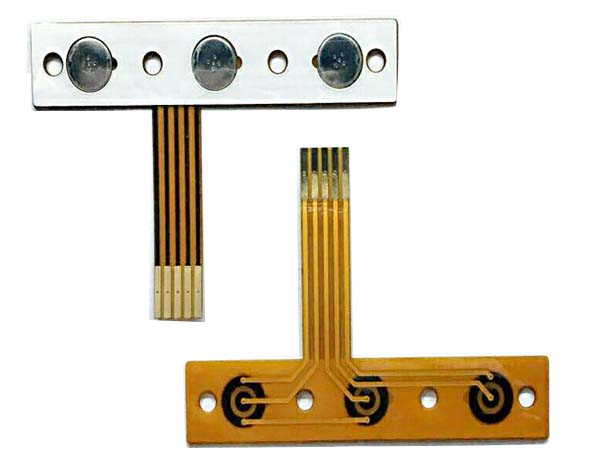
Flex pcb temperature range

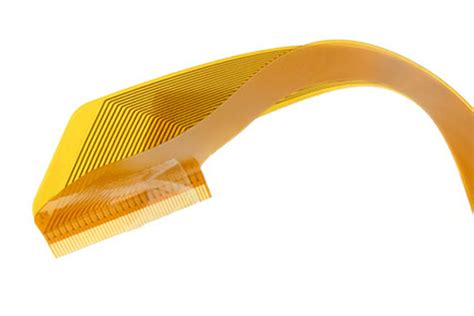
The temperature range of a flexible printed circuit board (flex PCB) depends on the materials used in its construction.
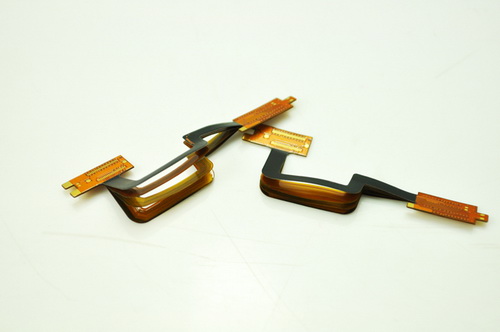
rigid flex pcbs

Typically, the base material used in flex PCBs is polyimide,
which has a high-temperature resistance of up to 260°C (500°F).
However, the temperature range of a flex PCB also depends on the other materials used in its construction,
such as the adhesive, copper traces, and solder mask.

In general, flex PCBs can withstand temperatures ranging from -40°C to 125°C (-40°F to 257°F) for extended periods of time.
However, some flex PCBs may be designed to withstand higher temperatures for short periods of time, such as during soldering or reflow processes.

It is important to consult the manufacturer’s specifications for the specific flex PCB being used to determine its temperature range and limitations.
GET IN TOUCH!

Determinants of Flexible Printed Circuit Board Temperature Range

The temperature range of a flexible printed circuit board (flex PCB) is determined by several factors, including:

1. Base material:
The base material used in flex PCBs is typically polyimide,
which has a high-temperature resistance of up to 260°C (500°F).
Other base materials, such as polyester or PTFE, may have different temperature ranges.

2. Adhesive:
The adhesive used to bond the layers of the flex PCB together must also have a high-temperature resistance.
The adhesive must be able to withstand the temperature range of the flex PCB without breaking down or losing its bonding strength.

3. Copper traces:
The copper traces used in the flex PCB must also be able to withstand the temperature range of the board.
Copper has a high-temperature resistance, but it can also become brittle at low temperatures.

4. Solder mask:
The solder mask used to protect the copper traces must also be able to withstand the temperature range of the flex PCB.
The solder mask must be able to resist cracking or peeling at high temperatures.

5. Design considerations:
The design of the flex PCB can also affect its temperature range.
For example, the thickness of the copper traces and the spacing between them can affect the board’s ability to dissipate heat.

6. Application requirements:
The temperature range of the flex PCB must also be suitable for the application in which it will be used.
Different applications may require different temperature ranges, depending on the environment in which the board will be used.

GET IN TOUCH!

Similar Posts

  • |

    Aluminum substrate material

    The aluminum substrate is a thin layer of aluminum that is laminated onto a non-conductive material, such as fiberglass or ceramic, to create a rigid and durable circuit board. Aluminum substrate PCBs are commonly used in high-power LED lighting, automotive electronics, and power electronics applications due to their excellent thermal conductivity and heat dissipation properties. They…

  • |

    What is flex pcb cable?

    Flex PCB (Flexible Printed Circuit Board) cables are used in a variety of electronic devices to connect different components and allow for flexibility in design. The main role of flex PCB cables is to provide a reliable and flexible connection between two or more components that may be located in different parts of the device….

  • | |

    Aluminum clad pcb manufacturing

    An aluminum clad PCB (Printed Circuit Board) is a type of circuit board that has a layer of aluminum on its surface. This layer of aluminum provides a number of benefits, including improved heat dissipation, increased mechanical strength, and enhanced electromagnetic shielding. The aluminum layer is typically bonded to the PCB using a thermal adhesive, which allows…

  • |

    Flex pcb hersteller

    1. Flex Ltd.2. Jabil Inc.3. Sanmina Corporation4. TTM Technologies5. Multek Corporation6. Advanced Circuits7. Sierra Circuits8. All Flex Inc.9. Epec Engineered Technologies10. Firan Technology Group It is important to choose a reliable and experienced manufacturer who can provide high-quality flex PCBs that meet your specific requirements.Factors to consider when choosing a flex PCB manufacturer include their…

  • |

    Rigid flex pcb stackup

    A rigid-flex PCB stackup is a combination of rigid and flexible PCBs that are interconnected to form a single board.The stackup typically consists of several layers of rigid and flexible materials that are laminated together to create a single board. The layers are arranged in a specific order to provide the required mechanical and electrical properties. The…

  • |

    4 layer flex pcb(2)

    A 4 layer flex PCB (Printed Circuit Board) is a type of flexible circuit board that consists of four layers of conductive material sandwiched between layers of insulating material. The layers are interconnected by vias, which are small holes drilled through the layers and filled with conductive material. GET IN TOUCH! The role of a 4 layer…