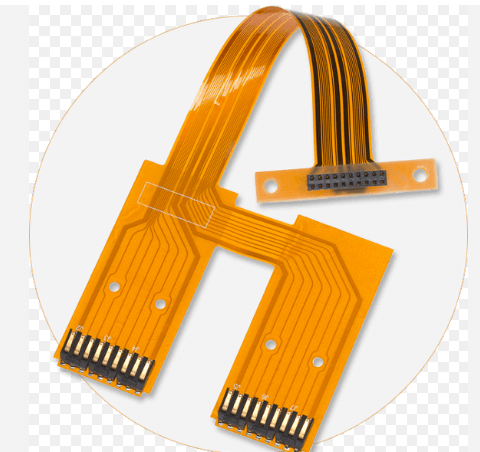
Flex pcb temperature sensor
Advantages Of Using Flex PCB Temperature Sensors In Modern Electronics
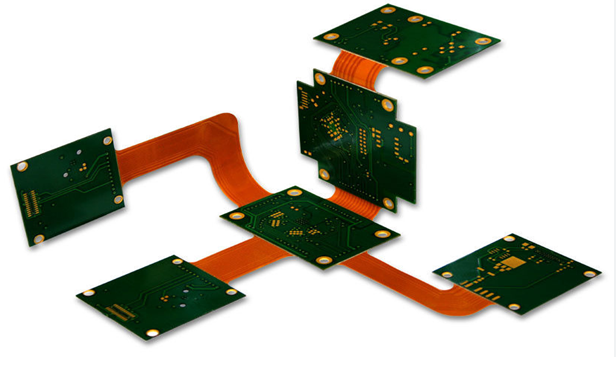
Flex PCB temperature sensors have become increasingly integral in modern electronics, offering a range of advantages that make them superior to traditional temperature sensing methods. One of the primary benefits of using flex PCB temperature sensors is their remarkable flexibility. Unlike rigid sensors, flex PCB sensors can be bent, twisted, and shaped to fit into compact and irregular spaces. This adaptability is particularly valuable in the design of wearable technology, medical devices, and other applications where space constraints and form factors are critical considerations.
In addition to their flexibility, flex PCB temperature sensors are known for their lightweight nature.
The reduced weight is a significant advantage in applications such as aerospace and automotive industries, where every gram counts. By minimizing the weight of the components, these sensors contribute to the overall efficiency and performance of the system. Furthermore, the thin profile of flex PCB temperature sensors allows for seamless integration into various electronic devices without adding bulk, thereby maintaining the sleek and compact design that modern consumers demand.
Another notable advantage is the enhanced reliability and durability of flex PCB temperature sensors.
These sensors are designed to withstand harsh environmental conditions, including extreme temperatures, vibrations, and mechanical stress. This robustness ensures that they can operate effectively in challenging environments, such as industrial settings and outdoor applications. The durability of flex PCB temperature sensors translates to longer lifespans and reduced maintenance costs, making them a cost-effective solution for long-term use.
Moreover, the manufacturing process of flex PCB temperature sensors offers significant benefits in terms of precision and customization.
Advanced fabrication techniques allow for the production of highly accurate and consistent sensors, ensuring reliable temperature measurements. Additionally, the ability to customize the design and layout of the sensors to meet specific requirements provides engineers with the flexibility to optimize performance for particular applications. This level of customization is not easily achievable with traditional temperature sensors, making flex PCB sensors a preferred choice for specialized and high-performance applications.
The integration of flex PCB temperature sensors into modern electronics also facilitates improved thermal management.
Effective thermal management is crucial for the performance and longevity of electronic devices, as excessive heat can lead to component failure and reduced efficiency. Flex PCB temperature sensors provide real-time temperature monitoring, enabling precise control of thermal conditions. This capability is particularly important in high-power applications, such as power electronics and data centers, where maintaining optimal temperatures is essential for reliable operation.
Furthermore, the use of flex PCB temperature sensors aligns with the growing trend towards miniaturization in electronics.
As devices become smaller and more complex, the need for compact and efficient components becomes increasingly important. Flex PCB temperature sensors meet this demand by offering a solution that is both space-saving and highly functional. Their ability to conform to various shapes and sizes without compromising performance makes them an ideal choice for next-generation electronic devices.
In conclusion, the advantages of using flex PCB temperature sensors in modern electronics are manifold.
Their flexibility, lightweight nature, enhanced reliability, and durability make them suitable for a wide range of applications. The precision and customization offered by advanced manufacturing processes, coupled with improved thermal management capabilities, further underscore their superiority over traditional temperature sensing methods. As the electronics industry continues to evolve, the adoption of flex PCB temperature sensors is likely to increase, driven by the need for innovative, efficient, and reliable solutions.
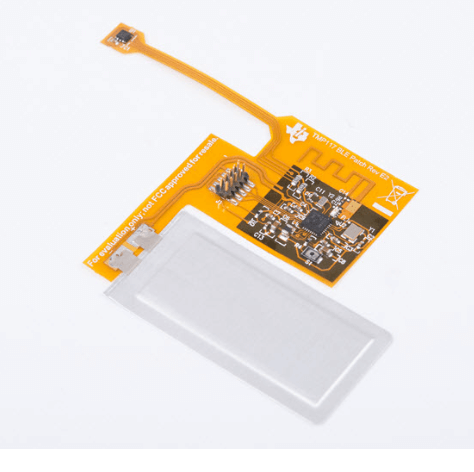
How To Integrate Flex PCB Temperature Sensors Into Your Design
Integrating flex PCB temperature sensors into your design can significantly enhance the functionality and reliability of your electronic devices. These sensors, known for their flexibility and precision, are particularly advantageous in applications where space constraints and dynamic environments are prevalent. To successfully incorporate these sensors, it is essential to understand their unique characteristics, the integration process, and the considerations necessary for optimal performance.
Flex PCB temperature sensors are constructed using flexible substrates, typically polyimide or polyester, which allow them to conform to various shapes and surfaces.
This flexibility makes them ideal for applications in wearable technology, medical devices, and compact electronic systems. The first step in integrating these sensors is to select the appropriate type based on your specific requirements. Factors such as temperature range, accuracy, response time, and environmental conditions should be carefully evaluated to ensure the chosen sensor meets the demands of your application.
Once the appropriate sensor is selected, the next step involves designing the layout of the flex PCB.
This process requires meticulous planning to ensure that the sensor is positioned correctly and that the traces are routed efficiently. It is crucial to consider the mechanical stresses that the flex PCB will encounter during operation. Properly accounting for these stresses can prevent potential damage and ensure the longevity of the sensor. Additionally, the layout should minimize the length of the traces to reduce resistance and potential signal loss.
After finalizing the design, the manufacturing process begins.
Flex PCBs are typically produced using a combination of photolithography and etching techniques. During this stage, it is important to maintain strict quality control to ensure that the sensors are fabricated accurately and consistently. Any deviations in the manufacturing process can lead to performance issues or sensor failure. Therefore, working with a reputable manufacturer with experience in producing flex PCBs is highly recommended.
Once the flex PCB temperature sensors are manufactured, the next phase involves integrating them into your electronic system.
This step requires careful handling to avoid damaging the delicate flex PCB. Soldering is the most common method used to attach the sensors to the main PCB. However, due to the flexible nature of the substrate, it is essential to use low-temperature soldering techniques to prevent heat damage. Additionally, using a strain relief mechanism can help protect the sensor from mechanical stress during operation.
Testing and calibration are critical steps in the integration process.
After the sensors are installed, they must be thoroughly tested to ensure they are functioning correctly and providing accurate temperature readings. Calibration involves comparing the sensor’s output to a known temperature standard and making any necessary adjustments to align the readings. This step is vital to ensure the reliability and accuracy of the temperature measurements in your application.
In conclusion, integrating flex PCB temperature sensors into your design requires careful consideration of various factors, from selecting the appropriate sensor to ensuring proper handling and calibration. By understanding the unique characteristics of these sensors and following a meticulous integration process, you can enhance the performance and reliability of your electronic devices. The flexibility and precision offered by flex PCB temperature sensors make them an invaluable component in modern electronic design, particularly in applications where space constraints and dynamic environments are prevalent.
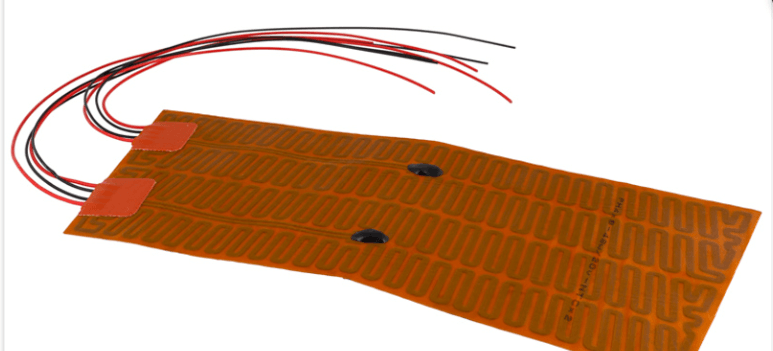
Comparing Flex PCB Temperature Sensors With Traditional Temperature Sensors
Flex PCB temperature sensors represent a significant advancement in the field of temperature measurement, offering distinct advantages over traditional temperature sensors.
To understand the benefits and limitations of these innovative devices, it is essential to compare them with their conventional counterparts in terms of design, performance, and application.
Traditional temperature sensors, such as thermocouples, resistance temperature detectors (RTDs), and thermistors, have been widely used for decades.
These sensors typically consist of rigid materials and are often encased in protective housings to withstand harsh environments. While they are reliable and accurate, their rigidity can pose challenges in applications requiring flexibility and adaptability. For instance, in scenarios where the sensor needs to conform to curved surfaces or fit into tight spaces, traditional sensors may fall short.
In contrast, flex PCB temperature sensors are designed using flexible printed circuit boards, which allow them to bend and twist without compromising their functionality. This flexibility is achieved through the use of thin, lightweight materials such as polyimide or polyester, which can endure significant mechanical stress. Consequently, flex PCB temperature sensors can be easily integrated into complex geometries and dynamic environments, making them ideal for applications in wearable technology, medical devices, and aerospace engineering.
Moreover, the manufacturing process of flex PCB temperature sensors offers additional benefits.
These sensors are typically produced using advanced techniques such as photolithography and etching, which enable high precision and repeatability. As a result, flex PCB temperature sensors can achieve superior accuracy and consistency compared to traditional sensors. Furthermore, the integration of multiple sensing elements on a single flexible substrate allows for the creation of multi-functional sensors that can measure not only temperature but also other parameters such as humidity and pressure.
Another critical aspect to consider is the thermal response time of the sensors.
Traditional temperature sensors often have a slower response time due to their bulkier construction and the need for thermal mass to stabilize readings. On the other hand, flex PCB temperature sensors, with their thin and lightweight design, can respond more rapidly to temperature changes. This quick response time is particularly advantageous in applications where real-time monitoring is crucial, such as in industrial process control and environmental monitoring.
However, it is important to acknowledge that flex PCB temperature sensors are not without their limitations.
One potential drawback is their susceptibility to mechanical damage. While they are designed to be flexible, excessive bending or twisting beyond their specified limits can lead to fractures or delamination of the conductive traces. Additionally, the materials used in flex PCB sensors may have lower thermal stability compared to the robust materials used in traditional sensors, potentially limiting their use in extremely high-temperature environments.
In terms of cost, flex PCB temperature sensors can be more expensive to produce, especially in low-volume production runs.
The advanced manufacturing techniques and materials required for their fabrication contribute to higher initial costs. However, as production scales up and technology advances, the cost difference between flex PCB and traditional sensors is expected to diminish.
In conclusion, flex PCB temperature sensors offer a range of advantages over traditional temperature sensors, including flexibility, precision, and rapid response time. These benefits make them well-suited for modern applications that demand adaptability and real-time monitoring. Nevertheless, considerations such as mechanical durability and cost must be taken into account when selecting the appropriate sensor for a given application. As technology continues to evolve, the gap between flex PCB and traditional temperature sensors is likely to narrow, paving the way for even more innovative and efficient temperature measurement solutions.
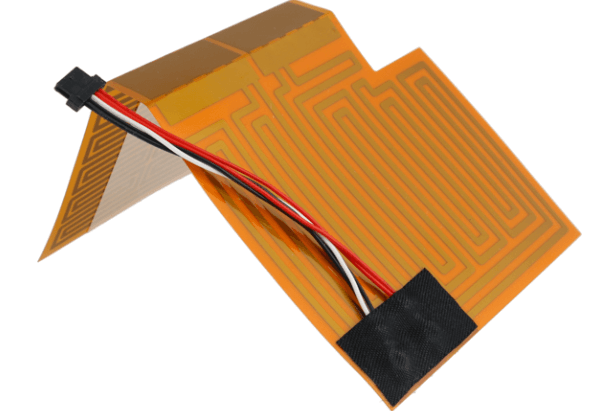
Innovations In Flex PCB Temperature Sensor Technology For IoT Applications
The rapid advancement of Internet of Things (IoT) technology has necessitated the development of increasingly sophisticated and versatile components. Among these, flexible printed circuit board (flex PCB) temperature sensors have emerged as a critical innovation, offering unique advantages for a wide range of applications. These sensors, characterized by their flexibility, lightweight nature, and high performance, are revolutionizing the way temperature data is collected and utilized in IoT systems.
One of the primary benefits of flex PCB temperature sensors is their adaptability to various form factors.
Traditional rigid PCBs are often limited by their inability to conform to non-flat surfaces, which can be a significant drawback in applications requiring integration into curved or irregularly shaped objects. Flex PCBs, on the other hand, can be bent, folded, and twisted without compromising their functionality. This flexibility allows for seamless integration into wearable devices, medical implants, and other compact or unconventional spaces, thereby expanding the potential use cases for temperature monitoring in IoT applications.
Moreover, the lightweight nature of flex PCB temperature sensors makes them ideal for applications where weight is a critical factor.
In aerospace and automotive industries, for instance, reducing the weight of components can lead to significant improvements in fuel efficiency and overall performance. Flex PCBs, being lighter than their rigid counterparts, contribute to these advancements by enabling the development of more efficient and effective temperature sensing solutions. Additionally, their thin profile allows for minimal intrusion into the design of the host device, preserving both aesthetics and functionality.
In terms of performance, flex PCB temperature sensors offer high accuracy and reliability, which are essential for effective temperature monitoring in IoT systems.
These sensors are capable of providing precise temperature readings over a wide range of conditions, ensuring that the data collected is both accurate and actionable. This level of performance is particularly important in critical applications such as healthcare, where accurate temperature monitoring can be vital for patient safety and treatment efficacy. Furthermore, the reliability of flex PCB temperature sensors ensures consistent performance over time, reducing the need for frequent maintenance or replacement.
The integration of flex PCB temperature sensors into IoT systems also facilitates enhanced data collection and analysis.
By embedding these sensors into various devices and environments, it becomes possible to gather real-time temperature data from multiple sources simultaneously. This data can then be transmitted to central processing units or cloud-based platforms for analysis, enabling more informed decision-making and predictive maintenance. For example, in smart home systems, flex PCB temperature sensors can monitor the temperature of different rooms and appliances, allowing for optimized energy usage and improved comfort levels.
Additionally, the development of advanced materials and manufacturing techniques has further enhanced the capabilities of flex PCB temperature sensors.
Innovations such as the use of polyimide substrates and advanced adhesive technologies have improved the durability and performance of these sensors, making them more suitable for demanding applications. These advancements have also led to the creation of more compact and efficient designs, enabling the integration of multiple sensors into a single flex PCB, thereby increasing the functionality and versatility of the sensor system.
In conclusion, the innovations in flex PCB temperature sensor technology are playing a pivotal role in the evolution of IoT applications. Their flexibility, lightweight nature, high performance, and enhanced data collection capabilities make them an invaluable component in a wide range of industries. As IoT technology continues to advance, the importance of reliable and versatile temperature sensing solutions will only grow, solidifying the role of flex PCB temperature sensors as a cornerstone of modern IoT systems.