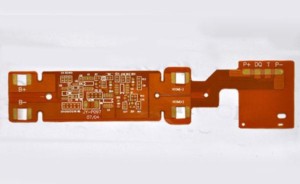
Flex pcb with components
A flexible printed circuit board (flex PCB) with components is a type of circuit board that is made of a flexible material such as polyimide or polyester.
The board can be bent, twisted, or folded to fit into tight spaces or conform to the shape of the device it is installed in.
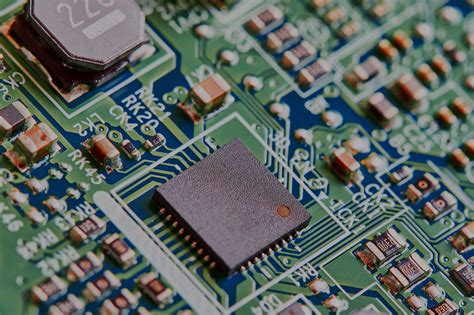
The components on a flex PCB can include resistors, capacitors, diodes, transistors, and integrated circuits (ICs).
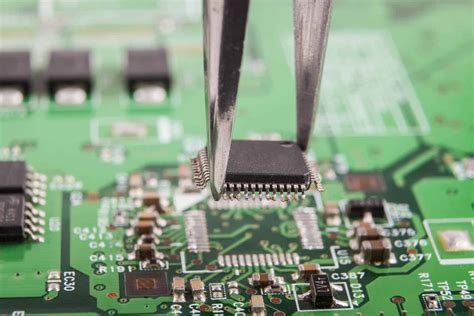
These components are mounted onto the flexible substrate using surface mount technology (SMT) or through-hole technology (THT).
Flex PCBs with components are commonly used in applications where space is limited or where the board needs to be flexible,
such as in wearable devices, medical devices, and automotive electronics.
They are also used in applications where the board needs to withstand vibration or shock, as the flexible material can absorb some of the impact.
Overall, flex PCBs with components offer a versatile and reliable solution for electronic devices that require a flexible circuit board.
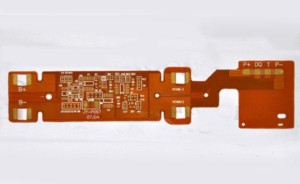
the role of flex pcb with components
Flex PCBs with components play a crucial role in the design and manufacturing of electronic devices.
They are used in a variety of applications, including mobile devices, medical devices, automotive electronics, and aerospace systems.
Flex PCBs are thin, flexible circuit boards that can bend and twist without breaking.
They are made of a flexible substrate material, such as polyimide or polyester, and are designed to fit into tight spaces and conform to complex shapes.
Flex PCBs with components are used to connect electronic components, such as microchips, resistors, capacitors, and sensors.
The components are soldered onto the flexible substrate using surface mount technology (SMT) or through-hole technology (THT).
Flex PCBs with components offer several advantages over traditional rigid PCBs. They are lighter, thinner, and more flexible, making them ideal for applications where space is limited. They also offer better thermal management, as the flexible substrate can dissipate heat more efficiently than rigid PCBs.
In addition, flex PCBs with components can reduce the overall cost of a product by eliminating the need for additional wiring and connectors. They also offer improved reliability, as there are fewer points of failure compared to traditional wiring.
Overall, flex PCBs with components play a critical role in the design and manufacturing of electronic devices, offering a flexible and reliable solution for connecting electronic components in tight spaces and complex shapes.