Flex rigid pcb design
Benefits Of Flex Rigid PCB Design In Modern Electronics
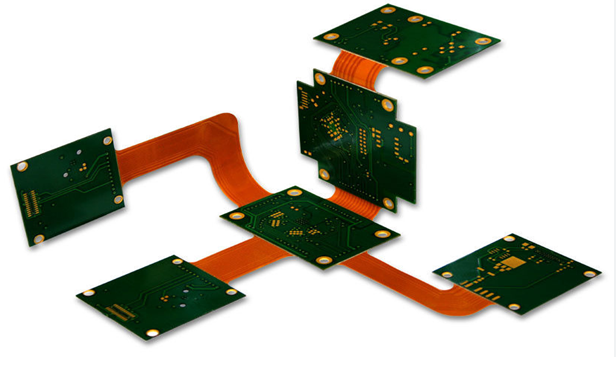
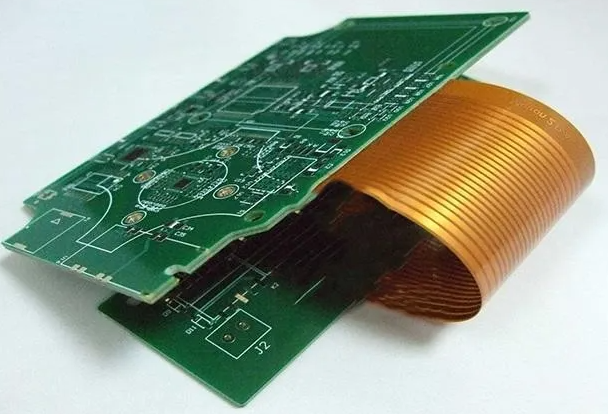
Flex rigid PCB design has emerged as a pivotal innovation in the realm of modern electronics, offering a multitude of benefits that cater to the evolving demands of contemporary technology. This hybrid approach, which combines the advantages of both flexible and rigid circuit boards, has revolutionized the way electronic devices are designed and manufactured.
One of the primary benefits of flex rigid PCB design is its ability to enhance the reliability and durability of electronic devices.
By integrating flexible and rigid sections into a single board, this design minimizes the need for connectors and interconnecting cables, which are often points of failure in traditional designs. Consequently, the overall robustness of the device is significantly improved, making it more resilient to mechanical stresses and environmental factors.
In addition to reliability, flex rigid PCB design offers substantial space-saving advantages.
The flexible sections of the board can be bent, folded, or twisted to fit into compact and irregularly shaped enclosures, which is particularly beneficial for modern electronic devices that are continually shrinking in size. This capability allows for more efficient use of space within the device, enabling designers to incorporate additional features and functionalities without increasing the overall footprint. As a result, products can be made smaller, lighter, and more portable, meeting the growing consumer demand for compact and convenient electronic gadgets.
Moreover, the integration of flexible and rigid sections in a single PCB simplifies the assembly process, leading to reduced manufacturing costs and time.
The elimination of multiple connectors and cables not only streamlines the production process but also reduces the likelihood of assembly errors. This efficiency translates to faster time-to-market for new products, giving companies a competitive edge in the fast-paced electronics industry. Furthermore, the reduced number of components and interconnections also contributes to lower material costs, making flex rigid PCB design a cost-effective solution for manufacturers.
Another significant advantage of flex rigid PCB design is its ability to improve signal integrity and performance.
the seamless integration of flexible and rigid sections allows for shorter and more direct signal paths, which reduces signal loss and electromagnetic interference. This is particularly crucial for high-frequency applications where maintaining signal integrity is paramount. Enhanced performance and reliability in signal transmission ensure that electronic devices operate more efficiently and with greater precision, which is essential for applications in telecommunications, medical devices, and aerospace industries.
Additionally, flex rigid PCB design offers greater design flexibility and creativity.
Engineers and designers can leverage the unique properties of both flexible and rigid materials to create innovative and complex designs that were previously unattainable with traditional PCBs. This opens up new possibilities for product development, enabling the creation of cutting-edge devices that push the boundaries of technology. The ability to design intricate and compact circuits also facilitates the development of wearable technology, IoT devices, and other advanced applications that require sophisticated and miniaturized electronic solutions.
In conclusion, the benefits of flex rigid PCB design in modern electronics are manifold, encompassing enhanced reliability, space efficiency, cost-effectiveness, improved signal integrity, and greater design flexibility. As the demand for smaller, more powerful, and more reliable electronic devices continues to grow, the adoption of flex rigid PCB design is poised to become increasingly prevalent. This innovative approach not only addresses the challenges of contemporary electronics but also paves the way for future advancements, ensuring that the industry remains at the forefront of technological progress.
Key Considerations For Flex Rigid PCB Manufacturing
When embarking on the journey of flex rigid PCB manufacturing, several key considerations must be meticulously evaluated to ensure the successful production of these versatile and complex circuit boards. Flex rigid PCBs, which combine flexible and rigid substrates into a single unit, offer numerous advantages, including space savings, weight reduction, and enhanced reliability. However, their intricate design and manufacturing processes necessitate a thorough understanding of various critical factors.
To begin with, material selection is paramount in flex rigid PCB design.
The choice of materials directly impacts the board’s performance, flexibility, and durability. Typically, polyimide is used for the flexible sections due to its excellent thermal stability and mechanical properties, while FR4 is commonly employed for the rigid sections. It is essential to ensure that the materials chosen are compatible with each other and can withstand the thermal and mechanical stresses encountered during both the manufacturing process and the board’s operational life.
Another crucial consideration is the layer stack-up configuration.
The stack-up design must be carefully planned to balance the mechanical and electrical requirements of the PCB. This involves determining the number of layers, the arrangement of flexible and rigid sections, and the placement of signal, power, and ground layers. Proper stack-up design helps in minimizing signal interference, reducing electromagnetic emissions, and ensuring the structural integrity of the board. Additionally, it is important to consider the bending radius of the flexible sections to prevent damage during flexing and to maintain the board’s reliability.
Transitioning to the aspect of trace routing, it is vital to pay attention to the layout of the conductive traces on the flex rigid PCB.
The routing should be optimized to minimize signal loss and crosstalk while ensuring that the traces can withstand the mechanical stresses of bending and flexing. It is advisable to use curved traces instead of sharp angles to reduce stress concentration points. Furthermore, maintaining consistent trace widths and spacing is essential to ensure uniform impedance and signal integrity.
Thermal management is another key factor in flex rigid PCB manufacturing.
The combination of flexible and rigid sections can create thermal challenges, as different materials have varying thermal expansion coefficients. Effective thermal management strategies, such as the use of thermal vias, heat sinks, and proper placement of heat-generating components, are necessary to dissipate heat efficiently and prevent thermal damage to the board. Additionally, conducting thorough thermal simulations during the design phase can help identify potential hotspots and optimize the thermal performance of the PCB.
Moving on to the manufacturing process itself, it is important to collaborate closely with experienced PCB manufacturers who have expertise in flex rigid PCB production.
The manufacturing process involves several specialized steps, including lamination, drilling, plating, and etching, which require precise control and attention to detail. Ensuring that the manufacturer follows industry standards and best practices is crucial to achieving high-quality and reliable flex rigid PCBs.
Lastly, testing and inspection play a vital role in the manufacturing of flex rigid PCBs.
Rigorous testing procedures, such as electrical testing, thermal cycling, and mechanical stress testing, are necessary to verify the board’s performance and reliability. Implementing comprehensive inspection protocols, including visual inspection and automated optical inspection (AOI), helps in identifying defects and ensuring that the final product meets the required specifications.
In conclusion, the successful manufacturing of flex rigid PCBs hinges on a thorough understanding of material selection, layer stack-up configuration, trace routing, thermal management, and the manufacturing process itself. By carefully considering these key factors and collaborating with experienced manufacturers, it is possible to produce high-quality flex rigid PCBs that meet the demanding requirements of modern electronic applications.

Common Applications Of Flex Rigid PCBs In Industry
Flex rigid PCBs, a hybrid of flexible and rigid circuit boards, have become increasingly prevalent in various industries due to their unique combination of flexibility, durability, and space-saving capabilities.
These advanced circuit boards are designed to meet the demands of modern electronic devices, which often require compact, lightweight, and reliable components. One of the most common applications of flex rigid PCBs is in the aerospace industry. Here, the need for lightweight and robust components is paramount.
Flex rigid PCBs are used in avionics systems, where they contribute to reducing the overall weight of the aircraft while ensuring high reliability and performance. Their ability to withstand extreme temperatures and vibrations makes them ideal for use in harsh aerospace environments.
In the medical field, flex rigid PCBs are utilized in a variety of diagnostic and therapeutic devices.
For instance, they are integral to the design of advanced imaging systems such as MRI and CT scanners, where their flexibility allows for intricate and precise connections within the compact spaces of these machines. Additionally, they are used in wearable medical devices, including heart rate monitors and insulin pumps, where their lightweight and flexible nature enhances patient comfort and device functionality.
The automotive industry also benefits significantly from the use of flex rigid PCBs.
Modern vehicles are equipped with numerous electronic systems, from infotainment and navigation systems to advanced driver-assistance systems (ADAS). Flex rigid PCBs are employed in these applications due to their ability to fit into tight spaces and their resistance to the harsh conditions often encountered in automotive environments, such as temperature fluctuations and mechanical stress. Furthermore, their reliability and durability contribute to the overall safety and performance of the vehicle’s electronic systems.
Consumer electronics is another sector where flex rigid PCBs have found widespread application.
Smartphones, tablets, and wearable devices all rely on these advanced circuit boards to achieve their sleek and compact designs. The flexibility of these PCBs allows for innovative product designs, enabling manufacturers to create devices that are not only aesthetically pleasing but also highly functional. For example, in smartphones, flex rigid PCBs are used to connect various components within the limited space of the device, ensuring optimal performance and reliability.
In the realm of industrial automation, flex rigid PCBs are used in a variety of control systems and machinery.
Their ability to withstand high levels of mechanical stress and their reliability in demanding environments make them suitable for use in industrial robots, automated assembly lines, and other complex machinery. These PCBs contribute to the efficiency and precision of industrial processes, ultimately enhancing productivity and reducing downtime.
The telecommunications industry also leverages the advantages of flex rigid PCBs.
They are used in a range of communication devices and infrastructure, including base stations, routers, and satellite communication systems. The combination of flexibility and rigidity allows for efficient signal transmission and reliable performance, which are critical in maintaining robust communication networks.
In conclusion, the versatility and unique properties of flex rigid PCBs have led to their widespread adoption across various industries. From aerospace and medical devices to automotive, consumer electronics, industrial automation, and telecommunications, these advanced circuit boards play a crucial role in the development and functionality of modern electronic systems. Their ability to combine flexibility with durability and reliability makes them an indispensable component in the ever-evolving landscape of technology.
Design Tips For Optimizing Flex Rigid PCB Performance
Designing flex rigid PCBs requires a meticulous approach to ensure optimal performance and reliability. These hybrid circuits, which combine flexible and rigid substrates, offer significant advantages in terms of space-saving and mechanical flexibility. However, to fully leverage these benefits, designers must consider several critical factors throughout the design process.
To begin with, understanding the material properties is paramount.
Flex rigid PCBs typically use polyimide for the flexible sections due to its excellent thermal stability and mechanical properties. The rigid sections often employ FR4 or similar materials. Selecting the appropriate materials based on the application’s thermal, mechanical, and electrical requirements is crucial. For instance, high-temperature applications may necessitate materials with superior thermal resistance to prevent degradation over time.
Transitioning from material selection to layout design, it is essential to maintain a balance between flexibility and rigidity.
The flexible sections should be designed to accommodate bending and movement without causing stress on the copper traces. This can be achieved by incorporating curved traces instead of sharp angles, which helps distribute mechanical stress more evenly. Additionally, using staggered vias rather than stacked vias in the transition zones between flexible and rigid sections can further enhance durability by reducing stress concentration points.
Another critical aspect is the stack-up configuration. Proper stack-up design ensures signal integrity and minimizes electromagnetic interference (EMI).
Designers should carefully plan the layer sequence, considering factors such as impedance control and signal routing. For high-speed applications, maintaining consistent impedance is vital to prevent signal degradation. This can be achieved by using controlled impedance traces and ensuring uniform dielectric thickness across the layers.
Thermal management is another key consideration in flex rigid PCB design.
The combination of flexible and rigid sections can create thermal hotspots, which may affect the overall performance and reliability of the circuit. To mitigate this, designers should incorporate thermal vias and heat sinks strategically. Additionally, using materials with high thermal conductivity in the rigid sections can help dissipate heat more effectively.
Moving on to mechanical considerations, it is important to account for the bending radius of the flexible sections.
Exceeding the recommended bending radius can cause mechanical failure or delamination. Therefore, designers should follow the manufacturer’s guidelines for minimum bending radius and avoid placing components or vias in areas subject to frequent bending. Furthermore, incorporating strain relief features, such as fillets or teardrops at the junctions between flexible and rigid sections, can enhance mechanical robustness.
In terms of manufacturability, collaboration with the PCB manufacturer during the design phase is highly beneficial.
Manufacturers can provide valuable insights into design for manufacturability (DFM) considerations, such as minimum trace widths, spacing, and via sizes. Early engagement with the manufacturer can help identify potential issues and optimize the design for efficient production, thereby reducing costs and lead times.
Lastly, thorough testing and validation are indispensable to ensure the reliability of flex rigid PCBs. This includes electrical testing to verify signal integrity and continuity, as well as mechanical testing to assess the durability of the flexible sections under bending and flexing conditions. Environmental testing, such as thermal cycling and humidity exposure, can also help identify potential failure modes and ensure the PCB can withstand the intended operating conditions.
In conclusion, optimizing flex rigid PCB performance involves a comprehensive approach that encompasses material selection, layout design, stack-up configuration, thermal management, mechanical considerations, manufacturability, and rigorous testing. By meticulously addressing these factors, designers can create robust and reliable flex rigid PCBs that meet the demanding requirements of modern electronic applications.