Flex rigid pcb manufacturer
Benefits Of Choosing A Flex Rigid PCB Manufacturer
Choosing a flex rigid PCB manufacturer offers numerous benefits that can significantly enhance the performance, reliability, and overall quality of electronic devices.
Flex rigid PCBs, which combine the advantages of both flexible and rigid circuit boards, are increasingly becoming the preferred choice for a wide range of applications, from consumer electronics to aerospace and medical devices. By opting for a specialized manufacturer, companies can leverage several key advantages that contribute to the success of their products.
One of the primary benefits of selecting a flex rigid PCB manufacturer is the superior design flexibility they offer.
These manufacturers possess the expertise to create complex, multi-layered boards that can be tailored to meet specific design requirements. This flexibility allows for the integration of various components and functionalities within a single board, reducing the need for multiple interconnections and thereby minimizing potential points of failure. Consequently, this leads to enhanced reliability and durability of the final product.
In addition to design flexibility, a specialized manufacturer brings a wealth of experience and technical knowledge to the table.
They are well-versed in the latest industry standards and best practices, ensuring that the PCBs they produce meet stringent quality and performance criteria. This expertise is particularly crucial in applications where precision and reliability are paramount, such as in medical devices or aerospace systems. By working with a reputable manufacturer, companies can be confident that their products will perform optimally under demanding conditions.
Another significant advantage of choosing a flex rigid PCB manufacturer is the potential for cost savings.
While the initial investment in flex rigid PCBs may be higher compared to traditional rigid or flexible boards, the long-term benefits often outweigh the costs. The integration of multiple functionalities into a single board can lead to a reduction in the overall size and weight of the device, which is particularly beneficial in applications where space and weight are critical factors. Moreover, the enhanced reliability and durability of flex rigid PCBs can result in lower maintenance and replacement costs over the product’s lifecycle.
Furthermore, specialized manufacturers often have access to advanced manufacturing technologies and equipment, enabling them to produce high-quality PCBs with greater precision and consistency.
This access to cutting-edge technology ensures that the final product meets the highest standards of performance and reliability. Additionally, these manufacturers typically have robust quality control processes in place, further ensuring that each PCB undergoes rigorous testing and inspection before it reaches the customer.
The ability to provide customized solutions is another compelling reason to choose a flex rigid PCB manufacturer.
These manufacturers can work closely with clients to understand their specific needs and develop tailored solutions that address unique challenges. This collaborative approach not only results in a more efficient and effective design but also fosters innovation and continuous improvement. By partnering with a specialized manufacturer, companies can stay ahead of the competition and bring innovative products to market more quickly.
In conclusion, the benefits of choosing a flex rigid PCB manufacturer are manifold. From superior design flexibility and technical expertise to cost savings and access to advanced manufacturing technologies, these manufacturers offer a range of advantages that can significantly enhance the performance and reliability of electronic devices. By leveraging the capabilities of a specialized manufacturer, companies can ensure that their products meet the highest standards of quality and performance, ultimately leading to greater customer satisfaction and business success.
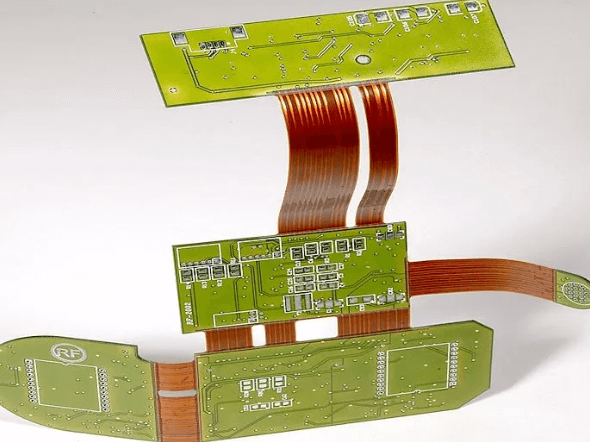
Key Considerations When Selecting A Flex Rigid PCB Manufacturer
When selecting a flex rigid PCB manufacturer, several key considerations must be taken into account to ensure the final product meets the desired specifications and quality standards. One of the primary factors to consider is the manufacturer’s experience and expertise in producing flex rigid PCBs. A manufacturer with a proven track record in this specialized field is more likely to deliver high-quality products that meet stringent industry requirements. Additionally, experienced manufacturers are better equipped to handle complex designs and provide valuable insights during the design and production phases.
Another crucial consideration is the manufacturer’s technological capabilities.
The production of flex rigid PCBs requires advanced equipment and technology to ensure precision and reliability. It is essential to verify that the manufacturer possesses state-of-the-art machinery and employs cutting-edge techniques in their manufacturing processes. This not only guarantees the quality of the PCBs but also ensures that the manufacturer can handle large-scale production runs efficiently.
Quality control is another vital aspect to evaluate when choosing a flex rigid PCB manufacturer.
A robust quality control system ensures that each PCB produced meets the highest standards of performance and reliability. Manufacturers should adhere to industry standards such as ISO 9001 and IPC-6013, which provide guidelines for quality management and performance specifications for flex rigid PCBs. Additionally, it is beneficial to inquire about the manufacturer’s testing procedures, including electrical testing, thermal cycling, and environmental stress testing, to ensure the PCBs can withstand the intended operating conditions.
Furthermore, the manufacturer’s ability to provide comprehensive design support is an important consideration.
Flex rigid PCBs often involve intricate designs that require careful planning and optimization. A manufacturer that offers design assistance can help identify potential issues early in the development process, reducing the risk of costly revisions and delays. This support can include design for manufacturability (DFM) reviews, material selection guidance, and layout optimization to enhance the overall performance and reliability of the PCB.
Cost is another factor that cannot be overlooked when selecting a flex rigid PCB manufacturer.
While it is important to find a manufacturer that offers competitive pricing, it is equally important to ensure that cost savings do not come at the expense of quality. It is advisable to obtain detailed quotes from multiple manufacturers and compare them based on the overall value they provide, including factors such as quality, lead times, and additional services offered.
Lead time is a critical consideration, especially for projects with tight deadlines.
The ability of the manufacturer to deliver PCBs within the required timeframe can significantly impact the overall project timeline. It is essential to discuss lead times with potential manufacturers and ensure they have the capacity and resources to meet your delivery requirements. Additionally, it is beneficial to inquire about their flexibility in accommodating urgent orders or changes in production schedules.
Lastly, customer service and communication play a pivotal role in the selection process.
A manufacturer that prioritizes clear and open communication can provide timely updates on the production status, address any concerns promptly, and offer solutions to potential issues. Building a strong working relationship with the manufacturer can lead to a smoother production process and a higher likelihood of achieving the desired outcomes.
In conclusion, selecting the right flex rigid PCB manufacturer involves a thorough evaluation of their experience, technological capabilities, quality control measures, design support, cost, lead times, and customer service. By carefully considering these factors, you can ensure that the chosen manufacturer will deliver high-quality flex rigid PCBs that meet your specific requirements and contribute to the success of your project.
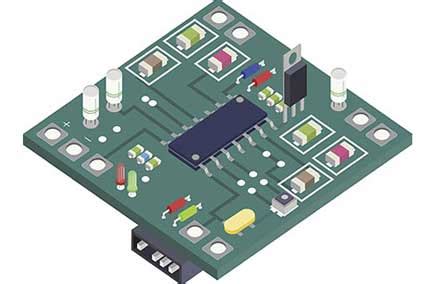
Innovations In Flex Rigid PCB Manufacturing Technology
Flex rigid PCB manufacturing has undergone significant advancements in recent years, driven by the increasing demand for more compact, reliable, and versatile electronic devices. These innovations have not only enhanced the performance and functionality of flex rigid PCBs but have also streamlined the manufacturing process, making it more efficient and cost-effective.
One of the most notable advancements in this field is the development of advanced materials that offer superior flexibility and durability.
These materials, such as polyimide and liquid crystal polymer, provide excellent thermal stability and mechanical strength, which are crucial for the performance of flex rigid PCBs in demanding applications. Additionally, the use of these materials has enabled manufacturers to produce thinner and lighter PCBs, which are essential for the miniaturization of electronic devices.
Another significant innovation in flex rigid PCB manufacturing is the adoption of advanced fabrication techniques.
Laser direct imaging (LDI) and laser drilling have revolutionized the way PCBs are produced, allowing for greater precision and accuracy in the creation of intricate circuit patterns and vias. These techniques have also reduced the need for traditional photolithography processes, which are time-consuming and prone to errors. Consequently, the adoption of LDI and laser drilling has led to higher yields and lower production costs, making flex rigid PCBs more accessible to a broader range of industries.
Moreover, the integration of automated inspection and testing systems has greatly improved the quality control process in flex rigid PCB manufacturing.
Automated optical inspection (AOI) and automated X-ray inspection (AXI) systems can quickly and accurately detect defects and inconsistencies in PCBs, ensuring that only high-quality products reach the market. This has not only enhanced the reliability of flex rigid PCBs but has also reduced the time and cost associated with manual inspection and rework.
In addition to these technological advancements, the increasing adoption of Industry 4.0 principles has further transformed the flex rigid PCB manufacturing landscape.
The implementation of smart manufacturing technologies, such as the Internet of Things (IoT), artificial intelligence (AI), and big data analytics, has enabled manufacturers to optimize their production processes and improve overall efficiency. For instance, IoT-enabled sensors can monitor various parameters, such as temperature, humidity, and pressure, in real-time, allowing for better control and management of the manufacturing environment. AI algorithms can analyze large volumes of data to identify patterns and trends, enabling manufacturers to make data-driven decisions and predict potential issues before they arise.
Furthermore, the growing emphasis on sustainability and environmental responsibility has led to the development of eco-friendly manufacturing practices in the flex rigid PCB industry.
Manufacturers are increasingly adopting green technologies, such as water-based cleaning processes and lead-free soldering, to minimize their environmental impact. Additionally, the use of recyclable materials and the implementation of waste reduction initiatives have further contributed to the sustainability of flex rigid PCB manufacturing.
In conclusion, the innovations in flex rigid PCB manufacturing technology have significantly enhanced the performance, reliability, and efficiency of these essential components. The development of advanced materials, the adoption of cutting-edge fabrication techniques, the integration of automated inspection systems, and the implementation of smart manufacturing technologies have all played a crucial role in driving the industry forward. As the demand for more compact and versatile electronic devices continues to grow, it is expected that further advancements in flex rigid PCB manufacturing will continue to emerge, paving the way for even more sophisticated and high-performing electronic solutions.
Quality Assurance Practices In Flex Rigid PCB Manufacturing
In the realm of electronics manufacturing, the production of flex rigid printed circuit boards (PCBs) demands a meticulous approach to quality assurance. These hybrid circuits, which combine flexible and rigid substrates, are integral to a wide array of applications, from consumer electronics to aerospace technology. Ensuring the reliability and performance of these complex components necessitates a comprehensive quality assurance framework that encompasses every stage of the manufacturing process.
To begin with, the selection of materials is a critical step in the quality assurance of flex rigid PCBs.
Manufacturers must choose high-quality substrates and conductive materials that can withstand the mechanical stresses and environmental conditions to which the final product will be exposed. This involves rigorous testing of raw materials for properties such as tensile strength, thermal stability, and electrical conductivity. By establishing stringent criteria for material selection, manufacturers can mitigate the risk of defects and ensure the longevity of the PCBs.
Moving forward, the design phase is another pivotal aspect where quality assurance practices are deeply embedded.
Advanced design software is employed to create detailed schematics and layouts, which are then subjected to thorough design rule checks (DRC) and electrical rule checks (ERC). These automated checks help identify potential issues such as signal integrity problems, impedance mismatches, and spacing violations. Additionally, design for manufacturability (DFM) guidelines are followed to ensure that the PCB design can be efficiently and accurately produced using existing manufacturing capabilities.
As the manufacturing process commences, the focus shifts to precision and control.
Photolithography, etching, and lamination are some of the key processes involved in creating the intricate patterns on the PCB. Each of these steps is monitored using advanced inspection techniques such as automated optical inspection (AOI) and X-ray inspection. AOI systems use high-resolution cameras to detect surface defects, while X-ray inspection can reveal hidden issues such as voids in solder joints or misaligned layers. By employing these non-destructive testing methods, manufacturers can identify and rectify defects early in the production cycle, thereby reducing waste and improving yield.
Furthermore, the assembly of flex rigid PCBs involves the integration of both flexible and rigid sections, which requires precise alignment and bonding techniques.
Quality assurance practices at this stage include the use of automated pick-and-place machines for component placement, as well as reflow soldering and wave soldering processes that are carefully controlled to prevent thermal damage. Post-assembly, the PCBs undergo functional testing to verify that they meet the specified electrical performance criteria. This includes tests for continuity, insulation resistance, and signal integrity, among others.
In addition to these technical measures, a robust quality management system (QMS) is essential for maintaining high standards in flex rigid PCB manufacturing.
Adherence to international standards such as ISO 9001 and IPC-6013 ensures that manufacturers follow best practices in quality control and continuous improvement. Regular audits, both internal and external, help verify compliance with these standards and identify areas for enhancement.
Moreover, traceability is a key component of quality assurance in this field. By maintaining detailed records of materials, processes, and inspections, manufacturers can trace any issues back to their source and implement corrective actions. This not only helps in resolving current problems but also in preventing future occurrences.
In conclusion, the quality assurance practices in flex rigid PCB manufacturing are multifaceted and encompass material selection, design validation, process control, assembly precision, and comprehensive testing. By integrating these practices into a cohesive framework, manufacturers can ensure the production of reliable, high-performance PCBs that meet the stringent demands of modern electronic applications.