Flexible pcb assembly process
Advantages Of Using Flexible Aluminum PCBs In Modern Electronics
Flexible aluminum PCBs, or printed circuit boards, have emerged as a pivotal innovation in the realm of modern electronics, offering a multitude of advantages that cater to the evolving demands of contemporary technology. As electronic devices become increasingly compact and complex, the need for adaptable and efficient circuit solutions has never been more critical. Flexible aluminum PCBs provide a unique combination of flexibility, thermal management, and durability, making them an ideal choice for a wide range of applications.
One of the primary advantages of flexible aluminum PCBs is their exceptional thermal conductivity.
Aluminum, known for its excellent heat dissipation properties, serves as an effective substrate for managing the thermal challenges posed by high-performance electronic components. This capability is particularly beneficial in applications where heat generation is significant, such as in LED lighting, power electronics, and automotive systems. By efficiently dissipating heat, flexible aluminum PCBs help maintain optimal operating temperatures, thereby enhancing the reliability and longevity of electronic devices.
In addition to superior thermal management, flexible aluminum PCBs offer remarkable mechanical flexibility.
This flexibility allows for innovative design possibilities, enabling the creation of electronic devices that can bend, twist, and conform to various shapes and spaces. Such adaptability is crucial in industries like wearable technology, where devices must seamlessly integrate with the human body, and in aerospace applications, where space constraints and weight considerations are paramount. The ability to design circuits that can fit into unconventional spaces without compromising performance is a significant advantage that flexible aluminum PCBs provide.
Moreover, the durability of flexible aluminum PCBs is another noteworthy benefit.
The robust nature of aluminum, combined with the flexibility of the PCB design, results in a product that can withstand mechanical stress and environmental factors better than traditional rigid PCBs. This durability is essential in applications exposed to harsh conditions, such as industrial machinery and outdoor electronic systems. The resilience of flexible aluminum PCBs ensures that they can endure vibrations, shocks, and temperature fluctuations, thereby reducing the risk of failure and the need for frequent maintenance.
Furthermore, the integration of flexible aluminum PCBs into modern electronics can lead to cost savings in both manufacturing and operation.
The efficient thermal management reduces the need for additional cooling components, which can lower production costs and simplify assembly processes. Additionally, the enhanced reliability and durability of these PCBs can result in fewer repairs and replacements over the device’s lifespan, translating to long-term cost efficiency for manufacturers and consumers alike.
In conclusion, the advantages of using flexible aluminum PCBs in modern electronics are manifold, encompassing superior thermal management, mechanical flexibility, durability, and cost efficiency.
As the demand for more compact, reliable, and versatile electronic devices continues to grow, the role of flexible aluminum PCBs is set to become increasingly significant. By addressing the challenges posed by modern electronic applications, these innovative circuit boards not only enhance device performance but also pave the way for new possibilities in design and functionality. As technology continues to advance, the integration of flexible aluminum PCBs will undoubtedly play a crucial role in shaping the future of electronics, offering solutions that meet the ever-evolving needs of both manufacturers and consumers.
Design Considerations For Flexible Aluminum PCBs
When designing flexible aluminum PCBs, several critical considerations must be taken into account to ensure optimal performance and reliability. These unique circuit boards combine the flexibility of traditional flexible PCBs with the thermal management capabilities of aluminum substrates, making them ideal for applications requiring both adaptability and efficient heat dissipation. As such, understanding the nuances of their design is essential for engineers and designers aiming to leverage their full potential.
To begin with, material selection plays a pivotal role in the design of flexible aluminum PCBs.
The choice of materials impacts not only the board’s flexibility but also its thermal and electrical performance. Typically, these PCBs consist of a flexible polyimide layer laminated onto an aluminum substrate. The polyimide provides the necessary flexibility, while the aluminum offers excellent thermal conductivity. Designers must carefully select the thickness and type of polyimide to balance flexibility with mechanical strength, ensuring the board can withstand bending and flexing without damage.
Moreover, the layout of the circuit is another crucial aspect to consider.
The design must accommodate the unique properties of flexible aluminum PCBs, such as their ability to bend and conform to different shapes. This requires careful planning of trace routing and component placement to prevent stress concentrations that could lead to mechanical failure. Additionally, designers should consider the minimum bend radius, which is the smallest radius the board can be bent without causing damage. This parameter is influenced by the thickness of the materials used and the overall design of the PCB.
Thermal management is another key consideration in the design of flexible aluminum PCBs.
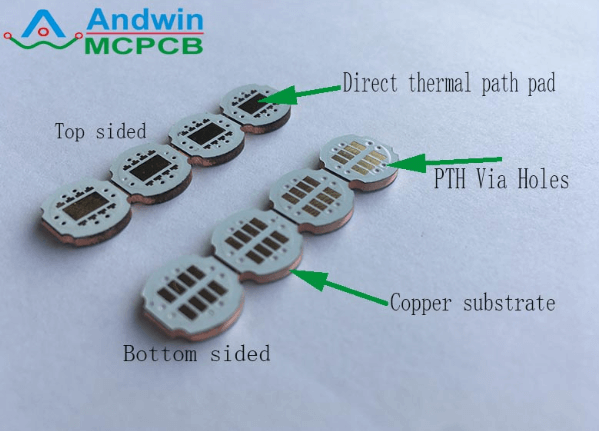
The aluminum substrate provides excellent heat dissipation, which is particularly beneficial in applications with high power densities or where heat buildup could compromise performance. However, designers must ensure that the thermal paths are optimized to effectively transfer heat away from critical components. This may involve strategic placement of thermal vias and careful consideration of the thermal interface materials used in the assembly process.
Furthermore, the choice of adhesive materials is critical in maintaining the integrity of the flexible aluminum PCB.
The adhesive must provide a strong bond between the polyimide and aluminum layers while allowing for the necessary flexibility. It should also be able to withstand the thermal cycling and environmental conditions the PCB will be exposed to during its operational life. Selecting the right adhesive can significantly impact the durability and performance of the final product.
In addition to these technical considerations, manufacturability is an important factor in the design process.
Flexible aluminum PCBs require specialized manufacturing techniques, and designers must work closely with manufacturers to ensure that their designs can be produced efficiently and cost-effectively. This collaboration can help identify potential issues early in the design process, reducing the risk of costly redesigns or production delays.
In conclusion, designing flexible aluminum PCBs involves a careful balance of material selection, circuit layout, thermal management, adhesive choice, and manufacturability. By considering these factors, designers can create PCBs that not only meet the specific requirements of their applications but also offer enhanced performance and reliability. As technology continues to advance, the demand for flexible aluminum PCBs is likely to grow, making it increasingly important for designers to stay informed about the latest developments and best practices in this field.
Manufacturing Process Of Flexible Aluminum PCBs
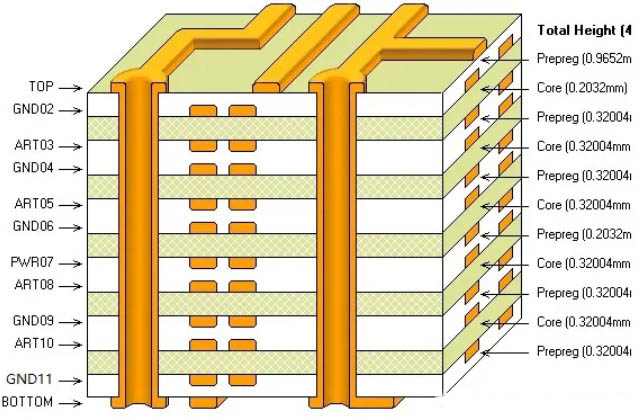
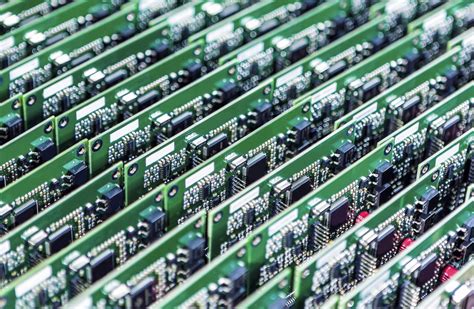
The manufacturing process of flexible aluminum PCBs is a sophisticated and intricate procedure that combines the benefits of flexibility with the thermal management capabilities of aluminum. This process begins with the selection of high-quality materials, which is crucial for ensuring the performance and reliability of the final product. The base material typically consists of a thin layer of aluminum, which serves as the substrate, providing excellent heat dissipation properties. This aluminum layer is then coated with a dielectric layer, which acts as an insulator, preventing electrical shorts and ensuring the integrity of the circuit.
Following the preparation of the substrate, the next step involves the application of a copper layer.
This is achieved through a process known as lamination, where a thin sheet of copper is bonded to the dielectric layer. The copper layer is essential for forming the conductive pathways that will carry electrical signals across the PCB. Once the copper is in place, the board undergoes a photolithography process. During this stage, a photosensitive resist is applied to the copper surface, and a photomask is used to expose specific areas to ultraviolet light. This exposure hardens the resist in the desired pattern, which corresponds to the circuit design.
Subsequently, the board is subjected to an etching process, where a chemical solution removes the unprotected copper, leaving behind the intricate network of conductive traces.
This step is critical, as it defines the electrical pathways that will enable the PCB to function as intended. After etching, the remaining photoresist is stripped away, revealing the completed circuit pattern. At this point, the board undergoes a thorough inspection to ensure that the traces are correctly formed and free of defects.
The next phase in the manufacturing process involves the application of a solder mask.
This protective layer is applied over the copper traces, leaving only the areas where components will be soldered exposed. The solder mask serves to prevent accidental short circuits and provides a degree of protection against environmental factors such as moisture and dust. Once the solder mask is applied, the board is ready for the addition of surface finishes, which may include options such as HASL (Hot Air Solder Leveling), ENIG (Electroless Nickel Immersion Gold), or OSP (Organic Solderability Preservatives). These finishes enhance the solderability of the board and protect the exposed copper from oxidation.
Following the application of surface finishes, the board is prepared for component assembly.
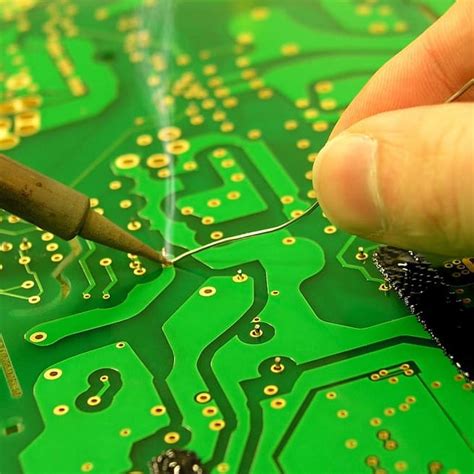
This involves the precise placement and soldering of electronic components onto the PCB. The flexibility of the aluminum substrate allows for innovative design possibilities, enabling the board to be bent or shaped to fit specific applications. This characteristic is particularly advantageous in industries such as automotive, aerospace, and consumer electronics, where space constraints and thermal management are critical considerations.
Finally, the completed flexible aluminum PCB undergoes rigorous testing to ensure its functionality and reliability.
This testing phase may include electrical tests to verify circuit continuity and performance, as well as environmental tests to assess the board’s durability under various conditions. Once the board passes these tests, it is ready for integration into electronic devices, where it will play a vital role in enabling advanced technological solutions. Through this meticulous manufacturing process, flexible aluminum PCBs offer a unique combination of flexibility, thermal efficiency, and reliability, making them an invaluable component in modern electronics.
Applications Of Flexible Aluminum PCBs In Various Industries
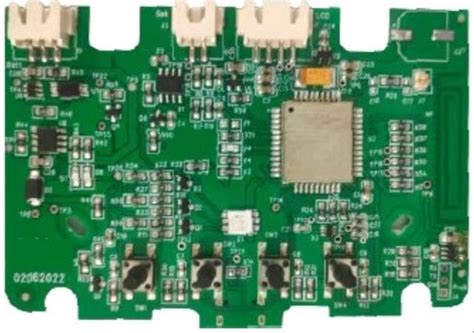
Flexible aluminum PCBs, or printed circuit boards, have emerged as a transformative technology across various industries, offering a unique combination of flexibility, thermal management, and durability. These PCBs are constructed using a flexible substrate material, typically polyimide, combined with a thin layer of aluminum. This composition allows them to bend and conform to different shapes, making them ideal for applications where space constraints and complex geometries are prevalent. As industries continue to evolve and demand more sophisticated electronic solutions, the applications of flexible aluminum PCBs have expanded significantly.
In the automotive industry, flexible aluminum PCBs are increasingly utilized due to their ability to withstand harsh environmental conditions and their excellent thermal management properties.
Modern vehicles are equipped with numerous electronic components, from advanced driver-assistance systems (ADAS) to infotainment systems, all of which require reliable and efficient circuit boards. The flexibility of these PCBs allows them to be integrated into tight spaces within the vehicle’s architecture, while their aluminum layer effectively dissipates heat, ensuring optimal performance and longevity of the electronic components.
Similarly, the aerospace industry benefits from the unique properties of flexible aluminum PCBs.
Aircraft and spacecraft systems demand lightweight and reliable electronic solutions that can endure extreme temperatures and vibrations. Flexible aluminum PCBs meet these requirements by providing a robust yet lightweight option that can be tailored to fit the intricate designs of aerospace applications. Their ability to manage heat efficiently is particularly crucial in this industry, where overheating can lead to catastrophic failures.
In the realm of consumer electronics, the demand for compact and portable devices has driven the adoption of flexible aluminum PCBs.
Smartphones, tablets, and wearable technology all require circuit boards that can fit into increasingly smaller and more complex designs. The flexibility of these PCBs allows manufacturers to create innovative form factors without compromising on performance. Moreover, the aluminum layer aids in heat dissipation, which is essential for maintaining the functionality and safety of these devices during prolonged use.
The medical industry also leverages the advantages of flexible aluminum PCBs, particularly in the development of medical devices that require precision and reliability.
Devices such as portable diagnostic equipment, implantable devices, and wearable health monitors benefit from the flexibility and durability of these PCBs. The ability to conform to the human body’s contours makes them ideal for applications where traditional rigid PCBs would be unsuitable. Additionally, the thermal management capabilities of flexible aluminum PCBs ensure that sensitive medical electronics operate within safe temperature ranges, thereby enhancing patient safety.
Furthermore, the industrial sector has found applications for flexible aluminum PCBs in automation and control systems.
These PCBs are used in machinery and equipment that require robust and adaptable electronic solutions. Their flexibility allows for easy integration into complex mechanical systems, while their thermal properties help maintain system stability and efficiency. As industries continue to automate and innovate, the demand for flexible aluminum PCBs is expected to grow, driven by the need for reliable and adaptable electronic components.
In conclusion, flexible aluminum PCBs have become an integral part of various industries, offering a versatile solution that combines flexibility, thermal management, and durability. From automotive and aerospace to consumer electronics, medical devices, and industrial applications, these PCBs provide the necessary attributes to meet the evolving demands of modern technology. As advancements in materials and manufacturing processes continue, the potential applications for flexible aluminum PCBs are likely to expand even further, solidifying their role as a cornerstone of electronic innovation.