Flexible Aluminum PCBs: Thermal Efficiency Meets Bendable Design
Key Takeaways
When exploring flexible aluminum PCBs, you’ll discover their unique ability to merge thermal efficiency with bendable design. Unlike traditional rigid boards, these hybrids integrate a rigid aluminum core into flexible circuits, enabling heat dissipation while maintaining structural adaptability. This duality makes them ideal for applications where space constraints demand compact layouts—think wearables, automotive systems, or advanced medical devices.
For PCB manufacturing companies, balancing PCB manufacturing cost with performance is critical. Aluminum’s thermal conductivity reduces the need for additional cooling components, lowering assembly complexity. However, the specialized materials and layered construction in flexible aluminum PCBs can initially raise production expenses. Optimizing designs for hybrid rigid-flex layouts helps mitigate these costs, especially in high-volume runs.
If you’re managing a PCB manufacturing business, understanding thermal dynamics is key. The aluminum core acts as a built-in heat sink, diverting energy from sensitive components—a game-changer for LED lighting or power electronics. Pairing this with flexible substrates ensures reliability in dynamic environments, where repeated bending could strain conventional materials.
By prioritizing collaboration with experienced PCB manufacturing partners, you can refine material selection and fabrication techniques to align with both thermal and mechanical requirements. This strategic approach ensures your designs stay ahead in industries demanding compact, heat-resistant solutions.
Flexible Aluminum PCBs: Core Advantages Explained
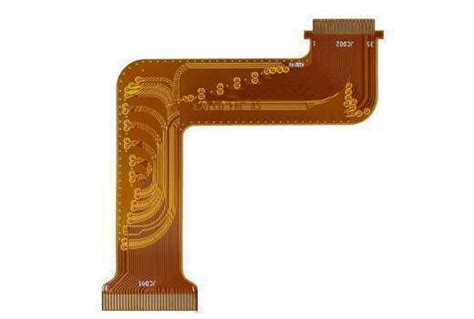
When designing modern electronics, you need materials that balance durability with performance. Flexible aluminum PCBs achieve this by merging thermal conductivity of aluminum cores with bendable circuitry, offering advantages traditional rigid boards can’t match. Unlike standard PCB manufacturing processes, which prioritize rigid substrates, these hybrid designs integrate a flexible dielectric layer between the aluminum base and copper traces. This allows the board to bend without compromising its ability to dissipate heat—critical for applications like LED lighting or automotive systems where space and temperature control are paramount.
One key advantage lies in thermal management. The aluminum core acts as a heat sink, redirecting energy away from sensitive components. For PCB manufacturing companies, this reduces reliance on external cooling solutions, cutting PCB manufacturing cost while improving reliability. Additionally, the hybrid rigid-flex construction enables compact layouts, ideal for wearables or medical devices where every millimeter counts.
Tip: When sourcing flexible aluminum PCBs, verify that your supplier uses high-quality adhesives to prevent delamination during repeated bending.
The PCB manufacturing business is evolving to meet demands for lighter, more efficient designs. By adopting flexible aluminum boards, you gain access to durable solutions that outperform traditional FR-4 or ceramic substrates in high-stress environments. Whether optimizing heat distribution or enabling innovative form factors, these PCBs redefine what’s possible in electronics design—without sacrificing performance for flexibility.
Hybrid Rigid-Flex Construction Techniques
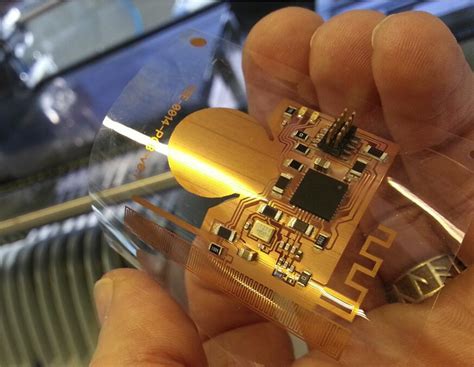
When designing modern electronics, you need solutions that balance structural integrity with dynamic form factors. Hybrid rigid-flex construction techniques achieve this by merging rigid aluminum cores with flexible circuit layers, enabling devices to withstand repeated bending while maintaining thermal stability. PCB manufacturing companies leverage specialized processes like controlled-depth milling and laser ablation to create precise transitions between rigid and flexible zones, ensuring reliable electrical pathways even under mechanical stress.
One critical advantage lies in optimizing PCB manufacturing cost—these techniques reduce the need for multiple connectors and interposers, simplifying assembly workflows. By integrating aluminum-backed rigid sections directly into flexible substrates, heat from high-power components dissipates efficiently, addressing thermal challenges common in compact designs. For businesses evaluating PCB manufacturing business models, hybrid solutions offer scalability for applications ranging from wearable tech to aerospace systems.
To maximize performance, engineers must collaborate closely with PCB manufacturing experts during layout planning. Factors like bend radius optimization and material compatibility between aluminum and polyimide layers require meticulous attention. This approach not only enhances durability but also opens doors for innovative product architectures where space constraints and thermal demands coexist.
Thermal Management in Bendable PCB Designs
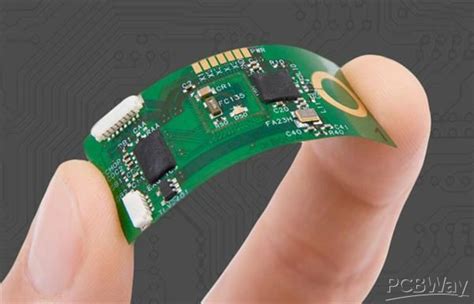
When designing bendable electronics, managing heat becomes critical—especially as devices shrink and power densities rise. Flexible aluminum PCBs address this challenge by integrating thermally conductive aluminum cores with adaptable circuit layers, enabling heat to dissipate efficiently even in tightly folded configurations. Unlike traditional rigid boards, these hybrid designs prevent hotspots by directing thermal energy away from sensitive components through the aluminum substrate, which acts as a built-in heat sink.
For PCB manufacturing companies, balancing thermal performance with mechanical flexibility requires precise material selection. The aluminum core’s thickness and alloy composition directly influence both PCB manufacturing cost and thermal conductivity. Thinner cores enhance bendability but may reduce heat dissipation capacity, while thicker ones improve cooling at the expense of flexibility. Advanced PCB manufacturing techniques, like laser-drilled micro-vias and adhesive-free lamination, help maintain structural integrity without compromising thermal pathways.
In high-power applications like automotive lighting or wearable tech, this balance ensures reliability. By optimizing layer stack-ups and dielectric materials, you can achieve 30% faster heat transfer compared to standard flexible circuits. For businesses evaluating the PCB manufacturing business case, this translates to longer product lifespans and reduced failure rates in compact, heat-intensive environments.
Compact Electronics: Space-Saving Applications
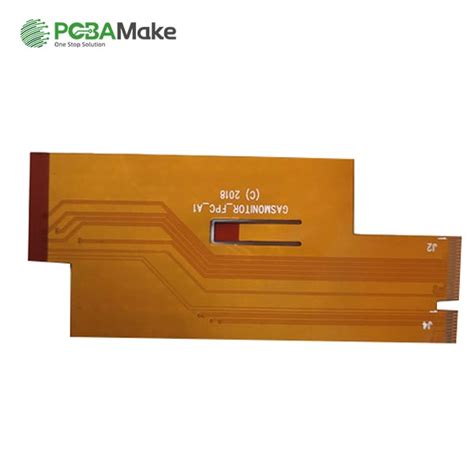
When designing compact electronics, you face a critical challenge: balancing thermal performance with spatial constraints. Flexible aluminum PCBs address this by integrating rigid aluminum cores with bendable circuits, enabling three-dimensional configurations that save up to 40% space compared to traditional rigid boards. This hybrid approach allows PCB manufacturing companies to create thinner, lighter devices without compromising heat dissipation—a key advantage in wearables, medical implants, and IoT sensors.
For example, in smartwatches, these boards wrap around batteries or sensors, reducing the need for bulky heat sinks. This design flexibility lowers PCB manufacturing cost by eliminating redundant components and streamlining assembly processes. The table below highlights spatial advantages in common applications:
| Application | Space Saved | Thermal Improvement |
|---|---|---|
| Wearable Devices | 35-45% | 20°C lower operating temps |
| Medical Implants | 50% | 30% longer lifespan |
| Automotive Sensors | 25% | 15% faster signal processing |
By adopting flexible aluminum PCBs, you optimize thermal pathways while achieving complex geometries unattainable with standard FR-4 boards. This makes them indispensable for PCB manufacturing businesses targeting high-density, high-reliability markets. Their compatibility with automated assembly further reduces production timelines, ensuring scalability for mass-market electronics.
Aluminum vs. Traditional PCB Materials
When selecting materials for your electronics, understanding how aluminum-based PCBs compare to traditional substrates like FR-4 or polyimide is critical. While FR-4 remains a cost-effective choice for standard applications, its thermal conductivity lags behind aluminum, which dissipates heat up to 10 times faster. This makes aluminum ideal for high-power devices where overheating risks compromise performance. However, pcb manufacturing cost for aluminum cores can be higher due to specialized processes like metal-core lamination—a factor pcb manufacturing companies often balance against long-term reliability gains.
Traditional flexible materials, such as polyimide, excel in bendability but struggle with heat management. By integrating aluminum’s rigidity into hybrid designs, you get a substrate that withstands repeated flexing without sacrificing thermal efficiency. For pcb manufacturing business models focused on compact, high-performance electronics, this hybrid approach reduces the need for additional heat sinks, saving space and assembly costs. While FR-4 might suit budget-conscious projects, aluminum’s durability in harsh environments—coupled with its ability to streamline thermal management—makes it a strategic upgrade for applications demanding both flexibility and resilience.
Transitioning between materials requires careful planning, but modern pcb manufacturing techniques now allow seamless integration of aluminum cores into flexible circuits, bridging the gap between rigid and bendable solutions. This evolution ensures your designs stay ahead in industries where heat and space constraints dominate.
Enhancing Heat Dissipation with Flexible Cores
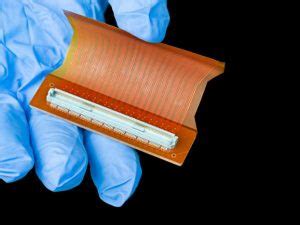
When designing compact electronics, managing heat buildup becomes critical—especially when your device operates in confined spaces. Flexible aluminum PCBs address this challenge by integrating thermally conductive aluminum cores with bendable dielectric layers, creating pathways that efficiently transfer heat away from sensitive components. Unlike traditional rigid boards, these hybrid designs allow you to maintain optimal performance even in curved or irregularly shaped applications.
PCB manufacturing companies leverage specialized processes to bond aluminum substrates with flexible circuits, ensuring minimal thermal resistance while preserving mechanical adaptability. This approach reduces reliance on bulky heat sinks, directly impacting PCB manufacturing cost by simplifying assembly steps. For example, in LED lighting systems, where heat dissipation directly affects lifespan, flexible aluminum cores enable slimmer profiles without sacrificing thermal management.
However, balancing flexibility and thermal efficiency requires precise material selection. High-quality aluminum alloys with ultra-thin insulation layers (as thin as 50µm) ensure heat spreads uniformly while retaining bendability. When partnering with PCB manufacturing providers, verify their expertise in hybrid material stacks to avoid delamination risks. This optimization not only enhances reliability but also supports scalability for PCB manufacturing business models targeting high-density, heat-sensitive applications like wearables or automotive systems.
By prioritizing thermally efficient cores, you unlock designs that withstand higher power densities without compromising on space or durability.
LED Lighting Solutions Using Flexible Aluminum
When designing modern LED lighting systems, you need substrates that handle high thermal loads while fitting into unconventional shapes. Flexible aluminum PCBs deliver precisely that, combining thermal management capabilities with the ability to conform to curved surfaces. Unlike traditional FR-4 boards, these circuits integrate a thin aluminum core within flexible dielectric layers, allowing heat to dissipate efficiently from high-power LED arrays. This design prevents hotspots that typically reduce lumen output and lifespan in compact fixtures.
For PCB manufacturing companies, these hybrid materials enable production of lighting solutions that meet strict energy efficiency standards without compromising on form factor. The bendable nature simplifies installation in architectural lighting, automotive headlamps, and wearable tech—applications where rigid boards would fail. While PCB manufacturing cost for aluminum-based flexible circuits runs 20-30% higher than standard alternatives, the long-term savings from reduced thermal failure rates often justify the investment.
Your choice of substrate directly impacts system reliability in temperature-sensitive environments. Leading PCB manufacturing business operators now offer customized stackups, balancing aluminum thickness and flexibility grades to match specific LED driver requirements. This adaptability ensures optimal performance whether you’re developing streetlights requiring weather resistance or medical devices needing sterilization-compatible materials.
Future Trends in Thermal-Efficient PCB Technology
As electronics shrink and power densities rise, thermal management becomes non-negotiable. Advanced materials like graphene-enhanced substrates and liquid metal alloys are emerging to push heat dissipation limits while maintaining flexibility. Expect PCB manufacturing companies to adopt laser-assisted drilling and additive printing techniques, enabling thinner conductive layers that reduce PCB manufacturing cost without sacrificing performance.
Hybrid designs will dominate, blending rigid aluminum cores with dynamic flex circuits—ideal for wearables and foldable devices. Innovations in embedded cooling channels could integrate microfluidic systems directly into PCB manufacturing workflows, revolutionizing thermal pathways. Machine learning tools will optimize trace layouts for heat distribution, helping PCB manufacturing businesses deliver smarter, self-regulating boards.
Sustainability will drive material choices, with recyclable aluminum substrates gaining traction. Meanwhile, 3D-printed interconnects may replace traditional laminates, cutting production steps and energy use. As demand grows for compact, high-power devices, balancing thermal efficiency with bendable durability will define the next era of PCB manufacturing—ensuring your designs stay ahead in both performance and adaptability.
Conclusion
When considering thermal management and design adaptability in modern electronics, flexible aluminum PCBs offer a compelling solution that bridges rigid performance with dynamic form factors. As you evaluate options for pcb manufacturing, it’s critical to prioritize suppliers that specialize in integrating aluminum cores with flexible circuits—this ensures optimal heat dissipation without compromising bendability. Leading pcb manufacturing companies now leverage advanced techniques to reduce pcb manufacturing cost while maintaining precision in layered designs, making these boards viable for both high-performance and budget-sensitive projects.
For businesses navigating the competitive pcb manufacturing business, adopting flexible aluminum substrates can unlock opportunities in compact devices like wearables or automotive systems, where space constraints demand innovative material combinations. By aligning your design goals with manufacturers experienced in hybrid rigid-flex workflows, you’ll achieve not only thermal efficiency but also long-term reliability. Whether optimizing for LED lighting arrays or next-gen IoT devices, the strategic use of these boards positions your projects at the forefront of thermal-efficient innovation. Partnering with the right experts ensures your designs meet evolving industry standards while balancing performance and scalability.
FAQs
How do flexible aluminum PCBs improve thermal management compared to traditional designs?
By integrating a rigid aluminum core with flexible circuitry, these PCBs efficiently dissipate heat while maintaining bendability. This hybrid design reduces hotspots, making them ideal for high-power applications like LED lighting or compact electronics.
What factors influence pcb manufacturing cost for flexible aluminum boards?
Material selection, layer count, and complexity of hybrid rigid-flex construction directly impact expenses. Partnering with specialized pcb manufacturing companies ensures cost-effective solutions by balancing performance requirements with production scalability.
Can flexible aluminum PCBs withstand repeated bending in dynamic applications?
Yes, advanced pcb manufacturing techniques use ductile substrates and adhesives to enhance durability. However, design precision—like optimizing bend radius—is critical to avoid mechanical stress on conductive layers.
Why choose aluminum over traditional FR-4 for thermal-sensitive projects?
Aluminum’s superior thermal conductivity (8-10 times higher than FR-4) ensures faster heat transfer. This reduces reliance on external cooling systems, lowering pcb manufacturing business overheads for heat-prone devices.
How do you select a reliable pcb manufacturing partner for flexible aluminum boards?
Prioritize vendors with expertise in hybrid rigid-flex construction and proven certifications (e.g., IPC-6013). Review their portfolio for thermal management projects and request prototypes to validate performance claims.
Ready to Optimize Your Thermal-Efficient Designs?
Explore advanced pcb manufacturing solutions tailored for flexible aluminum PCBs. Click here to consult with experts and streamline your next project’s thermal and mechanical performance.