Flexible Circuit Board Manufacturers: Innovations, Challenges, and Market Trends
Introduction
Flexible circuit boards (FCBs), also known as flex circuits, have revolutionized the electronics industry by enabling lightweight, compact, and highly reliable electronic devices. These circuits are made from flexible polymer materials, such as polyimide, which allow them to bend, twist, and conform to unique shapes. Flexible circuit board manufacturers play a critical role in producing these advanced components, which are widely used in industries such as consumer electronics, automotive, medical devices, aerospace, and more. This article explores the world of flexible circuit board manufacturers, covering their processes, technologies, challenges, and the latest market trends.
1. Overview of Flexible Circuit Boards
1.1 What Are Flexible Circuit Boards?
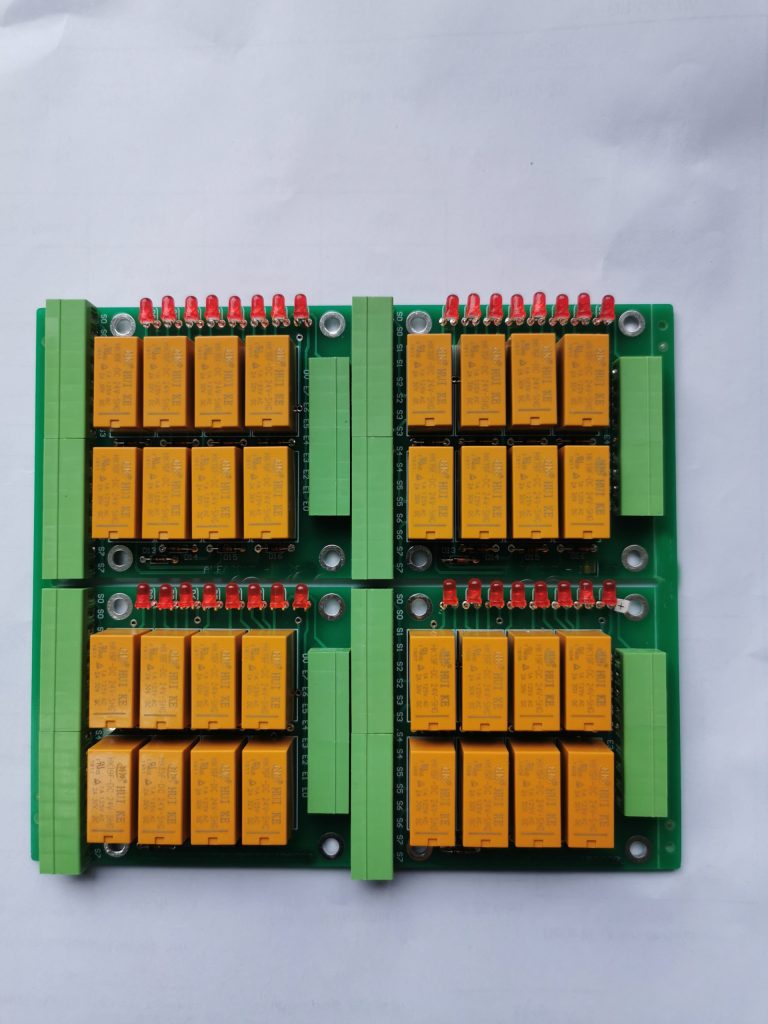
Flexible circuit boards are made from thin, flexible insulating materials with conductive traces etched or printed onto them. They are designed to replace traditional rigid PCBs in applications where flexibility, space savings, and weight reduction are critical. FCBs can be single-sided, double-sided, or multi-layered, depending on the complexity of the design.
1.2 Key Advantages of Flexible Circuit Boards
- Space and Weight Savings: FCBs are thinner and lighter than rigid PCBs, making them ideal for compact devices.
- Durability: Their ability to bend and flex makes them resistant to mechanical stress and vibrations.
- Design Freedom: FCBs can be shaped to fit into unconventional spaces, enabling innovative product designs.
- Improved Signal Integrity: Reduced wiring and shorter signal paths enhance electrical performance.
- Cost Efficiency: FCBs can reduce assembly costs by eliminating the need for connectors and cables.
1.3 Applications of Flexible Circuit Boards
- Consumer Electronics: Smartphones, wearables, and laptops.
- Automotive: Sensors, lighting systems, and infotainment systems.
- Medical Devices: Implants, diagnostic equipment, and wearable health monitors.
- Aerospace and Defense: Avionics, satellites, and military equipment.
- Industrial Electronics: Robotics, sensors, and control systems.
2. The Role of Flexible Circuit Board Manufacturers
Flexible circuit board manufacturers specialize in designing, prototyping, and mass-producing FCBs to meet the specific needs of their clients. Their expertise lies in working with flexible materials, advanced manufacturing techniques, and stringent quality standards.
2.1 Key Responsibilities of FCB Manufacturers
- Design and Engineering: Collaborating with clients to create custom FCB designs.
- Material Selection: Choosing the right substrates, adhesives, and conductive materials.
- Prototyping: Developing and testing prototypes to ensure functionality and reliability.
- Mass Production: Scaling up production while maintaining quality and consistency.
- Quality Assurance: Implementing rigorous testing and inspection processes.
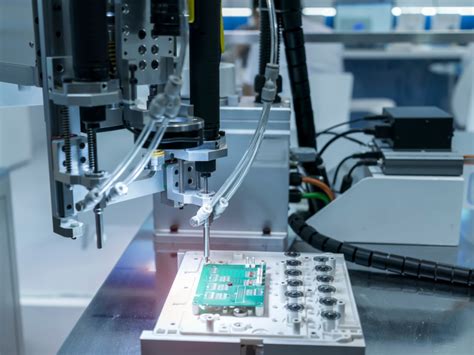
2.2 Manufacturing Processes
The production of flexible circuit boards involves several specialized processes:
2.2.1 Material Preparation
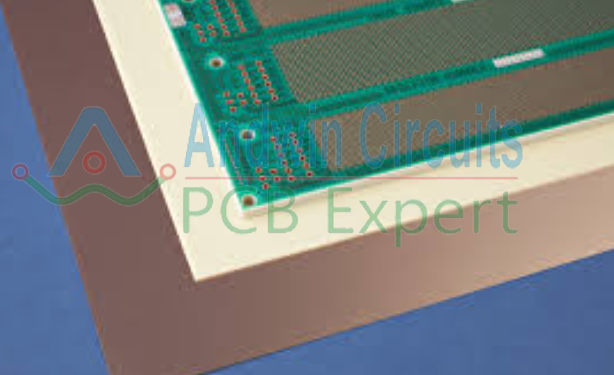
- Substrate Selection: Polyimide is the most common substrate due to its flexibility, thermal stability, and electrical insulation properties.
- Conductive Layer: Copper is typically used for the conductive traces, often laminated onto the substrate.
2.2.2 Circuit Patterning
- Photolithography: A photoresist is applied to the copper layer, exposed to UV light through a mask, and developed to create the circuit pattern.
- Etching: The exposed copper is etched away, leaving behind the desired conductive traces.
2.2.3 Layer Stacking (for Multi-Layer FCBs)
- Multiple layers of flexible material and conductive traces are stacked and bonded using adhesives or heat.
2.2.4 Coverlay Application
- A protective coverlay (often made of polyimide) is applied to insulate and protect the conductive traces.
2.2.5 Cutting and Finishing
- The FCBs are cut to the desired shape, and additional features like stiffeners or connectors are added.
2.2.6 Testing and Inspection
- Electrical testing, visual inspection, and automated optical inspection (AOI) ensure the quality and functionality of the FCBs.
3. Challenges Faced by Flexible Circuit Board Manufacturers
3.1 Material Limitations
Flexible materials, while advantageous, can be more challenging to work with than rigid substrates. Issues such as dimensional stability, thermal expansion, and adhesion must be carefully managed.
3.2 Complex Manufacturing Processes
The production of FCBs requires specialized equipment and expertise, particularly for multi-layer and high-density designs. Precision is critical to avoid defects like delamination or misalignment.
3.3 Cost Considerations
Flexible circuit boards are generally more expensive to produce than rigid PCBs due to the cost of materials and the complexity of the manufacturing process. Manufacturers must balance cost and performance to meet client budgets.
3.4 Quality Control
Ensuring the reliability and durability of FCBs is a major challenge. Manufacturers must implement rigorous testing protocols to detect defects such as cracks, shorts, or weak solder joints.
3.5 Environmental and Regulatory Compliance
FCB manufacturers must comply with environmental regulations, such as the Restriction of Hazardous Substances (RoHS) directive, which restricts the use of hazardous materials like lead and mercury.
4. Innovations in Flexible Circuit Board Manufacturing
4.1 Advanced Materials
Manufacturers are exploring new materials to enhance the performance of FCBs. Examples include:
- Liquid Crystal Polymer (LCP): Offers excellent thermal and electrical properties for high-frequency applications.
- Conductive Inks: Enable printed electronics and flexible sensors.
- Nanomaterials: Improve conductivity and durability.
4.2 Additive Manufacturing
3D printing is emerging as a complementary technology for FCB production. It allows for rapid prototyping and the creation of complex, custom designs.
4.3 Stretchable Electronics
Researchers and manufacturers are developing stretchable circuits that can withstand extreme deformation, opening up new possibilities for wearable devices and soft robotics.
4.4 Embedded Components
Embedding passive components (e.g., resistors, capacitors) directly into the flexible substrate reduces the size and weight of the circuit.
4.5 Automation and Industry 4.0
The integration of automation, IoT, and AI is transforming FCB manufacturing. Smart factories use real-time data to optimize production processes and improve quality control.
5. Market Trends in Flexible Circuit Board Manufacturing
5.1 Growing Demand for Wearable Devices
The rise of wearable technology, such as smartwatches and fitness trackers, is driving demand for flexible circuit boards. These devices require lightweight, durable, and compact circuits.
5.2 Expansion in Automotive Electronics
The automotive industry is increasingly adopting FCBs for applications like advanced driver-assistance systems (ADAS), electric vehicles (EVs), and in-vehicle infotainment systems.
5.3 Medical Electronics
The medical industry is leveraging FCBs for implantable devices, diagnostic equipment, and wearable health monitors. The biocompatibility and flexibility of FCBs make them ideal for these applications.
5.4 Aerospace and Defense
FCBs are widely used in aerospace and defense applications due to their ability to withstand harsh environments and reduce weight.
5.5 Sustainability
Manufacturers are focusing on sustainable practices, such as using recyclable materials and reducing waste, to meet environmental regulations and consumer expectations.
6. Choosing the Right Flexible Circuit Board Manufacturer
When selecting an FCB manufacturer, consider the following factors:
- Experience and Expertise: Look for manufacturers with a proven track record in producing FCBs for your industry.
- Capabilities: Ensure the manufacturer can handle your specific requirements, such as multi-layer designs or high-density interconnects.
- Quality Standards: Check for certifications like ISO 9001 and IPC-6013 (the standard for flexible printed boards).
- Prototyping and Testing: Choose a manufacturer that offers prototyping services and rigorous testing protocols.
- Cost and Lead Time: Compare pricing and production timelines to find a manufacturer that meets your budget and deadlines.
- Customer Support: A responsive and collaborative partner can make the development process smoother.
Conclusion
Flexible circuit board manufacturers are at the forefront of innovation in the electronics industry, enabling the development of lightweight, compact, and highly reliable devices. By leveraging advanced materials, cutting-edge technologies, and sustainable practices, these manufacturers are meeting the growing demand for FCBs across diverse industries. As the market continues to evolve, trends such as wearable devices, automotive electronics, and stretchable circuits are driving new opportunities and challenges. By staying ahead of these trends and addressing the unique challenges of FCB manufacturing, manufacturers can continue to deliver high-quality solutions that power the future of electronics.