Flexible led pcb
Advantages Of Using Flexible LED PCB In Modern Electronics
Flexible LED PCBs, or printed circuit boards, have emerged as a transformative component in modern electronics, offering a multitude of advantages that cater to the evolving demands of technology. As the electronics industry continues to innovate, the need for components that can adapt to various applications has become increasingly important. Flexible LED PCBs provide a solution that not only meets these demands but also enhances the performance and design possibilities of electronic devices.
One of the primary advantages of flexible LED PCBs is their adaptability.
Unlike traditional rigid PCBs, flexible PCBs can be bent, folded, and twisted to fit into unconventional spaces. This flexibility allows for the creation of more compact and lightweight devices, which is particularly beneficial in industries such as consumer electronics, automotive, and medical devices. For instance, in wearable technology, flexible LED PCBs enable the integration of electronic components into clothing and accessories, providing users with innovative and unobtrusive tech solutions.
In addition to their adaptability, flexible LED PCBs offer improved durability.
The materials used in these PCBs, such as polyimide or polyester films, are designed to withstand mechanical stress and environmental factors. This resilience makes them ideal for applications where the electronic components are subject to frequent movement or harsh conditions. For example, in the automotive industry, flexible LED PCBs are used in lighting systems that must endure vibrations and temperature fluctuations, ensuring reliable performance over time.
Moreover, flexible LED PCBs contribute to enhanced thermal management.
The design of these PCBs allows for better heat dissipation, which is crucial in preventing overheating and ensuring the longevity of electronic components. This is particularly important in high-power applications, such as LED lighting systems, where efficient thermal management can significantly impact the overall performance and lifespan of the product. By facilitating effective heat distribution, flexible LED PCBs help maintain optimal operating conditions, thereby reducing the risk of component failure.
Another significant advantage of flexible LED PCBs is their potential for cost savings.
While the initial production costs may be higher compared to rigid PCBs, the long-term benefits often outweigh these expenses. The ability to integrate multiple components into a single flexible PCB reduces the need for additional connectors and wiring, simplifying the assembly process and minimizing potential points of failure. This streamlined design not only lowers manufacturing costs but also enhances the reliability and efficiency of the final product.
Furthermore, flexible LED PCBs support innovative design possibilities.
Their ability to conform to various shapes and surfaces opens up new avenues for creativity in product design. Designers can explore unique form factors and incorporate lighting elements in ways that were previously unattainable with rigid PCBs. This flexibility is particularly advantageous in the development of modern consumer electronics, where aesthetics and functionality are equally important.
In conclusion, the advantages of using flexible LED PCBs in modern electronics are manifold. Their adaptability, durability, thermal management capabilities, cost-effectiveness, and support for innovative designs make them an invaluable component in the advancement of technology. As industries continue to push the boundaries of what is possible, flexible LED PCBs will undoubtedly play a crucial role in shaping the future of electronic devices, offering solutions that meet the demands of both functionality and creativity.
Design Considerations For Flexible LED PCB Applications
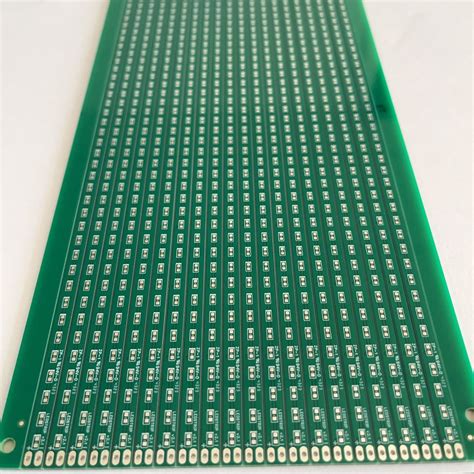
When designing flexible LED PCBs, several critical considerations must be taken into account to ensure optimal performance and reliability. Flexible LED PCBs, known for their adaptability and lightweight nature, are increasingly used in various applications, from wearable technology to automotive lighting.
The unique properties of these PCBs necessitate a thoughtful approach to design, beginning with the selection of appropriate materials.
The substrate material, typically polyimide, must be chosen for its flexibility, thermal stability, and electrical insulation properties. Polyimide is favored due to its ability to withstand high temperatures and its excellent mechanical properties, which are crucial for maintaining the integrity of the circuit under bending and flexing conditions.
In addition to material selection, the layout of the circuit is a fundamental aspect of the design process.
The layout must accommodate the specific requirements of the application, such as the number of LEDs, their arrangement, and the overall size of the PCB. Designers must ensure that the traces are appropriately routed to minimize resistance and potential signal interference. This involves careful planning of trace width and spacing, as well as the strategic placement of vias to facilitate efficient current flow. Moreover, the bending radius of the flexible PCB must be considered to prevent damage to the circuit during operation. A larger bending radius can reduce stress on the circuit, thereby enhancing its durability.
Thermal management is another critical consideration in the design of flexible LED PCBs.
LEDs generate heat during operation, and inadequate heat dissipation can lead to reduced performance and lifespan. To address this, designers often incorporate thermal vias and heat sinks into the PCB design. These components help to dissipate heat away from the LEDs, maintaining a stable operating temperature. Additionally, the use of thermally conductive adhesive layers can further enhance heat dissipation, ensuring that the LEDs function efficiently over extended periods.
Electrical performance is also a key factor in the design of flexible LED PCBs.
The choice of conductive materials, such as copper, plays a significant role in determining the electrical characteristics of the circuit. Copper is commonly used due to its excellent conductivity and flexibility. However, the thickness of the copper layer must be carefully controlled to balance flexibility with electrical performance. Thicker copper layers can improve current-carrying capacity but may reduce the flexibility of the PCB. Therefore, designers must strike a balance between these competing requirements to achieve the desired performance.
Furthermore, the environmental conditions in which the flexible LED PCB will operate must be considered during the design phase.
Factors such as humidity, temperature fluctuations, and exposure to chemicals can impact the performance and longevity of the PCB. Protective coatings, such as conformal coatings, can be applied to shield the circuit from environmental stressors. These coatings provide a barrier against moisture and contaminants, thereby enhancing the reliability of the PCB in challenging environments.
In conclusion, the design of flexible LED PCBs involves a comprehensive evaluation of material properties, circuit layout, thermal management, electrical performance, and environmental considerations. By addressing these factors, designers can create flexible LED PCBs that meet the specific demands of their applications, ensuring high performance and reliability. As technology continues to advance, the importance of meticulous design in flexible LED PCB applications will only grow, driving innovation and expanding the possibilities for their use in diverse fields.
Innovations In Flexible LED PCB Technology
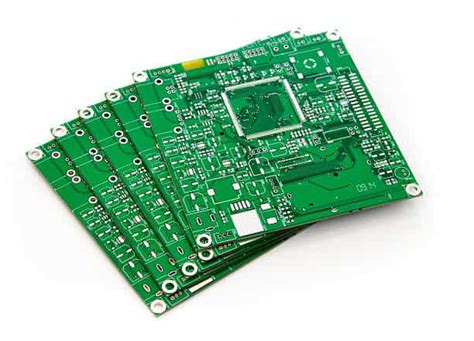
Flexible LED PCB technology has emerged as a groundbreaking innovation in the field of electronics, offering a myriad of applications and advantages over traditional rigid PCBs. This technology, characterized by its ability to bend and conform to various shapes, has opened new avenues for design and functionality in electronic devices. As industries continue to demand more versatile and efficient solutions, flexible LED PCBs are increasingly becoming a focal point of research and development.
One of the primary advantages of flexible LED PCBs is their adaptability.
Unlike rigid PCBs, which are limited by their inflexible nature, flexible PCBs can be integrated into devices with unconventional shapes and sizes. This adaptability is particularly beneficial in industries such as automotive, aerospace, and consumer electronics, where space constraints and design flexibility are critical. For instance, in the automotive industry, flexible LED PCBs are used in lighting systems that conform to the contours of a vehicle, enhancing both aesthetics and functionality.
Moreover, the lightweight nature of flexible LED PCBs contributes to their growing popularity.
In applications where weight is a crucial factor, such as in drones or wearable technology, the use of flexible PCBs can significantly reduce the overall weight of the device. This reduction in weight not only improves the performance of the device but also enhances user comfort and experience. Additionally, the thin profile of flexible PCBs allows for more compact designs, enabling the development of sleeker and more portable electronic devices.
In addition to their physical advantages, flexible LED PCBs also offer improved durability.
The materials used in these PCBs, such as polyimide or polyester films, provide excellent resistance to environmental factors like heat, moisture, and vibration. This resilience ensures that devices equipped with flexible PCBs can withstand harsh conditions, making them ideal for use in outdoor or industrial environments. Furthermore, the inherent flexibility of these PCBs reduces the risk of damage from mechanical stress, thereby extending the lifespan of the device.
The integration of flexible LED PCBs into various applications is further facilitated by advancements in manufacturing techniques.
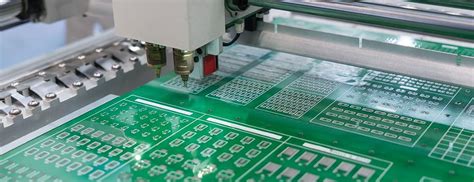
Innovations such as roll-to-roll processing and additive manufacturing have streamlined the production of flexible PCBs, making them more cost-effective and accessible. These techniques allow for high-volume production while maintaining precision and quality, thereby meeting the increasing demand for flexible electronic solutions.
Despite these advantages, the adoption of flexible LED PCB technology is not without challenges.
The complexity of designing circuits that can flex without compromising performance requires specialized knowledge and expertise. Additionally, ensuring reliable connections between components on a flexible substrate can be more challenging than on a rigid board. However, ongoing research and development efforts are continually addressing these challenges, leading to more robust and reliable solutions.
In conclusion, flexible LED PCB technology represents a significant advancement in the electronics industry, offering unparalleled design flexibility, lightweight construction, and enhanced durability. As manufacturing techniques continue to evolve and overcome existing challenges, the potential applications for flexible PCBs are expected to expand even further. This innovation not only meets the current demands of various industries but also paves the way for future technological developments, underscoring its importance in the ever-evolving landscape of electronic design and manufacturing.
Environmental Impact And Sustainability Of Flexible LED PCBs
Flexible LED PCBs, or printed circuit boards, have emerged as a significant innovation in the electronics industry, offering numerous advantages over traditional rigid PCBs. As the demand for more adaptable and efficient electronic solutions grows, the environmental impact and sustainability of these flexible alternatives have become a focal point of discussion. Understanding the ecological implications of flexible LED PCBs is crucial for manufacturers, consumers, and policymakers alike, as they navigate the balance between technological advancement and environmental stewardship.
To begin with, flexible LED PCBs are designed to be lightweight and adaptable, allowing for a wide range of applications, from wearable technology to advanced lighting systems.
adaptability not only enhances their functionality but also contributes to their environmental benefits. By reducing the need for multiple components and materials, flexible LED PCBs can lead to a decrease in resource consumption during the manufacturing process. This reduction is particularly significant in industries where minimizing material use is a priority, as it directly correlates with a decrease in the carbon footprint associated with production.
Moreover, the energy efficiency of LED technology itself plays a pivotal role in the sustainability of flexible LED PCBs.
LEDs are known for their low energy consumption compared to traditional lighting solutions, which translates into reduced greenhouse gas emissions over their lifespan. When integrated into flexible PCBs, LEDs can be used in innovative ways that further enhance their energy-saving potential. For instance, their incorporation into smart lighting systems can optimize energy use by adjusting brightness and color based on environmental conditions, thereby promoting energy conservation.
However, it is essential to consider the entire lifecycle of flexible LED PCBs to fully assess their environmental impact.
The production of these components involves the use of various materials, including metals and polymers, which can have adverse environmental effects if not managed properly. The extraction and processing of raw materials can lead to habitat destruction, pollution, and resource depletion. Therefore, manufacturers are increasingly focusing on sustainable sourcing practices and the development of eco-friendly materials to mitigate these impacts.
In addition to sustainable sourcing, the recyclability of flexible LED PCBs is a critical factor in their environmental footprint.
Traditional PCBs often pose challenges in recycling due to the complexity of separating different materials. However, advancements in recycling technologies are making it more feasible to recover valuable materials from flexible PCBs, thus reducing electronic waste. Encouragingly, some manufacturers are designing flexible LED PCBs with end-of-life considerations in mind, facilitating easier disassembly and recycling.
Furthermore, the shift towards a circular economy model in the electronics industry is gaining momentum, with flexible LED PCBs playing a role in this transition.
By designing products that are durable, repairable, and recyclable, manufacturers can extend the lifespan of electronic devices and reduce the need for new resources. This approach not only minimizes waste but also aligns with consumer demand for more sustainable products.
In conclusion, while flexible LED PCBs offer numerous environmental benefits, such as reduced material use and enhanced energy efficiency, it is imperative to address the challenges associated with their production and disposal. By adopting sustainable practices throughout the lifecycle of these components, the electronics industry can significantly reduce its environmental impact. As technology continues to evolve, ongoing research and innovation will be essential in ensuring that flexible LED PCBs contribute positively to a more sustainable future.