Flexible PCB Assembly Techniques for Enhanced Electronics Design
Key Takeaways
Flexible PCB assembly, often abbreviated as PCBA, represents a significant advancement in electronics design, allowing for unparalleled versatility and performance in various applications. The unique characteristics of flexible PCBs enable them to bend and fit into intricate spaces, making them ideal for devices where traditional rigid boards would be impractical. A crucial takeaway is the various innovative techniques employed in the assembly of these flexible circuits. From the use of advanced materials to cutting-edge bonding processes, optimizing a flexible PCB can greatly enhance the overall functionality and reliability of electronic devices.
“Embracing flexibility in design not only improves aesthetics but also enhances durability and performance.”
Another important aspect to consider is the multitude of applications that benefit from flexible PCB assembly. Industries ranging from consumer electronics to aerospace are harnessing these designs to create lighter, more efficient products. However, while the benefits are substantial, challenges also exist in manufacturing and scalability. Understanding these potential hurdles is vital for engineers looking to integrate flexible PCBs into their projects successfully.
In conclusion, awareness of current trends and best practices in PCB assembly will not only prepare designers for immediate project needs but also guide them toward future developments in flexible technology. As electronics continue to evolve, staying informed about these techniques will provide a competitive advantage in an ever-changing landscape.
Understanding Flexible PCBs: An Introduction to the Technology
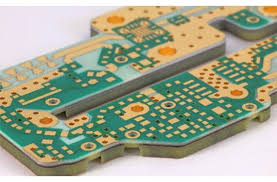
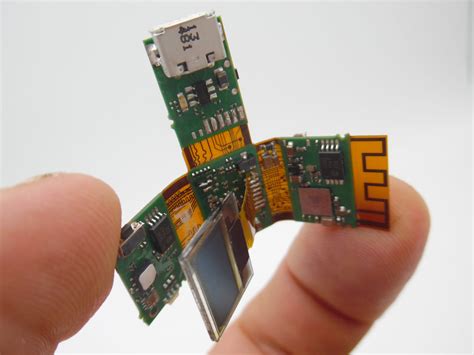
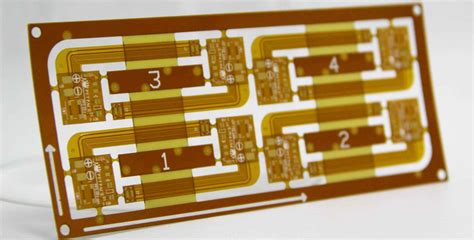
Flexible PCBs, or flexible printed circuit boards, represent a significant advancement in electronics technology. Unlike traditional rigid PCBs, flexible options allow for adaptability in design, making them suitable for a range of applications where space and weight constraints are critical. The ability to conform to various shapes and surfaces enhances not only the functionality but also the performance of electronic devices.
The design of flexible PCB assembly enables intricate layouts that can be folded, twisted, or rolled without compromising the integrity of connections or components. This flexibility is essential in modern electronics, where devices are often expected to perform under conditions that require dynamic movement or compact housing.
Table 1: Key Features of Flexible PCBs
| Feature | Description |
|---|---|
| Material | Utilizes materials like polyimide or polyester |
| Thickness | Generally thinner than rigid alternatives |
| Weight | Lightweight design enhances portability |
| Flexibility | Can bend and twist while maintaining functionality |
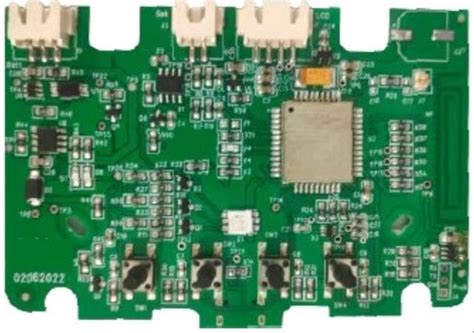
Moreover, the process of PCBA (Printed Circuit Board Assembly) for flexible boards often employs advanced techniques that differentiate it from traditional methods. As developers integrate more components onto smaller substrates, understanding these technologies becomes vital for engineers and designers alike.
Flexible boards are enhancing designs within industries such as automotive, medical devices, consumer electronics, and aerospace. Their ability to maintain reliability while being subjected to various environmental conditions further cements their role as a transformative technology in electronics design. As this realm evolves, continued exploration into the potential applications and advancements in flexible PCBs will surely yield substantial benefits for future electronic innovations.
Key Benefits of Flexible PCB Assembly in Electronics Design
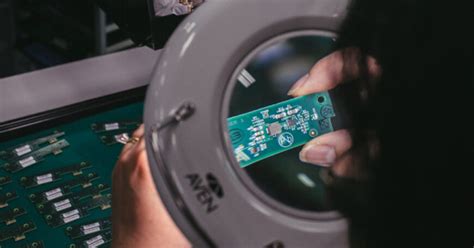
The pcb assembly process for flexible printed circuit boards (FPCBs) offers a range of significant advantages that enhance modern electronics design. One of the primary benefits is the ability to achieve higher density interconnections. Unlike traditional rigid PCBs, flexible PCBs can conform to specific shapes and sizes, allowing for a more efficient use of space within electronic devices. This flexibility not only simplifies the design process but also reduces the overall weight and size of products, making them more portable and easier to handle. Furthermore, pcba with flexible technologies leads to increased durability as these boards are less prone to damage from vibration and movement, critical factors in applications like wearable technology and medical devices. The integration of flexible components can also enhance thermal management capabilities, allowing for improved heat dissipation in high-performance electronics. By leveraging these advancements, designers can create innovative products that stand out in a competitive market while optimizing performance and reliability.
Innovative Techniques for Assembling Flexible PCBs
Flexible PCB assembly, often referred to as pcb assembly, has witnessed remarkable innovation in recent years, allowing for enhanced design possibilities in electronics. One of the key techniques in this domain is the use of advanced adhesives and conductive inks that ensure durability while maintaining the flexibility vital for modern applications. Manufacturers are increasingly adopting methods like printed circuit board assembly (PCBA) that initialize components directly onto flexible substrates, significantly optimizing production efficiency. Another innovative approach includes using laser cutting and 3D printing technologies, which allow for precise shaping and customization of flexible circuits to meet specific device requirements. These methods not only reduce waste but also enhance scalability for varied electronics projects.
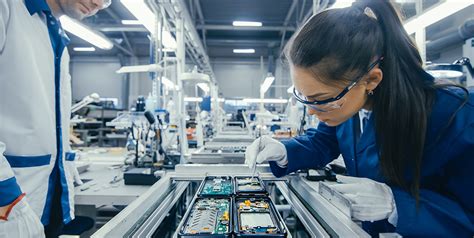
Moreover, integrating techniques like surface mount technology (SMT) provides a compact arrangement of components on flexible boards, maximizing space while improving performance. The application of robotic automation in assembly processes enhances consistency and speed, promoting higher throughput rates essential for high-demand environments. As these various techniques evolve, they play a pivotal role in meeting the growing consumer demand for smaller, more versatile electronic devices that can adapt to diverse functionalities without compromising on performance. The adoption of these innovative techniques highlights the potential of flexible PCBs as a transformative force in electronics design and manufacturing.
Applications of Flexible PCBs in Modern Electronic Devices
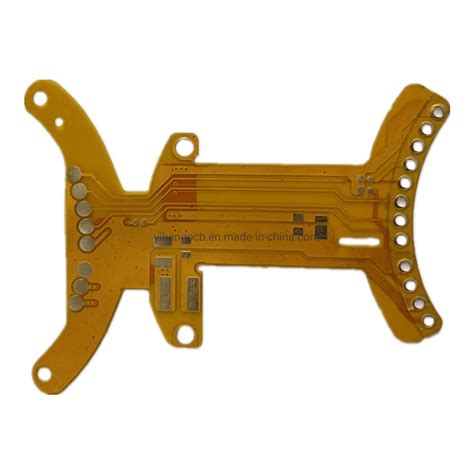
The integration of flexible PCBs has ushered in a new era in the design and functionality of modern electronic devices. These pcb assembly solutions are vital in a wide range of applications, allowing for innovative designs that were previously not feasible with traditional rigid circuits. In consumer electronics, for instance, the use of flexible PCBs enables manufacturers to develop sleeker devices that occupy minimal space without compromising performance. This is particularly evident in smartphones and wearables, where the pcba can easily conform to intricate shapes and contours. Additionally, flexible PCBs are essential in medical devices for health monitoring and imaging equipment, as they can be designed to fit within compact and complex configurations while ensuring reliability and durability. The automotive industry also benefits significantly from these assemblies, where their lightweight and flexible nature contributes to better fuel efficiency and enhanced functionality in systems like dashboard displays and sensors. As technology continues to evolve, the applications for flexible pcb assembly will undoubtedly expand, leading to even more sophisticated designs that push the boundaries of what is achievable in electronics.
Challenges and Solutions in Flexible PCB Assembly
The complexity of flexible PCB assembly (also known as pcba) brings several challenges that engineers must navigate to ensure successful integration into modern electronic devices. One of the primary challenges lies in the design phase, where achieving the right balance between flexibility and durability is crucial. The materials used in flexible PCBs often require specialized handling techniques during assembly to avoid potential damage or performance issues. Additionally, the placement and connection of components on flexible substrates can be challenging since traditional assembly techniques may not apply directly. To address these hurdles, innovative solutions such as enhanced adhesive technologies and precision placement tools have emerged, allowing for more reliable assemblies. Furthermore, employing advanced testing methods specifically designed for flexible applications can significantly reduce failures during the operation of flexible PCBs. As manufacturers continue to explore new materials and methods in pcb assembly, ongoing collaboration among design engineers, material scientists, and production specialists is essential to overcome these obstacles while maximizing the benefits offered by flexible PCB technology.
Future Trends in Flexible PCB Technologies
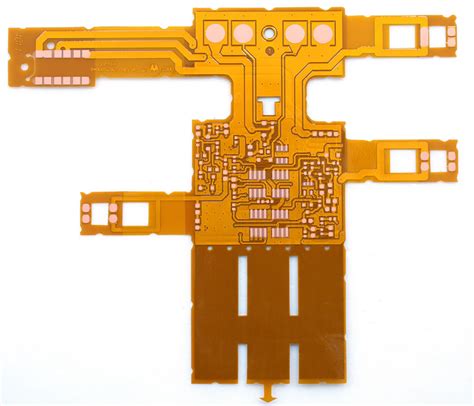
As the demand for flexible printed circuit boards (FPCBs) continues to grow, several future trends are emerging that promise to reshape the landscape of pcb assembly. One notable trend is the increasing integration of advanced materials which enhance the performance and durability of flexible PCBs. The use of materials such as polyimide and flexible substrates allows designers to create components that are not only lighter but also better suited for high-performance applications. Moreover, advancements in automation and precision manufacturing techniques are streamlining the pcba process, resulting in faster production times and reduced error rates.
Additionally, we are witnessing a shift towards multifunctionality, where flexible PCBs can incorporate sensors, antennas, and other electronic components within a single platform. This trend leads to more compact designs that can enhance device usability in applications ranging from wearables to automotive electronics. Furthermore, with the rise of the Internet of Things (IoT), there is a growing emphasis on creating flexible PCBs that support connectivity while maintaining energy efficiency.
The field is also seeing more extensive use of design software tailored specifically for flexible PCB applications, allowing engineers to visualize and test their designs before physical manufacturing. This not only accelerates the design phase but also helps in identifying potential challenges early on in the role of pcb assembly.
In summary, the future of flexible PCB technologies appears promising with trends focusing on better materials, multifunctionality, enhanced design tools, and automation leading to innovations that will undoubtedly influence modern electronics design.
Comparing Rigid and Flexible PCB Solutions: A Comprehensive Analysis
When evaluating rigid versus flexible PCB assembly (or PCBA), it is essential to consider the unique attributes and benefits that each technology offers. While rigid PCBs are traditionally favored for their robustness and reliability in static applications, flexible PCBs provide unparalleled versatility and adaptability, making them suitable for dynamic environments. The primary advantage of flexible PCBs lies in their ability to bend and fold, accommodating complex designs without sacrificing performance. This flexibility leads to reduced weight, less material usage, and the potential for more intricate configurations that can fit into challenging spaces.
Additionally, the design process for flexible PCB assembly often incorporates advanced techniques such as multilayer stacking and embedding of components, which enhance functionality while maintaining a compact size. Consequently, industries like consumer electronics, automotive, and medical devices are increasingly adopting flexible solutions due to their lightweight characteristics and enhanced heat dissipation. However, it is crucial to consider the challenges associated with flexible PCB assembly, including potential damage during manufacturing or installation. By understanding these differences comprehensively, designers can make informed decisions that align with their project requirements, ultimately ensuring optimal performance in modern electronic devices.
Best Practices for Designing and Assembling Flexible PCBs
When it comes to designing and assembling flexible PCBs, adhering to best practices is crucial for achieving optimal performance and reliability. One of the first steps is to ensure proper material selection, as the choice of substrates significantly impacts the flexibility and durability of the final product. Utilizing materials like polyimide or polyester can enhance bendability without sacrificing electrical integrity. Furthermore, effective layout design is essential; designers should take into consideration factors such as trace thickness, spacing, and via placement to optimize signal integrity over varying flexing conditions.
In the context of pcb assembly, it’s imperative to focus on precise soldering techniques. Using surface-mount technology (SMT) can be beneficial since it allows components to be mounted directly onto both sides of a PCB, maximizing space efficiency. Additionally, implementing automated assembly processes can improve consistency and reduce defects during pcba production. It is also advisable to conduct thorough testing during various phases of assembly; this includes flex testing to assess the impact on solder joints and circuit performance under mechanical stress.
Lastly, maintaining clear communication between design teams and assembly partners can streamline the transition from prototyping to full-scale production. This collaborative approach is vital for identifying potential challenges early on and addressing them before impact arises on the efficiency or reliability of flexible PCBs in modern electronic applications. By following these best practices, engineers can ensure that their flexible PCB assemblies meet high standards while adapting seamlessly into diverse electronic devices.
Conclusion
In summary, the evolution of flexible PCB assembly techniques has profoundly impacted the landscape of electronics design. By enabling engineers and designers to create more compact and intricate layouts, pcb assembly can cater to a wider array of applications. The flexibility offered by these circuits not only enhances the overall functionality but also fosters innovation in device design, making it possible to integrate advanced features without compromising on performance. As manufacturers continue to explore emerging materials and methods, the potential for pcba innovation remains vast. Addressing challenges associated with production processes will be critical in ensuring reliability and efficiency in assembly techniques. The adaptability of flexible PCBs is reshaping how we approach electronics design, promising a future filled with creative possibilities that enhance our devices’ form and function. In essence, understanding these methods will place designers at the forefront of the industry revolution driven by flexible PCB assembly technologies.
FAQs
What is flexible PCB assembly?
Flexible PCB assembly, often abbreviated as PCBA, refers to the process of assembling components onto flexible printed circuit boards. These boards allow for the design of lightweight and adaptable electronic devices.
What advantages does flexible PCB assembly offer?
The primary advantages include reduced weight, compact design, and the ability to fit into tight spaces. This flexibility allows for innovative product designs that were previously challenging, if not impossible.
What are common applications of flexible PCBs?
Flexible printed circuit boards are commonly used in medical devices, consumer electronics, automotive applications, and aerospace technologies. Their versatility makes them suitable for a wide range of industries.
How does flexible PCB compare to traditional rigid PCBs?
While rigid PCBs are great for straightforward applications, they lack the versatility of flexible PCBs. Rigid designs are typically bulkier and can limit device functionality due to their inflexibility.
What challenges exist in the assembly of flexible PCBs?
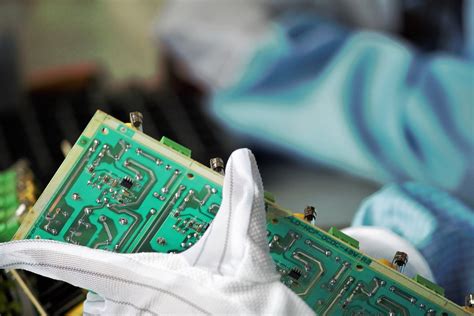
Challenges include handling delicate materials, ensuring proper alignment during assembly, and managing thermal expansion differences between components. However, advancements in pcb assembly techniques continue to address these issues effectively.
Are there best practices for designing and assembling flexible PCBs?
Yes, best practices include utilizing appropriate materials that cater to flexibility needs, optimizing component placement for minimal stresses, and choosing suitable soldering methods to avoid damage during assembly.