Flexible pcb board for sale
Benefits Of Using Flexible PCB Boards In Modern Electronics
Flexible PCB boards, or flexible printed circuit boards, have become an integral component in the realm of modern electronics, offering a multitude of benefits that cater to the evolving demands of technology. As electronic devices continue to shrink in size while expanding in functionality, the need for adaptable and efficient circuit solutions has never been more critical. Flexible PCBs provide a versatile alternative to traditional rigid boards, enabling innovative designs and applications that were previously unattainable.
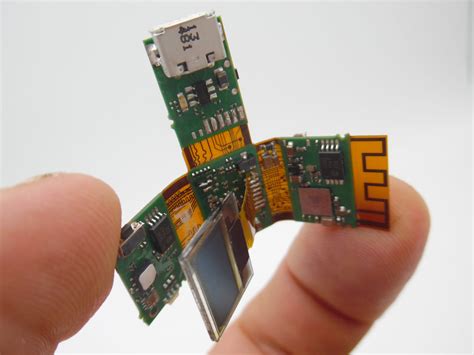
One of the primary advantages of flexible PCB boards is their ability to conform to complex shapes and fit into compact spaces.
This adaptability is particularly beneficial in the design of wearable technology, medical devices, and compact consumer electronics, where space is at a premium. By allowing circuits to bend and twist, flexible PCBs facilitate the creation of devices that are not only smaller but also lighter, enhancing portability and user comfort. This flexibility also contributes to the durability of the device, as the boards can absorb mechanical stress and vibrations, reducing the risk of damage and extending the lifespan of the product.
In addition to their physical adaptability, flexible PCBs offer significant electrical performance benefits.
The design of these boards allows for shorter and more direct routing of electrical paths, which can lead to reduced signal loss and improved electrical performance. This is particularly advantageous in high-frequency applications where signal integrity is paramount. Furthermore, the ability to integrate multiple components and functions onto a single flexible board can lead to a reduction in the overall number of interconnections, thereby minimizing potential points of failure and enhancing the reliability of the device.
The manufacturing process of flexible PCBs also presents several advantages.
These boards are typically made from materials such as polyimide or polyester, which are not only flexible but also resistant to heat and chemicals. This makes them suitable for use in harsh environments where traditional rigid boards might fail. Moreover, the use of flexible materials can lead to cost savings in production, as they often require fewer materials and less assembly time. The ability to produce complex circuits in a single piece also reduces the need for additional connectors and cables, further streamlining the manufacturing process and reducing costs.
As the demand for more sophisticated and compact electronic devices continues to grow, the role of flexible PCBs in the industry is set to expand.
Their unique properties make them an ideal choice for a wide range of applications, from automotive and aerospace to consumer electronics and healthcare. By enabling more efficient and innovative designs, flexible PCBs are not only meeting the current needs of the market but are also paving the way for future technological advancements.
In conclusion, the benefits of using flexible PCB boards in modern electronics are manifold.
Their ability to conform to various shapes, coupled with their superior electrical performance and cost-effective manufacturing process, makes them an invaluable asset in the development of next-generation electronic devices. As technology continues to advance, the importance of flexible PCBs is likely to increase, solidifying their place as a cornerstone of modern electronic design and innovation.
How To Choose The Right Flexible PCB Board For Your Project
When embarking on a project that requires the integration of flexible printed circuit boards (PCBs), selecting the right type is crucial to ensuring both functionality and efficiency. Flexible PCBs offer a range of advantages, including their ability to bend and conform to various shapes, making them ideal for compact and complex electronic devices. However, with numerous options available on the market, choosing the right flexible PCB board for your project can be a daunting task. To make an informed decision, it is essential to consider several key factors that will influence the performance and suitability of the PCB for your specific application.
First and foremost, understanding the requirements of your project is paramount.
This involves assessing the electrical, mechanical, and environmental demands that the PCB will face. For instance, if your project involves high-frequency signals, you will need a flexible PCB with materials that can handle such frequencies without significant signal loss. Similarly, if the PCB will be exposed to harsh environmental conditions, such as extreme temperatures or moisture, selecting a board with appropriate protective coatings and materials is essential to ensure durability and reliability.
In addition to environmental considerations, the design complexity of your project will also play a significant role in determining the right flexible PCB.
Projects that require intricate designs with multiple layers may necessitate a more advanced PCB with higher layer counts. This is particularly important in applications where space is limited, and the PCB must accommodate numerous components and connections. Therefore, evaluating the design specifications and ensuring that the chosen PCB can support the necessary layout and component density is crucial.
Another critical factor to consider is the flexibility and bendability of the PCB.
Depending on the application, the board may need to withstand repeated bending or flexing without compromising its structural integrity or electrical performance. It is important to select a flexible PCB with the appropriate bend radius and flexibility characteristics to meet these demands. Consulting with manufacturers or suppliers who can provide detailed specifications and testing data can be invaluable in making the right choice.
Cost considerations also play a significant role in the selection process.
While it may be tempting to opt for the least expensive option, it is important to balance cost with quality and performance. Investing in a high-quality flexible PCB that meets all the necessary requirements can prevent costly failures and rework in the future. Therefore, conducting a thorough cost-benefit analysis and considering the long-term implications of your choice is advisable.
Furthermore, it is beneficial to work with reputable manufacturers or suppliers who have a proven track record in producing reliable and high-quality flexible PCBs. These partners can offer valuable insights and support throughout the selection process, ensuring that you choose a board that aligns with your project’s needs. Additionally, they may provide customization options, allowing you to tailor the PCB to your specific requirements.
In conclusion, selecting the right flexible PCB board for your project involves a careful evaluation of various factors, including environmental conditions, design complexity, flexibility requirements, cost, and supplier reliability. By thoroughly assessing these elements and seeking expert guidance when necessary, you can make an informed decision that will contribute to the success and longevity of your project.
Innovative Applications Of Flexible PCB Boards In Wearable Technology
Flexible PCB boards, or flexible printed circuit boards, have emerged as a cornerstone in the evolution of wearable technology, offering a myriad of innovative applications that enhance both functionality and user experience. As the demand for more compact, lightweight, and versatile electronic devices continues to grow, flexible PCBs have become indispensable due to their unique ability to conform to various shapes and withstand dynamic environments. This adaptability is particularly advantageous in the realm of wearable technology, where devices must seamlessly integrate with the human body and endure constant movement.
One of the most significant applications of flexible PCB boards in wearable technology is in the development of smartwatches and fitness trackers.
These devices require a compact design that can comfortably fit on a user’s wrist while housing a multitude of sensors and components. Flexible PCBs allow for the integration of these elements in a manner that is both space-efficient and reliable. By enabling the circuitry to bend and flex, manufacturers can design devices that are not only more comfortable to wear but also more durable, as the risk of damage from repeated motion is significantly reduced.
Moreover, flexible PCBs are instrumental in the advancement of health-monitoring wearables.
These devices, which include heart rate monitors, glucose monitors, and even electrocardiogram (ECG) patches, rely on the ability to maintain close contact with the skin to provide accurate readings. The flexibility of these PCBs ensures that the devices can conform to the contours of the body, thereby improving the precision of the data collected. This capability is crucial for medical applications, where accurate monitoring can lead to better health outcomes and more personalized treatment plans.
In addition to health and fitness applications, flexible PCB boards are also paving the way for innovations in smart clothing.
This emerging field involves embedding electronic components into textiles to create garments that can perform a variety of functions, from regulating temperature to tracking physical activity. The use of flexible PCBs in smart clothing allows for the seamless integration of electronic components without compromising the comfort or aesthetics of the garment. As a result, designers can create clothing that is not only functional but also fashionable, appealing to a broader range of consumers.
Furthermore, the role of flexible PCBs extends to the development of augmented reality (AR) and virtual reality (VR) headsets.
These devices require a high degree of precision and reliability, as they are used to create immersive experiences that rely on accurate tracking and display technologies. Flexible PCBs contribute to the miniaturization and weight reduction of these headsets, making them more comfortable for extended use. Additionally, their ability to withstand repeated bending and flexing ensures that the devices remain functional even under the stress of frequent use.
In conclusion, the innovative applications of flexible PCB boards in wearable technology are vast and varied, offering solutions that enhance the functionality, comfort, and durability of these devices. As technology continues to advance, the demand for flexible PCBs is likely to increase, driving further innovation in the design and capabilities of wearable technology. This trend not only highlights the importance of flexible PCBs in the current technological landscape but also underscores their potential to shape the future of wearable devices.
Top Manufacturers Of Flexible PCB Boards And What Sets Them Apart
In the rapidly evolving world of electronics, flexible printed circuit boards (PCBs) have emerged as a pivotal component, offering unparalleled versatility and efficiency. As demand for these innovative solutions continues to grow, several top manufacturers have distinguished themselves by delivering high-quality flexible PCBs that cater to a wide range of applications. Understanding what sets these manufacturers apart is crucial for businesses and engineers seeking reliable and cutting-edge solutions.
Foremost among these industry leaders is Nippon Mektron, a company renowned for its extensive experience and commitment to innovation.
As one of the largest producers of flexible PCBs globally, Nippon Mektron has established a reputation for delivering products that meet the highest standards of quality and reliability. Their advanced manufacturing processes and investment in research and development enable them to offer customized solutions that address the specific needs of their clients. This dedication to excellence ensures that their flexible PCBs are not only durable but also capable of performing in the most demanding environments.
Similarly, Zhen Ding Technology stands out as a prominent player in the flexible PCB market.
Known for their cutting-edge technology and robust production capabilities, Zhen Ding Technology has consistently pushed the boundaries of what is possible in flexible PCB design and manufacturing. Their focus on innovation is evident in their ability to produce highly complex and miniaturized PCBs that are essential for modern electronic devices. By leveraging state-of-the-art equipment and a highly skilled workforce, Zhen Ding Technology ensures that their products are at the forefront of technological advancement.
Another key manufacturer in this space is Flexium Interconnect, which has carved a niche for itself by specializing in the production of high-frequency and high-density flexible PCBs.
Flexium’s expertise in these areas allows them to cater to industries such as telecommunications and automotive, where performance and reliability are paramount. Their commitment to quality is reflected in their rigorous testing procedures and adherence to international standards, which guarantee that their products consistently meet the expectations of their clients.
Moreover, Sumitomo Electric Industries has made significant strides in the flexible PCB market by focusing on sustainability and environmental responsibility.
Their innovative approach to manufacturing not only reduces waste but also minimizes the environmental impact of their products. This commitment to sustainability, combined with their technical expertise, has positioned Sumitomo Electric Industries as a leader in the production of eco-friendly flexible PCBs. Their ability to balance performance with environmental considerations sets them apart in an increasingly eco-conscious market.
In addition to these industry giants, smaller manufacturers such as Multek and Interflex have also made notable contributions to the flexible PCB landscape
These companies have distinguished themselves by offering specialized solutions and personalized service, catering to niche markets and specific customer requirements. Their agility and willingness to adapt to changing market demands enable them to provide innovative and tailored solutions that larger manufacturers may not be able to offer.
In conclusion, the top manufacturers of flexible PCB boards have each carved out a unique position in the market by focusing on quality, innovation, and sustainability. Whether through advanced technology, specialized expertise, or a commitment to environmental responsibility, these companies have set themselves apart by consistently delivering products that meet the diverse needs of their clients. As the demand for flexible PCBs continues to grow, these manufacturers will undoubtedly play a crucial role in shaping the future of electronics.