Flexible pcb characteristics
Advantages Of Flexible PCBs In Modern Electronics
Flexible printed circuit boards (PCBs) have become an integral component in the realm of modern electronics, offering a multitude of advantages that cater to the evolving demands of technology. As electronic devices continue to shrink in size while expanding in functionality, the need for adaptable and efficient circuit solutions has never been more critical. Flexible PCBs, with their unique characteristics, provide a compelling answer to these challenges, making them indispensable in various applications.
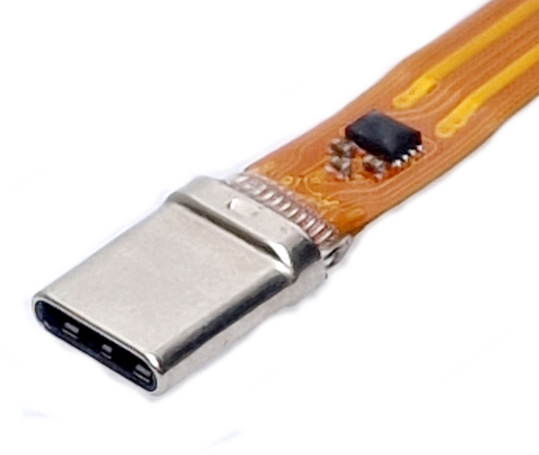
One of the most significant advantages of flexible PCBs is their ability to conform to complex shapes and fit into tight spaces.
Unlike traditional rigid PCBs, flexible circuits can be bent, folded, and twisted without compromising their functionality. This adaptability allows designers to create more compact and lightweight devices, which is particularly beneficial in industries such as consumer electronics, automotive, and medical devices. For instance, in wearable technology, flexible PCBs enable the integration of electronic components into clothing and accessories, enhancing user comfort and device functionality.
Moreover, flexible PCBs contribute to improved reliability and durability in electronic devices.
Their ability to withstand mechanical stress and vibration makes them ideal for applications where movement and flexibility are essential. In automotive and aerospace industries, where components are often subjected to harsh conditions, flexible PCBs offer a robust solution that can endure the rigors of operation without failure. This resilience is further enhanced by the use of high-quality materials and advanced manufacturing techniques, which ensure that flexible circuits maintain their performance over extended periods.
In addition to their physical adaptability, flexible PCBs also offer significant advantages in terms of electrical performance.
They can accommodate a higher density of components and interconnections, which is crucial for the development of sophisticated electronic systems. This capability allows for the creation of more complex circuits without the need for additional space, thereby optimizing the overall design and functionality of the device. Furthermore, the reduced need for connectors and solder joints in flexible PCBs minimizes the risk of connection failures, enhancing the overall reliability of the electronic system.
The manufacturing process of flexible PCBs also presents several benefits.
The use of roll-to-roll processing techniques allows for the production of large quantities of flexible circuits at a lower cost compared to traditional methods. This efficiency in production not only reduces manufacturing expenses but also shortens the time-to-market for new electronic products. Additionally, the ability to produce flexible PCBs in various shapes and sizes provides designers with greater freedom and creativity in their projects, enabling the development of innovative solutions that meet specific requirements.
As the demand for more efficient and versatile electronic devices continues to grow, the role of flexible PCBs in modern electronics is set to expand further.
Their unique characteristics, including adaptability, reliability, and enhanced electrical performance, make them an attractive choice for a wide range of applications. By leveraging these advantages, manufacturers can develop cutting-edge products that meet the needs of today’s consumers while paving the way for future technological advancements. In conclusion, flexible PCBs represent a pivotal advancement in electronic design, offering a versatile and reliable solution that aligns with the dynamic nature of modern technology.

Material Composition And Durability Of Flexible PCBs
Flexible printed circuit boards (PCBs) have become an integral component in modern electronic devices, offering a unique combination of flexibility, durability, and efficiency. Understanding the material composition and durability of flexible PCBs is essential for appreciating their role in advancing technology.
At the core of flexible PCBs is the substrate material, typically composed of polyimide or polyester films.
These materials are chosen for their excellent thermal stability, mechanical flexibility, and electrical insulation properties. Polyimide, in particular, is favored for its ability to withstand high temperatures, making it suitable for applications that require thermal resistance. Polyester, on the other hand, is often used in cost-sensitive applications where moderate thermal performance is acceptable.
In addition to the substrate, the conductive layers of flexible PCBs are usually made of copper, which is deposited onto the substrate through various methods such as electroplating or lamination.
Copper is selected for its superior electrical conductivity, which ensures efficient signal transmission across the circuit. The thickness of the copper layer can be adjusted to meet specific electrical and mechanical requirements, providing designers with the flexibility to tailor the PCB to their needs. Furthermore, the adhesion between the copper and the substrate is critical for the durability of the flexible PCB. To enhance this adhesion, surface treatments such as silane coupling agents or plasma treatments are often employed.
The durability of flexible PCBs is also influenced by the protective layers applied to the circuit.
These layers, commonly known as coverlays or solder masks, serve to shield the circuit from environmental factors such as moisture, dust, and chemicals. Coverlays are typically made from polyimide films or liquid photoimageable materials, which offer excellent protection while maintaining the flexibility of the PCB. The choice of protective layer material is crucial, as it must provide adequate protection without compromising the board’s flexibility or adding excessive weight.
Moreover, the mechanical durability of flexible PCBs is a key consideration, especially in applications where the board will be subjected to repeated bending or flexing.
The ability of a flexible PCB to withstand mechanical stress is largely determined by its design and the quality of its materials. For instance, the use of rolled annealed copper, as opposed to electro-deposited copper, can enhance the board’s ability to endure repeated flexing. Additionally, the layout of the circuit traces can be optimized to minimize stress concentrations, further improving the board’s mechanical resilience.
In conclusion, the material composition and durability of flexible PCBs are critical factors that contribute to their widespread adoption in various industries. The choice of substrate and conductive materials, along with the application of protective layers, plays a significant role in determining the performance and longevity of these circuits. As technology continues to evolve, the demand for flexible PCBs is expected to grow, driven by their ability to meet the increasingly complex requirements of modern electronic devices. By understanding the intricacies of their material composition and durability, manufacturers and designers can continue to innovate and push the boundaries of what is possible with flexible PCBs.
Design Considerations For Flexible PCB Applications
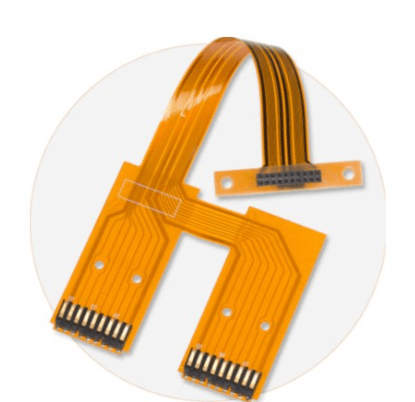
When designing flexible printed circuit boards (PCBs), several critical considerations must be taken into account to ensure optimal performance and reliability. Flexible PCBs, known for their ability to bend and conform to various shapes, offer unique advantages over traditional rigid PCBs. However, their design requires careful attention to specific characteristics that influence their functionality and durability.
One of the primary considerations in flexible PCB design is material selection.
The choice of substrate material significantly impacts the board’s flexibility, thermal stability, and electrical performance. Polyimide is a commonly used material due to its excellent thermal resistance and flexibility. It allows the PCB to withstand high temperatures and mechanical stress, making it suitable for applications in harsh environments. Additionally, the thickness of the substrate plays a crucial role in determining the board’s flexibility. Thinner substrates offer greater flexibility but may compromise mechanical strength, necessitating a balance between flexibility and durability.
Transitioning from material considerations, the design layout of flexible PCBs is another critical aspect.
The layout must accommodate the board’s bending and flexing without causing damage to the conductive traces. To achieve this, designers often employ curved traces instead of sharp angles, which can act as stress concentrators and lead to trace breakage. Furthermore, the placement of components should be strategically planned to minimize stress during flexing. Components are typically positioned in areas that experience minimal bending, reducing the risk of mechanical failure.
In addition to layout considerations, the choice of adhesive and coverlay materials is vital in flexible PCB design.
Adhesives are used to bond the layers of the PCB, and their selection affects the board’s flexibility and thermal performance. High-performance adhesives that maintain their properties under thermal cycling are preferred to ensure long-term reliability. Similarly, coverlay materials protect the conductive traces from environmental factors and mechanical damage. Polyimide coverlays are commonly used due to their flexibility and thermal resistance, providing an additional layer of protection without compromising the board’s ability to flex.
Moreover, the electrical performance of flexible PCBs is influenced by the design of the conductive traces.
The trace width and spacing must be carefully calculated to ensure signal integrity and minimize electromagnetic interference. As flexible PCBs are often used in compact and high-density applications, maintaining signal integrity becomes paramount. Designers must consider factors such as impedance control and crosstalk reduction to ensure reliable electrical performance.
Transitioning to the manufacturing process, flexible PCBs require specialized fabrication techniques.
The manufacturing process must accommodate the unique properties of flexible materials, ensuring that the final product meets the desired specifications. Techniques such as roll-to-roll processing and laser cutting are often employed to achieve precise and consistent results. Additionally, quality control measures are essential to detect any defects that may compromise the board’s performance.
In conclusion, designing flexible PCBs involves a comprehensive understanding of various factors that influence their performance and reliability. From material selection and layout design to adhesive choice and manufacturing techniques, each aspect plays a crucial role in ensuring the success of flexible PCB applications. By carefully considering these characteristics, designers can create flexible PCBs that meet the demands of modern electronic devices, offering both flexibility and durability in a wide range of applications.
Thermal Management In Flexible PCB Design
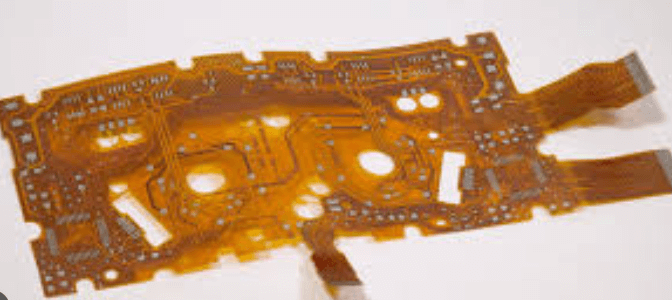
In the realm of modern electronics, flexible printed circuit boards (PCBs) have emerged as a pivotal innovation, offering a myriad of advantages over their rigid counterparts. Among the various aspects that contribute to their growing popularity, thermal management stands out as a critical consideration in flexible PCB design. As electronic devices become increasingly compact and powerful, efficient thermal management becomes indispensable to ensure optimal performance and longevity.
Flexible PCBs, by their very nature, are designed to bend and conform to various shapes, which allows for greater design versatility.
However, this flexibility also introduces unique challenges in managing heat dissipation. Unlike rigid PCBs, which can rely on their structural integrity to support heat sinks and other thermal management components, flexible PCBs require more innovative approaches. Consequently, understanding the thermal characteristics of flexible PCBs is essential for engineers and designers aiming to optimize their applications.
One of the primary factors influencing thermal management in flexible PCBs is the choice of materials.
The substrate material, typically polyimide, plays a crucial role due to its excellent thermal stability and ability to withstand high temperatures. Polyimide’s low thermal conductivity, however, necessitates additional strategies to enhance heat dissipation. To address this, designers often incorporate thermally conductive adhesives or films, which help in transferring heat away from critical components. Moreover, the use of copper traces, which are excellent conductors of heat, can be strategically optimized to facilitate better thermal management.
In addition to material selection, the layout and design of the flexible PCB significantly impact its thermal performance.
The arrangement of components and traces can either exacerbate or alleviate thermal issues. For instance, placing heat-generating components in close proximity can lead to localized hotspots, which may compromise the board’s functionality. To mitigate this, designers can employ techniques such as thermal vias, which provide a pathway for heat to dissipate through the board. Furthermore, spreading out components and utilizing larger copper areas can enhance heat distribution, thereby reducing the risk of overheating.
Another critical aspect of thermal management in flexible PCBs is the integration of thermal reliefs.
These are design features that help manage the thermal expansion and contraction of the board, which can occur due to temperature fluctuations. By incorporating thermal reliefs, designers can prevent mechanical stress and potential damage to the board, ensuring its reliability and durability.
Moreover, the environment in which the flexible PCB operates also influences its thermal management requirements.
In applications where the board is subjected to extreme temperatures or rapid thermal cycling, additional protective measures may be necessary. This could include the use of thermal interface materials or encapsulation techniques to shield the board from external thermal stresses.
In conclusion, effective thermal management in flexible PCB design is a multifaceted challenge that requires careful consideration of materials, layout, and environmental factors. By leveraging advanced materials and innovative design strategies, engineers can optimize the thermal performance of flexible PCBs, ensuring they meet the demands of modern electronic applications. As technology continues to evolve, the importance of efficient thermal management in flexible PCBs will only grow, underscoring its significance in the broader context of electronic design and manufacturing.