Flexible PCB for LED Strips: Design, Advantages, and Applications
Introduction to Flexible PCBs in LED Lighting
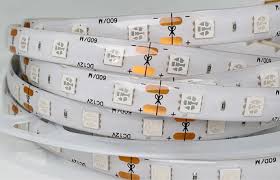
The lighting industry has undergone a remarkable transformation with the advent of LED technology, and flexible printed circuit boards (PCBs) have played a pivotal role in this evolution. Flexible PCBs designed specifically for LED strips have enabled lighting solutions that combine energy efficiency with unprecedented design flexibility. These thin, bendable circuits have become the backbone of modern decorative, architectural, and functional lighting applications.
Flexible PCBs for LED strips represent a significant advancement over traditional rigid circuit boards, offering the ability to conform to curved surfaces, fit into tight spaces, and withstand repeated bending without compromising electrical performance. This article explores the technical aspects, manufacturing processes, benefits, and diverse applications of flexible PCBs in LED strip lighting, providing a comprehensive understanding of why this technology has become indispensable in contemporary lighting design.
Understanding Flexible PCB Technology for LED Strips
Basic Construction and Materials
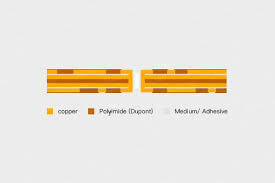
Flexible PCBs for LED strips typically consist of multiple layers of specialized materials:
- Base Material: Most flexible LED strip PCBs use polyimide as the substrate due to its excellent thermal stability (withstanding up to 400°C), mechanical strength, and flexibility. Polyimide maintains its properties across a wide temperature range (-200°C to +300°C), making it ideal for LED applications that generate heat.
- Conductive Layer: High-purity rolled annealed copper foil (typically 1/2 oz to 2 oz in thickness) serves as the conductive material. The copper is often treated with various surface finishes:
- HASL (Hot Air Solder Leveling)
- ENIG (Electroless Nickel Immersion Gold)
- OSP (Organic Solderability Preservative)
- Immersion silver
- Coverlay: Instead of the solder mask used in rigid PCBs, flexible circuits employ a polyimide coverlay with adhesive to protect the copper traces while maintaining flexibility.
- Adhesives: Specialized acrylic or epoxy adhesives bond the layers together while accommodating flexing.
Electrical Considerations for LED Strips
Designing flexible PCBs for LED strips requires careful attention to several electrical parameters:
- Current Capacity: Trace width must be calculated based on the current requirements of the LED array. A typical 5050 LED might require 60mA, so a strip with 60 LEDs/meter would need traces capable of handling 3.6A.
- Voltage Drop: Long LED strips suffer from voltage drop issues. Flexible PCBs often incorporate wider traces or double-sided designs to minimize resistance. For 12V systems, the maximum recommended length is typically 5 meters before voltage drop affects LED performance.
- Circuit Patterns: Common configurations include:
- Single-series (all LEDs in series)
- Parallel-series (groups of series-connected LEDs in parallel)
- Addressable circuits (with integrated ICs like WS2812B)
Thermal Management Features
LEDs generate heat that must be properly dissipated in flexible PCB designs:
- Thermal Relief Pads: Designed to balance solderability with heat dissipation
- Thermal Vias: Used in some rigid-flex designs to transfer heat to additional layers
- Copper Pour Areas: Serve as heat spreaders in the circuit
- Substrate Selection: Polyimide’s thermal conductivity (0.12 W/mK) is low, so designs often incorporate thermal management features
Manufacturing Process of Flexible PCBs for LED Strips
Step-by-Step Production
- Material Preparation: Roll-to-roll processing begins with cleaning and preparing the polyimide substrate.
- Circuit Patterning:
- Photolithography process transfers the circuit design
- Etching removes unwanted copper (using ammonium persulfate or ferric chloride solutions)
- Laser direct imaging (LDI) enables high-precision patterning
- Coverlay Application:
- Precision drilling of coverlay material
- Alignment and lamination using hydraulic presses
- Curing at controlled temperatures (typically 160-200°C)
- Surface Finishing:
- Electroless nickel/immersion gold (ENIG) plating for solderability
- Alternatively, immersion silver or OSP treatments
- Singulation:
- Laser cutting or precision die cutting separates individual circuits
- Routing creates tabs and special features
- Testing and Quality Control:
- Automated optical inspection (AOI)
- Continuity testing
- Bend testing (typically 200,000+ flex cycles requirement)
Specialized Manufacturing Techniques
- Stiffener Attachment: Rigid sections may be added where components mount
- Adhesive Selection: Pressure-sensitive adhesives (PSAs) allow for field application
- Solder Mask Alternatives: Liquid photoimageable (LPI) coatings for complex designs
- Embedded Components: Some advanced designs incorporate LEDs within the flexible layers
Advantages of Flexible PCBs for LED Strips
Design Flexibility and Space Savings
- Bend Radius Capability: High-quality flexible PCBs can achieve dynamic bend radii as small as 3mm (for 0.1mm thick circuits)
- Three-Dimensional Routing: Can conform to complex shapes and surfaces
- Reduced Weight: Typically 75% lighter than equivalent rigid PCBs
- Thin Profile: Standard thicknesses range from 0.1mm to 0.3mm
Performance Benefits
- Improved Reliability: Fewer interconnects reduce failure points (by up to 70% compared to wire harnesses)
- Enhanced Heat Dissipation: Polyimide substrates can withstand LED operating temperatures
- Consistent Quality: Precision manufacturing ensures uniform LED spacing and alignment
- High-Speed Signal Integrity: Important for addressable LED strips with data lines
Economic and Environmental Advantages
- Reduced Assembly Costs: Elimination of multiple connectors and hand wiring
- Material Efficiency: Minimal waste in manufacturing (up to 90% material utilization)
- Longer Lifespan: Properly designed flexible LED strips can exceed 50,000 hours
- RoHS Compliance: Lead-free materials meet environmental regulations
Applications of Flexible PCB LED Strips
Architectural Lighting
- Cove Lighting: Hidden illumination for ceilings and architectural features
- Curtain Wall Lighting: Integration with glass facades and building exteriors
- Pathway Lighting: Low-profile installation in floors and walkways
- Dynamic Facades: RGB systems for color-changing building exteriors
Automotive Lighting
- Interior Ambient Lighting: Dashboard and door panel accent lighting
- Exterior Design Elements: Daytime running lights (DRLs) and signature lighting
- Flexible Backlighting: Instrument clusters and control panels
- Commercial Vehicle Lighting: Truck and trailer marker lights
Consumer Electronics
- TV Backlighting: Edge-lit LCD displays using high-density LED strips
- Keyboard Illumination: Low-profile backlighting for gaming keyboards
- Wearable Devices: Flexible lighting for smart clothing and accessories
- Appliance Lighting: Refrigerator and oven interior lighting
Specialized Applications
- Medical Lighting: Surgical and examination light systems
- Aerospace: Cabin lighting with reduced weight
- Marine Lighting: Water-resistant designs for boats and ships
- Retail Displays: Product showcase and signage illumination
Design Considerations for Flexible LED Strip PCBs
Mechanical Design Factors
- Bend Radius Calculations:
- Static applications: Minimum bend radius = 6x board thickness
- Dynamic applications: Minimum bend radius = 10x board thickness
- For a 0.2mm thick PCB: 1.2mm static, 2mm dynamic bend radius
- Stress Relief Features:
- Tear stops at cutouts
- Radiused corners (minimum 1.5mm radius)
- Strain relief patterns in high-flex areas
- Component Placement:
- Avoid placing components near bend areas
- Use smaller package sizes (0402 or smaller) for better flexibility
- Consider adhesive reinforcement for heavier components
Electrical Design Optimization
- Trace Routing Techniques:
- Use curved traces instead of right angles in flex areas
- Maintain consistent trace widths in bending zones
- Stagger traces on multilayer flex to prevent buckling
- Power Distribution:
- Calculate voltage drop: Vdrop = I × R × L
- Where I = current, R = resistance per unit length, L = length
- For 12V systems, maintain < 0.5V drop over 5 meters
- Signal Integrity:
- Maintain consistent impedance in data lines (typically 100Ω differential for protocols like SPI)
- Proper spacing between data and power traces
- Ground plane considerations for noise reduction
Thermal Design Principles
- Heat Spreading Techniques:
- Thermal vias under high-power LEDs
- Increased copper weight (2oz) for better heat conduction
- Thermal relief connections for soldering
- Temperature Considerations:
- Maximum operating temperature for polyimide: 260°C continuous
- LED junction temperature should stay below 120°C for optimal lifespan
- Derate current at elevated ambient temperatures
Future Trends in Flexible PCB LED Strip Technology
Emerging Materials and Technologies
- Stretchable Electronics: Conductive inks and elastomeric substrates enabling >20% stretchability
- Transparent Conductive Films: ITO alternatives like silver nanowire networks
- Embedded Components: LEDs and ICs fully encapsulated within flexible substrates
- Additive Manufacturing: 3D printed flexible circuits for rapid prototyping
Advanced Applications
- Smart Lighting Systems: Integration with IoT and sensor networks
- Biocompatible Designs: Implantable and medical-grade flexible lighting
- Energy-Harvesting Circuits: Combined with flexible photovoltaics
- Self-Healing Materials: Automatic repair of minor circuit damage
Manufacturing Innovations
- Roll-to-Roll Production: High-volume manufacturing with reduced costs
- Digital Printing: Inkjet deposition of conductive traces
- Laser Direct Structuring: Selective metallization of 3D surfaces
- AI-Optimized Designs: Machine learning for improved flex circuit layouts
Conclusion
Flexible PCBs for LED strips represent a remarkable convergence of materials science, electrical engineering, and manufacturing innovation. These versatile circuits have transformed lighting design by enabling solutions that were previously impossible with rigid boards—from curved architectural installations to wearable lighting systems. The combination of polyimide’s thermal stability, precision copper patterning, and advanced manufacturing techniques has created a reliable platform for LED integration in virtually any environment.
As the technology continues to evolve, we can expect flexible PCB LED strips to become even thinner, more efficient, and more intelligent, incorporating sensors, communication capabilities, and advanced control systems. The future of lighting is flexible, and flexible PCBs are at the heart of this illumination revolution, brightening our world while bending to the creative will of designers and engineers alike.
For lighting professionals and product designers, understanding the capabilities and design considerations of flexible LED strip PCBs is essential for creating innovative, reliable, and efficient lighting solutions. By leveraging the full potential of this technology, we can continue to push the boundaries of what’s possible in illuminated design.