Flexible PCB Manufacturing in India: A Comprehensive Overview
Introduction
The electronics manufacturing industry has witnessed significant growth over the past few decades, driven by advancements in technology and the increasing demand for compact, lightweight, and high-performance electronic devices. Among the various components that have contributed to this evolution, Flexible Printed Circuit Boards (Flexible PCBs) have emerged as a critical enabler of innovation. Flexible PCBs are widely used in applications ranging from consumer electronics to aerospace, automotive, and medical devices. As the global demand for flexible PCBs continues to rise, India has positioned itself as a key player in the manufacturing of these specialized components. This article explores the landscape of flexible PCB manufacturing in India, highlighting the industry’s growth, key players, challenges, and future prospects.
1. Understanding Flexible PCBs
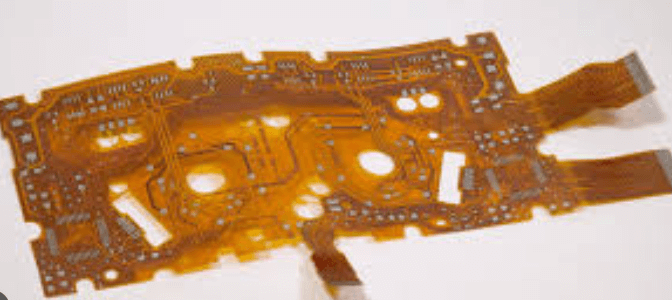
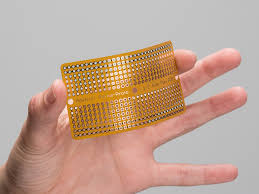
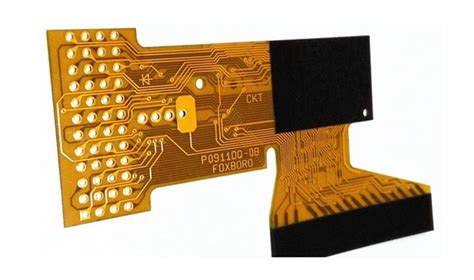
Flexible PCBs, also known as flex circuits, are a type of printed circuit board that can bend, twist, and fold to fit into compact or irregularly shaped spaces. Unlike traditional rigid PCBs, flexible PCBs are made from flexible materials such as polyimide or polyester, which provide excellent thermal stability, mechanical strength, and electrical performance. These boards are typically used in applications where space and weight are critical factors, such as smartphones, wearables, automotive sensors, and medical implants.
The manufacturing process for flexible PCBs involves several steps, including substrate preparation, circuit patterning, etching, lamination, and testing. The complexity of the process requires specialized equipment, skilled labor, and stringent quality control measures, making it a niche segment within the broader PCB industry.
2. The Rise of Flexible PCB Manufacturing in India
India’s electronics manufacturing sector has grown rapidly in recent years, fueled by government initiatives, increasing domestic demand, and a growing focus on export-oriented production. The flexible PCB manufacturing industry in India has benefited from this growth, with several companies establishing state-of-the-art facilities to cater to both domestic and international markets.
2.1 Government Initiatives and Policies
The Indian government has played a pivotal role in promoting electronics manufacturing through policies such as the “Make in India” initiative, the Production Linked Incentive (PLI) scheme, and the Electronics Manufacturing Clusters (EMC) scheme. These initiatives aim to attract foreign investment, encourage domestic production, and reduce reliance on imports. The PLI scheme, in particular, has incentivized the production of high-value components like flexible PCBs, making India an attractive destination for global electronics manufacturers.
2.2 Growing Domestic Demand
The increasing adoption of electronic devices in India, driven by rising disposable incomes and digital transformation, has created a robust demand for flexible PCBs. Industries such as consumer electronics, automotive, and healthcare are major consumers of flexible PCBs, with applications ranging from smartphones and tablets to electric vehicles and medical devices. This growing demand has spurred investments in domestic manufacturing capabilities.
2.3 Export Opportunities
India’s flexible PCB manufacturers are also tapping into global markets, leveraging the country’s cost competitiveness and skilled workforce. With the global flexible PCB market projected to grow at a compound annual growth rate (CAGR) of over 10% in the coming years, Indian manufacturers are well-positioned to capture a significant share of the export market.
3. Key Players in India’s Flexible PCB Manufacturing Industry
Several companies in India have established themselves as leaders in the flexible PCB manufacturing space. These companies range from large multinational corporations to specialized domestic firms.
3.1 AT&S India
AT&S, a global leader in high-end PCB manufacturing, has a significant presence in India. The company’s facility in Andhra Pradesh is one of the most advanced PCB manufacturing plants in the country, producing high-quality flexible PCBs for industries such as automotive, industrial electronics, and healthcare.
3.2 Shogini Technoarts Pvt. Ltd.
Shogini Technoarts is a prominent Indian manufacturer of flexible PCBs, catering to industries such as aerospace, defense, and telecommunications. The company is known for its focus on innovation and quality, offering customized solutions to meet the specific needs of its clients.
3.3 Shastra Defence Technologies
Shastra Defence Technologies specializes in the design and manufacture of flexible PCBs for defense and aerospace applications. The company’s expertise in high-reliability PCBs has made it a trusted partner for critical defense projects in India.
3.4 Shree Rama Multi-Tech Ltd.
Shree Rama Multi-Tech is a leading manufacturer of flexible PCBs and other electronic components. The company serves a diverse range of industries, including automotive, consumer electronics, and industrial automation.
3.5 Shogini Technoarts Pvt. Ltd.
Shogini Technoarts is a prominent Indian manufacturer of flexible PCBs, catering to industries such as aerospace, defense, and telecommunications. The company is known for its focus on innovation and quality, offering customized solutions to meet the specific needs of its clients.
4. Challenges Facing the Industry
Despite the promising growth prospects, the flexible PCB manufacturing industry in India faces several challenges that need to be addressed to sustain its momentum.
4.1 High Capital Investment
The establishment of a flexible PCB manufacturing facility requires significant capital investment in specialized equipment and technology. This high barrier to entry can deter small and medium-sized enterprises (SMEs) from entering the market.
4.2 Skilled Labor Shortage
The manufacturing of flexible PCBs requires a highly skilled workforce with expertise in areas such as circuit design, material science, and quality control. While India has a large pool of engineering talent, there is a need for specialized training programs to bridge the skill gap in the industry.
4.3 Supply Chain Constraints
The flexible PCB manufacturing process relies on the availability of high-quality raw materials, such as polyimide films and copper foils. Any disruptions in the supply chain can impact production timelines and increase costs.
4.4 Competition from Global Players
Indian manufacturers face stiff competition from established players in countries like China, South Korea, and Taiwan, which dominate the global flexible PCB market. To remain competitive, Indian companies must focus on innovation, cost optimization, and quality improvement.
5. Future Prospects and Opportunities
The future of flexible PCB manufacturing in India looks promising, driven by technological advancements, increasing demand, and supportive government policies. Several trends are expected to shape the industry in the coming years.
5.1 Adoption of Advanced Technologies
The integration of advanced technologies such as artificial intelligence (AI), machine learning (ML), and the Internet of Things (IoT) is expected to revolutionize the flexible PCB manufacturing process. These technologies can enhance production efficiency, reduce defects, and enable predictive maintenance.
5.2 Focus on Sustainability
As environmental concerns gain prominence, manufacturers are increasingly adopting sustainable practices in the production of flexible PCBs. This includes the use of eco-friendly materials, energy-efficient processes, and waste reduction measures.
5.3 Expansion into Emerging Applications
The growing demand for flexible PCBs in emerging applications such as wearable technology, flexible displays, and 5G infrastructure presents significant opportunities for Indian manufacturers. By investing in research and development, companies can position themselves as leaders in these high-growth segments.
5.4 Collaboration and Partnerships
Collaboration between industry players, academic institutions, and government agencies can drive innovation and address the challenges facing the industry. Public-private partnerships can also play a crucial role in developing the necessary infrastructure and talent pool.
Conclusion
Flexible PCB manufacturing in India is poised for significant growth, driven by increasing demand, supportive government policies, and technological advancements. While the industry faces challenges such as high capital investment and skilled labor shortages, these can be overcome through strategic investments, innovation, and collaboration. As India continues to strengthen its position as a global electronics manufacturing hub, the flexible PCB industry will play a pivotal role in shaping the future of the country’s electronics sector. With the right policies and initiatives in place, India has the potential to become a leading player in the global flexible PCB market, contributing to the growth of the electronics industry and the broader economy.