Flexible pcb soldering(2)

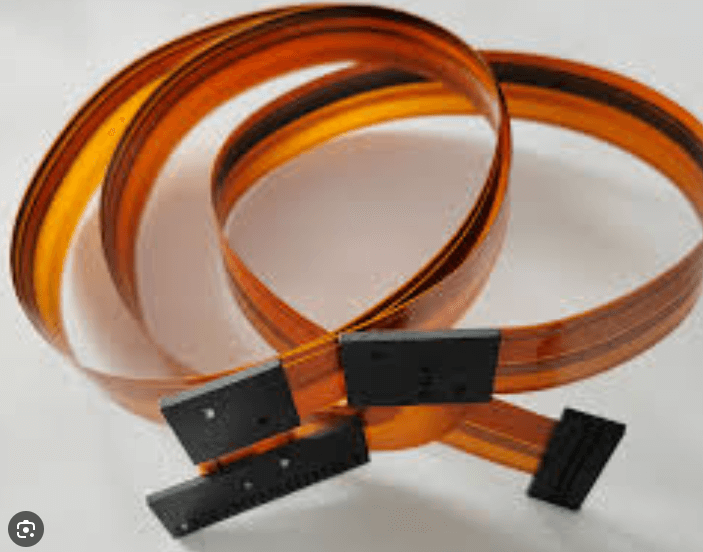
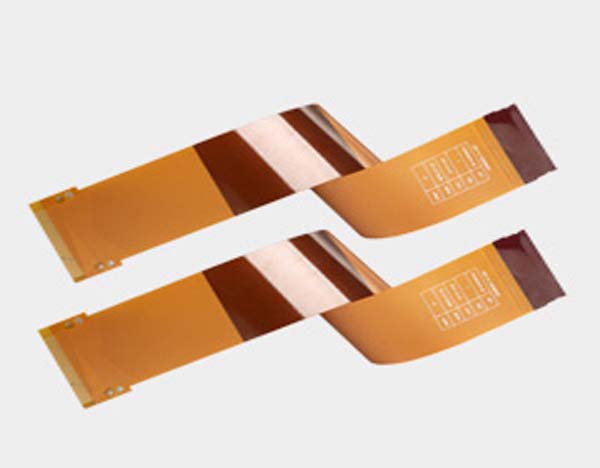
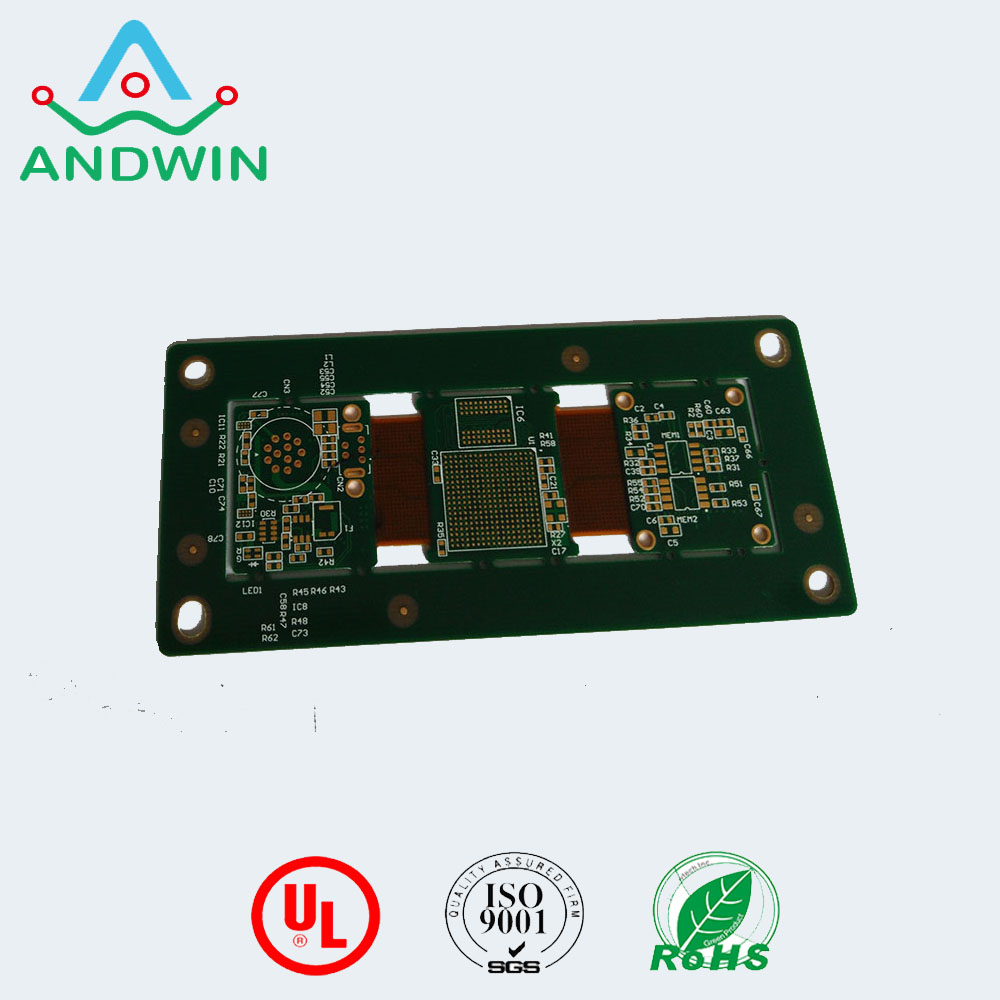
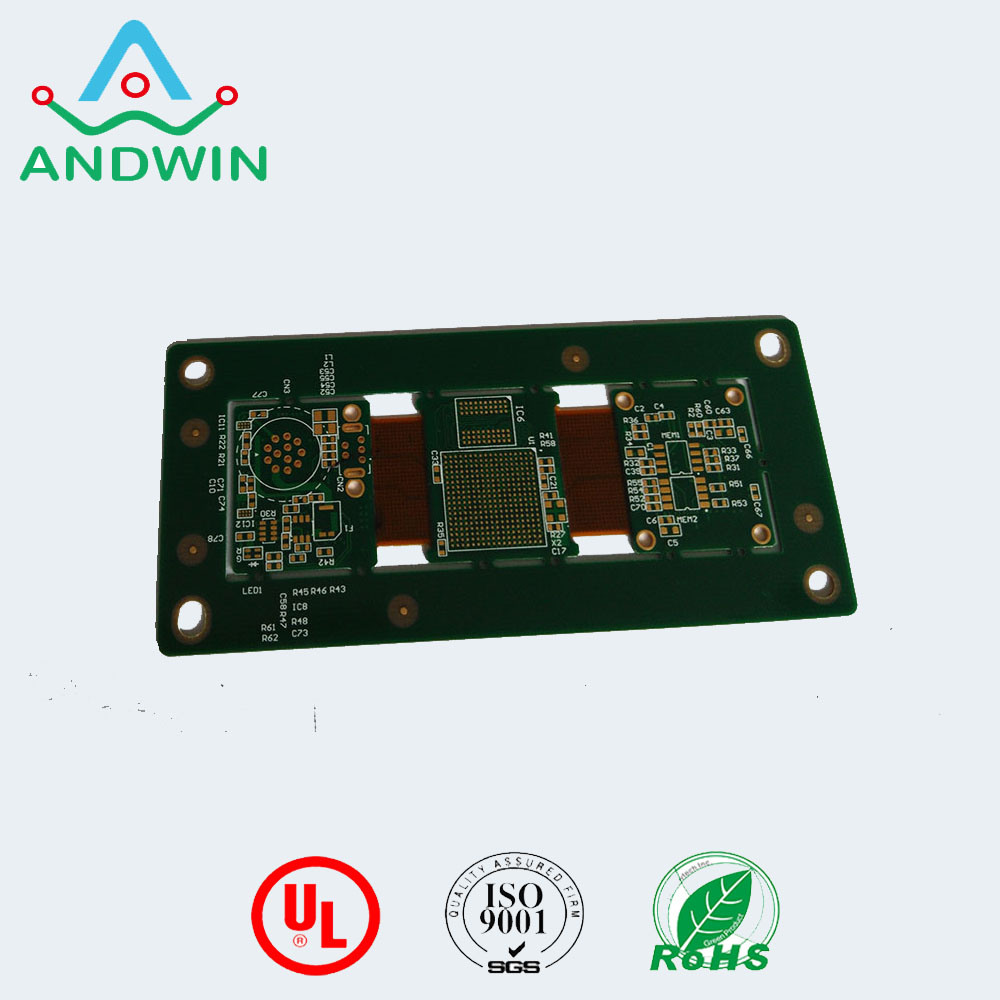
The soldering process for flexible PCBs (Printed Circuit Boards) is similar to that of rigid PCBs. However, there are a few key differences due to the flexible nature of the board.
1. Preheat the PCB: Before soldering, it is important to preheat the PCB to prevent any damage or warping. This can be done using a preheating station or by placing the PCB on a hot plate.

2. Apply flux: Apply a small amount of flux to the solder pads. This helps to clean the surface and improve the flow of solder.

3. Add solder: Using a soldering iron, apply a small amount of solder to the pads. Be careful not to overheat the board as this can cause damage.

4. Attach components: Place the components onto the solder pads and reheat the solder to attach them to the board. Use tweezers to hold the components in place while soldering.

5. Trim excess leads: Once the components are attached, trim any excess leads using wire cutters or a pair of scissors.

6. Inspect the solder joints: Inspect the solder joints to ensure they are smooth and shiny. If there are any defects, rework the joint by adding more solder or removing excess solder.

7. Test the board: Once the soldering is complete, test the board to ensure it is functioning properly.
GET IN TOUCH!

Similar Posts

  • DiClad Series Laminates

    DiClad® laminates are woven fiberglass/PTFE composite materials for use as printedcircuit board substrates. Precise control of the fiberglass/PTFE ratio, DiClad laminatesoffer a range of choices from the lowest dielectric constant and dissipation factor to amore highly reinforced laminate with better dimensional stability. The woven fiberglass reinforcement in DiClad products provides greater dimensionalstability than nonwoven fiberglass…

  • |

    Duroid 5870

    Duroid 5870 is a high-frequency laminate material manufactured by Rogers Corporation. It is a PTFE-based composite material with a dielectric constant of 2.33 and a loss tangent of 0.0009 at 10 GHz. It has excellent electrical properties, making it suitable for applications in microwave and RF circuits, such as power amplifiers, filters, and antennas. The…

  • metal core pcb stackup

    Metal core PCBs are a type of printed circuit board that are designed to handle high levelsof heat. They are commonly used in applications such as LED lighting, power supplies, andautomotive electronics. The metal core PCB stackup is an important aspect of the designprocess, as it determines the electrical and thermal properties of the board. In thisarticle, we will…

  • | |

    rogers pcb fabrication

    Rogers PCB fabrication refers to the process of manufacturing PCBs (Printed Circuit Boards) using Rogers materials. Rogers materials are high-performance composite materials that have excellent electrical, mechanical, and thermal properties, making them ideal for use in high-frequency, high-speed, and high-reliability electronic products. Rogers PCB fabrication requires specialized PCB manufacturers and technicians to ensure that high-quality,…

  • |

    4 layer flex pcb stackup

    The 4 layer flex PCB stackup is commonly used in applications where there is a need for higher density circuitry and more complex interconnections. It is often used in electronic devices such as smartphones, tablets, and laptops, as well as in medical and aerospace applications. The 4 layer flex PCB stackup allows for greater flexibility…