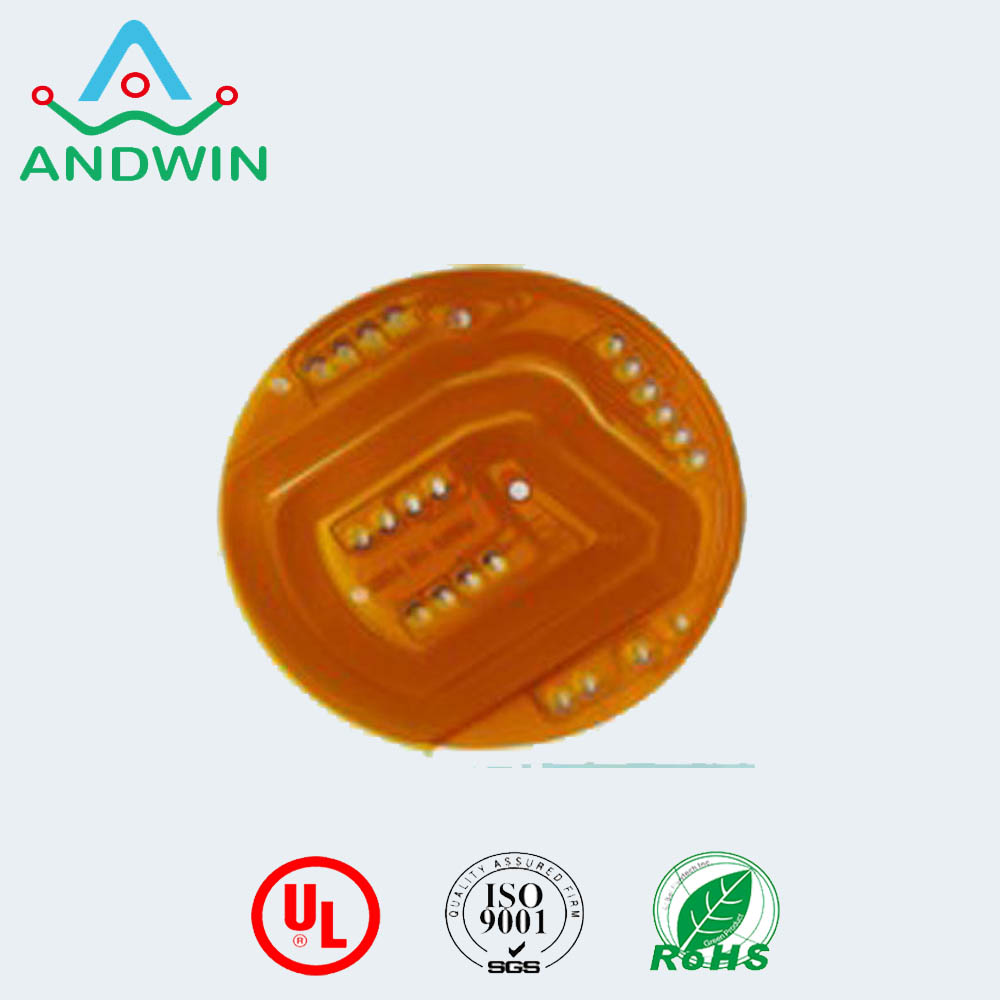
Flexible pcb substrate

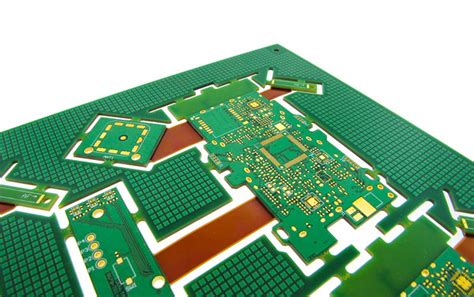
It is a thin, flexible material that serves as the base for the printed circuit board (PCB).

The flexible substrate allows the PCB to bend and twist,

making it ideal for use in applications where space is limited or where the device needs to be able to move or flex.
Flexible PCB substrates are made from a variety of materials, including polyimide, polyester, and PTFE.

These materials are chosen for their flexibility, durability, and resistance to heat and moisture.

The role of the flexible PCB substrate is to provide a stable base for the electronic components that are mounted on it.

The substrate acts as a support for the conductive traces that connect the components, and it also provides insulation to prevent short circuits.
GET IN TOUCH!

Flexible PCB substrates are used in a wide range of applications, including medical devices,

aerospace and defense systems, consumer electronics,and automotive electronics.

They are particularly useful in applications where space is limited and where the device needs to be able to bend or flex without breaking.

Overall, the role of the flexible PCB substrate is to provide a flexible, durable, and reliable base for electronic components,

allowing them to function properly in a wide range of applications.
GET IN TOUCH!

Similar Posts

  • |

    Flex pcb wiki

    Flex-rigid PCBs are a type of printed circuit board that combines both flexible and rigid board technologies.They consist of multiple layers of flexible PCBs that are laminated together with layers of rigid PCBs. This creates a single board with both flexible and rigid sections, allowing for increased design flexibility and improved reliability. Flex-rigid PCBs are commonly used…

  • | |

    Rigid-flex PCB Applications: Revolutionizing Electronic Devices

    In the ever-evolving world of technology, the demand for smaller, lighter, and more flexible electronic devices is constantly increasing. To meet these demands, engineers and designers have turned to rigid-flex PCBs (Printed Circuit Boards) as a solution. Rigid-flex PCBs offer a unique combination of flexibility and durability, making them ideal for a wide range of…

  • |

    Rogers material for pcb

    WHAT IS rogers material for pcb Rogers Corporation is a leading manufacturer of high-performance materials used in printed circuit board (PCB) applications. Some of the popular Rogers materials for PCBs include: 1. RO4000 Series: This series of high-frequency laminates are designed for use in advanced circuitry applications, including RF and microwave circuits. These materials offer excellent electrical…

  • |

    Amphenol flex pcb

    Amphenol Printed Circuits’ (APC) capabilities are among the world’s broadest and most advanced,delivering consistent quality and reliability for demanding high-bandwidth systems and mission critical applications for more than 30 years. Proven engineering and manufacturing expertise eliminates design obstacles.The 214,000 square foot New Hampshire facility features state-of-the-art PCB manufacturing equipment and optimized material handling to ensure the highest…

  • |

    Rigid flex pcb rules

    1. Minimum bend radius: The minimum bend radius for a rigid-flex PCB is typically 10 times the thickness of the thinnest layer in the stackup. 2. Trace width and spacing: The trace width and spacing should be designed to ensure that the PCB can withstand the stresses of bending without breaking or cracking. 3. Hole size and…

  • |

    4 layer flex pcb(2)

    A 4 layer flex PCB (Printed Circuit Board) is a type of flexible circuit board that consists of four layers of conductive material sandwiched between layers of insulating material. The layers are interconnected by vias, which are small holes drilled through the layers and filled with conductive material. GET IN TOUCH! The role of a 4 layer…